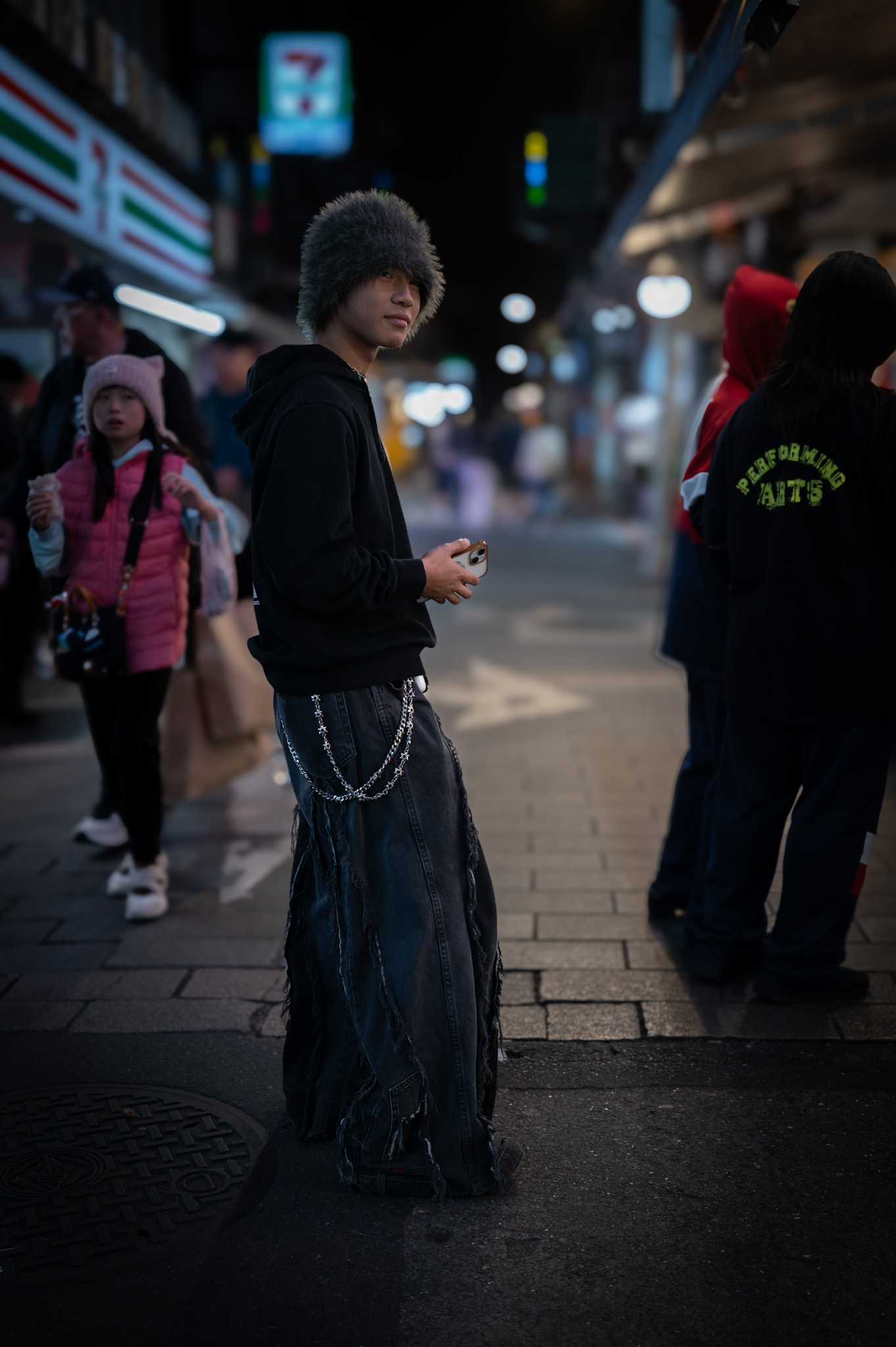

I have walked through many markets in Asia, from the narrow lanes of Hanoi to the endless food corridors of Bangkok. Yet Taipei’s
night marketshave a rhythm that feels different, more intimate. They’re not just places where you go to eat; they’re windows into how the city breathes after dark. The neon lights flicker awake, scooters weave through impossible gaps, and suddenly a quiet neighbourhood becomes a theatre of smells, smoke and
human stories.
My first nights in Taipei I let myself drift, camera in hand, without an itinerary. Shilin, Raohe, Ningxia—names I had read before, but it’s always the first step into the crowd that tells you whether a place
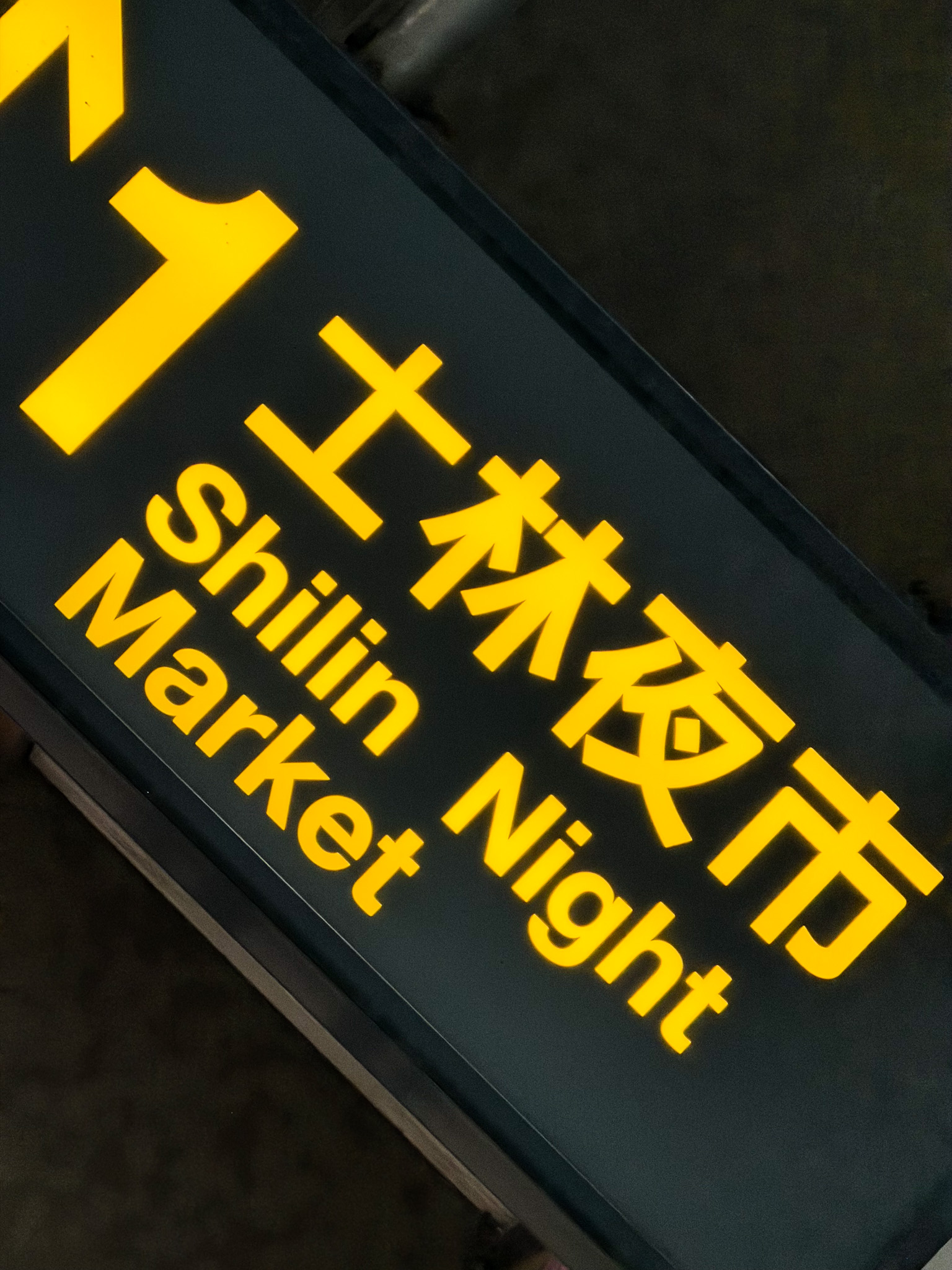
speaksto you. At Shilin the energy is
cinematic: giant signs, floodlights, a roar of voices. Steam escapes from metal baskets, carrying the scent of pepper buns and grilled squid. Teenagers laugh in front of claw machines; families gather around tables improvised on the sidewalk. It’s messy, loud, and perfectly
alive.
Raohe is different. It feels more linear, more grounded. You enter through the old
Songshantemple gate, its lights dancing on the river breeze, and the first pepper bun stall greets you with a queue that curves like a question mark. I watched the bakers sealing each bun with the precision of jewelers, then slapping them against the walls of a clay oven glowing orange like a
small sun. When you finally hold one, its weight surprises you. It’s a full story in your hand—meat, spring onion, roasted dough, memories from someone else’s tradition.
But the market I would return to again and again is
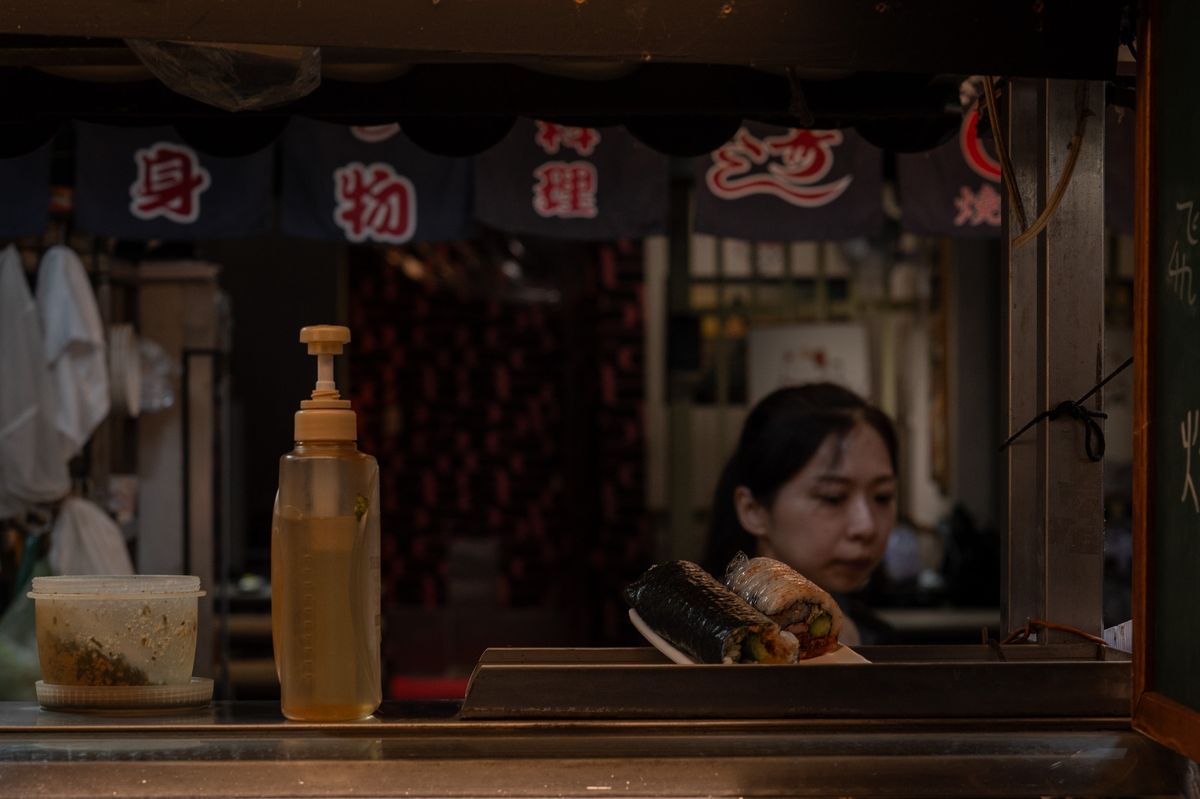
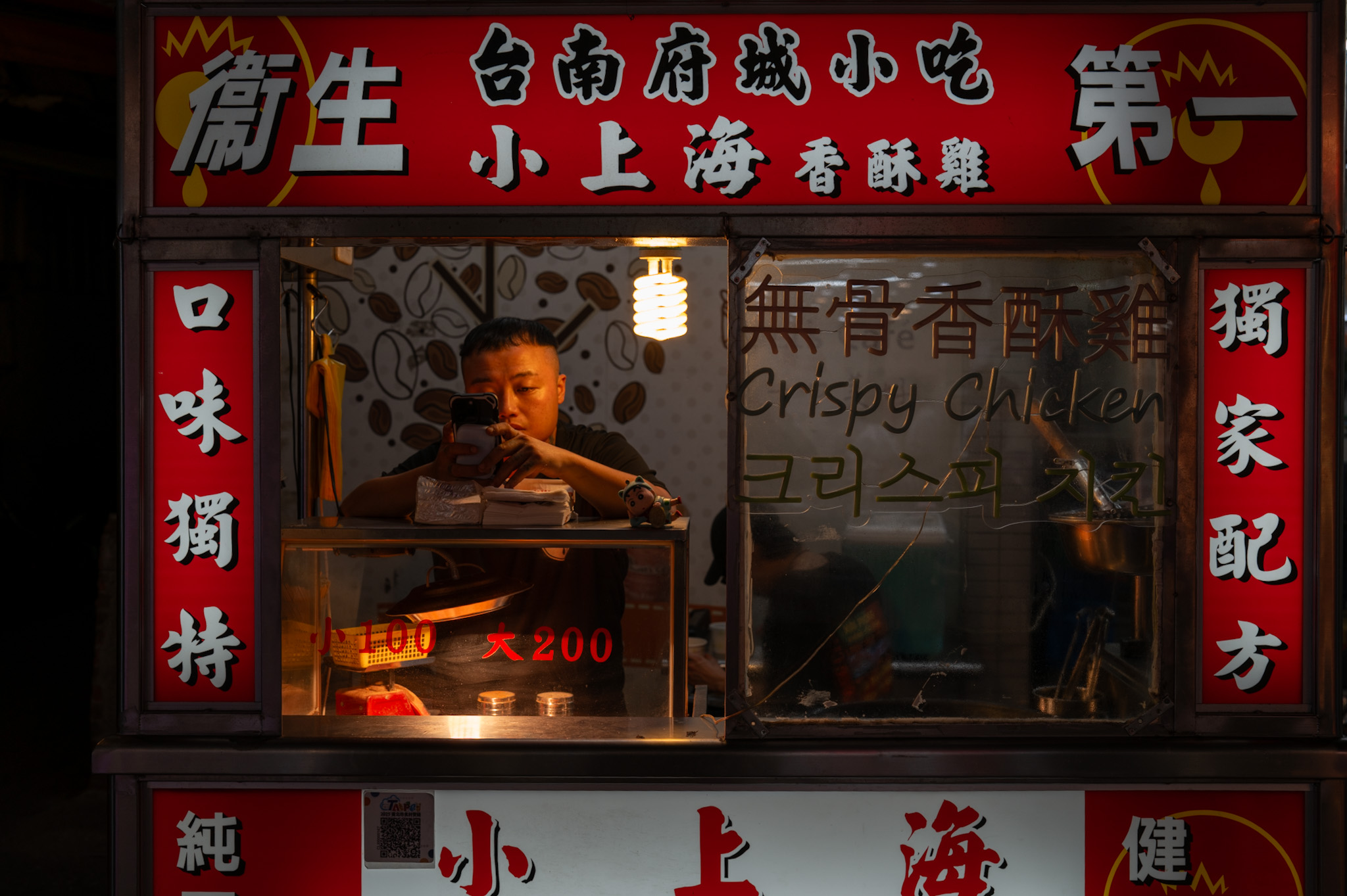
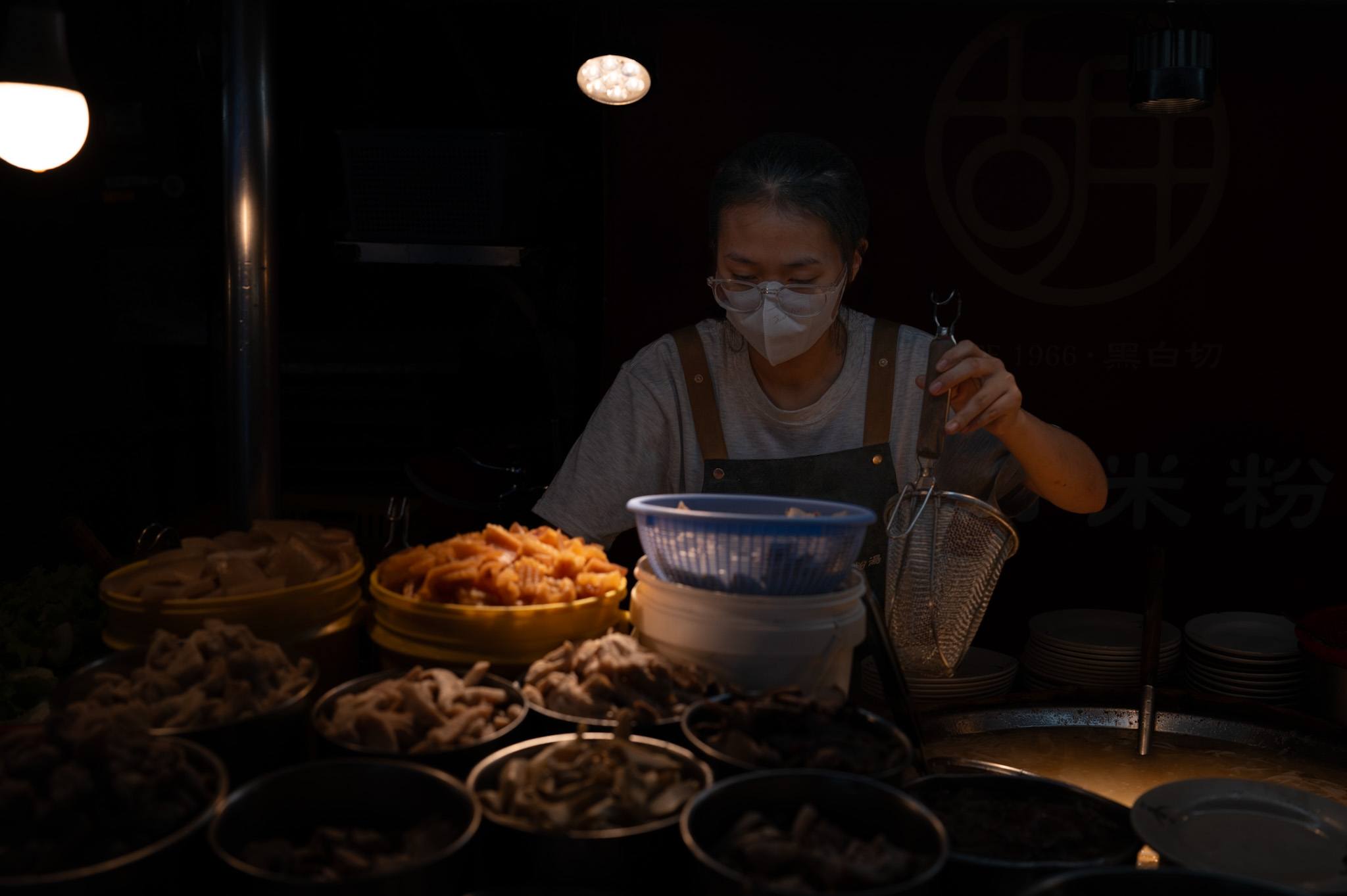
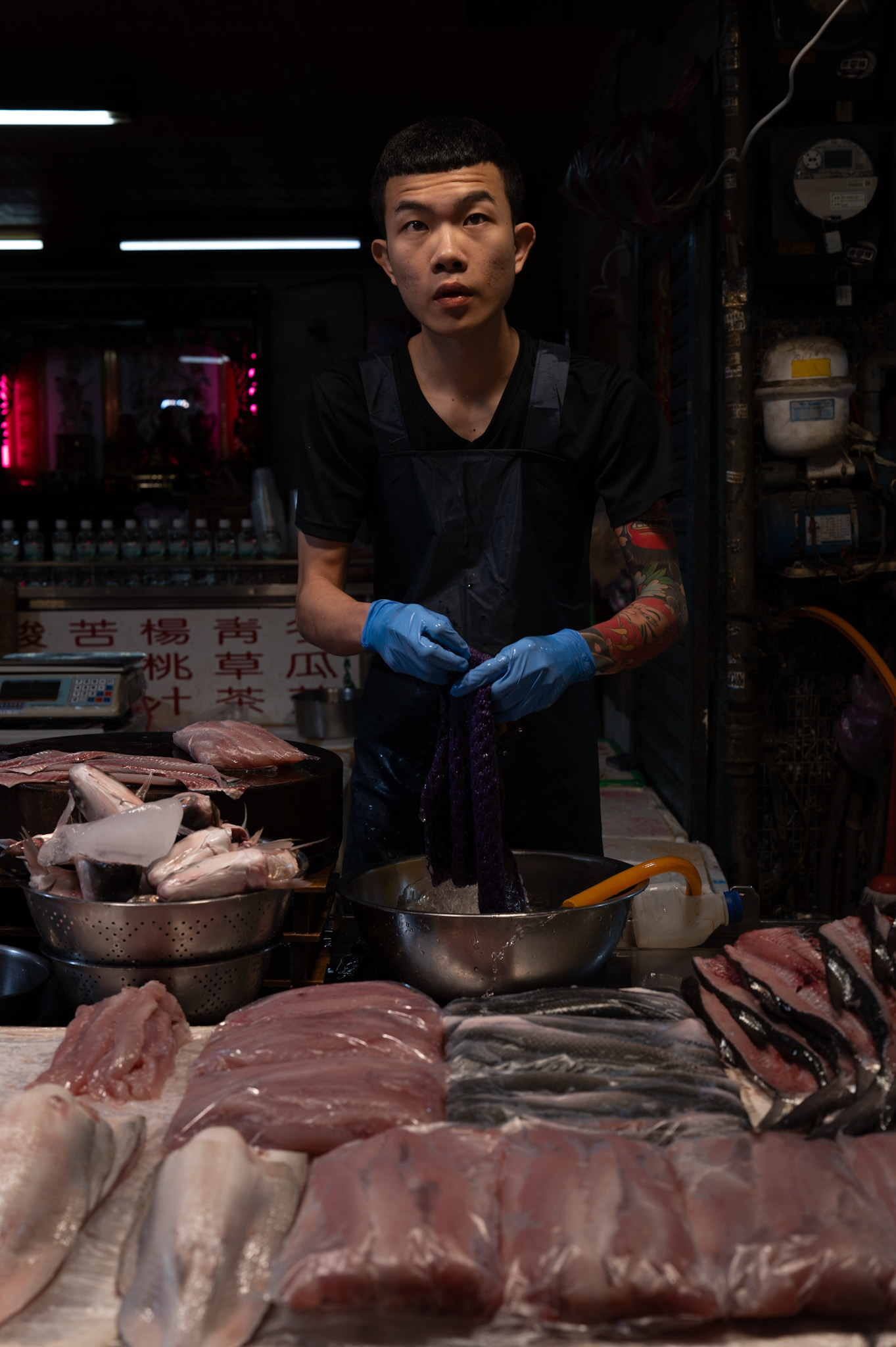
Tonghua. Maybe because it’s smaller, more human, or maybe because night photography becomes easier when the chaos is reduced to a few essential gestures. A vendor turning skewers with slow concentration; an auntie pouring oyster batter onto a sizzling pan. Children biting sausage-on-a-stick as if it were an adventure. In those faces I sensed a quiet pride—Taiwanese cuisine is a
living thing, passed on like family stories, evolving without ever losing its roots.
Being very honest, even the yummy dang bing I tasted there, is a very good reason for coming back!
Moving through these markets becomes a sensory
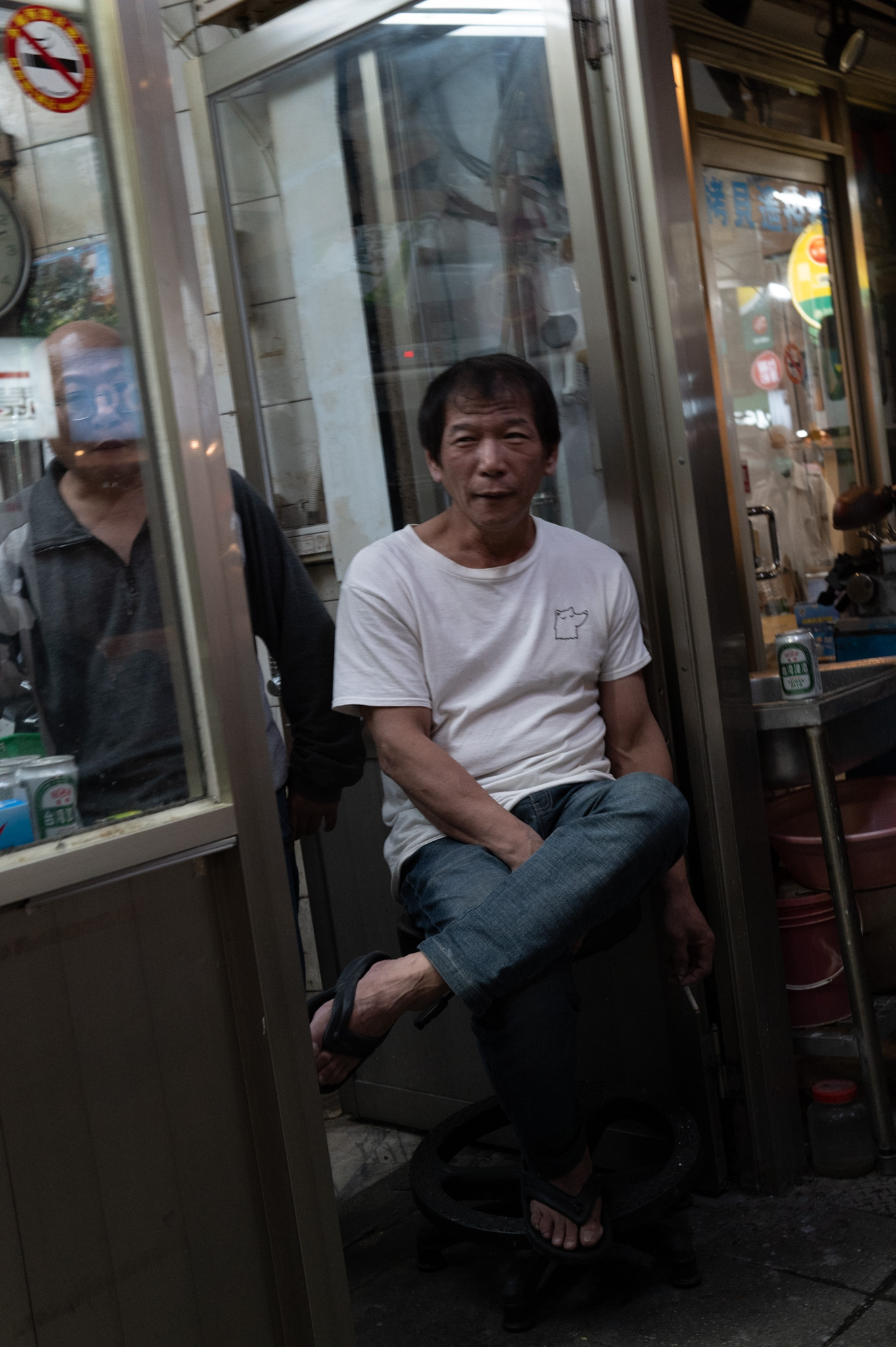
pilgrimage. The smoke coats your clothes; the oil lightly perfumes your fingers; your Leica Q3 43 captures fleeting moments before they dissolve back into the night. There’s sweetness and salt, the metallic echo of temple bells, and the sudden hush when you step into a quieter alley. Yet what I remember most are the people—the
gestures, the glances, the
shared joyof eating something freshly grilled under a humid sky.
Taipei’s night markets are not here to impress you, but they simply exist, night after night, like
beating heartsof their neighbourhoods. And as you wander through them you realise that food is only the doorway. What you are really tasting is the
life of a citythat knows how to gather, how to share, how to keep traditions warm even under the glow of modern neon.
Tomorrow these streets will look ordinary again. But tonight, they are a
map of humanity—one bite, one photo, one story at a time.
It’s been almost a week that I’ve been walking through Taipei, and in the past couple of days I’ve pushed further north—along the fishing villages of the coast and into the mountain towns where
red lanterns glow through the mist.
Taiwan reveals itself as a quiet yet proud country, rooted in tradition and an uncomplicated sense of
honesty. I encounter no more than a handful of Western tourists, a reminder that mass tourism still largely overlooks this island.
Time here feels suspended, as if the clock had stopped somewhere between the 1980s and early 2000s. The island’s roaring, chip-driven economy hums out of sight,
barely perceptiblebehind the calm pace of daily life.
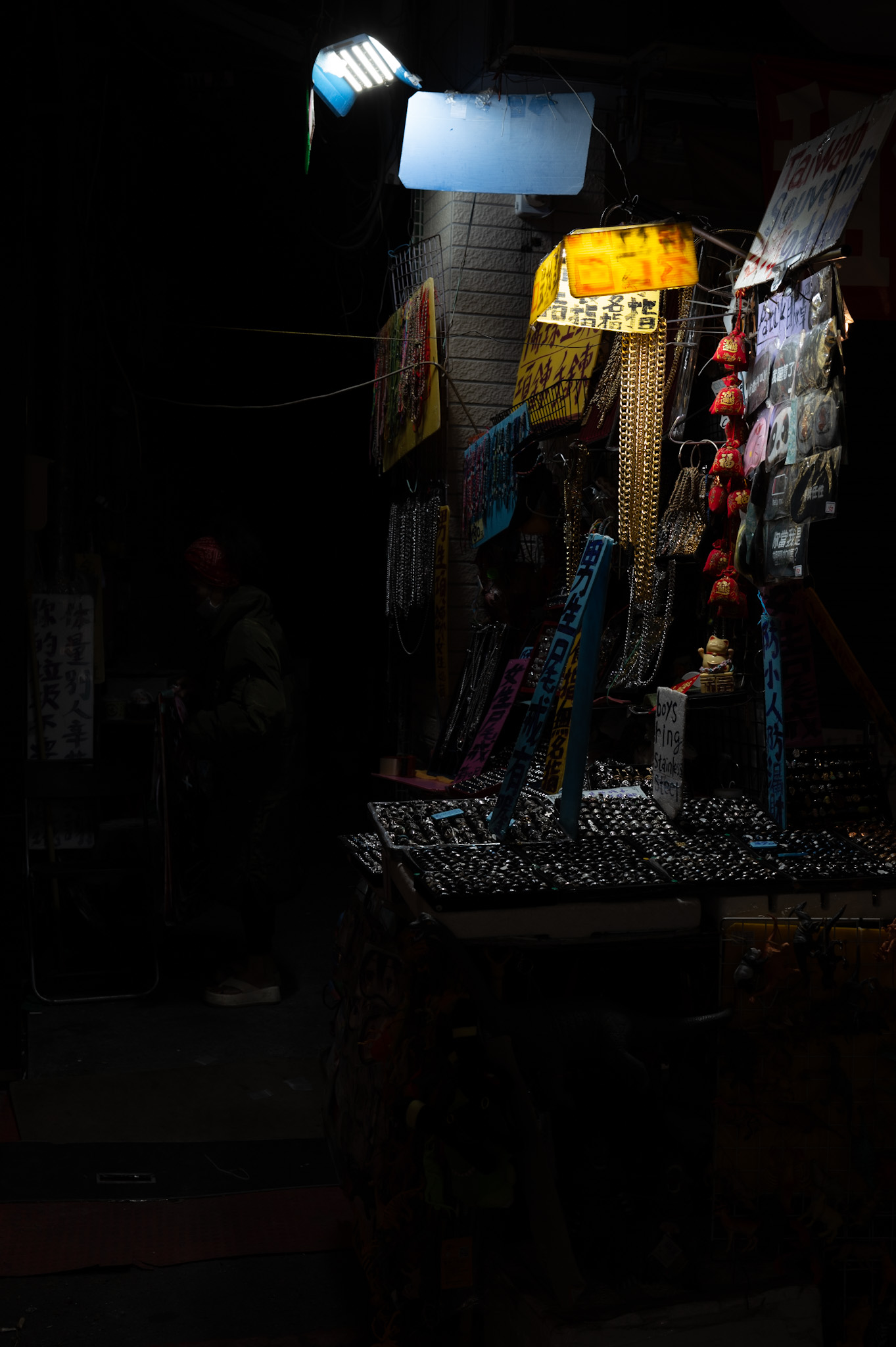
Night markets remain the beating heart of the city, and capturing even a few of their fleeting moments with my
Leica Q3 43mmfeels like a privilege.