
Following my recent posts on Malaysia’s and Thailand’s 2026-outlook, (the “Garibaldi Talk” you can read here, and here), I’m adding my very personal forecast for another of the Asian economies, the Kampuchea.
Cambodia enters 2026 navigating a delicate balancing act—between continuity and change, growth and governance, China and the West. Under Prime Minister Hun Manet, who succeeded his father Hun Sen in 2023, the country has maintained
political stabilitybut faces the growing challenge of legitimising a new generation of leadership while sustaining an economy that is slowing after years of rapid expansion.
Hun Manet’s government projects an image of modernisation and
technocratic efficiency, seeking to attract investors and diversify an economy still heavily reliant on garments, construction, and tourism. Yet the legacy of his father’s decades-long rule lingers. The Cambodian People’s Party (CPP) remains dominant, opposition voices remain
muted, and civic space continues to shrink. The younger Hun’s rhetoric of reform has yet to translate into significant institutional change. Corruption, bureaucratic inefficiency, and a politicised judiciary remain structural
obstacles.
Economically, Cambodia’s performance remains solid by regional standards, but cracks are visible. After rebounding strongly in 2024–25, GDP growth is expected to moderate to around 5.5% in 2026, according to multilateral forecasts. The
garment industry—accounting for roughly half of exports—faces intensifying competition from lower-cost producers such as Bangladesh and Myanmar, while Western buyers increasingly demand compliance with labour and environmental standards that Cambodian factories often
struggle to meet.
Tourism, a key pillar of the pre-pandemic economy, has yet to return to its former vitality.
Angkor Wat’s temples still draw millions, but geopolitical tensions and higher travel costs have slowed recovery from Chinese and European markets. The government’s push to diversify toward eco-tourism and digital services remains more aspiration than reality. Construction, long driven by Chinese investment, is softening as Beijing reins in overseas lending and Cambodia’s property market faces oversupply.
Still, there are bright spots. Agricultural exports—especially rice, cassava, and rubber—are benefiting from improved logistics and regional trade agreements such as the Regional Comprehensive Economic Partnership (RCEP). Infrastructure upgrades, financed by both China’s Belt and Road Initiative and Japan’s aid programmes, are improving connectivity, particularly between Phnom Penh and Sihanoukville. Cambodia’s nascent manufacturing
diversification, including electronics and bicycle assembly, shows promise, albeit from a small base.
Politically, Hun Manet faces a more complex regional environment than his father did. Cambodia’s close alignment with China remains central to its foreign policy, yet the leadership is keen to avoid overdependence. Efforts to rekindle ties with the United States and the European Union—strained after the 2017 crackdown on the opposition—reflect a pragmatic attempt to hedge risks. Still, Western aid and preferential trade access remain conditional on democratic progress, leaving Phnom Penh in a cautious
diplomatic dance.
Domestically, the government must manage growing
social expectations. A youthful population—more connected, educated, and urbanised than ever—demands jobs, transparency, and opportunities beyond low-wage factory work. Rising household debt and inequality could strain social cohesion if economic growth falters. Climate change poses an additional threat: frequent floods and droughts endanger agriculture and rural livelihoods, potentially fuelling migration and discontent.
The outlook for 2026 is one of guarded continuity. Cambodia’s political system is unlikely to open significantly, but the leadership’s stability-oriented pragmatism will probably keep the country on a
steady, if unspectacular, path. The challenge for Hun Manet is to prove that generational change can deliver not just order and growth, but fairness and innovation—before the patience of Cambodia’s young, ambitious citizens begins to
wane.
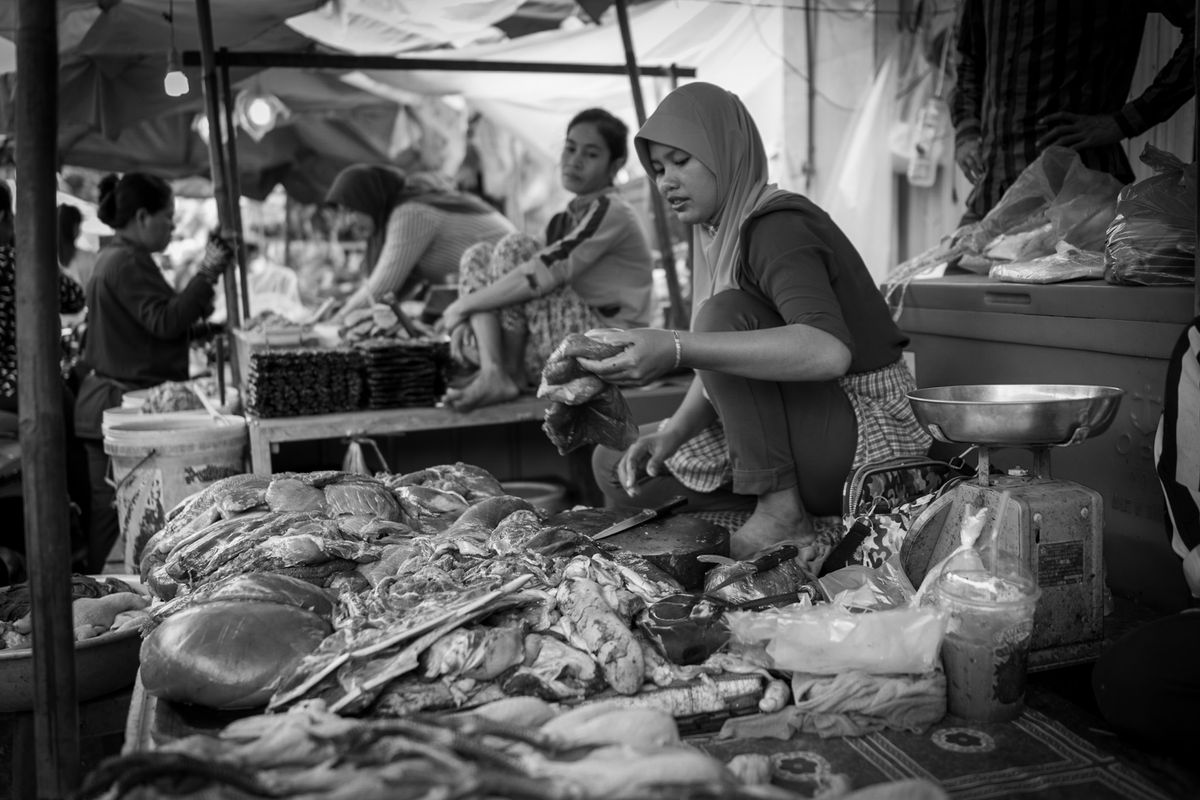
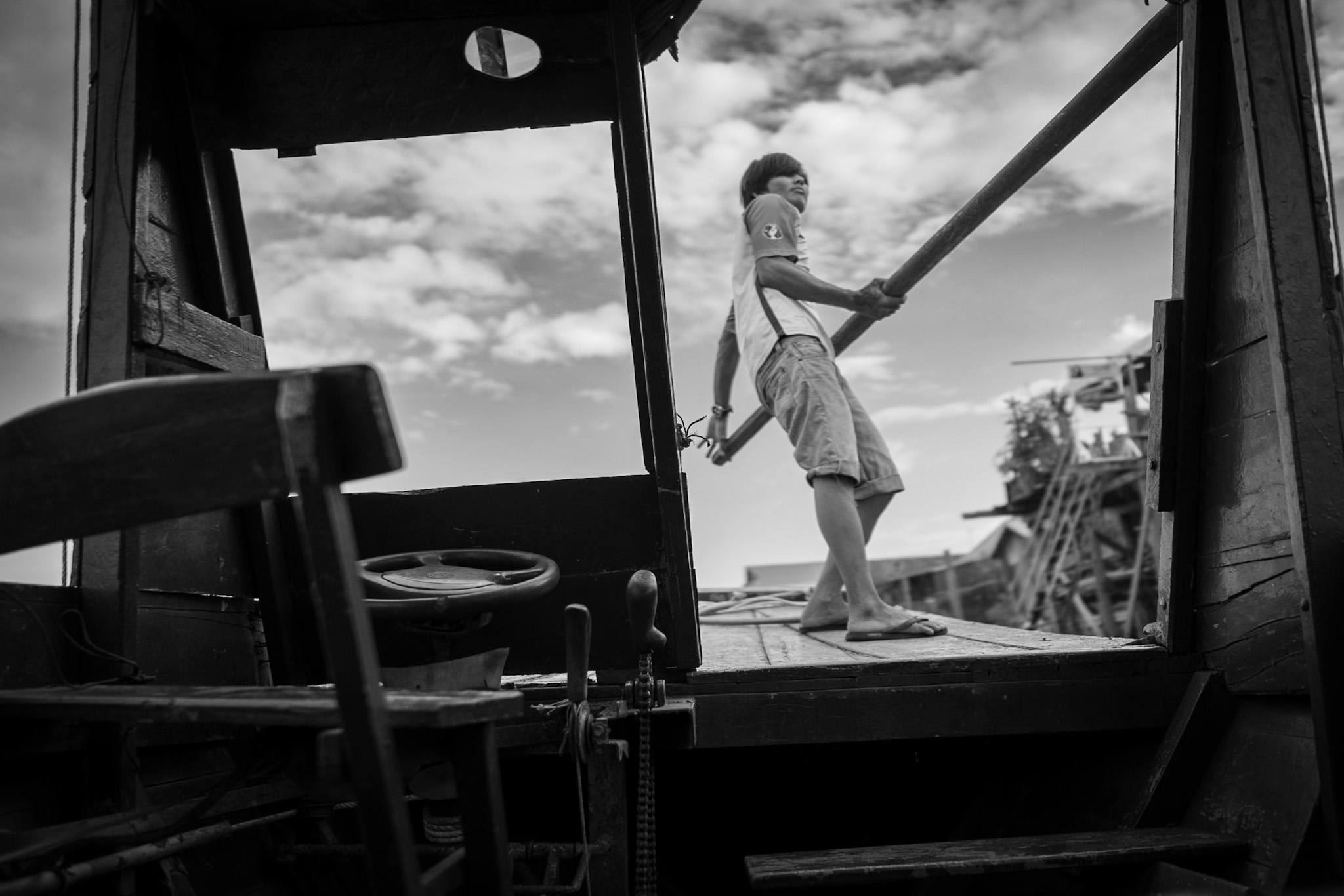
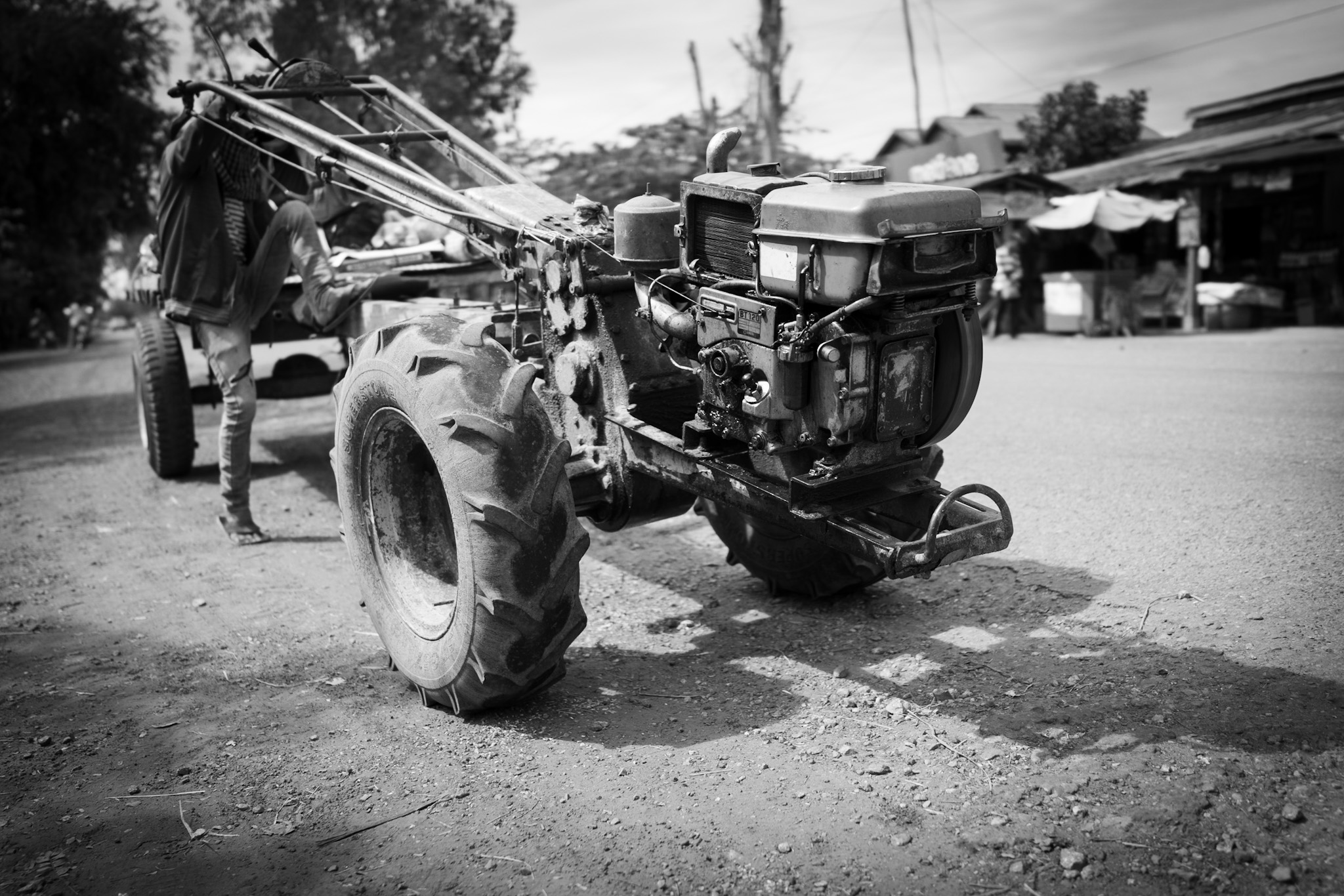
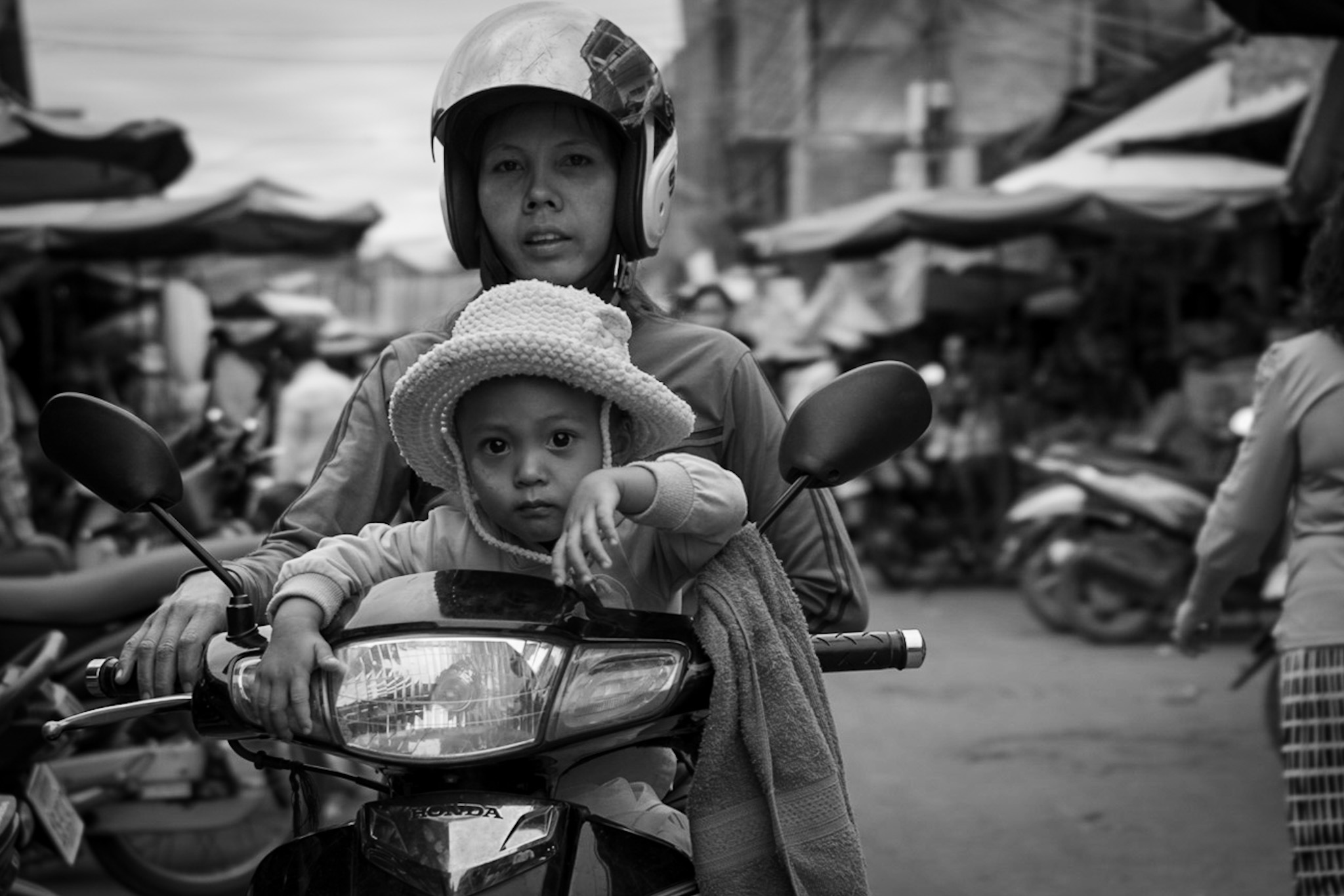
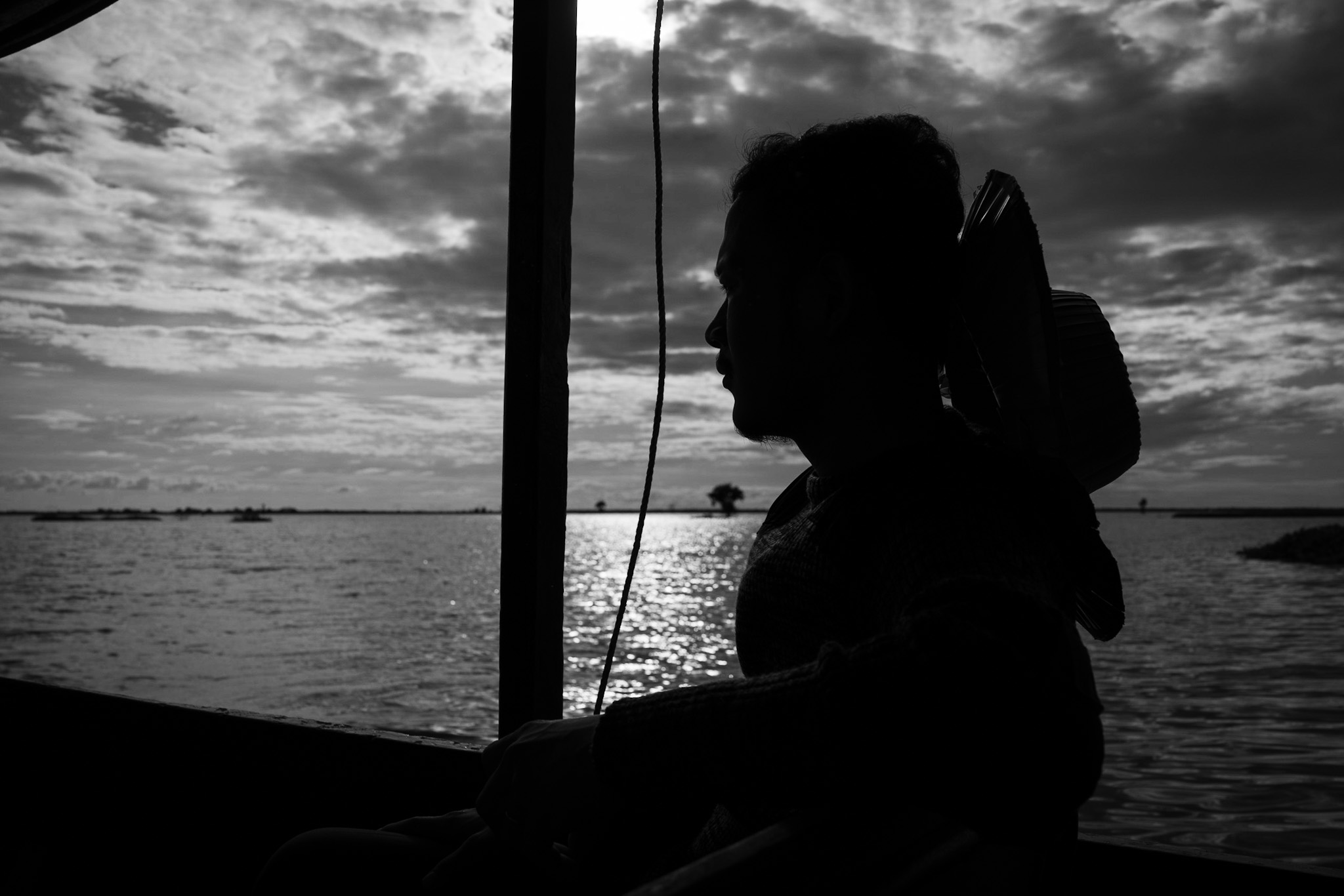
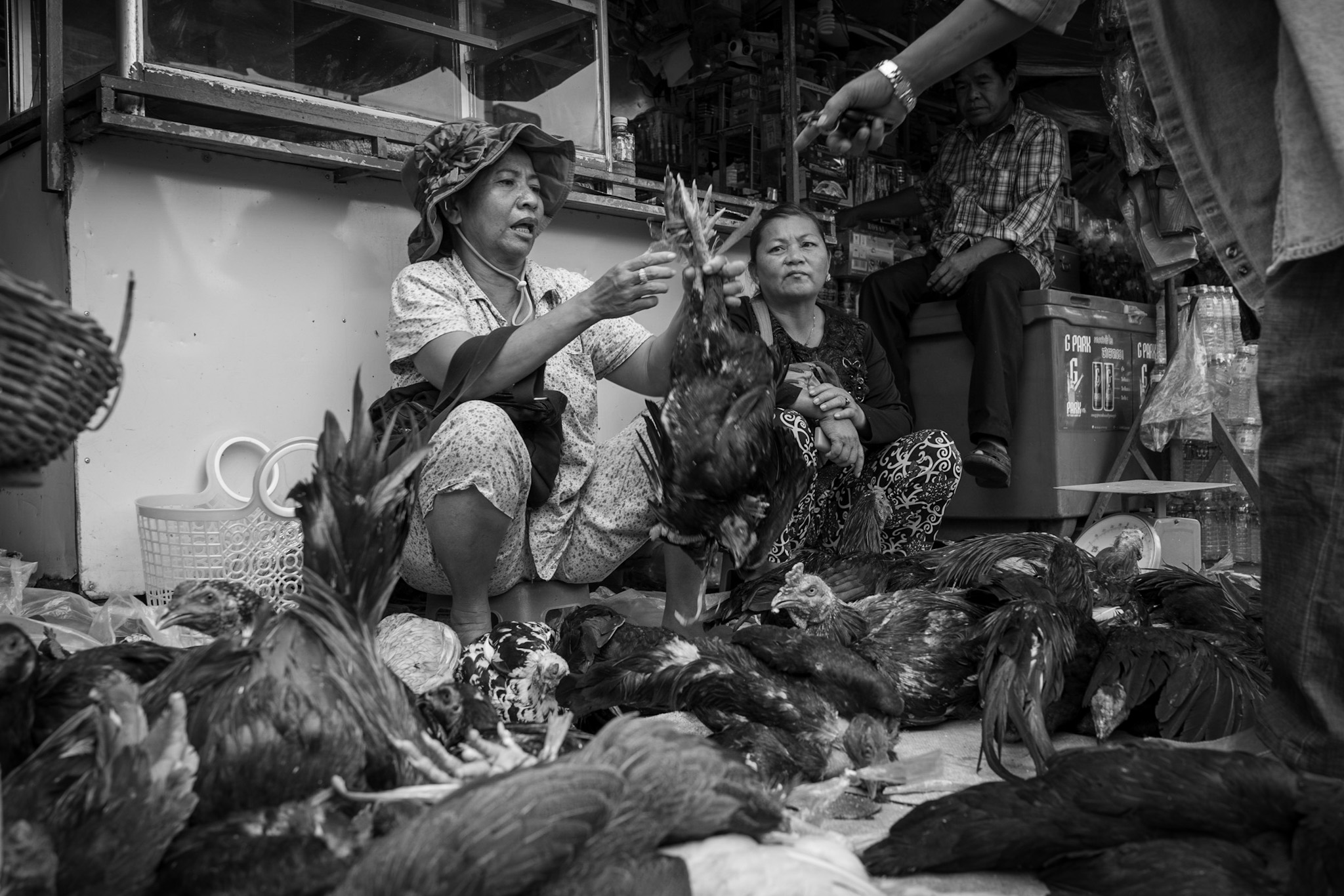
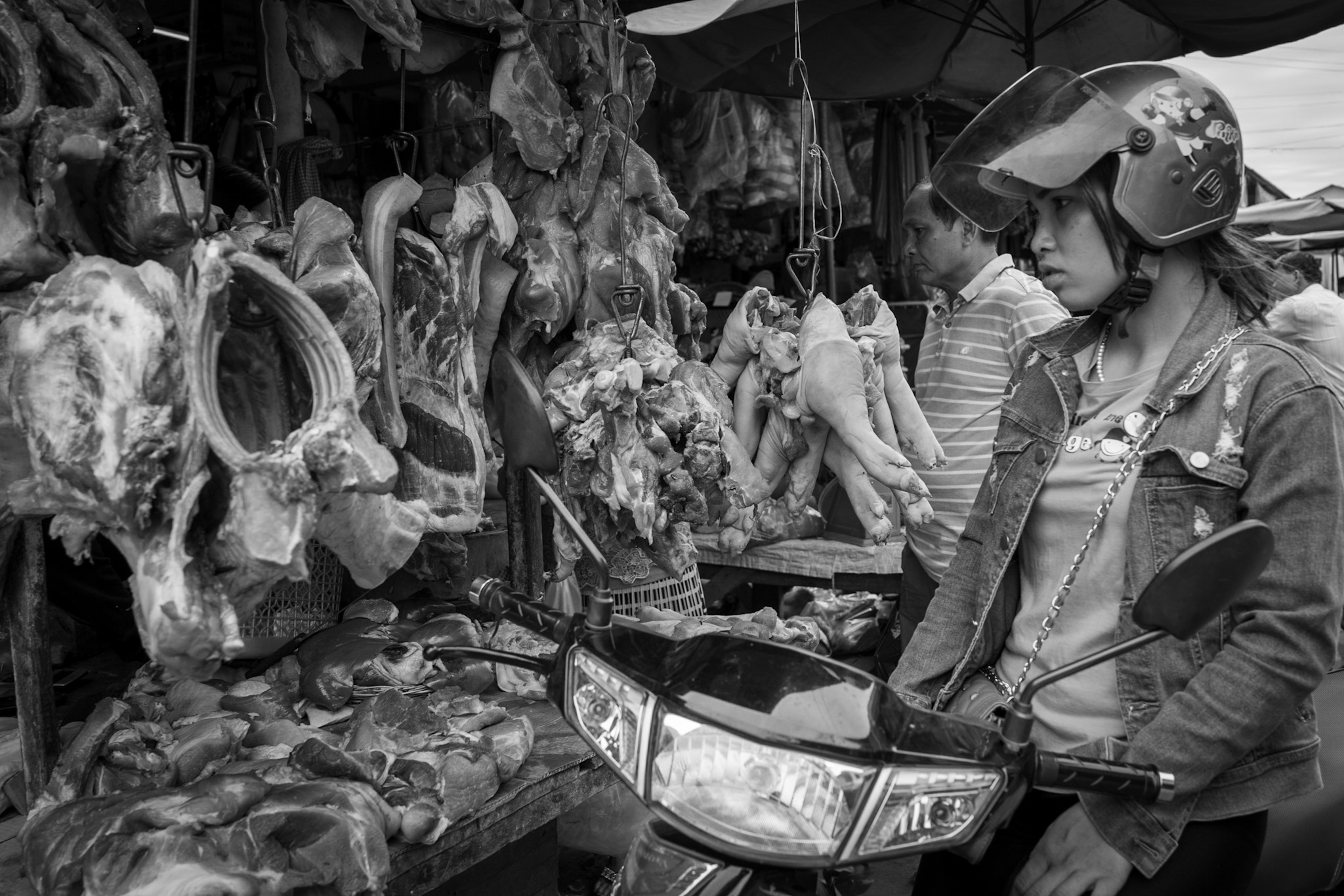
Almost ten years ago, I set out to explore Indochina—traveling from Myanmar to Laos, through Cambodia, and into Vietnam—with nothing more than a backpack and a fixed-lens camera (a small Sony RX1RII). It was an unforgettable journey, far from the usual tourist routes, winding through rural landscapes and immersing myself in the beauty of the region’s remarkable cultures. The photos shown here are from that trip.