I’ve followed
Mandami’scampaign for New York City mayor with real enthusiasm. A young Democratic Socialist who understands the everyday struggles of those living in the city without earning millions — and who offers practical solutions. A man capable of running a genuine campaign on ideas, not a “big tent” built on shaky and unrealistic alliances. It all brought me back to my years in New York — and to Carlo.
New York has a way of reshaping people, but
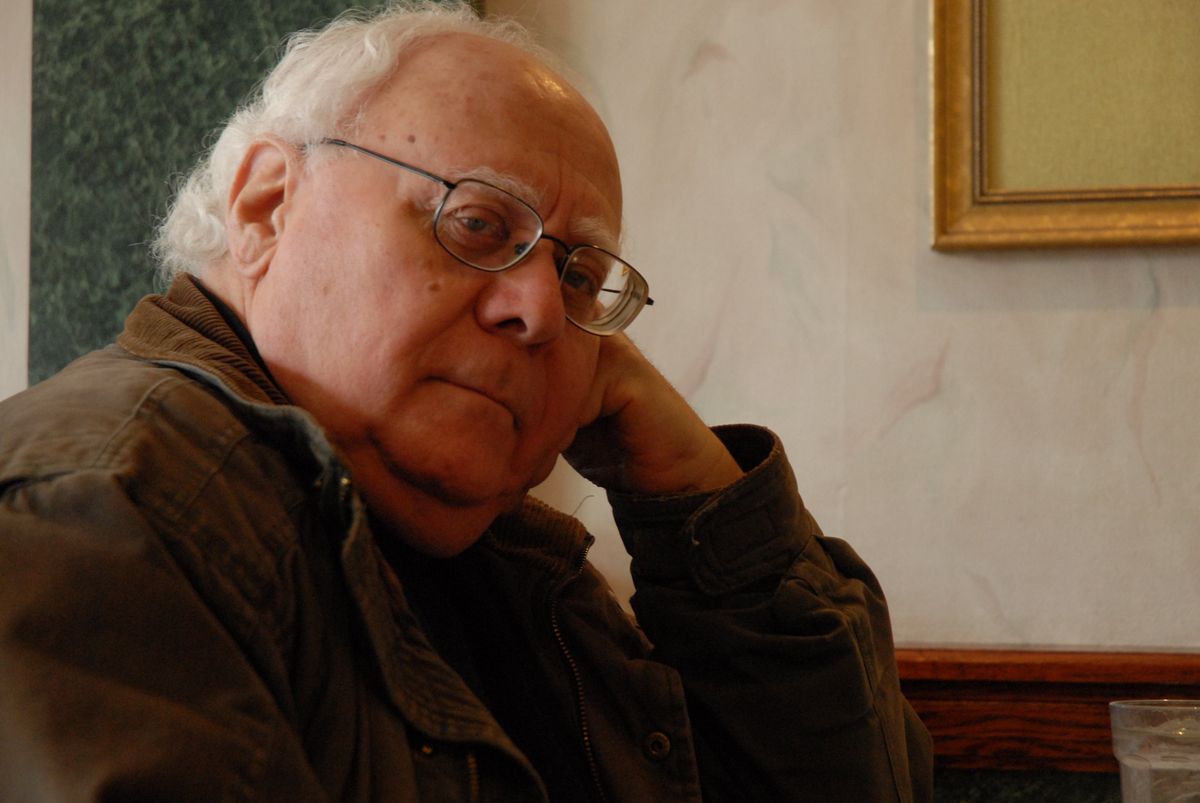
Carlo Medorimanaged to shape it back—frame by frame, word by word. For those who knew him, Carlo was not simply a photographer or a writer. He was an
observer of lives in motion, a man whose curiosity could turn an ordinary corner of the city into a narrative. His lens didn’t just capture light; it listened.
Carlo lived in Manhattan for most of his adult life, in that precarious balance between solitude and the city’s endless hum. His small apartment, cluttered with cameras, notebooks, and coffee cups, was less a home than a
creative laboratory. He worked mostly with analog film—Cannon, old Nikons, sometimes even Polaroids—believing that imperfection was a kind of truth. His photographs were not polished; they were
honest. He preferred the soft light of late afternoons in the East Village, where shadows stretched long and people forgot to pose.
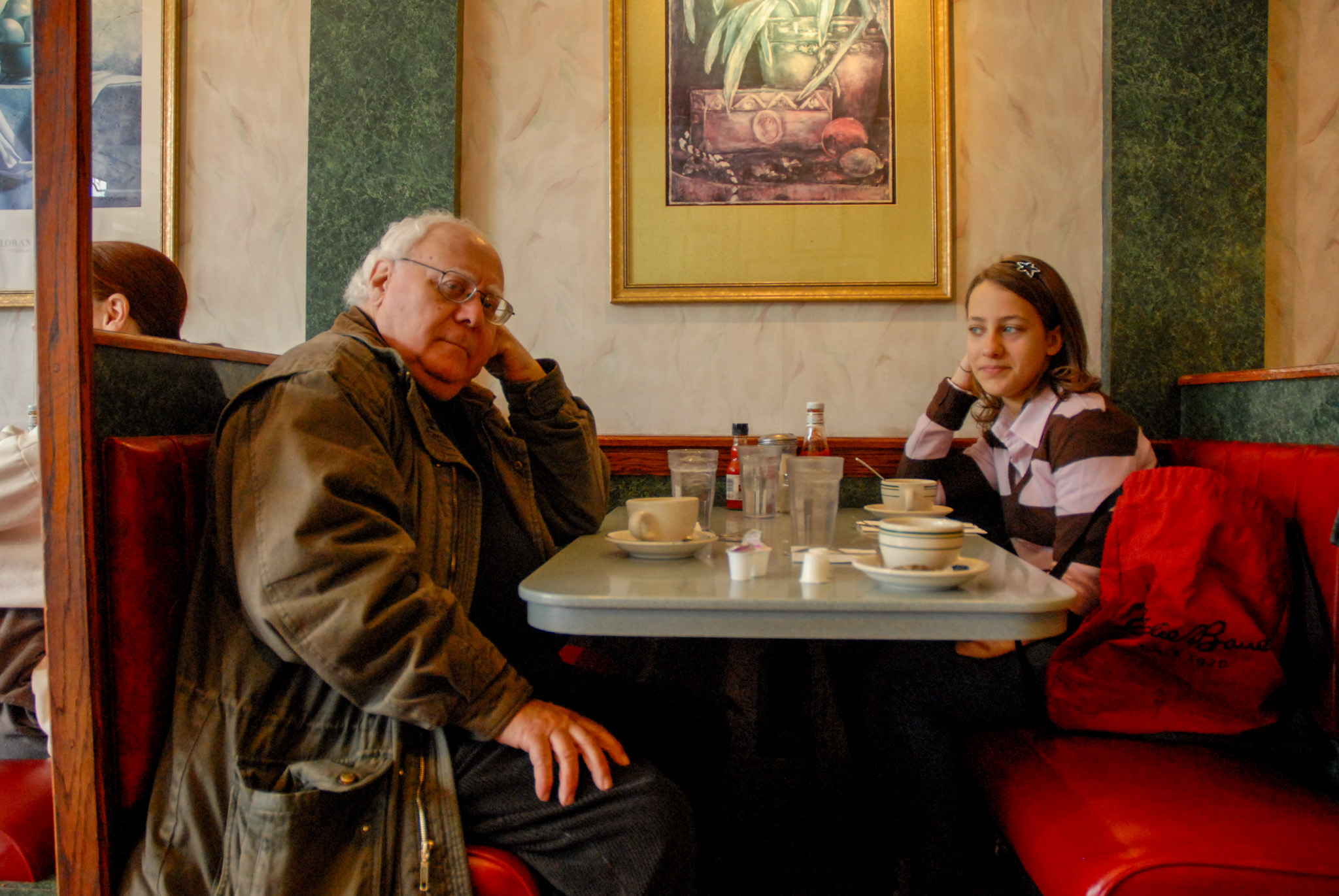
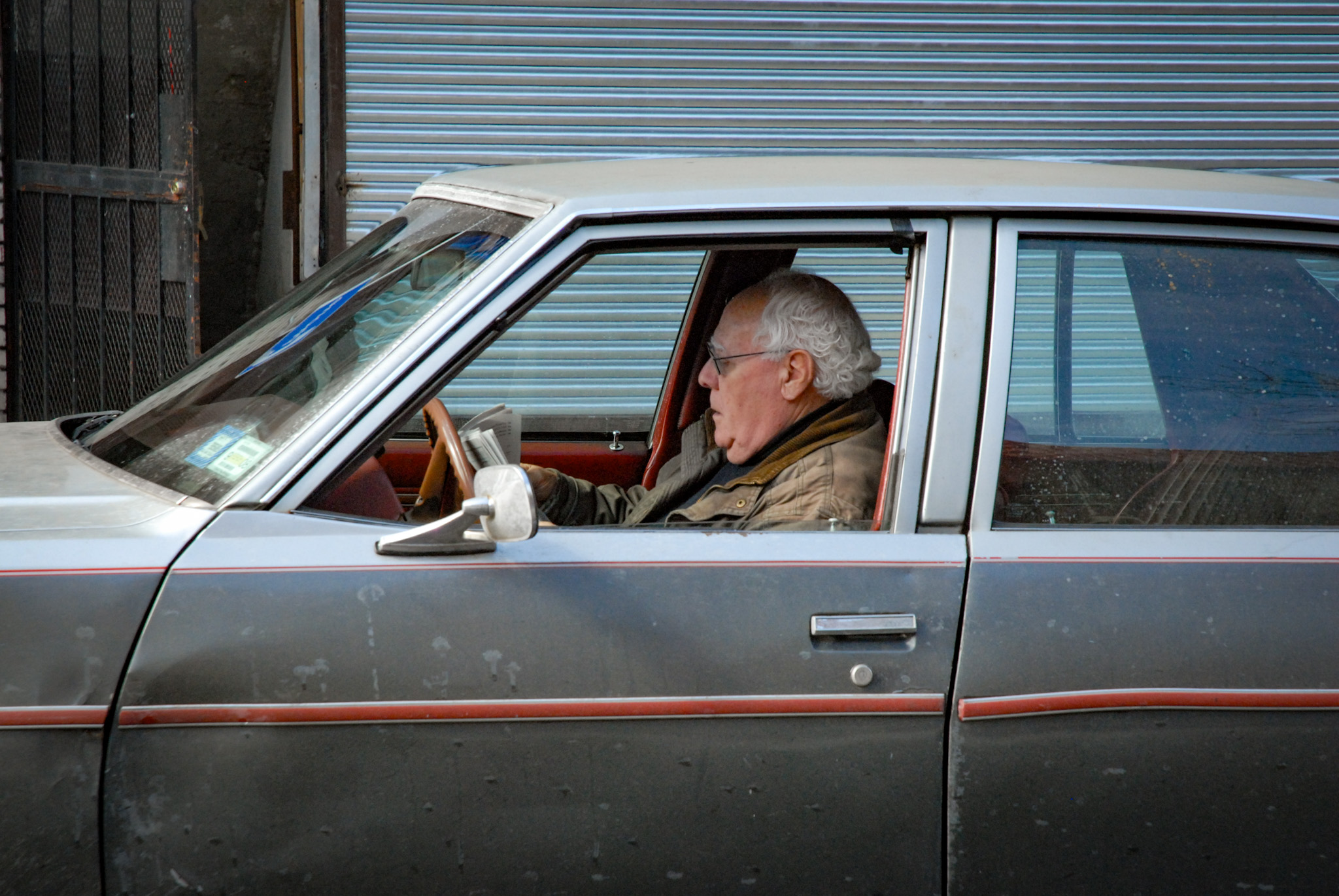
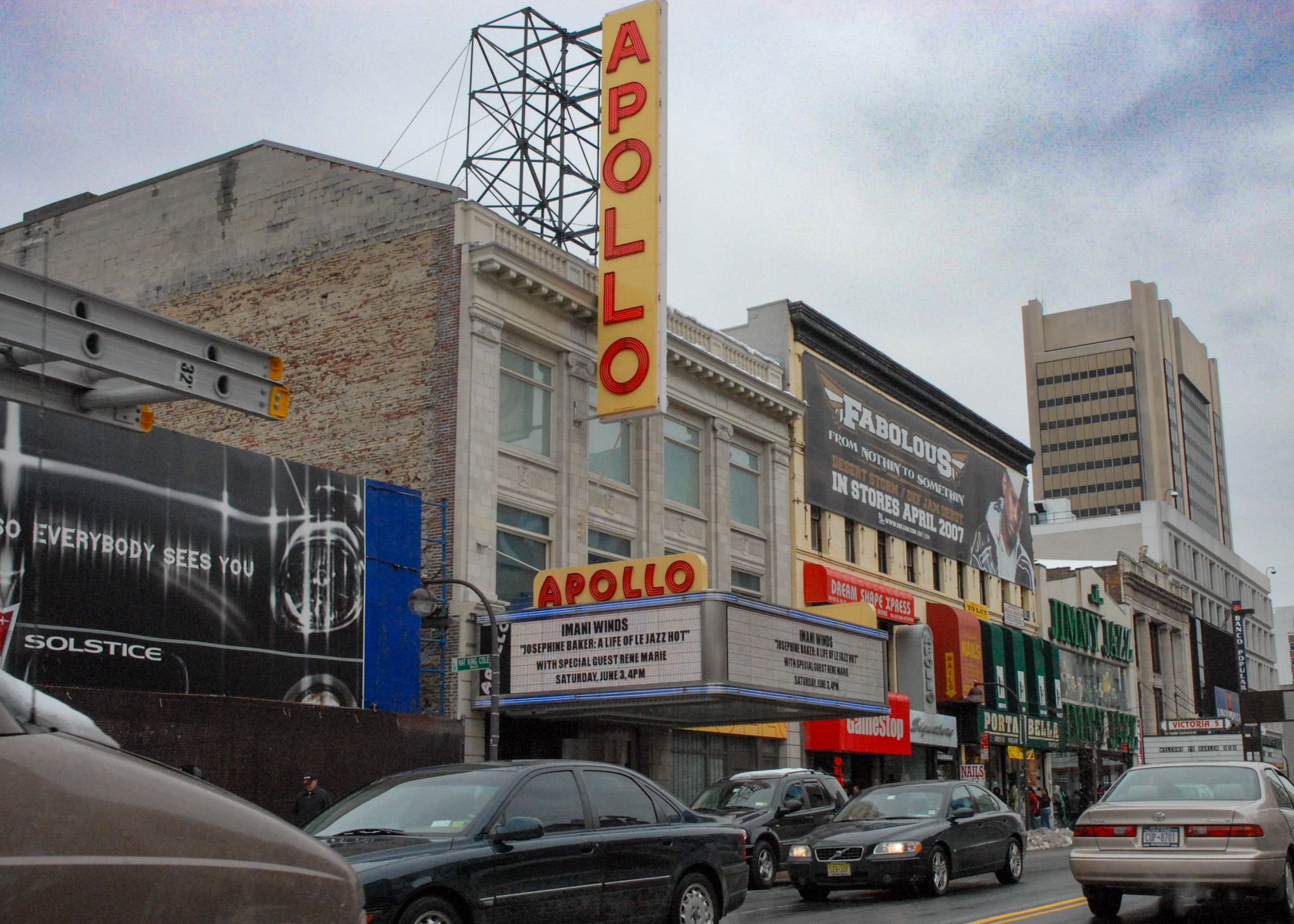
Writing came later, though it had always been there, hovering around his images. His essays and short stories—many published on his newsletter and in small New York magazines—read like his photographs looked:
intimate, reflective, occasionally melancholy but never cynical. He wrote about street vendors, subway musicians, washed-out signs on laundromats, and friends who came and went like the seasons. In his words, even the city’s noise had rhythm.
Carlo had a sharp wit and a gentle soul. Conversations with him drifted easily from art to philosophy to jazz, always returning to the question of why we look. “Photography,” he once told me, “isn’t about what’s in front of the camera—it’s about what
stays with you when the shot is gone.” That sentence has followed me for years.
He never sought fame. Yet those who stumbled upon his work often felt an immediate connection. His portraits of
street cleaners, aging jazz players, or couples smoking outside diners spoke quietly but deeply—an antidote to the loudness of everything else.
In later years, Carlo began teaching part-time workshops for young photographers. He urged them to walk without maps, to observe before composing, and to resist the temptation of instant results. “
Film slows you down,” he’d say. “And slowness, in a world that worships speed, is the last form of rebellion.”
His passing left a silence that feels heavier than the city’s
noise. But his presence remains—on contact sheets tucked in drawers, in the grain of his prints, and in the memories of friends who shared long nights talking art, truth, and life over cheap wine in small kitchens.
Carlo Medori lived like he photographed: attentively, humbly, with an open heart. For him, every frame was a way to connect, to
remember, to make sense of time slipping by. And for those of us who were lucky enough to know him, his vision still lingers—soft,
human, and unfiltered—like the glow of a streetlamp on a quiet New York night.
I met Carlo in the mid-’70s, during my very first visit to New York City. Later, in the early ’80s, while I was working in Manhattan, I spent some good time learning the rhythms of street life with him. The last time Carlo and I met was at the end of March 2007.
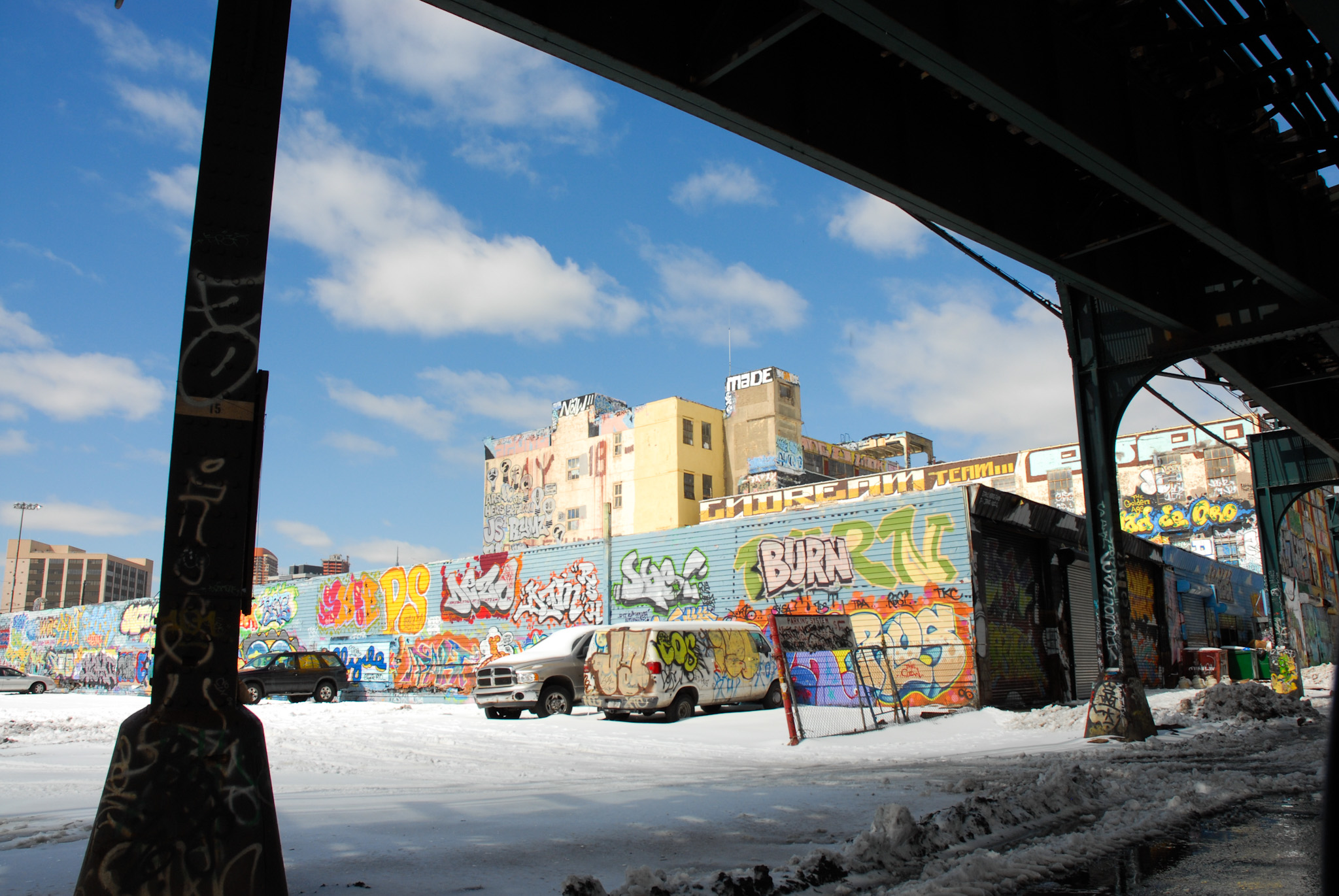
My daughter Cami and I landed at JFK in the middle of an unusual late snowstorm. The next day, under a beautiful clear sky, he picked us up in his Oldsmobile Delta 88 — if I remember correctly the brand of his old car — and we drove across New York City’s five boroughs, chatting, swearing, and laughing as if life were nothing but beautiful.
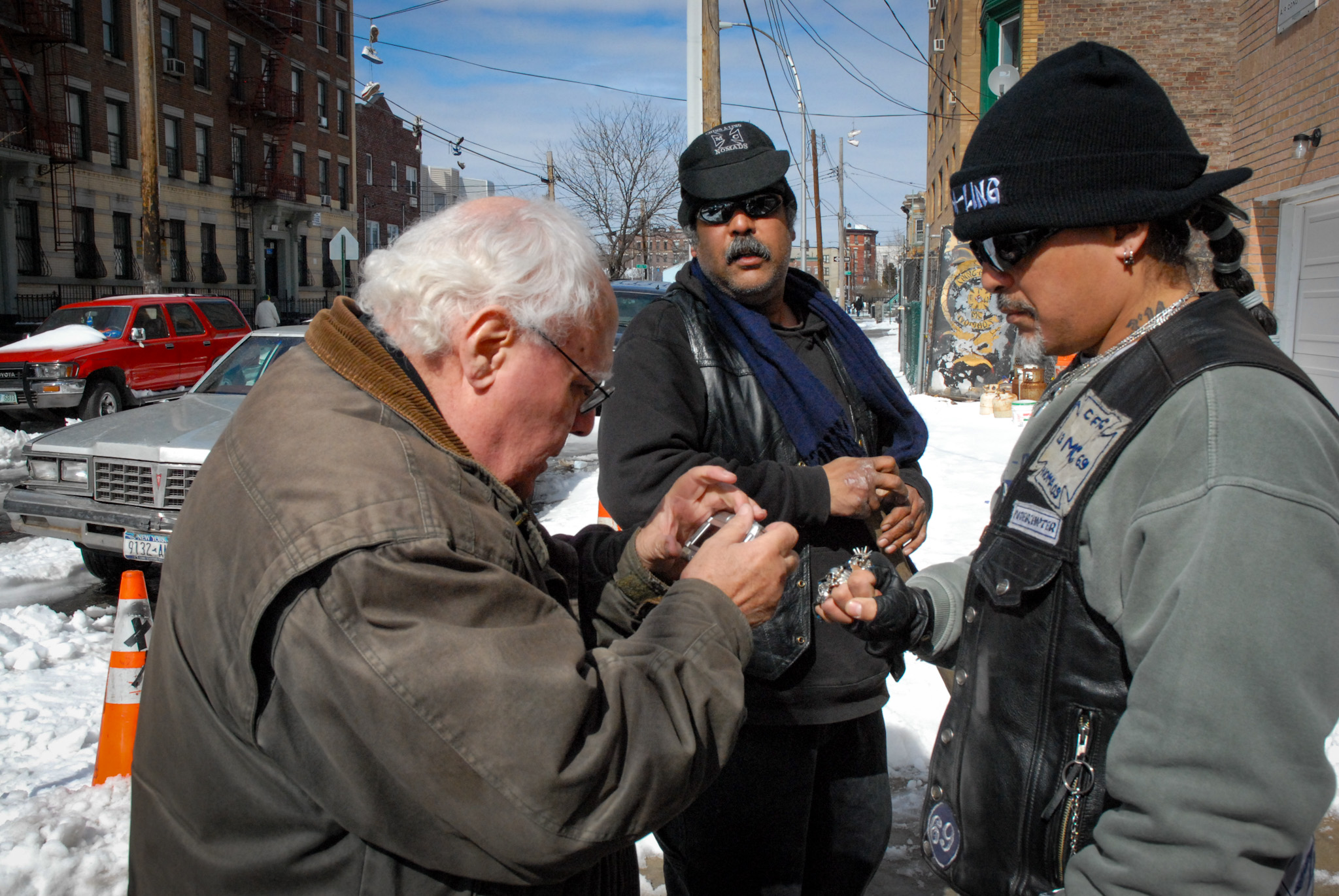
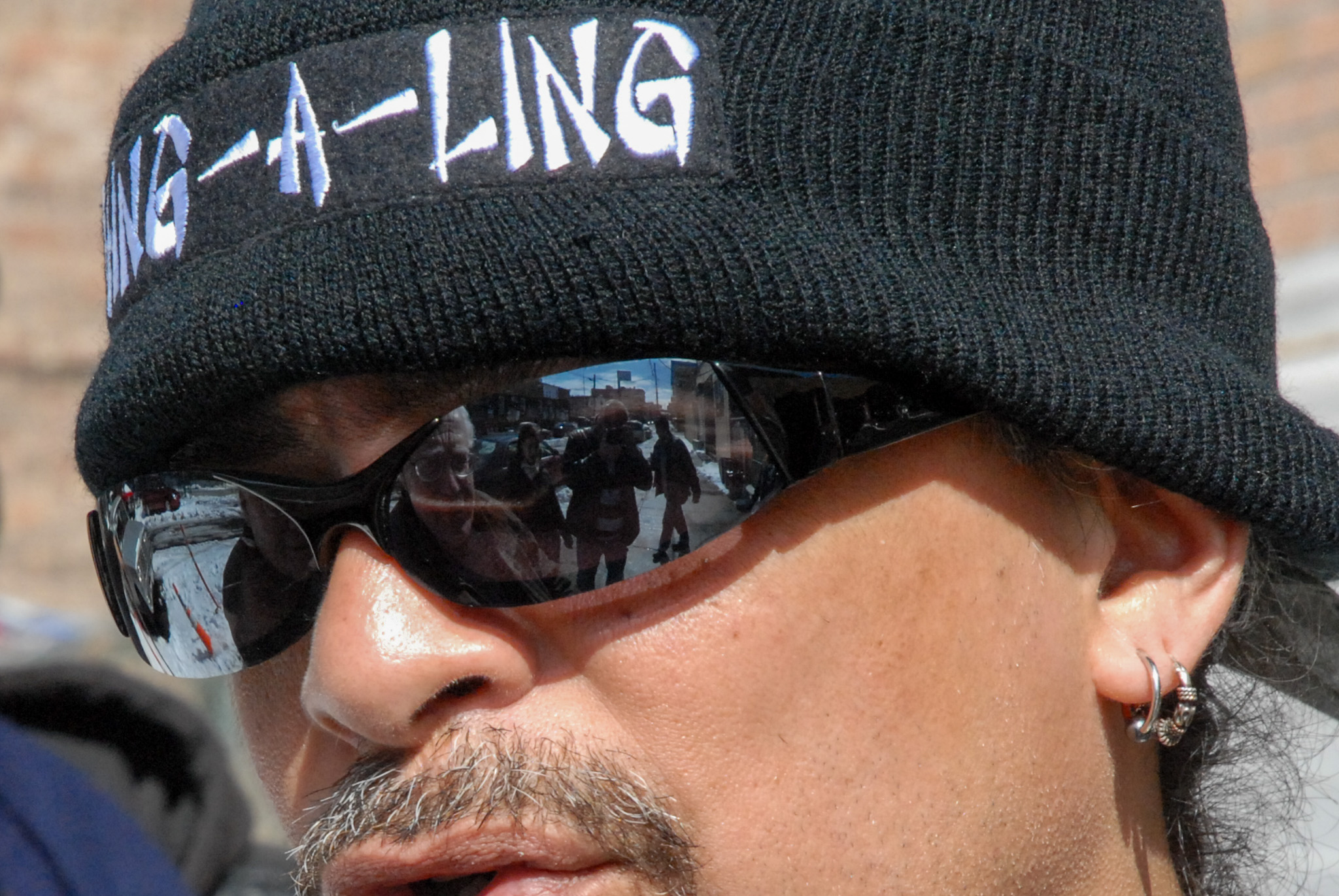
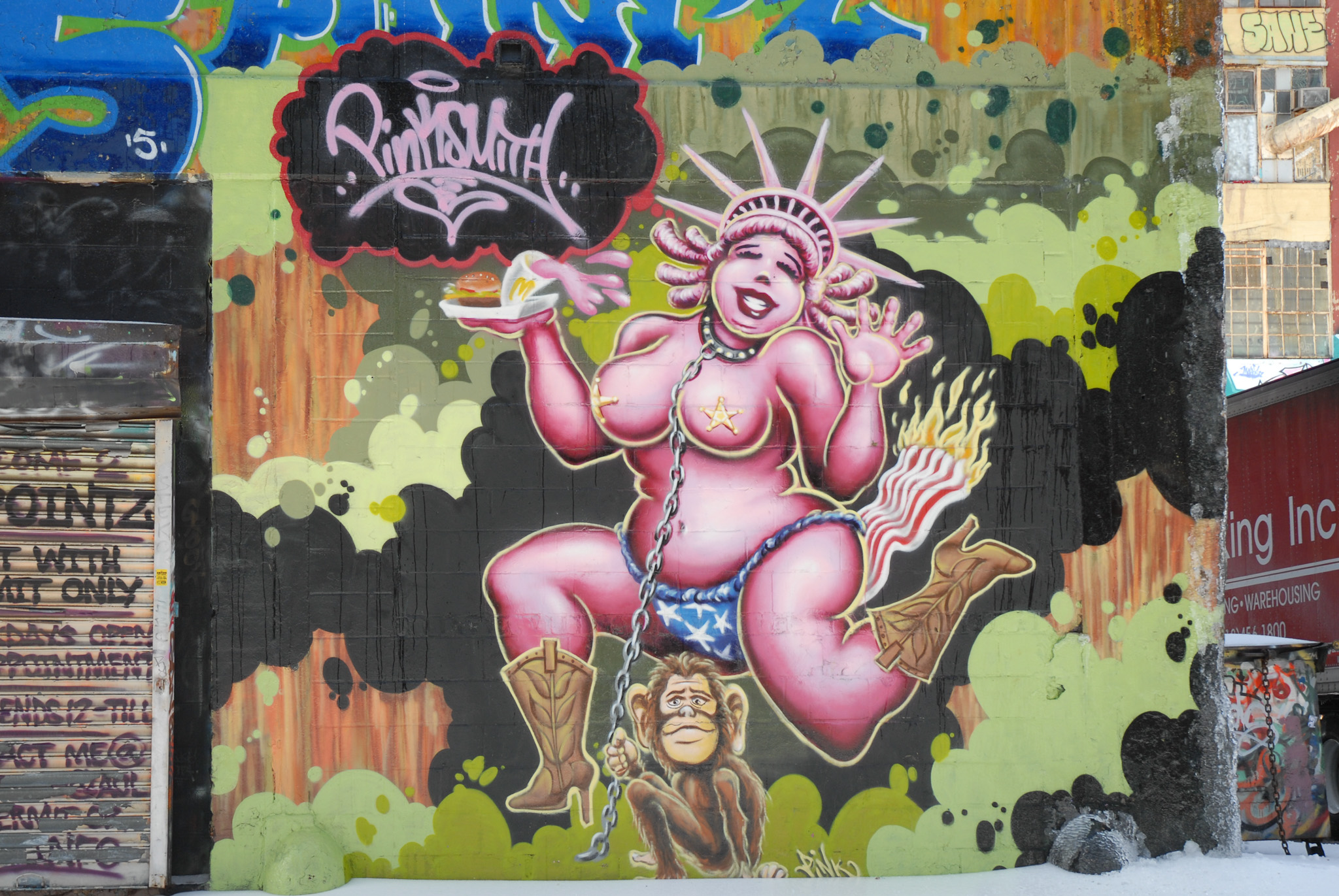
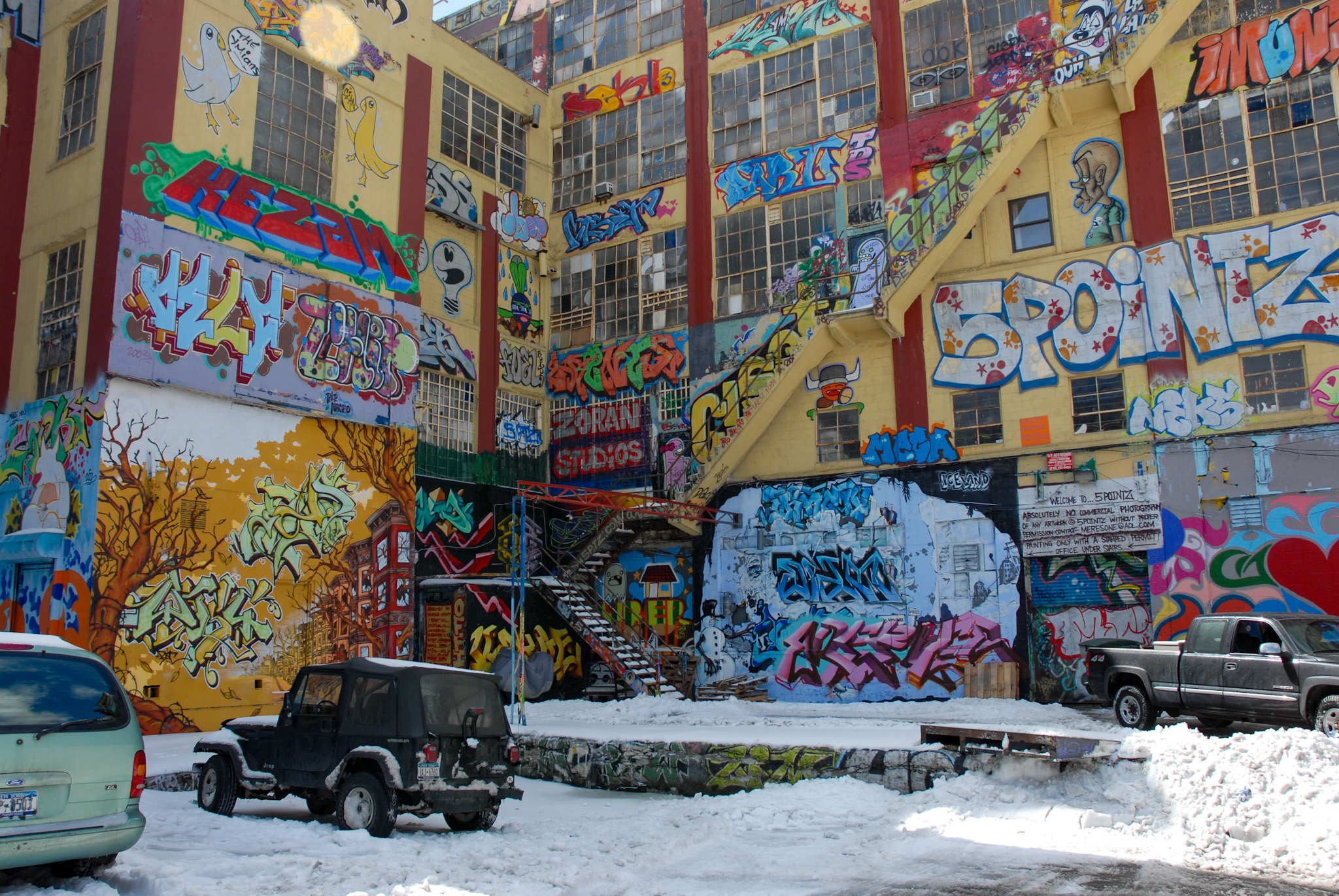
The photos you see here were taken during our stops at Five Pointz and in the Bronx, with a wide-eyed young Cami, discovering New York for the first time. Lou Reed’s “
Walk on The Wild side” was the anthem.
Carlo Medori was a dear friend — before anything else — then
The Man Who Saw Stories in Every Street of NYC.