
In early September 2025, the U.S. military announced that it had conducted a “kinetic strike” against a boat departing Venezuela, allegedly carrying members of the Venezuelan criminal organisation Tren de Aragua. The vessel, the White House claimed, was transporting narcotics bound for the United States; eleven people were killed, and the incident was cast as a showcase of Washington’s renewed war on “narco-terrorists”.
In the months since, the strike has been far from isolated. Subsequent strikes in Caribbean and Pacific waters have killed dozens more and sunk multiple vessels (check this article NYT ). The campaign has been justified by Washington in military-conflict terms: the cartels are now treated as “unlawful combatants” in a non-international armed conflict, the “highest and best use” of U.S. military force.
The administration’s logic hinges on several linked claims. First, that the flow of illicit narcotics constitutes a direct threat to American lives—and therefore that the traffickers are de facto combatants. In the words of Vice-President Vance: “Killing cartel members who poison our fellow citizens is the highest and best use of our military.” Second, that conventional law-enforcement methods have failed and cannot interdict these maritime flows, so the rules of engagement must resemble those of wartime, including the targeting of vessels outside U.S. territory. Vance told a news outlet: “I think the rules of engagement should be similar to what they are in war, because we are, in fact, in a war against these drug cartels.”
Critics, however, note that these fatal strikes—carried out in international waters or off the coast of Venezuela—lack due process, and that the evidence linking the vessels to specified traffickers is opaque. International-law experts call them extrajudicial killings.
By turning suspected traffickers into “enemy combatants”, Washington bypasses judicial norms of arrest, trial and conviction. In doing so, the campaign aligns with Vance’s election-campaign posture: a muscular, militarized reading of national security where the border and the sea are battle-zones.
Vance, selected as running-mate for Donald Trump, entered the 2024 campaign emphasizing an assertive foreign policy shift—despite earlier isolationist leanings. His messaging stated that U.S. forces should be unleashed “against the cartels” and linked the crime issue directly to the homeland. By the summer of 2025, as the boat-strike campaign took shape, Vance emerged in public statements as a key articulator of the policy change, defending lethal force, and binding it to electoral themes of “protecting our citizens” and “crippling the narco-threat”.
Moreover, Vance has repeatedly denounced the regimes of Cuba and Venezuela. His campaign rhetoric portrayed them as complicit in trafficking and anti-American subversion. While the exact statement put them in the same ideological bin, his broader alignment with the campaign’s militarised approach to Venezuela signals a convergence: the war-on-drugs narrative, regime-change ambition, troop and warship deployments — all feed the electoral narrative that the U.S. is “taking back the seas” and protecting its people.
By recasting maritime drug-trafficking as armed conflict, and by endorsing pre-emptive lethal strikes, the administration is not merely escalating counternarcotics policy: it is entering a grey zone of military operations that straddle war and policing. The paradox is that while the boats are small, the hardware—destroyers, warships, carrier deployments, special operations—looks like state-on-state conflict. Analysts note that the primary drug threat into the U.S. is land-based (from Mexico), calling into question whether the Caribbean maritime mission is principally about drugs or about strategic pressure on Caracas. For a good reference, NYT has analyzed the drug-trafficking routes in this article.
This is a case study in how great-power security narratives, campaign politics and extrajudicial frameworks can converge. It raises questions of the legality of force, democratic oversight, and the transparency of the link between domestic electoral messaging (via Vance) and foreign-policy decision-making.
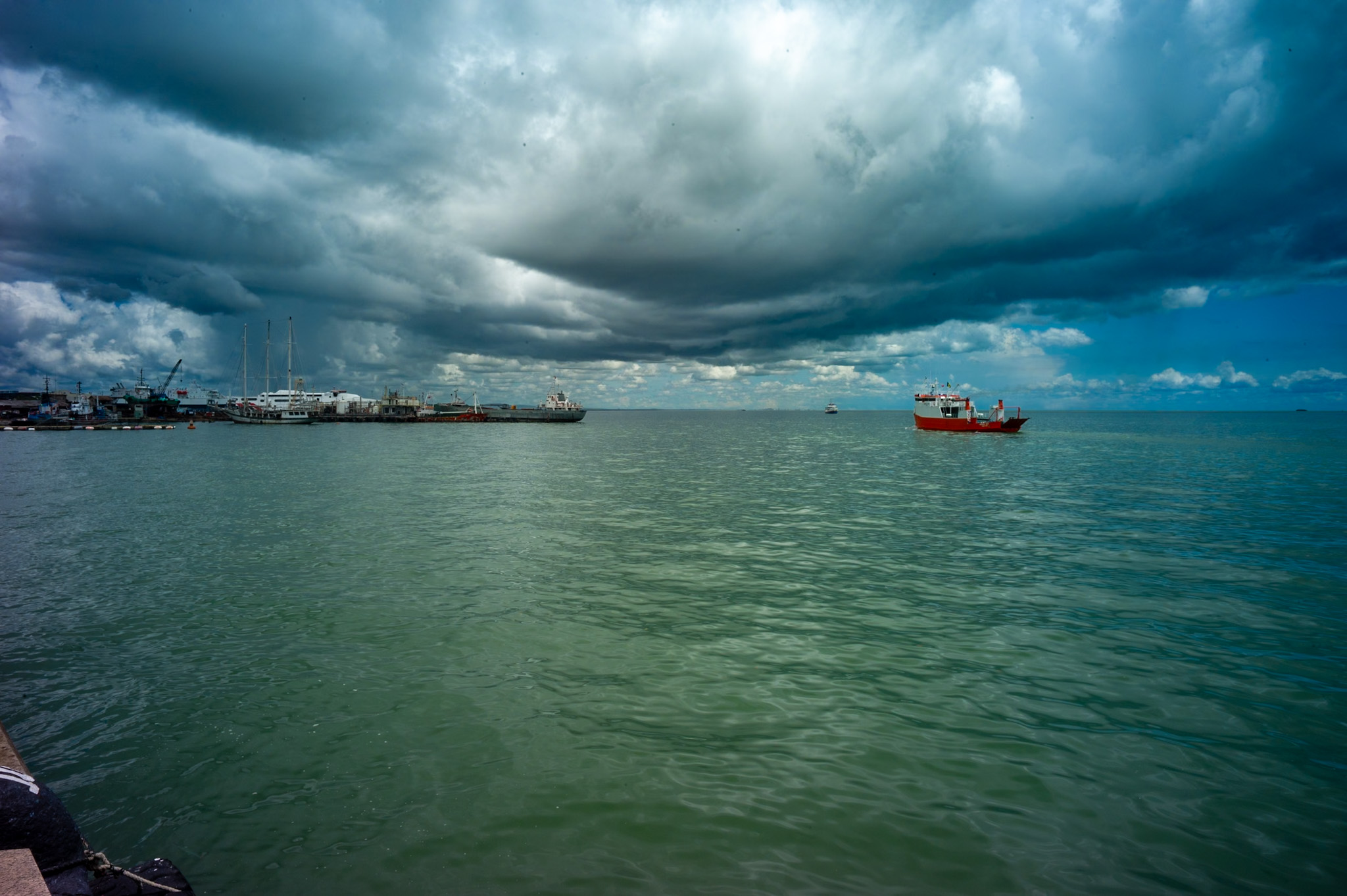
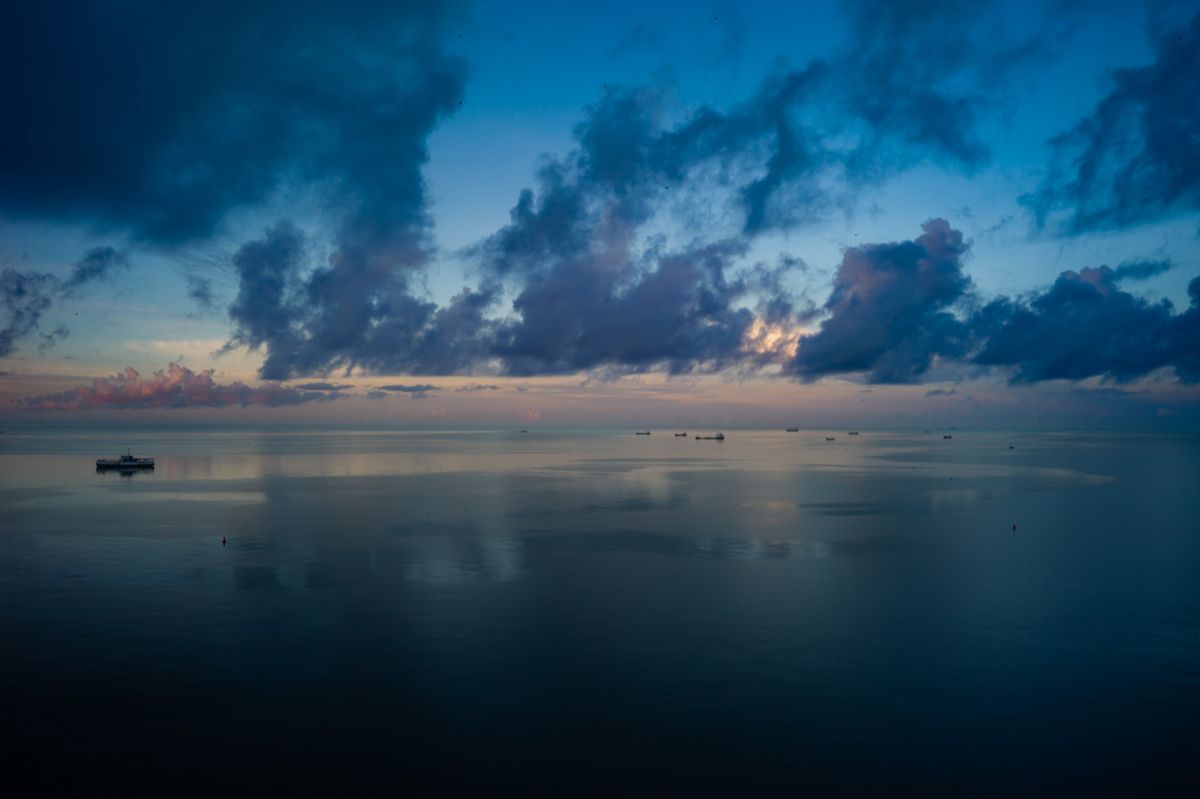
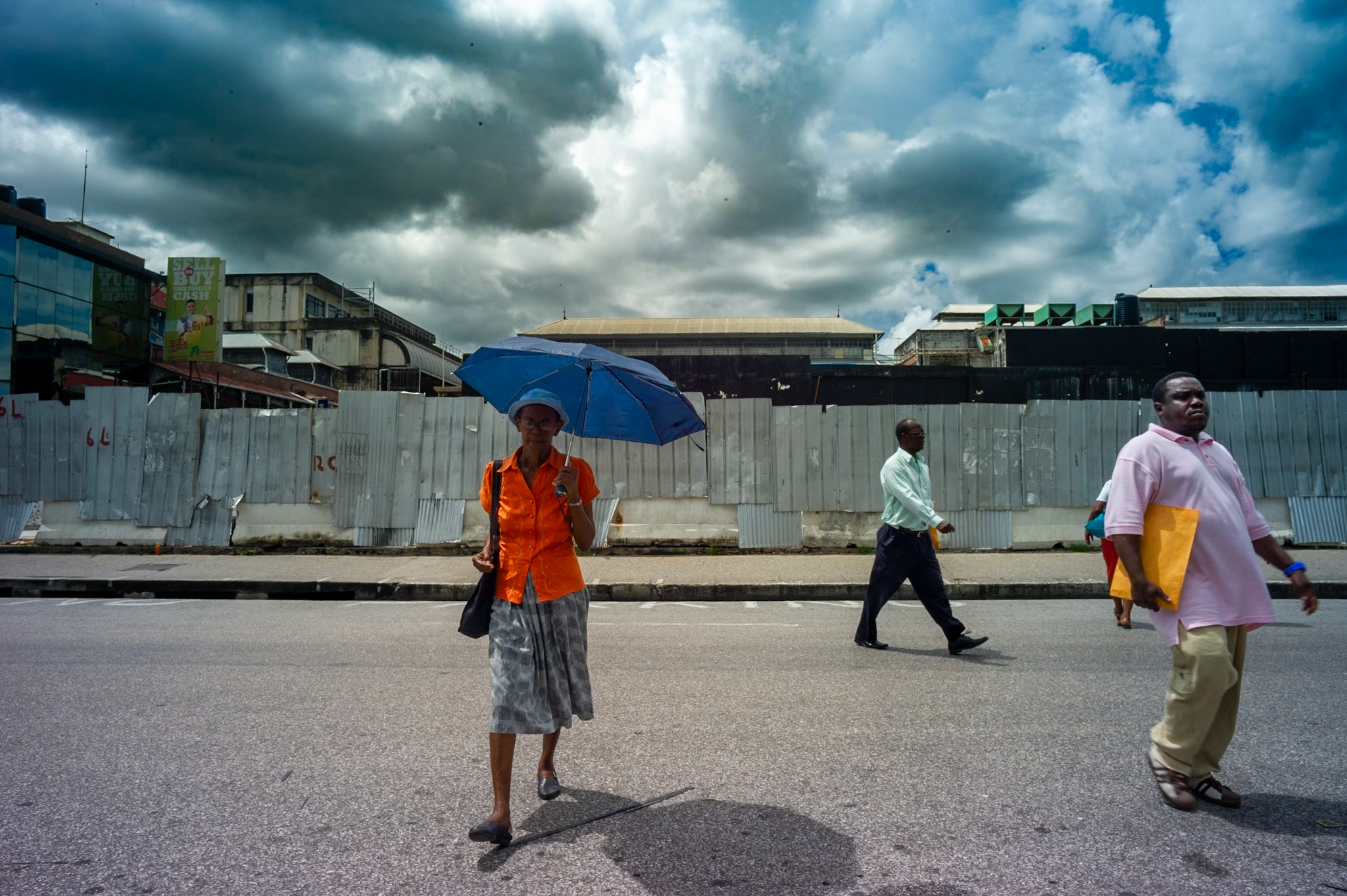
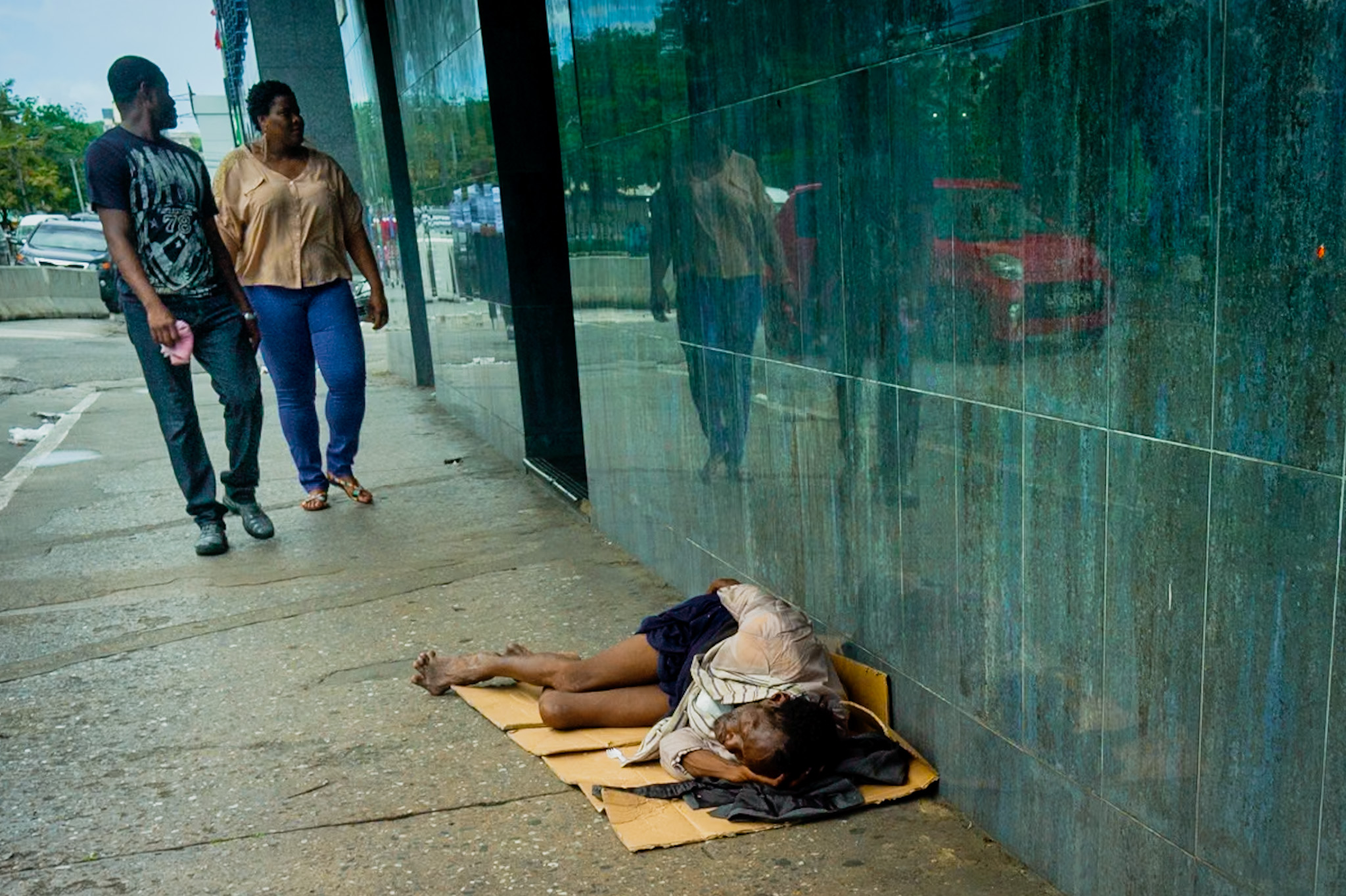
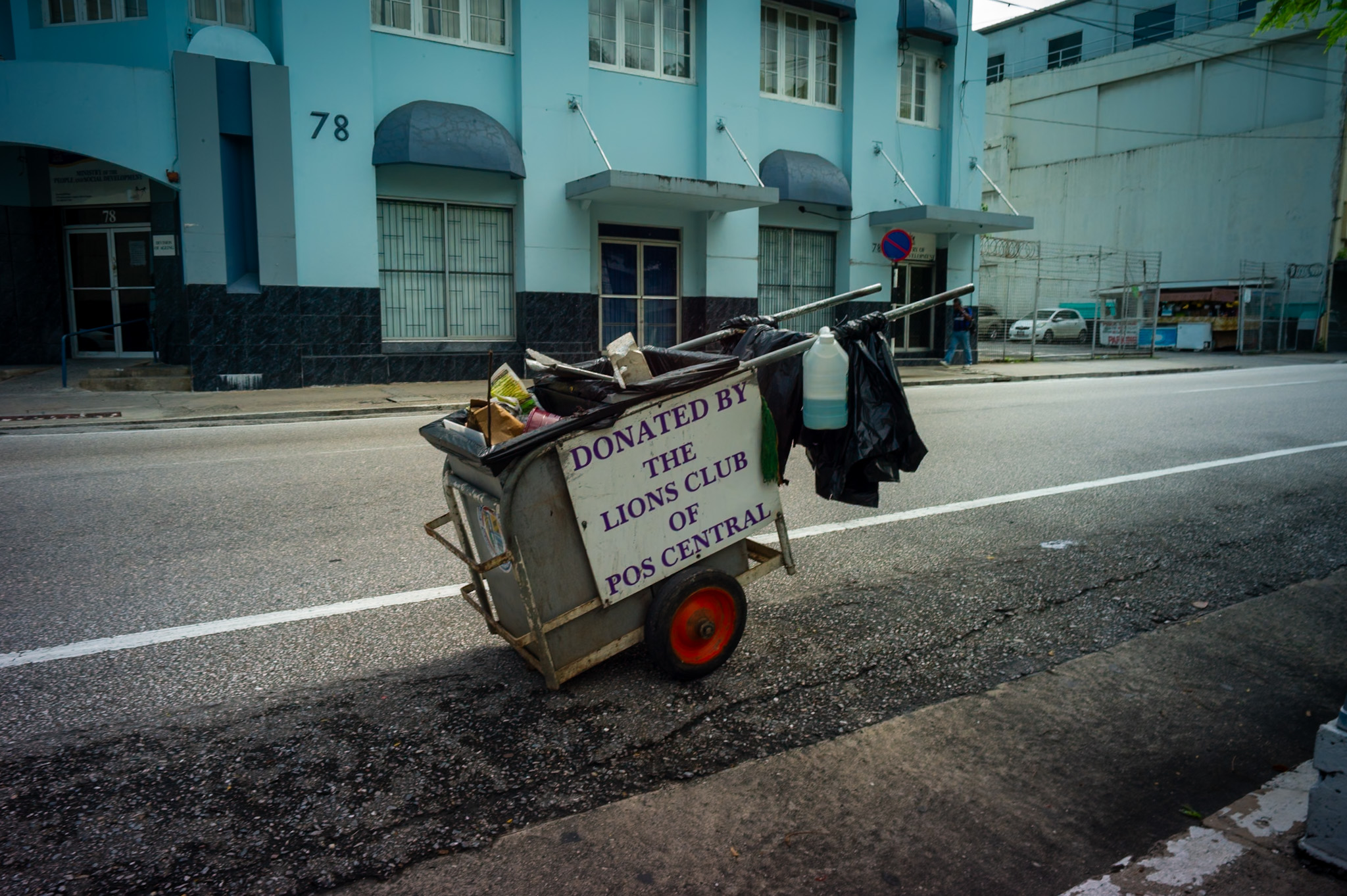
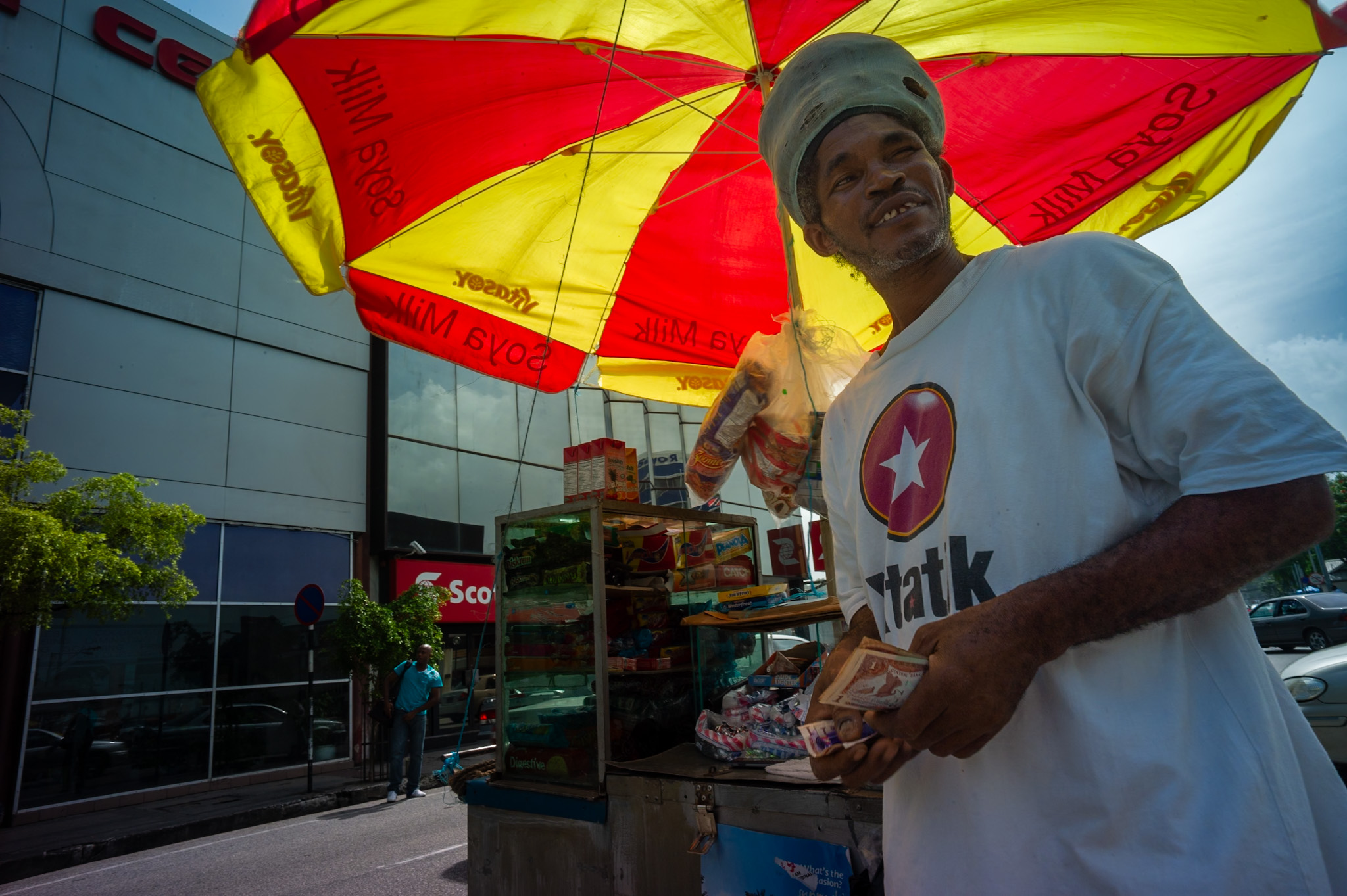
I read that the largest American aircraft carrier, deployed in support of this operation, is now anchored off Trinidad. I was in Trinidad & Tobago back in 2012 for work, before flying on to Panama and getting lost in its barrios. I took a few shots there with my Leica M9 and an old vintage Super Angulon lens.