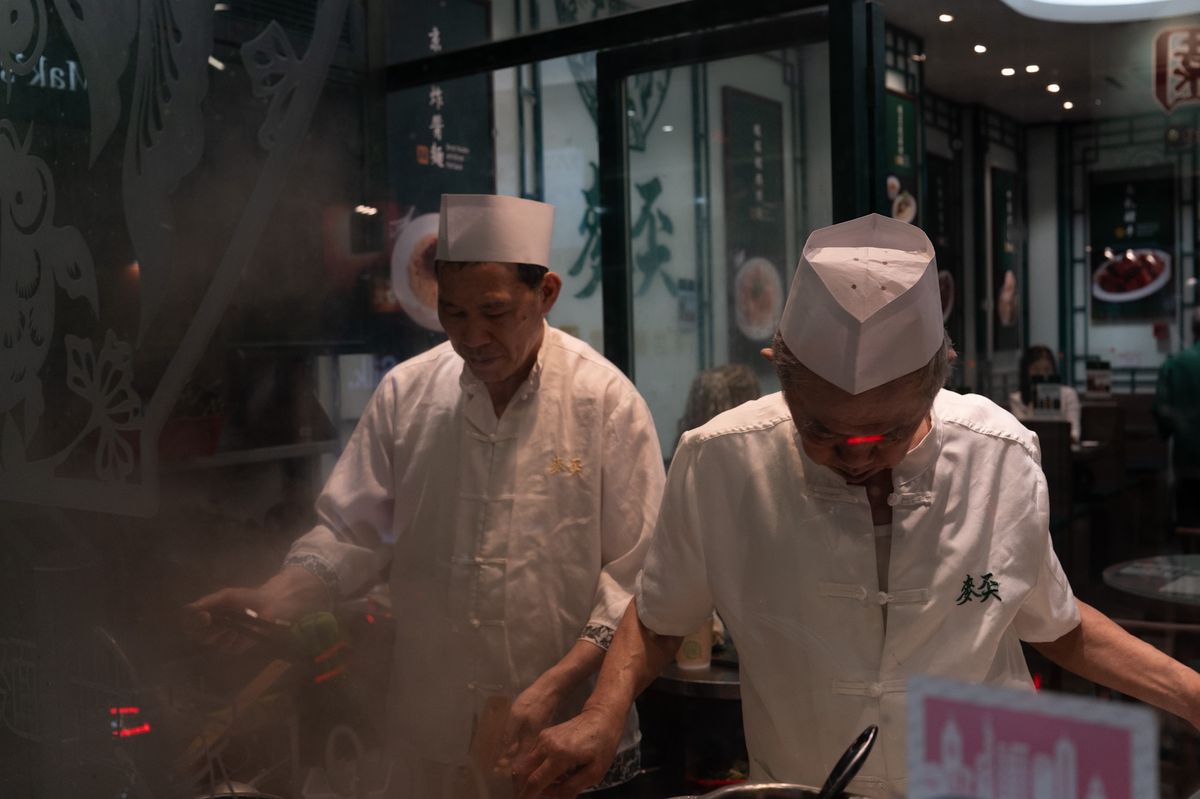
Hong Kong now looks unlike itself. Once celebrated as a freewheeling meeting place of East and West, its skyline still gleams, but its public sphere has been
recalibrated, its arts reined in, and its democratic hopes increasingly subject to control. The territory is undergoing not just political realignment, but a deep and massive
cultural redefinition— one in which creativity, dissent and identity are contested terrain.
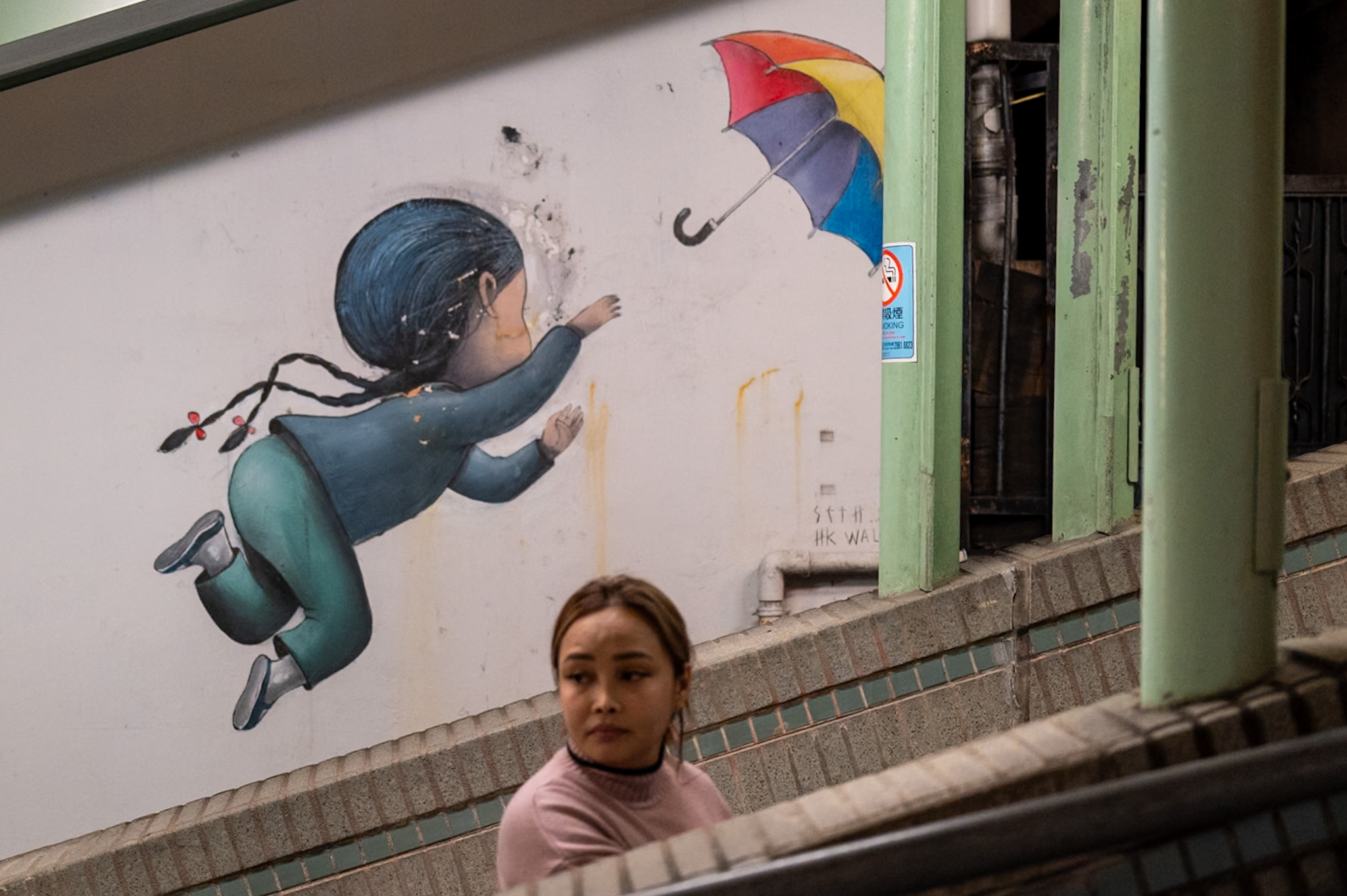
The 2019–20 pro-democracy movement saw Hong Kong’s streets become canvases. “Lennon Walls” stuffed with Post-it notes, satirical banners, staged installations and protest music became part of a visual social contract between city and citizen. Artists turned everyday objects —
umbrellas, graffiti, even origami cranes — into symbols of resistance. But those bright strokes now fade under shadow.
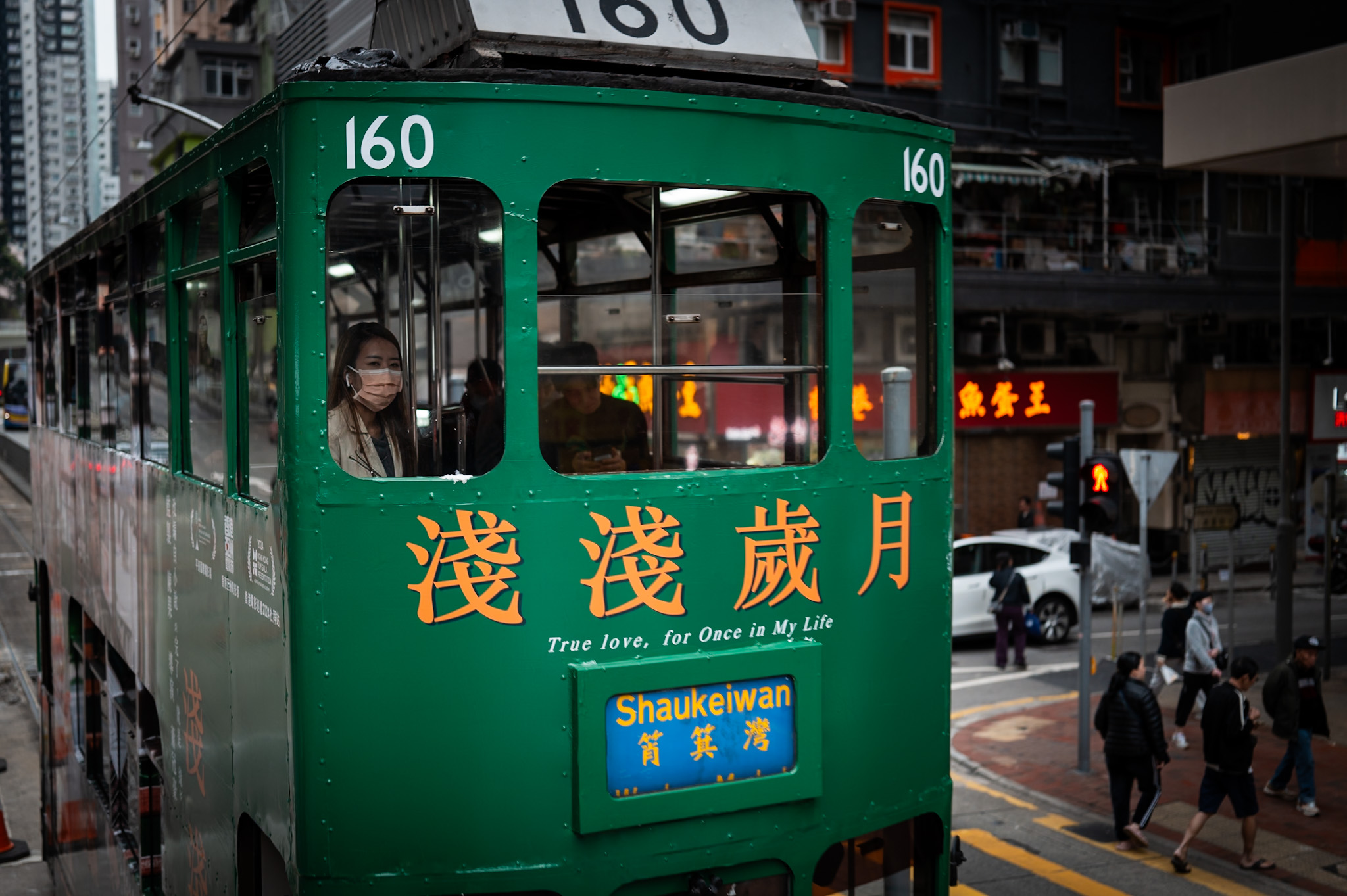
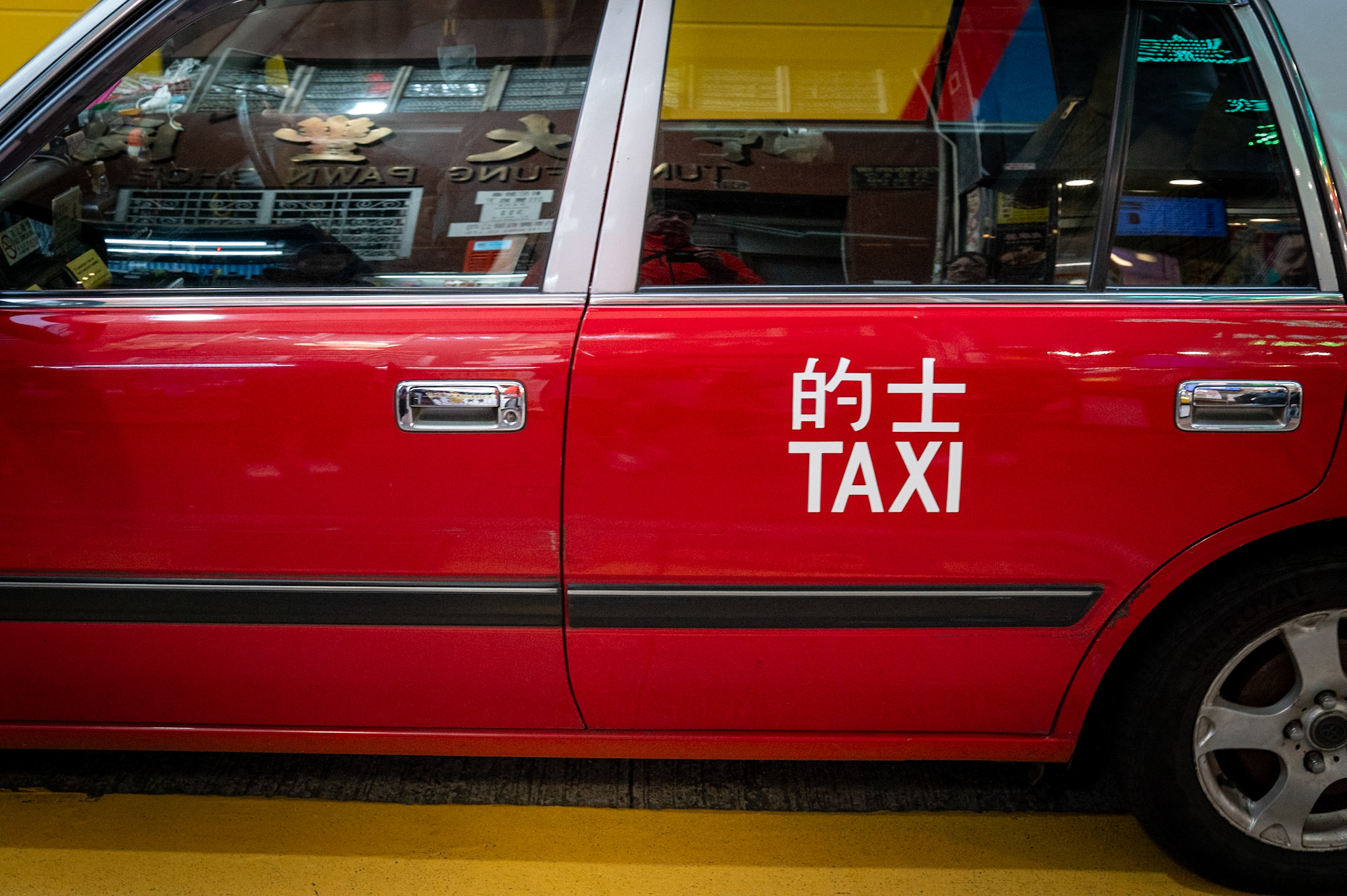
With the passage of successive national security laws, cultural space has steadily
shrunk. The 2024 Safeguarding National Security Ordinance broadened definitions of subversion and sedition, triggering fear that any work seen as critical might invite criminal consequences. Artists report receiving warnings, leaving Hong Kong prematurely, or shifting to
self-censorship. Public institutions have purged books, altered museum layouts, or removed works deemed ideologically sensitive. Some high-profile works tied to contentious memory — such as the “
Pillar of Shame” at the University of Hong Kong commemorating Tiananmen — have been quietly dismantled. The effect is not always explicit bans but a climate of uncertainty: funders, galleries and artists now engage in anticipatory restraint.
Yet Hong Kong still retains key advantages in the global art economy: its duty-free status, financial infrastructure, and logistics make it a pivot point for galleries, auctions and fairs. The tension is that commercial vitality may survive even while expressive boundaries shrink — a model of “constrained openness.”
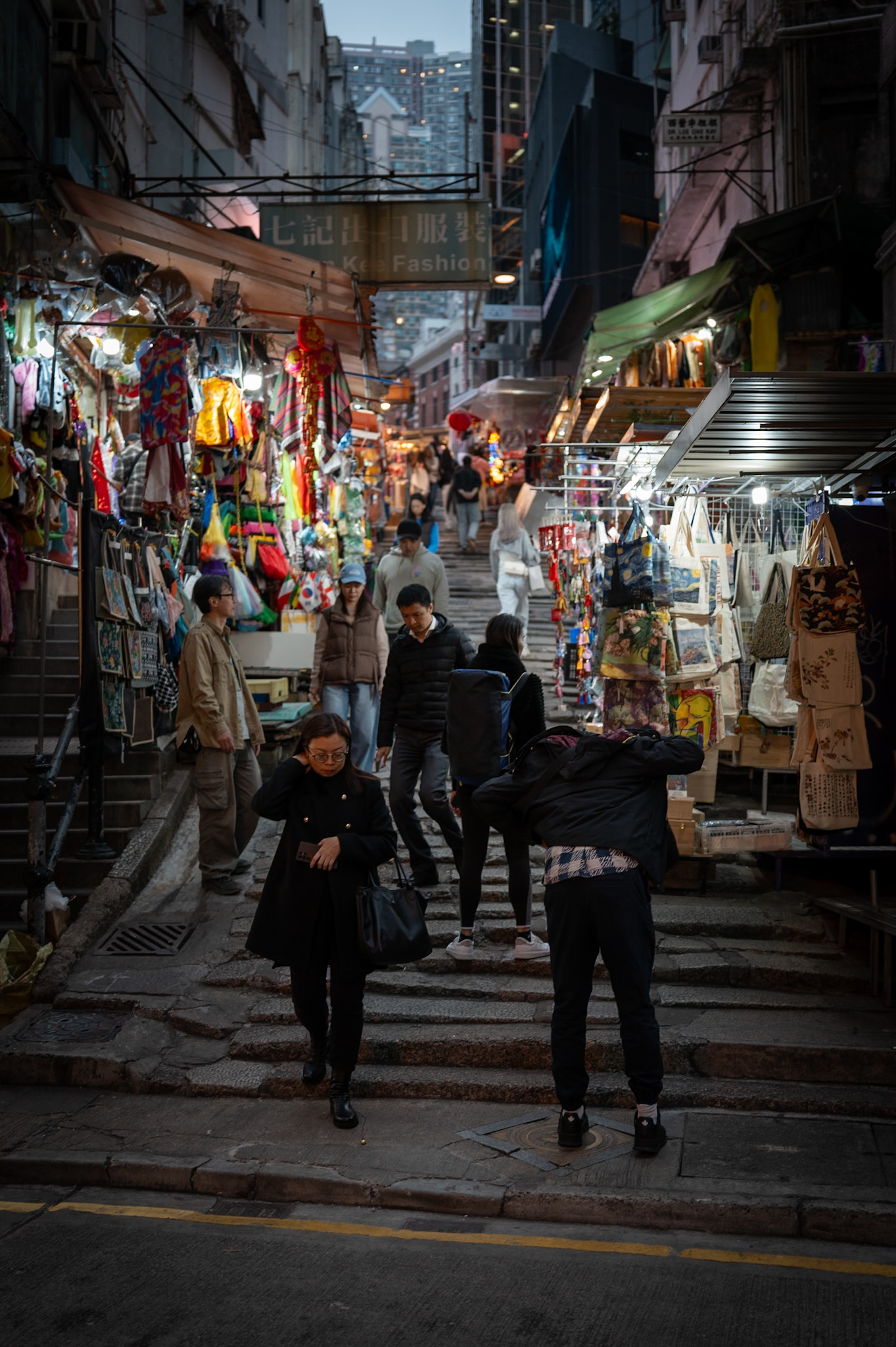
Culture is not just art; it is language, memory and communal narrative. Cantonese, once a marker of local distinctiveness, is under pressure as official education policies tilt toward Mandarin. Authorities have banned the protest anthem “
Glory to Hong Kong”, describing it as a “weapon” against public order. Monuments and memorials linked to pro-democracy memory have been removed or relocated. The “Goddess of Democracy” statue, erected to commemorate Tiananmen, was dismantled in 2021. These are not accidental acts: they signal a reframing of what narratives are permissible.
As
memory is erasedfrom public space, identity can become more fragile. Younger generations, disconnected from protest memory, may find fewer anchors for dissent. The suppressive logic is subtle: not always by brute force, but by pruning the ecosystem of symbols, memorials and shared stories.
Perhaps most stark is the contraction of democratic space. Since the sweeping crackdown after 2019, many pro-democracy lawmakers have been disqualified, jailed or have resigned under pressure. Civil society organizations have folded or restructured. Media outlets have been shuttered. The new version of
Article 23passed in March 2024 strengthens tools to suppress dissent and broadens the scope of sedition and national security offenses. The official line frames it as plugging loopholes and safeguarding stability — but critics warn that it formalizes legal levers to criminalize peaceful speech.
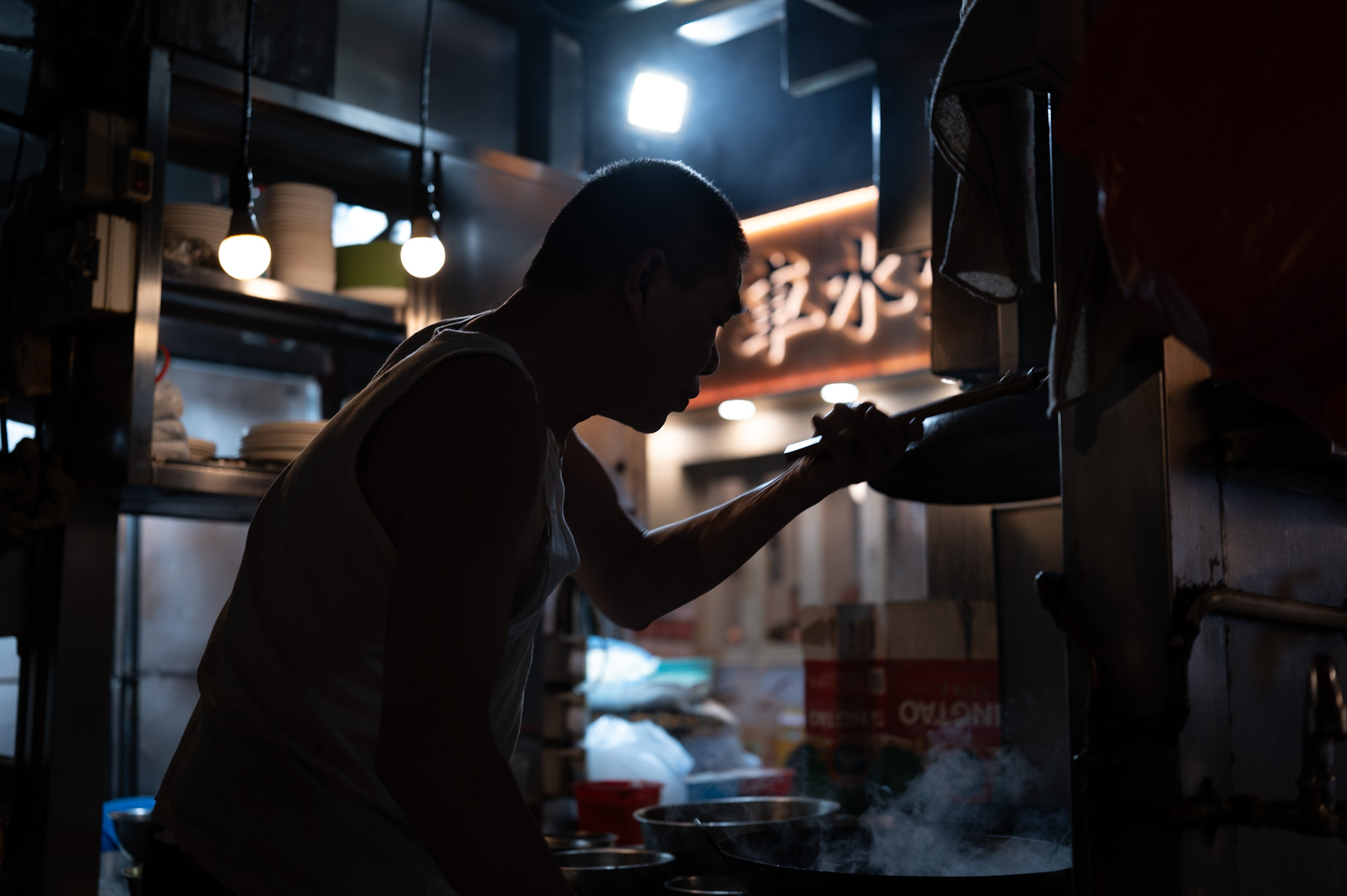
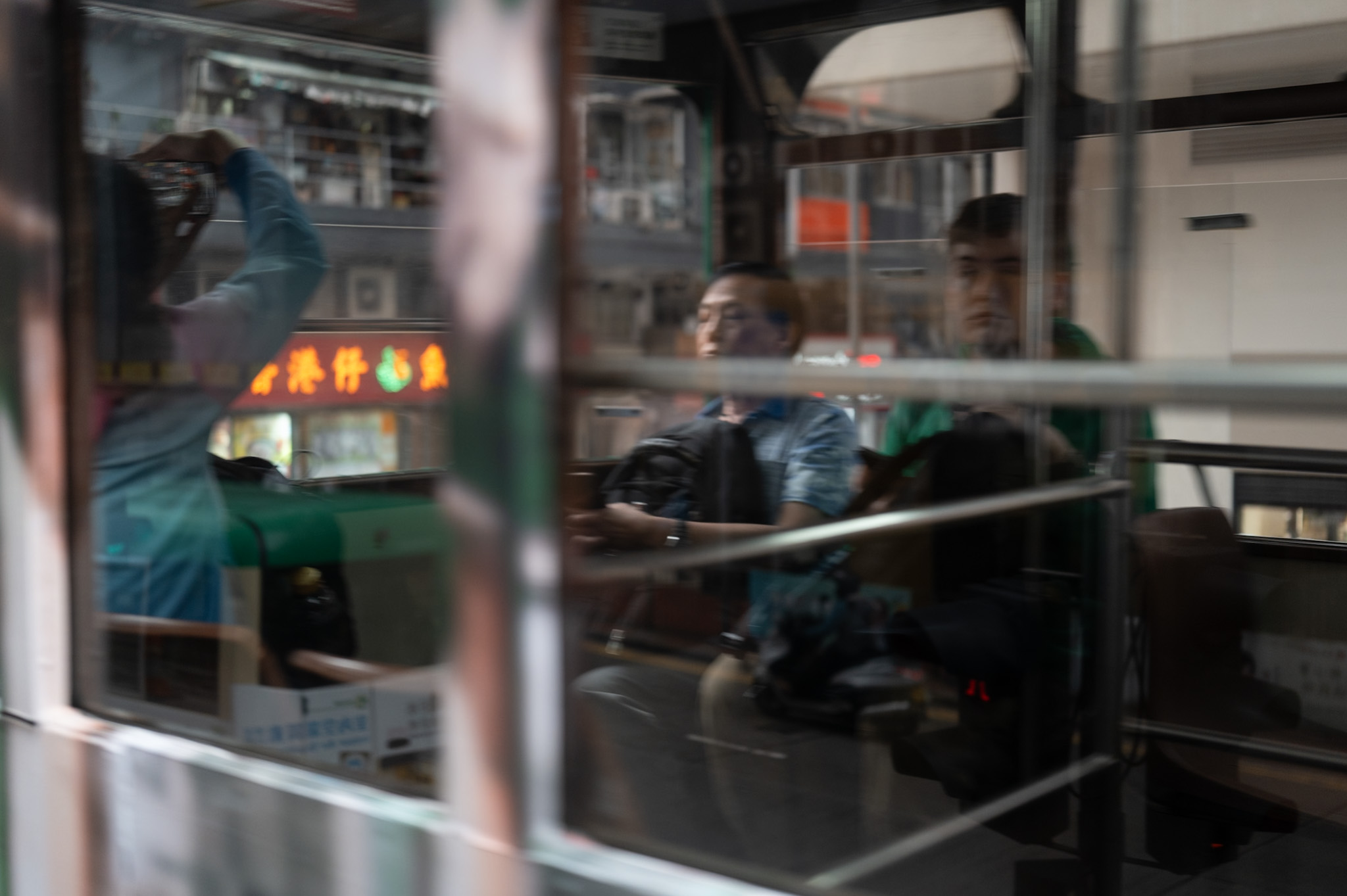
Within this environment, democracy becomes a vestigial memory — a language spoken in libraries and online archives but heavily policed in practice. Those who speak its name must choose: depart, go silent, or risk exposure.
Hong Kong today is both more and less itself. Its towers, markets and art fairs still pulsate. But the civic spirit that once coursed through its streets, its slogans and its murals is increasingly contained. The city now experiments with a constrained cultural liberalism — enough to attract global commerce and tourists, but not enough to tolerate robust
political critique.
The risk is that Hong Kong evolves into a showcase: a place where commerce and soft culture flourish, but where critical voices are at best muffled. Should that be the model, the city may lose not just memory and dissent, but the creative spark that once made it a crossroads of ideas. In the recalibration of Hong Kong, the question is whether culture will be a sop—or a last bastion.
The name of Hong Kong derives from the Cantonese hēung góng,“Fragrant Harbour” or “Incense Harbour”, referring - according to the views - to the fresh waters of the Pearl River, or to the incense factories once rising across Kowloon.
I spent time in HK across over the last 40 years, witnessing changes and friends leaving. Photos in this article are taken during my trip in March 2025, using a
Leica Q43.