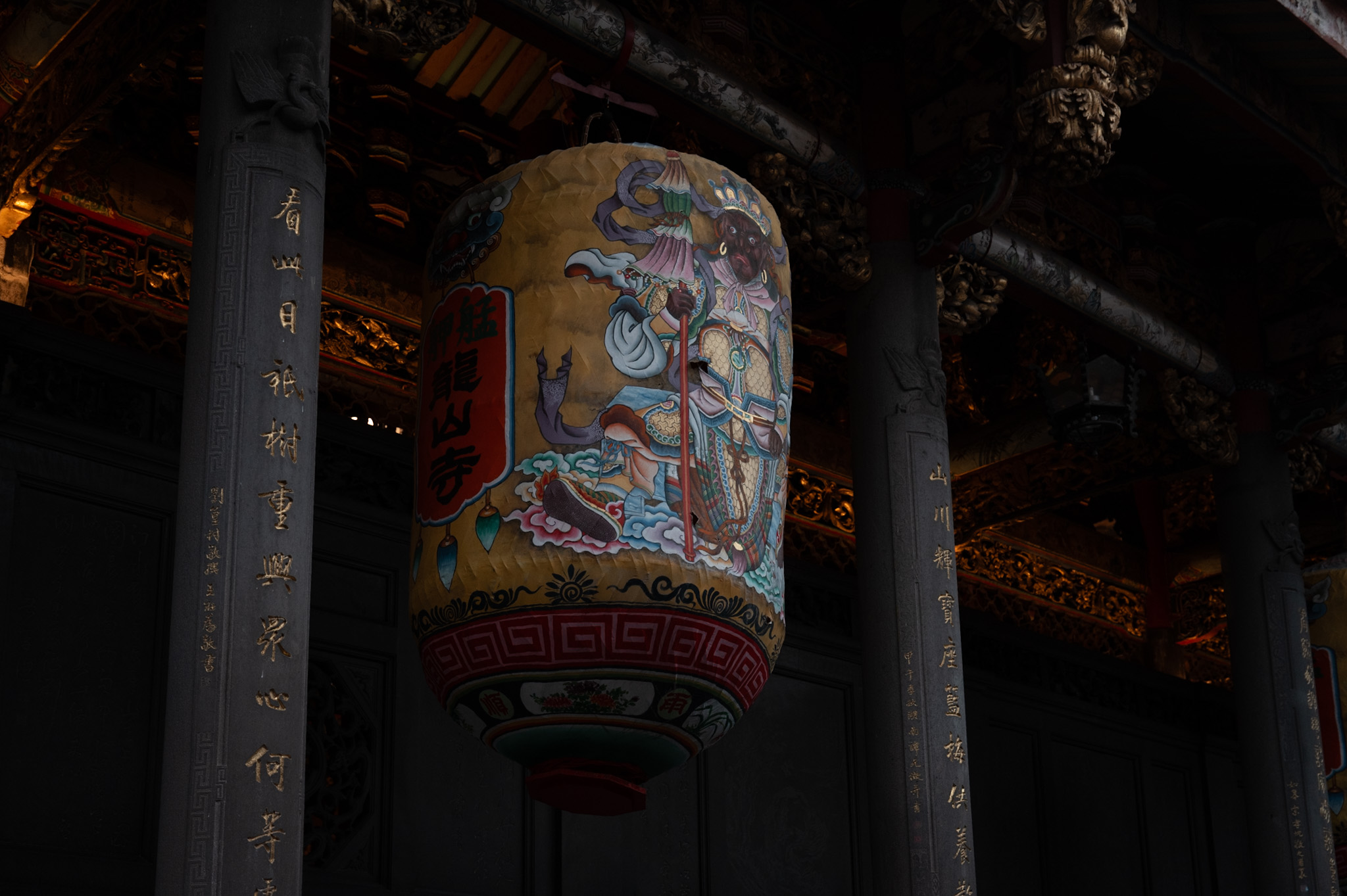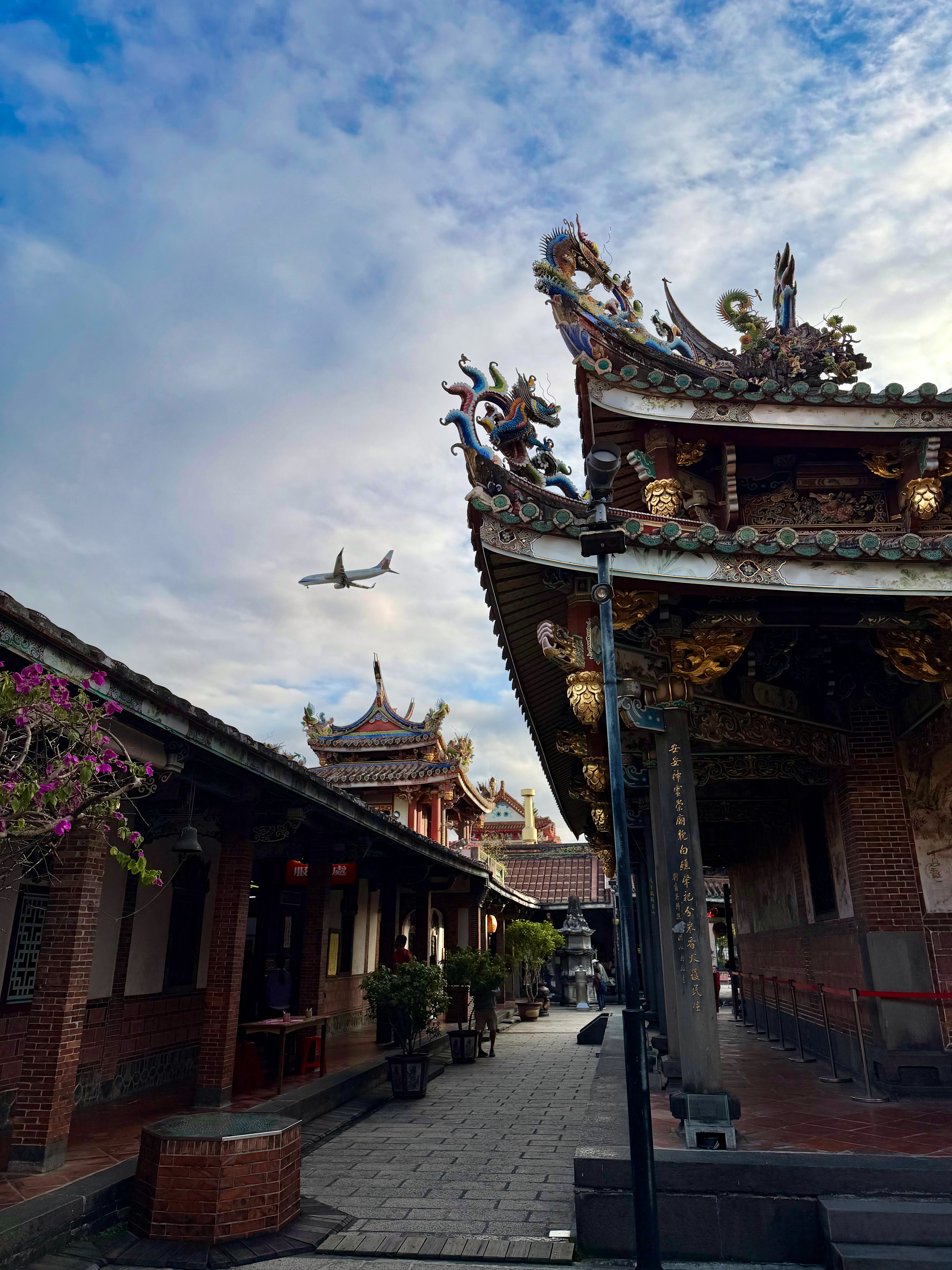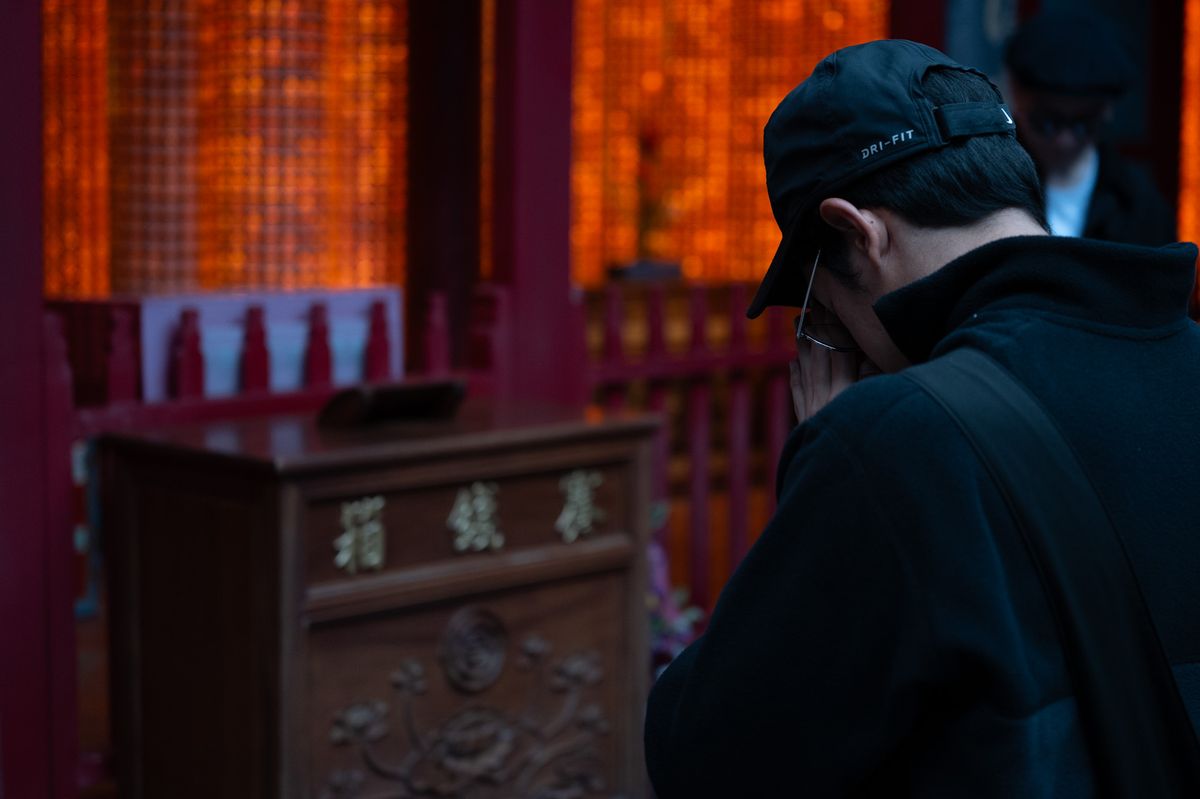

Across Asia, temples are never just buildings. They are breaths of the past rising into the present, places where incense curls like memory, and where belief is expressed not through doctrine but through
movement: slow, deliberate, deeply human. When I walk into a temple, whether in Taipei, Bangkok, Hanoi or Kyoto, I feel the same quiet pull: the sense that faith here is not owned, not shouted, not weaponized. It
simply exists, woven into daily life like the smoke drifting upward from a bronze burner.
In Taipei, the entrance to
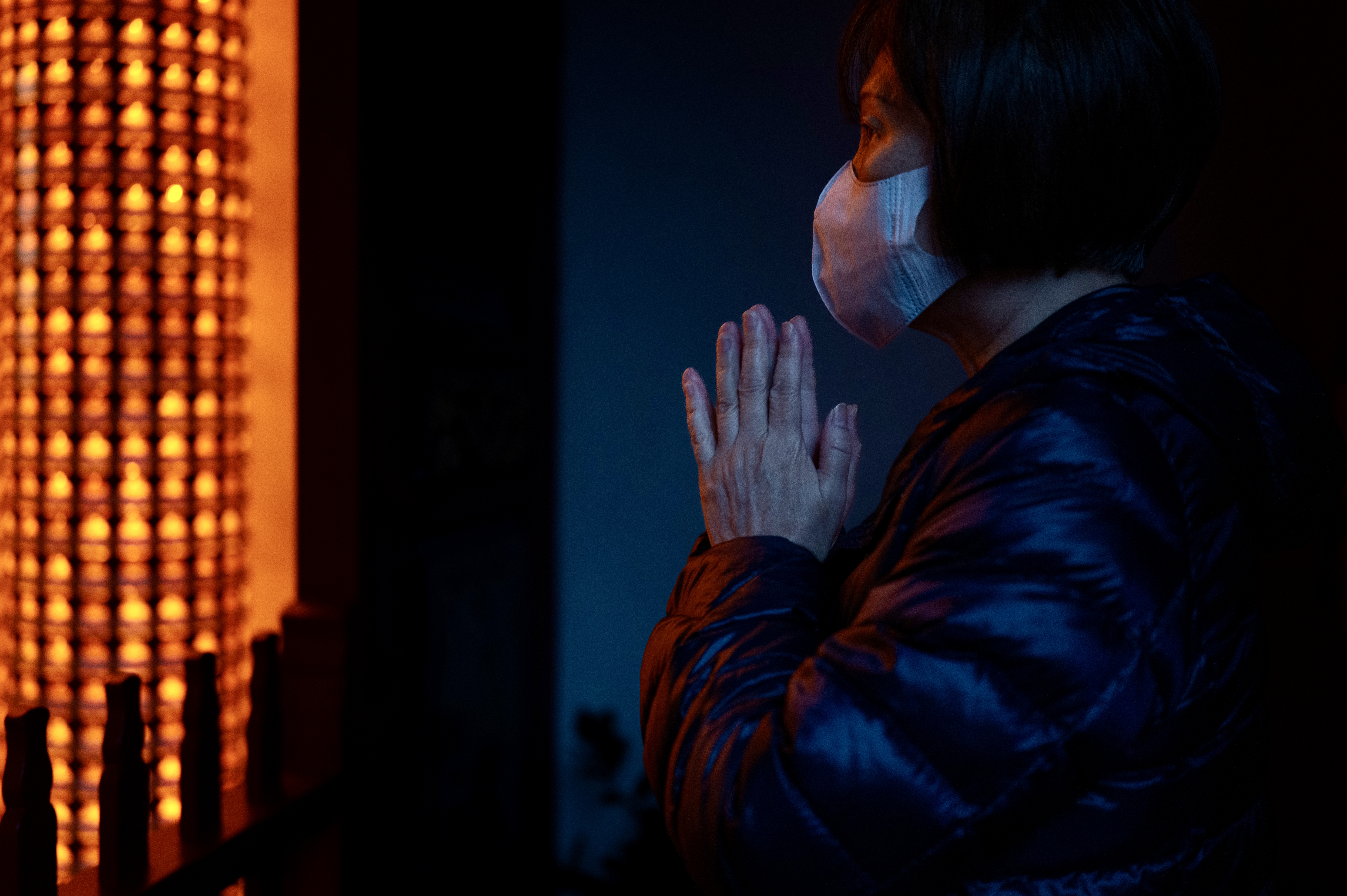
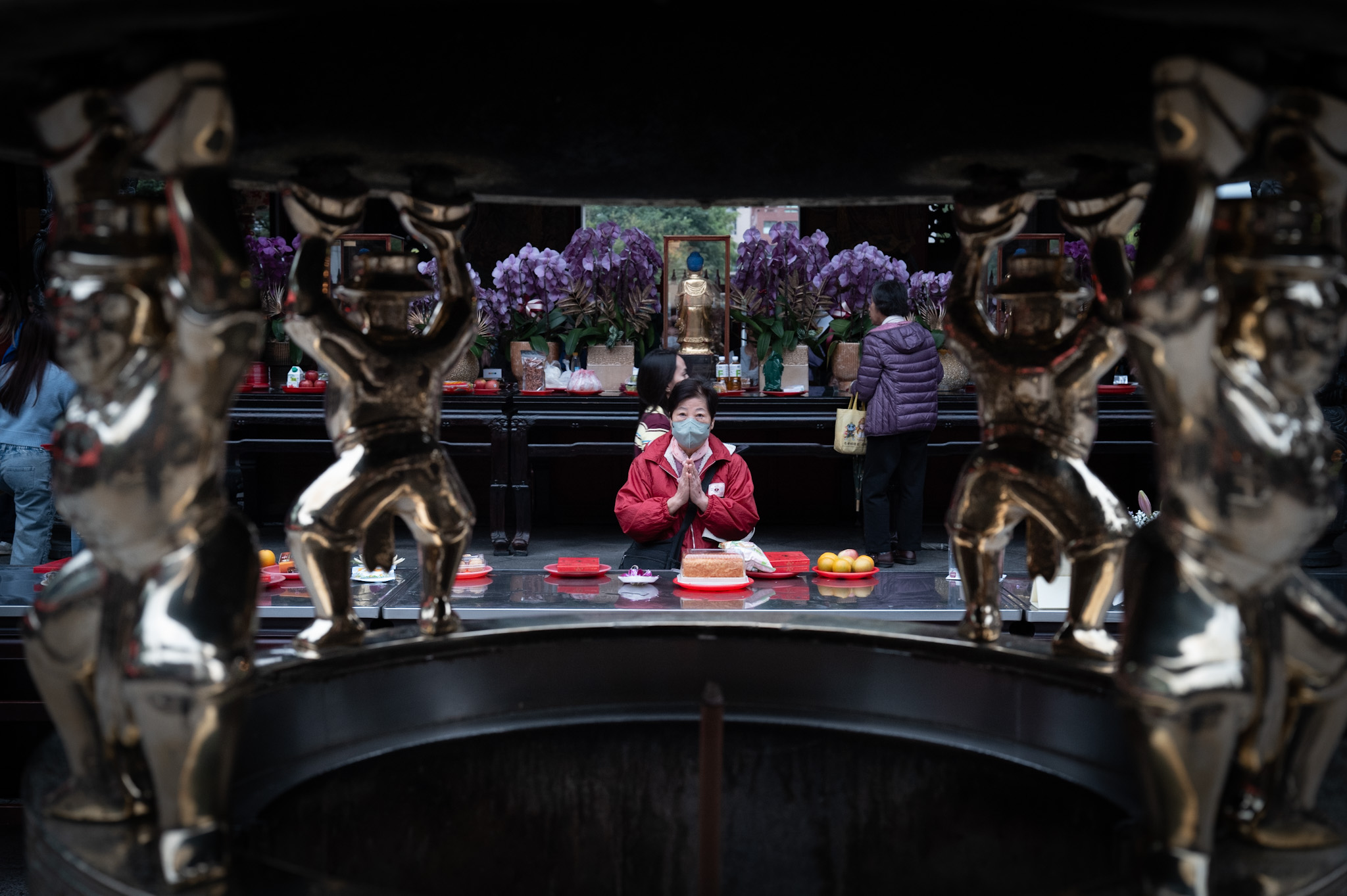
Longshan Templeis a perfect example of this choreography. Taoist deities share space with Buddhist icons; worshippers bow with the same devotion, no matter which cosmic address they are sending their prayers to. I watch elderly women lighting coils of incense, young couples holding hands, tourists photographing dragons carved on stone pillars. It’s a crowd, a mosaic, and yet the temple feels balanced as if
coexistencewere not a lesson to be learned, but a muscle long trained.
Across the strait, in Vietnam, the harmony takes on another shape. At Tran Quoc Pagoda in Hanoi, the oldest Buddhist structure in the city, monks in
robes walk slowly under frangipani trees. A few streets away, Catholic churches from the French era fill with families attending Mass. I have photographed this juxtaposition many times: a woman carrying lotus flowers to the pagoda, a man crossing himself before entering a church. No conflict, no competition, just
parallel rhythms, different doors to the same search for meaning.
In Thailand, the temples glow with gold. Wat Pho in Bangkok remains one of the places where I feel faith as physicality: the Reclining Buddha stretches across the hall like a sleeping continent, and people navigate around him almost with reverence for his immensity. A short walk away, the river carries boats toward mosques and Chinese shrines, each of them pulsing with their own traditions. Here,
tolerance isn’t written on posters; it’s lived on street corners, beside food stalls, under neon signs.
Japan adds another layer to this tapestry. At a Shinto shrine in Kyoto, I once watched a bride in a white kimono move like a
between ancient wooden beams. A few hours later, in a nearby Buddhist temple, monks were preparing for evening chants. Most Japanese do not feel the need to choose between Shinto and Buddhism: they simply practice both, visiting shrines for life’s beginnings and temples for its endings. It is a gentle duality, one that speaks to a cultural instinct for balance.
I’ve learned, camera in hand, that Asia’s spiritual landscape is not defined by purity or exclusion. It thrives on
overlap, on centuries of cultural negotiation, on the simple truth that people can honor different gods and still share the
same streets. In a world often obsessed with borders (religious, political, emotional) Asian temples remind me of the possibility of coexistence. They are sanctuaries not only of faith, but of
tolerance, where diversity is not a threat but a quiet, enduring strength.
This week I’m traveling through Taipei and the northeastern reaches of Taiwan, an intense journey that tries to seize everything that lies between the island’s world-leading
chip economyand the wild beauty of its mountains and national parks. Time is far too short to claim any deep understanding of Taiwanese culture — at best I can gather fragments, impressions,
flashes of life. But those fragments are worth sharing, especially on days like today, when everything folds into one distinctively Asian blend of movement, encounters, and sensation.
In Taipei, I am once again reminded of how social life gathers around temples. Here, worship blends seamlessly with the routines of daily existence. People pay their respects to their gods, then buy groceries or stop for a haircut. Offerings, fish, underwear, vegetables, meat, scissors and clippers — all
orbitingthe temple in a vivid circle of commerce and devotion. It’s an extraordinary spectrum of life, one in which my eyes often capture far more than my Leica ever could.
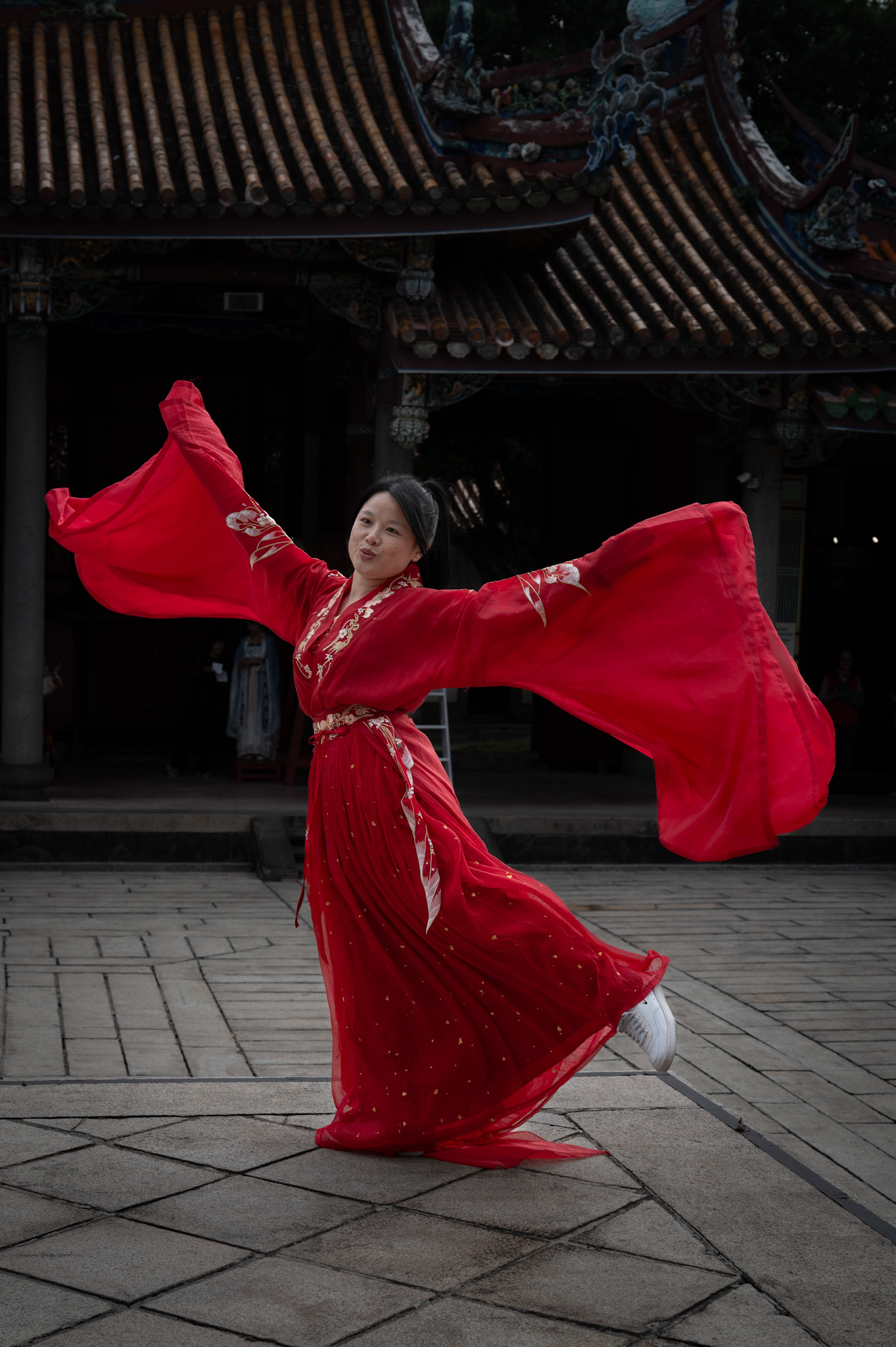
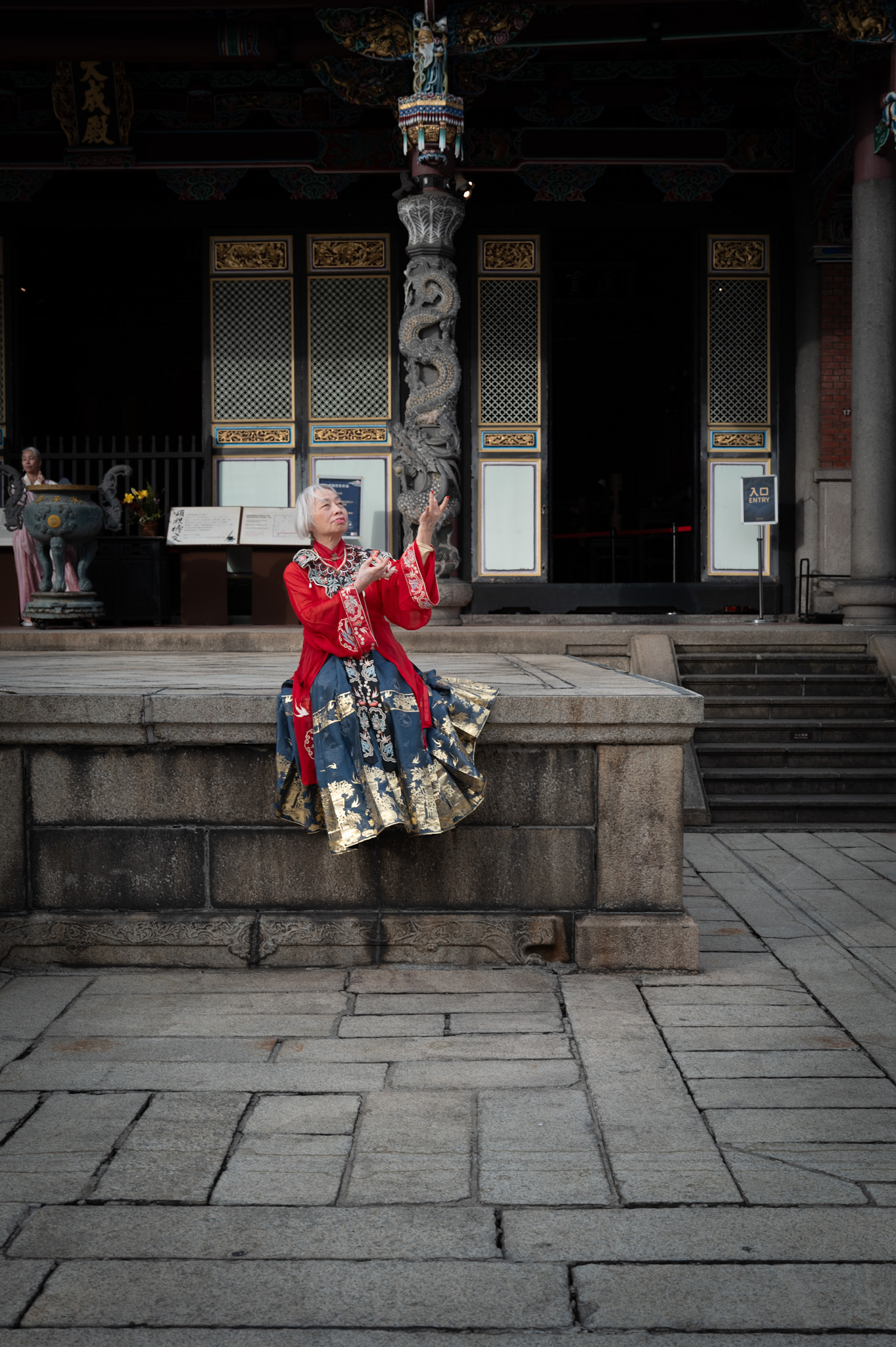
Photos from Longshan, Confucius and Dalongdong Baoan Temples in Taipei, captured with
Leica Q3 43.