

A couple of days ago, I was reading a New York Times (link) article celebrating the 100th anniversary of the first “
motel,” which opened in San Luis Obispo. It reminded me that I’ve spent a considerable part of my life sleeping in hotel rooms around the world. So, let’s take a moment to revisit the history of hospitality industry.
For the frequent traveler, the hotel is both a waypoint and a mirror—reflecting the values, technologies, and rhythms of each era. From the grand railway hotels of the 19th century to today’s smart-key motels along digital highways, the story of where we sleep on the road is as much about
freedomand restlessness as it is about comfort.
The earliest hotels were born from necessity and ambition. In Europe, coaching inns had long provided weary travelers a place to stable their horses and rest their heads. But it was the arrival of the
railwayin the mid-1800s that transformed hospitality into an industry. Railway companies, eager to attract travelers, built magnificent establishments such as the Midland Grand in London or the Château Frontenac in Quebec. These hotels were statements of modernity and
confidence—grand lobbies, marble floors, orchestras in the dining hall. They represented an age when travel was still a privilege, not a habit.
Across the Atlantic, America was laying down its own roads. By the 1920s, with the Model T turning citizens into motorists, the landscape changed. Long before GPS and flight comparison sites, the
open roadbecame a symbol of independence. The traveler no longer arrived by train to a city center but pulled directly up to a room. Thus was born the “motor hotel”—shortened to “
motel.”
The first recognized motel, the
Milestone Mo-Telin San Luis Obispo, California (1925), had twelve small cabins arranged in a semicircle, each with a garage. For the first time, privacy, accessibility, and convenience trumped luxury. As car culture spread, so did motels—dotting
Route 66and other highways, their neon signs promising “Vacancy,” “Air Cooling,” and “Color TV.” By the 1950s, the motel had become an American icon, featured in postcards and noir films alike.
For a frequent traveler, these were landmarks of motion. One could measure a journey by the sequence of beds and keychains—each motel number, each carpet pattern a faint souvenir of the miles covered. Business travelers found familiarity in predictability: chain motels like
Holiday Innintroduced standards of cleanliness and design that offered reassurance. Independent motels, meanwhile, kept their eccentric charm—cowboy-shaped signs in Texas, tiki décor in Florida, art-deco facades in California.
Yet the pendulum
swungagain. Air travel and urban expansion revived the hotel. Skyscraper hotels rose beside airports and
financial districts, promising global uniformity—Hilton, Sheraton, Marriott, Hyatt. The modern traveler could wake up anywhere and know exactly what to expect. For some, that was comfort; for others, a quiet loss of the unknown.
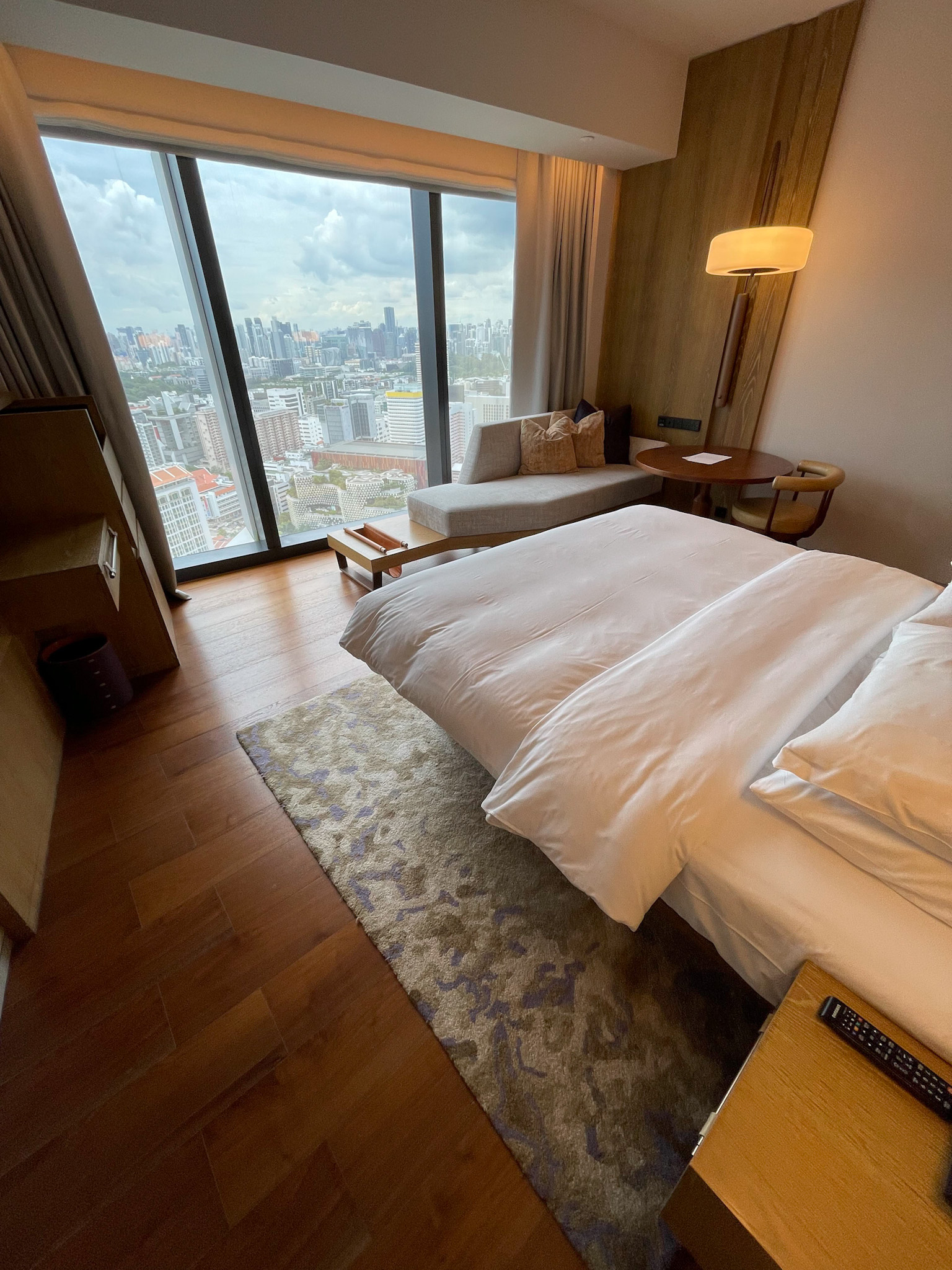
Today, the distinction between hotel and motel is blurring. The traveler, now armed with booking apps and social reviews, values authenticity as much as efficiency. Boutique motels are reborn with retro signs and espresso machines; highway rest stops boast minimalist Scandinavian interiors. Even global chains have learned to borrow from the motel’s intimacy—direct access, local design, a sense of place.
For those who live on the road, each stay tells a
fragment of history. The grand hotels spoke of status, the motels of freedom. Now, the traveler seeks a third path: connection. Whether under chandeliers or flickering neon, the experience remains a constant reminder that the journey never truly ends—it only
pauses for the night.
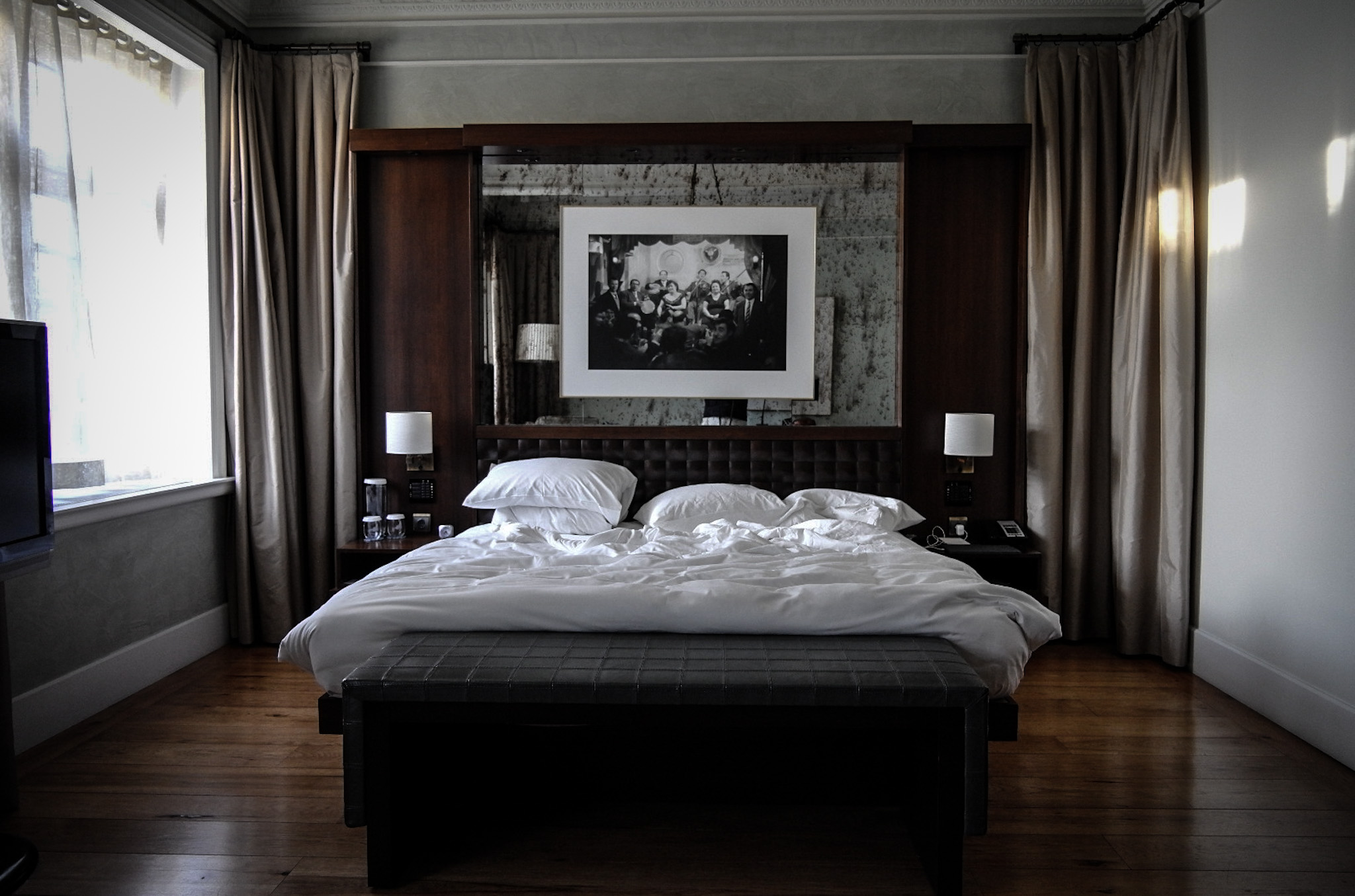
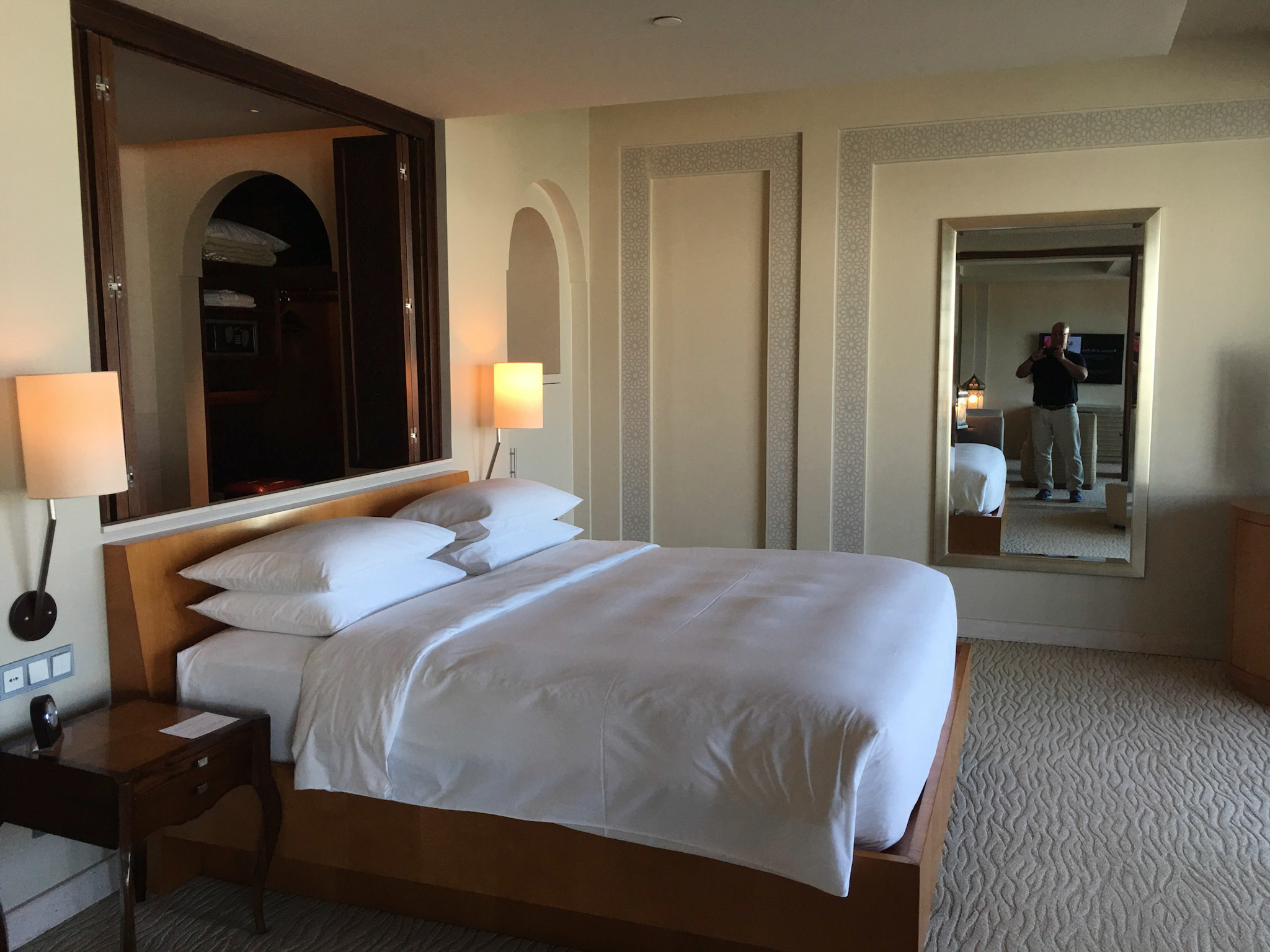
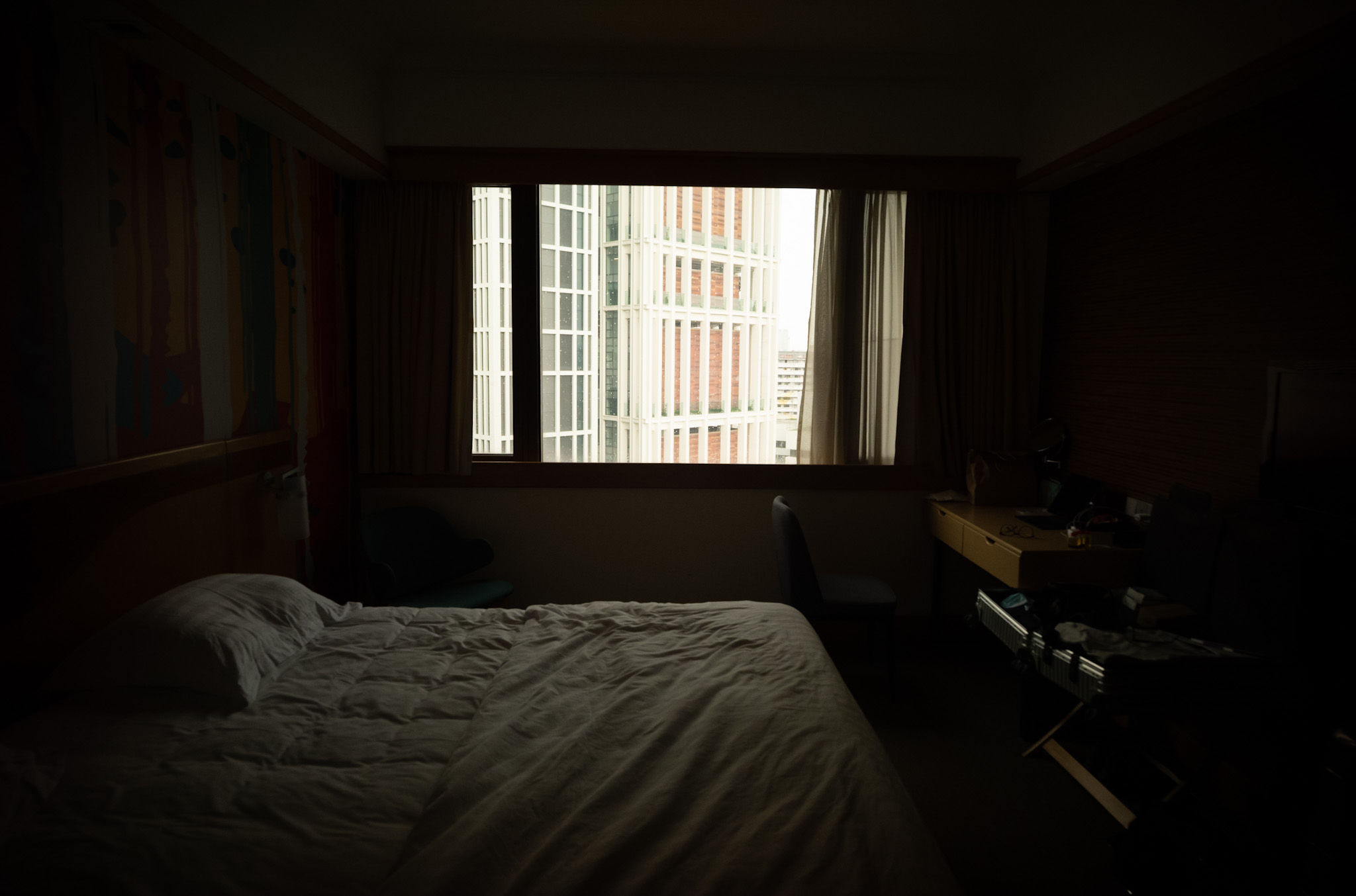
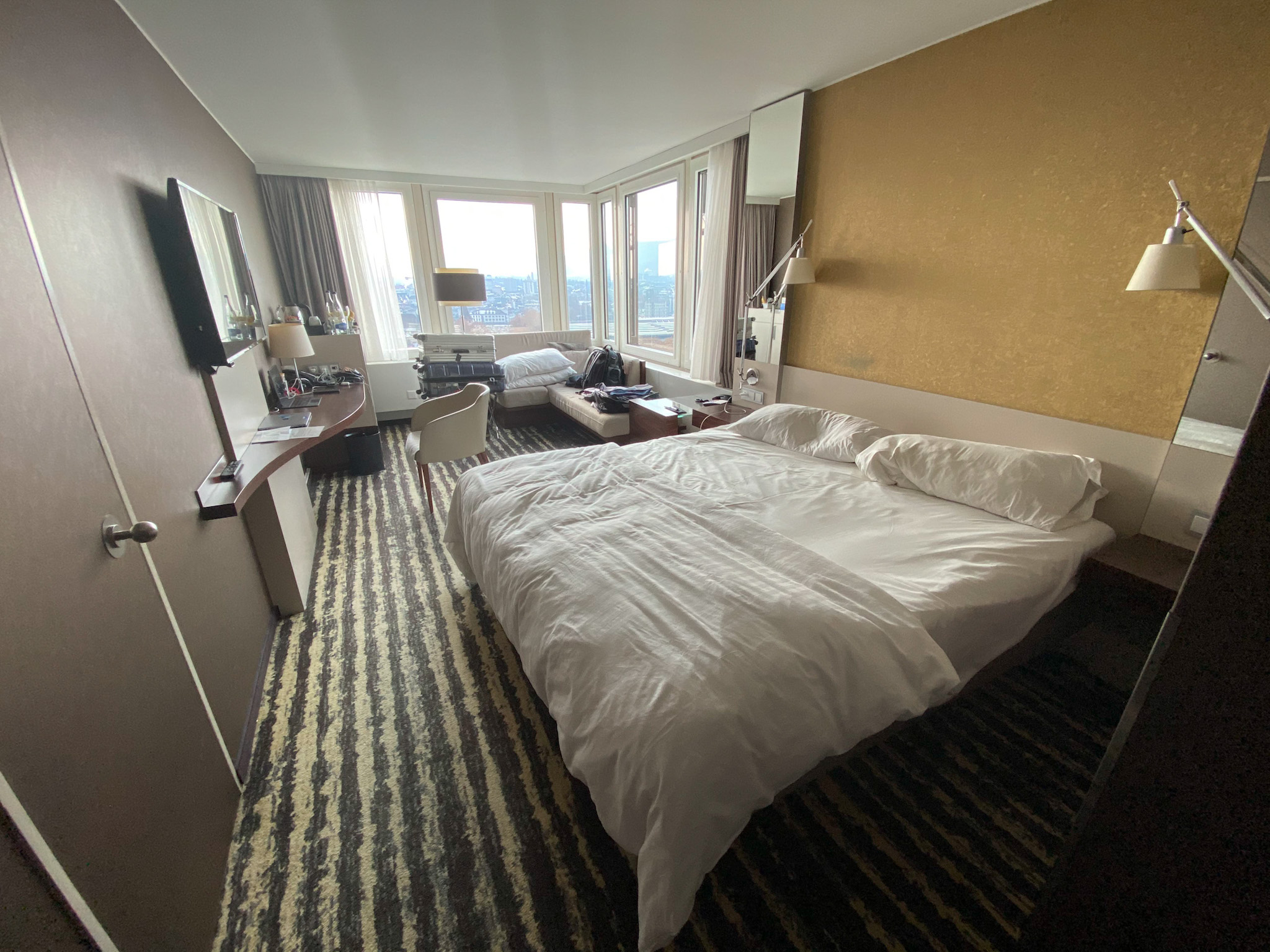
Over forty years ago, I traveled Route 66 with my good friend Carlo Medori, hopping between diners and motels along the way. The photos from that unforgettable trip now lie tucked away in a few Kodachrome boxes in my basement in Milan. Here, I’ve gathered a selection of rooms around the world where I’ve collapsed into bed after long days on the road.