Late last night, I finally reached the bottom of a cardboard box that has followed me across continents for years. It took that long as I had been distracted for hours by an old hard drive packed with photos from my trip through South Africa (see my article RAINBOW FRAGILITY published yesterday). That alone had sent me spiraling down a tunnel of memory, but then, inside the box, I found a
bookstill can’t quite figure out how it ended up there.
Jack Kerouac’s The Subterraneans.
I first read it in high school, maybe at sixteen. The story of
Mardou Fox— who was, in real life, Alene Lee, the brilliant and elusive woman Kerouac met and loved in mid-1950s NYC/San Francisco — hit me like a revelation. Her wild run through the city’s fog and jazz clubs carried a rhythm that felt completely new. That book probably lit the fuse of my curiosity for contemporary culture and, eventually, for my kind of social-photography.
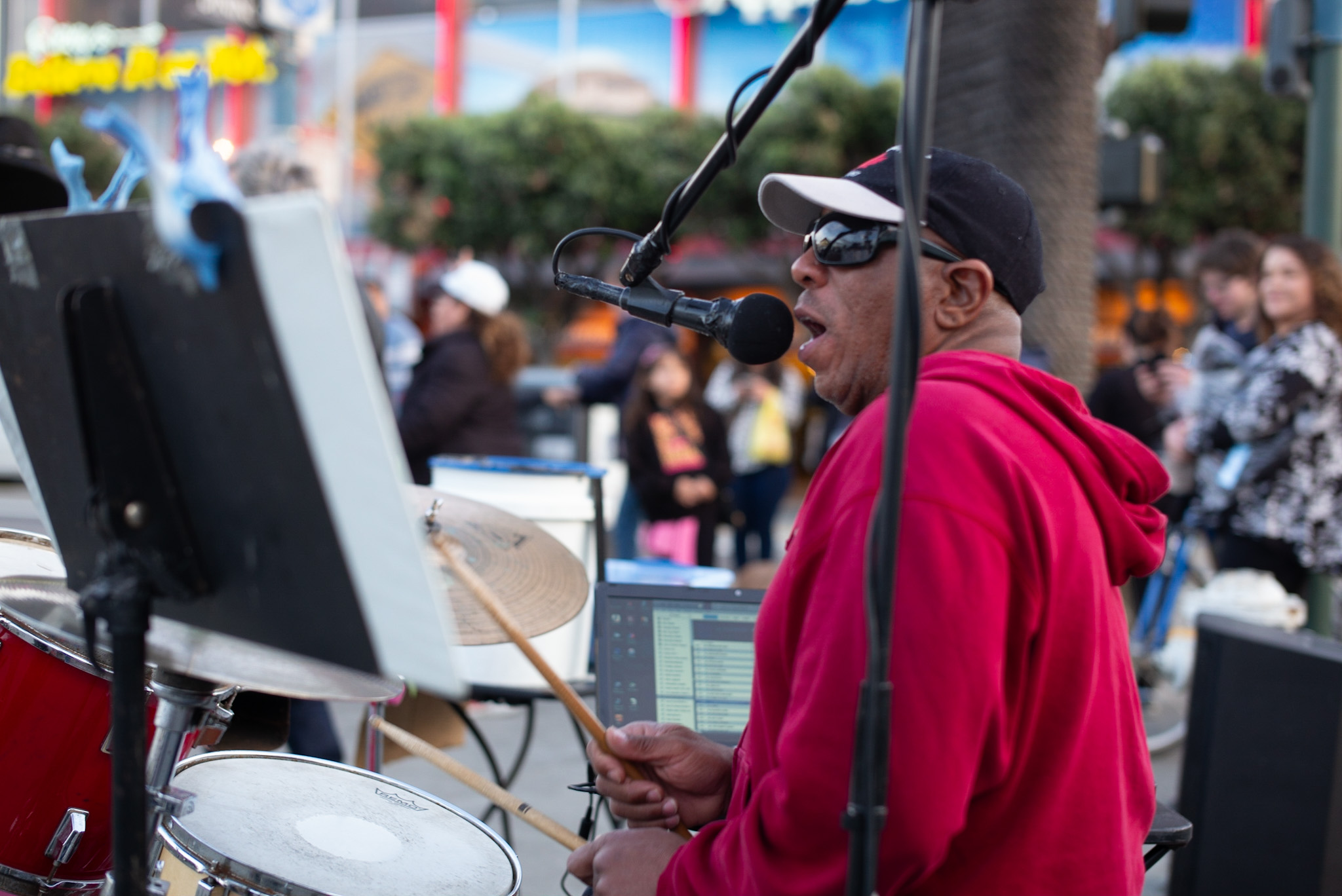
Kerouac’s characters were drawn straight from
life: Frank Carmody was William Burroughs; Adam Moorad was Allen Ginsberg; even Gore Vidal appeared thinly disguised as the novelist Arial Lavalina. Kerouac’s stand-in, Leo Percepied, narrated their chaotic orbit, while Neal Cassady — the restless muse of the entire Beat movement — slipped by in a brief mention as Leroy. I devoured everything connected to that world.
Then, few years later, I met Allen Ginsberg in Milan — 1977, at the Macondo Club. He was performing with Peter Orlovsky and Fernanda Pivano. I still have the rare recording I made of him reading
Howl, his poem that split a generation wide open.
Let me go back twenty-five years before that night. This post is like a
yo-yo, I know.
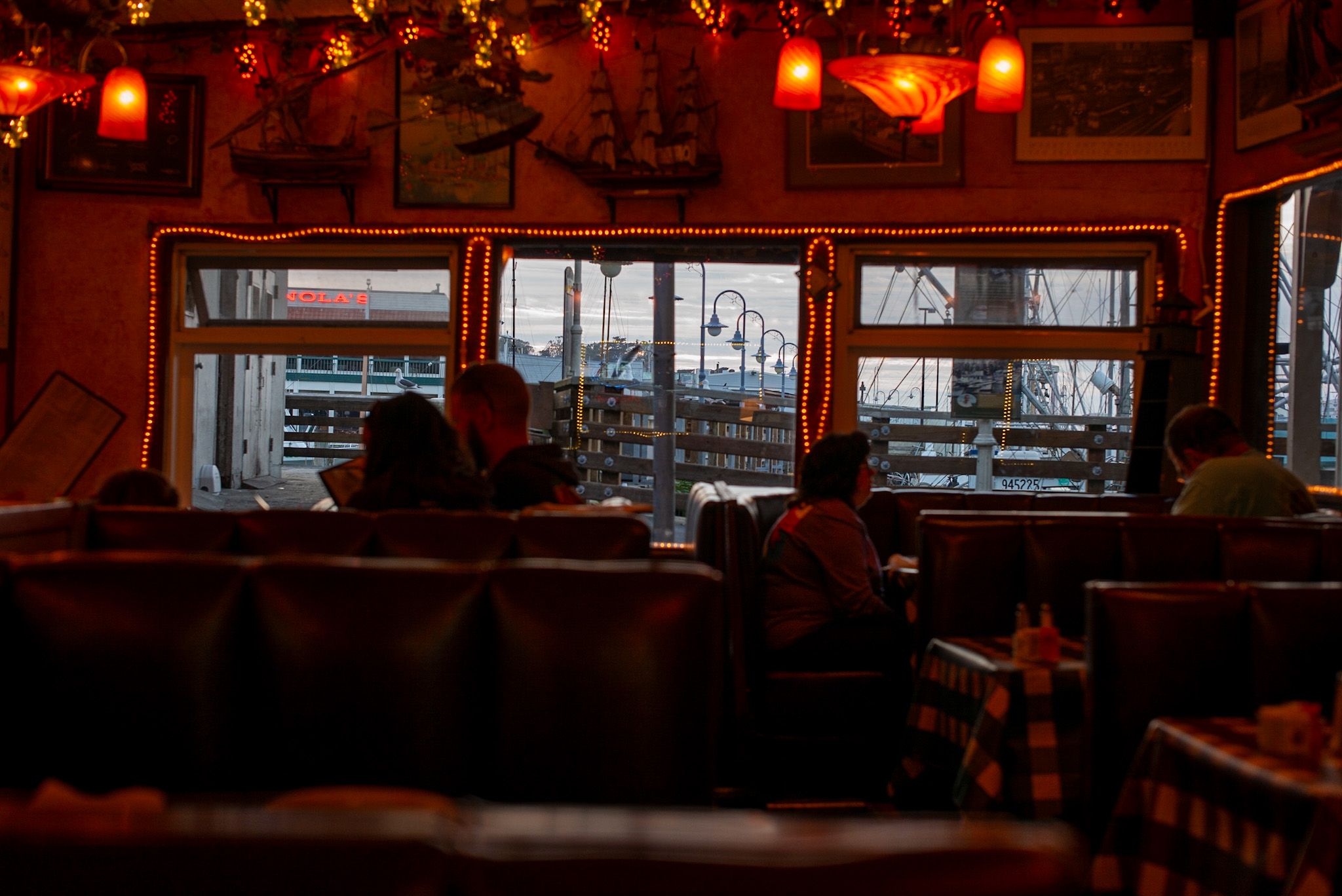
When Ginsberg first read Howl at the Six Gallery in San Francisco in 1955, the room trembled with the sense that something was being born. The poem’s first line — “I saw the best minds of my generation destroyed by madness…” — was both confession and
prophecy. It mourned the lost and damned, while setting fire to the polite conventions of postwar America. Ginsberg didn’t just read poetry — he blew it up.
Howl was everything its title promised: spiritual, sexual, political. It fused Whitman’s democratic breath with the syncopation of jazz, Buddhist revelation with
amphetaminefrenzy. It was music as much as verse — long, unpunctuated lines that rose and fell like a sax solo in a smoky North Beach club. America, buttoned-down under Eisenhower, found it obscene. The courts agreed, briefly, until Ferlinghetti’s historic acquittal established the poem’s “redeeming social importance” — a victory that would define the Beat Generation.
The Beats were split between two coasts: New York’s grim apartments and coffeehouses, and
San Francisco’s sun-bleached bohemia. In New York, Ginsberg, Kerouac, and Burroughs wrestled with philosophy, drugs, and guilt. In San Francisco, they found air. Howl became their anthem — a raw, ecstatic exorcism of America’s greed and conformity, ending in that defiant chant of “Holy! Holy! Holy!” that turned despair into something radiant.
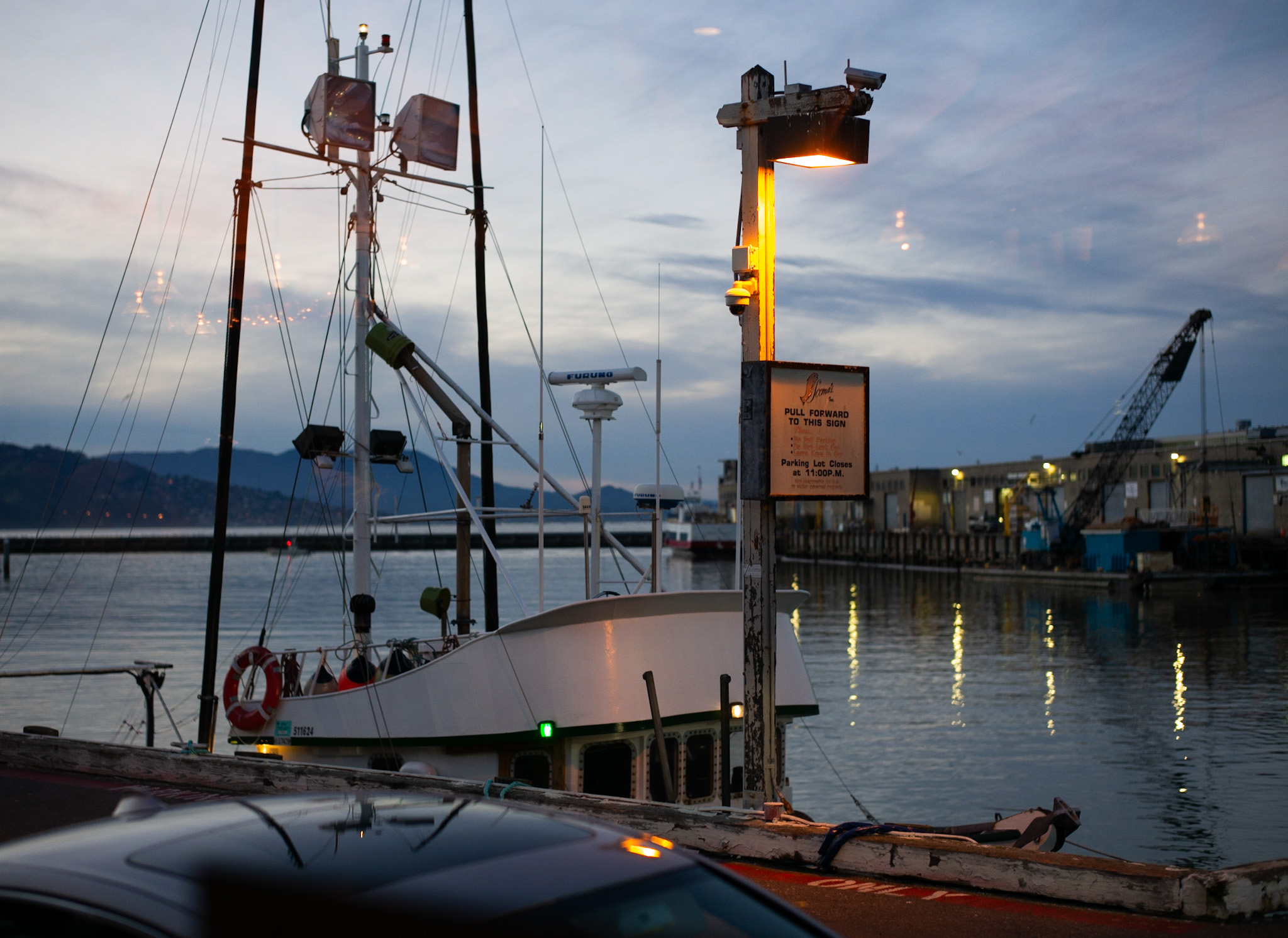
Decades later, Ginsberg used a phrase from the poem — The Hydrogen Jukebox — as the title of his collected works. It perfectly captured the era: atomic tension and
jukebox rhythm, destruction and desire, the hum of machinery under every heartbeat.
The last time I was in San Francisco — February 2017, a whirlwind 5 days trip, sixteen hours to fly there and fifteen back — I barely slept. Time zones
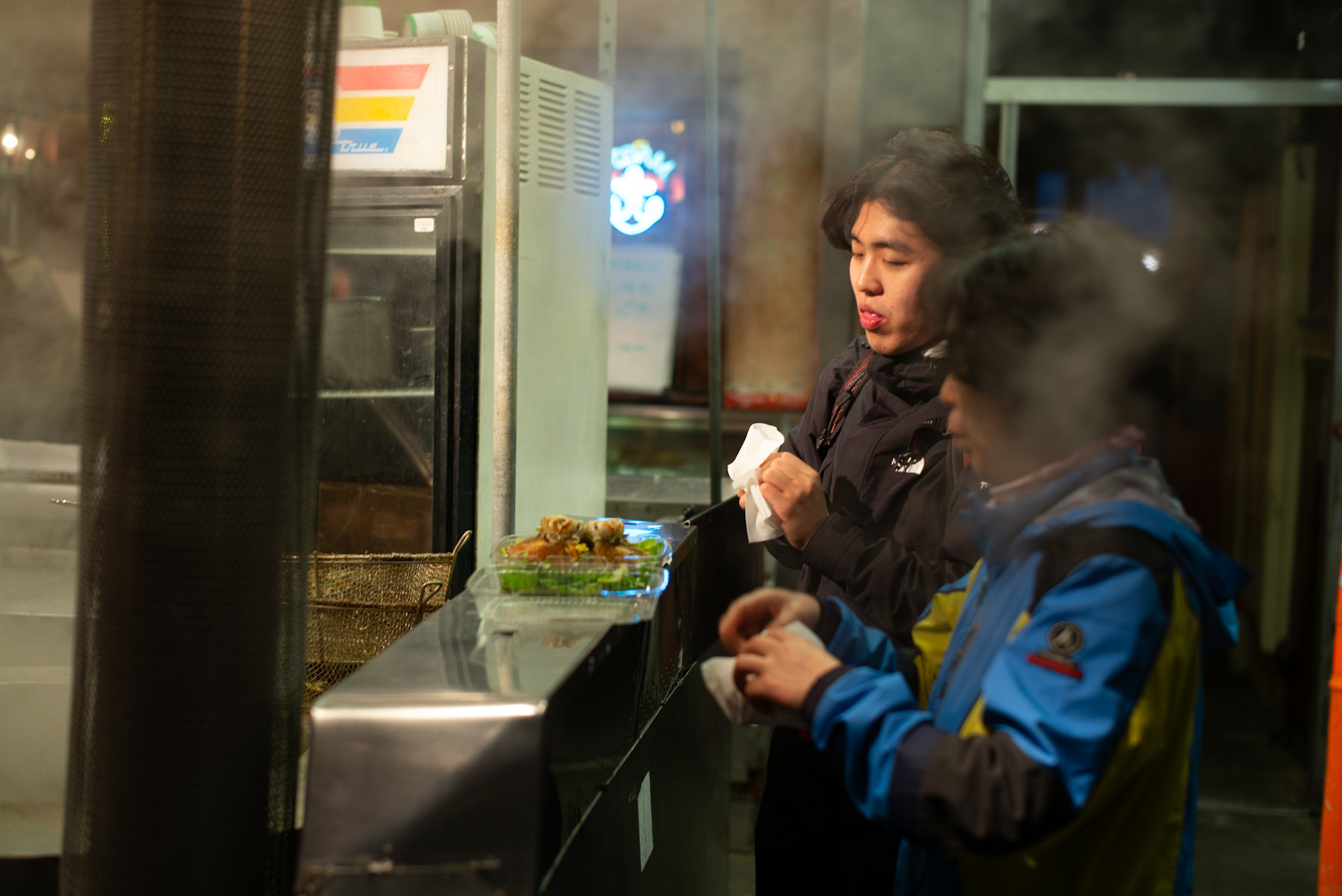
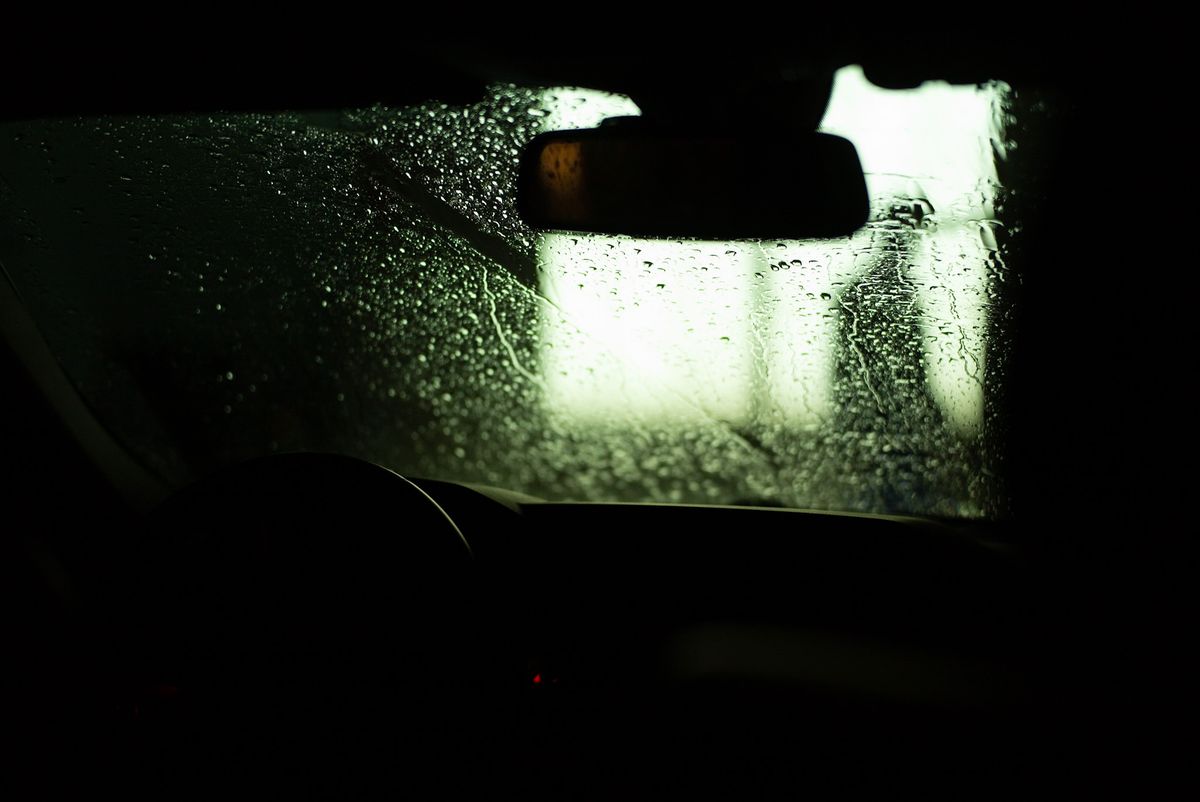
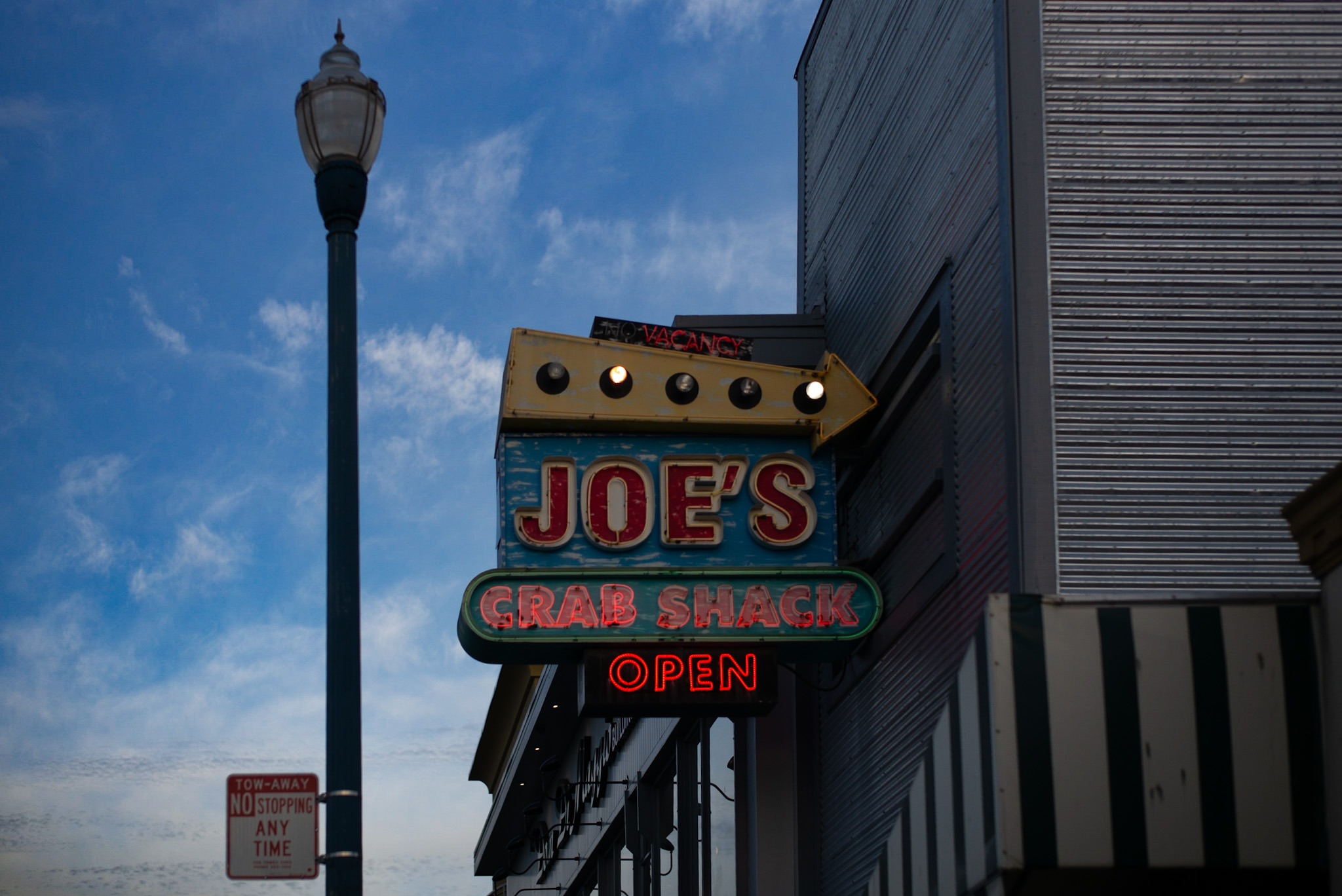
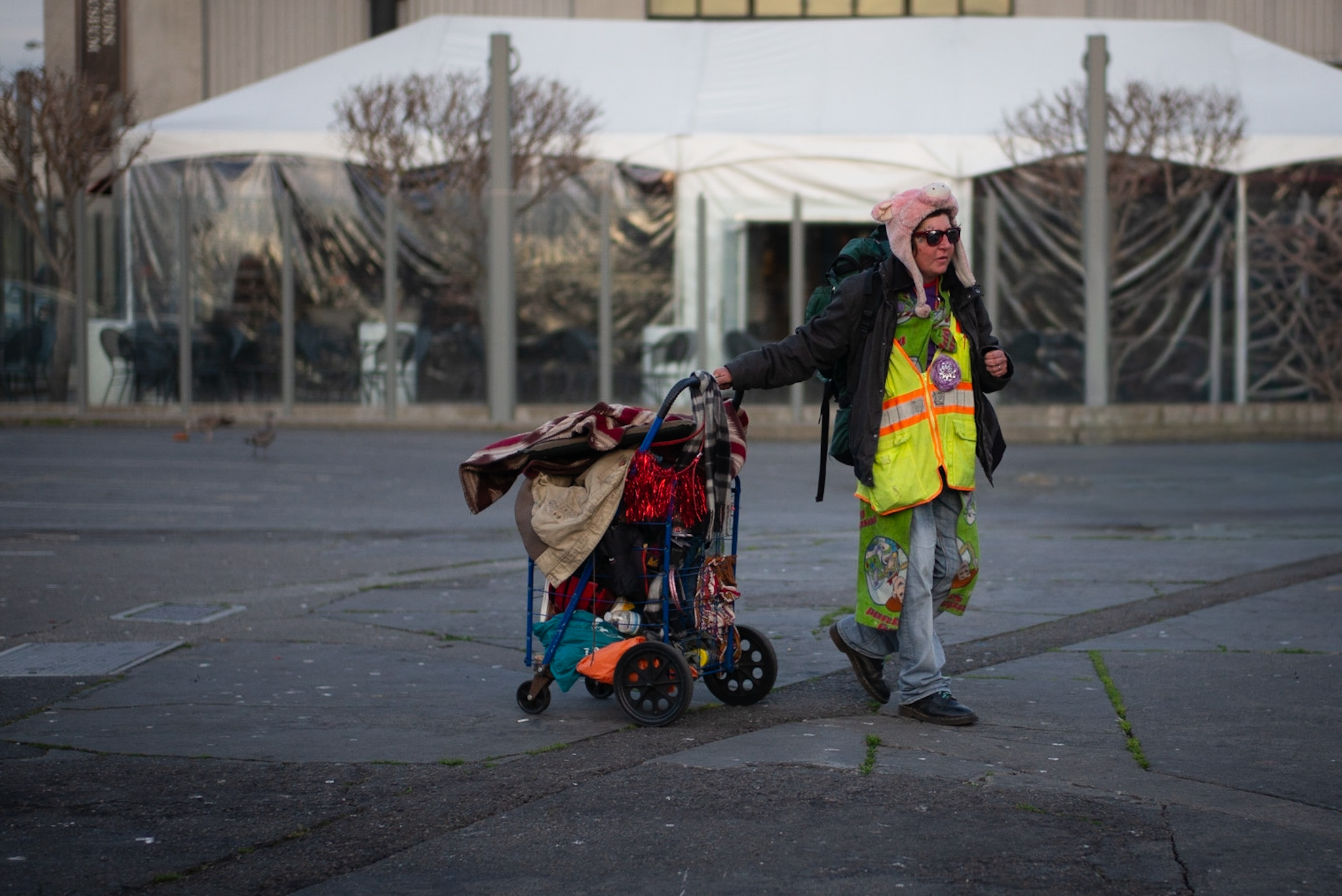
blurredinto caffeine. But I remember walking the same streets they once did, my Leica in hand, the fog rolling in from the Bay. It felt, just for a moment, like their ghostly rhythm was still playing — a beat that refuses to fade.