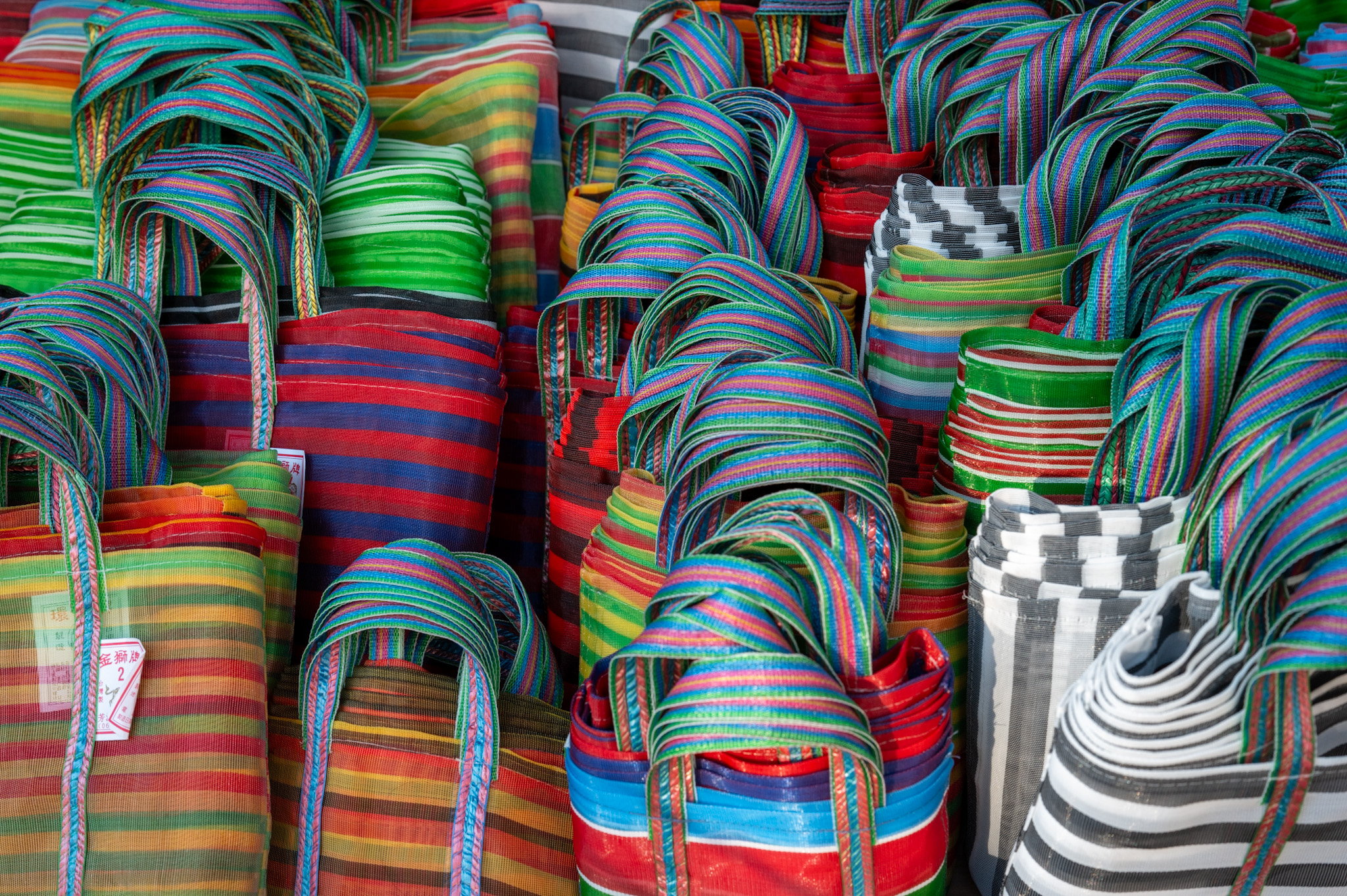
Every city has a place that tourists never quite find—a corner where the pulse of daily life beats quietly, untouched by the routines of souvenir hunters and package tours. In Taipei, this place hides beneath the elevated Jianguo Road, where two parallel
marketswake up every weekend with the same calm precision as a well-kept ritual: the Jianguo Flower Market on one side, and the Jianguo
JadeMarket on the other. I walked there on a warm Sunday morning, my Leica over my shoulder, and realised almost immediately that this is the Taipei that visitors rarely see—an
intimate portraitof a city speaking to itself.
Both markets stretch long and narrow under the highway pillars, sheltered from sun and rain. The first thing that reaches you is not the sight but the scent:
orchids, lilies, chrysanthemums, and those delicate, sweet fragrances that seem to float like memories trapped in the air. Taiwanese have a profound relationship with flowers. They are not mere decorations for a living room; they signal
respect, good fortune, and emotional sincerity. Cross the threshold of any Taiwanese home, and you’ll likely find a vase of fresh flowers greeting you. At temples, blossoms carry prayers; at business openings, they stand as wishes for prosperity. Here at Jianguo, you feel this
cultural pulseimmediately—families selecting orchids with the same quiet care one reserves for gift-giving, elderly men debating the merits of rare succulents, teenagers choosing tiny potted gardens to brighten their dorm rooms.
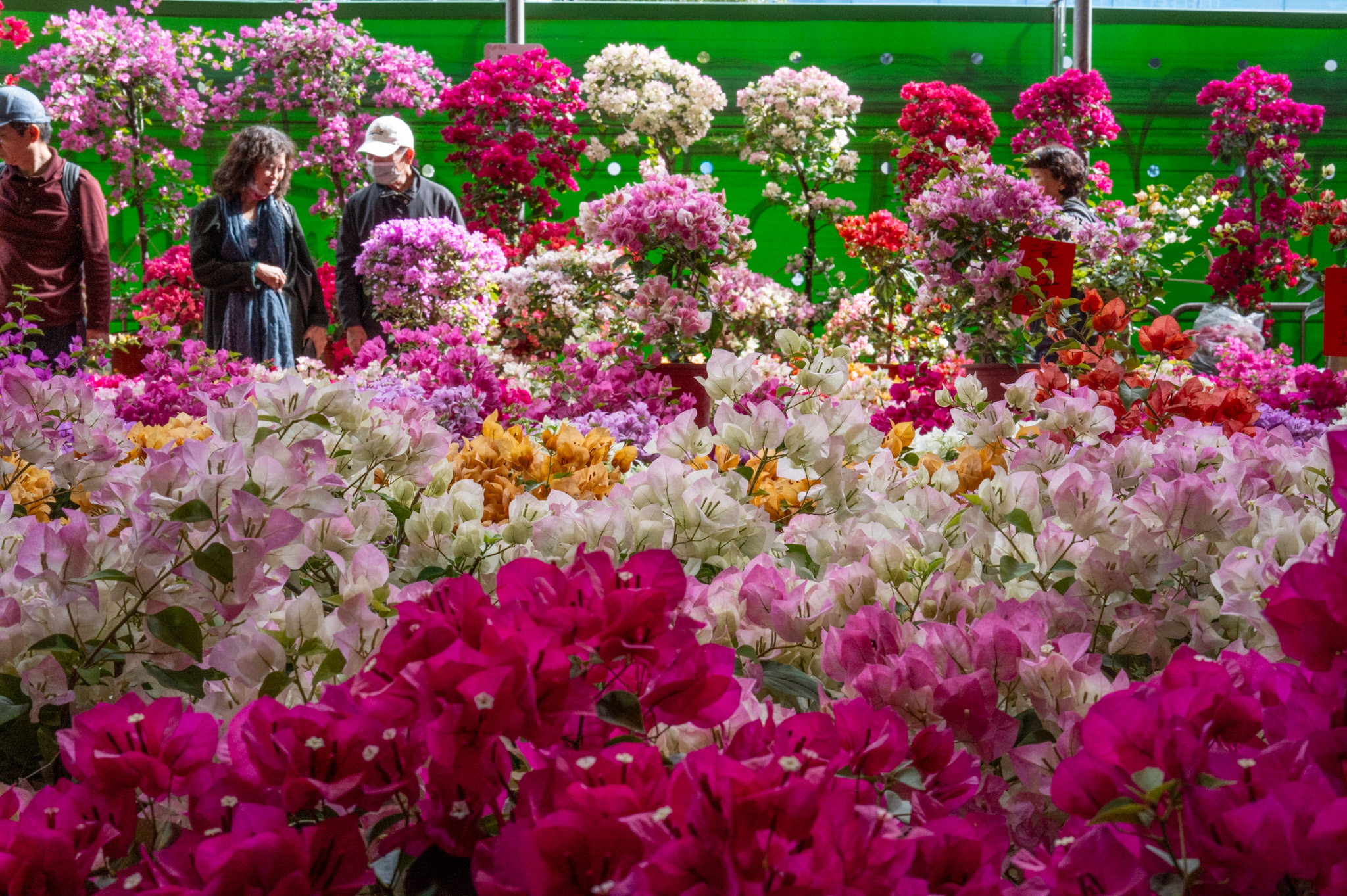
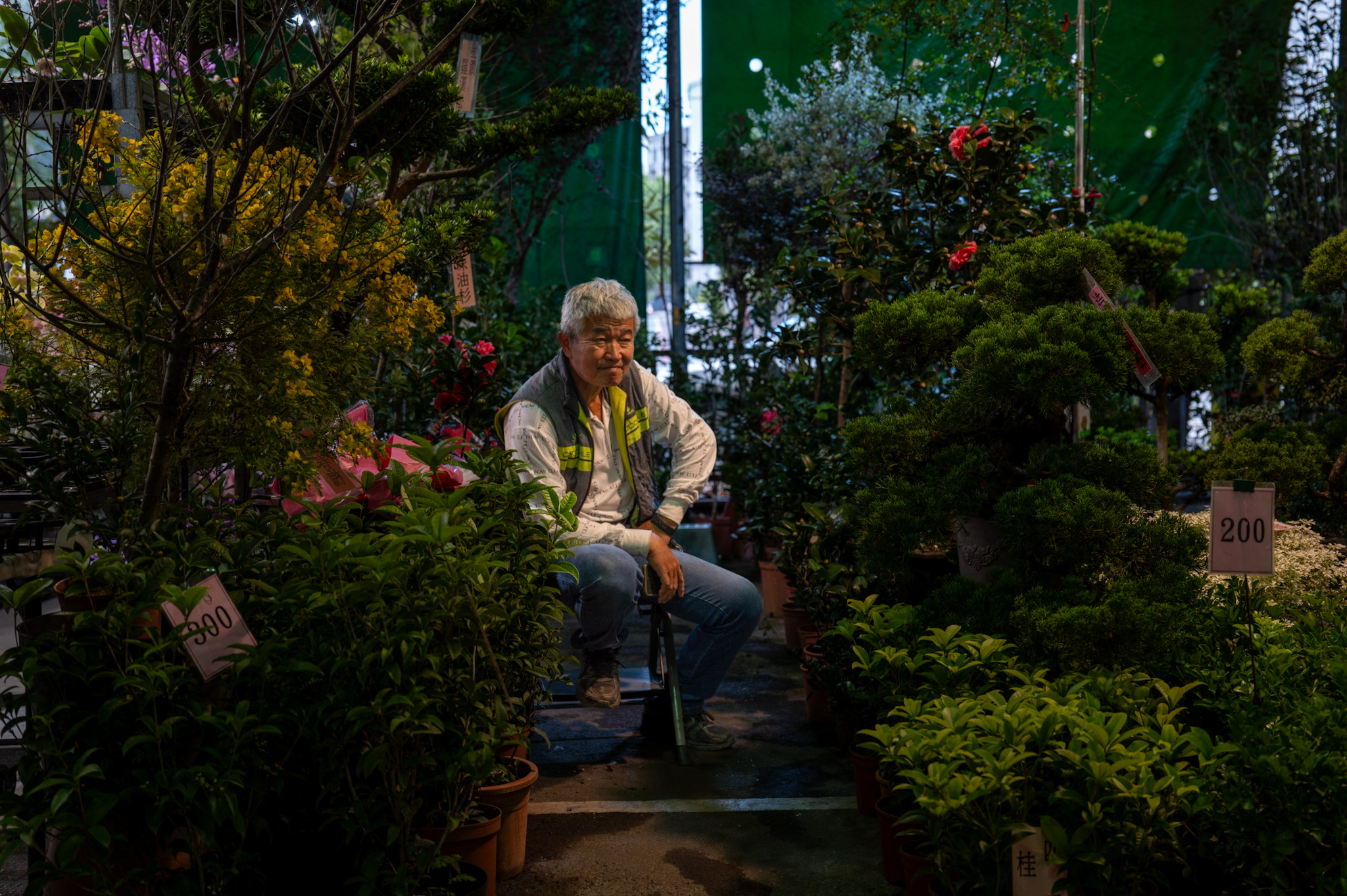
in this environment becomes almost a matter of rhythm: people bending over rows of petals; hands touching leaves lightly, as if testing their weight; a child holding a bouquet almost bigger than himself. I try to let the scenes speak before the lens does, and here the scenes speak softly but clearly: life,
beauty, and the gentle Taiwanese art of cultivating harmony.
Crossing to the opposite side of the road, the atmosphere shifts. It grows quieter, more concentrated. The
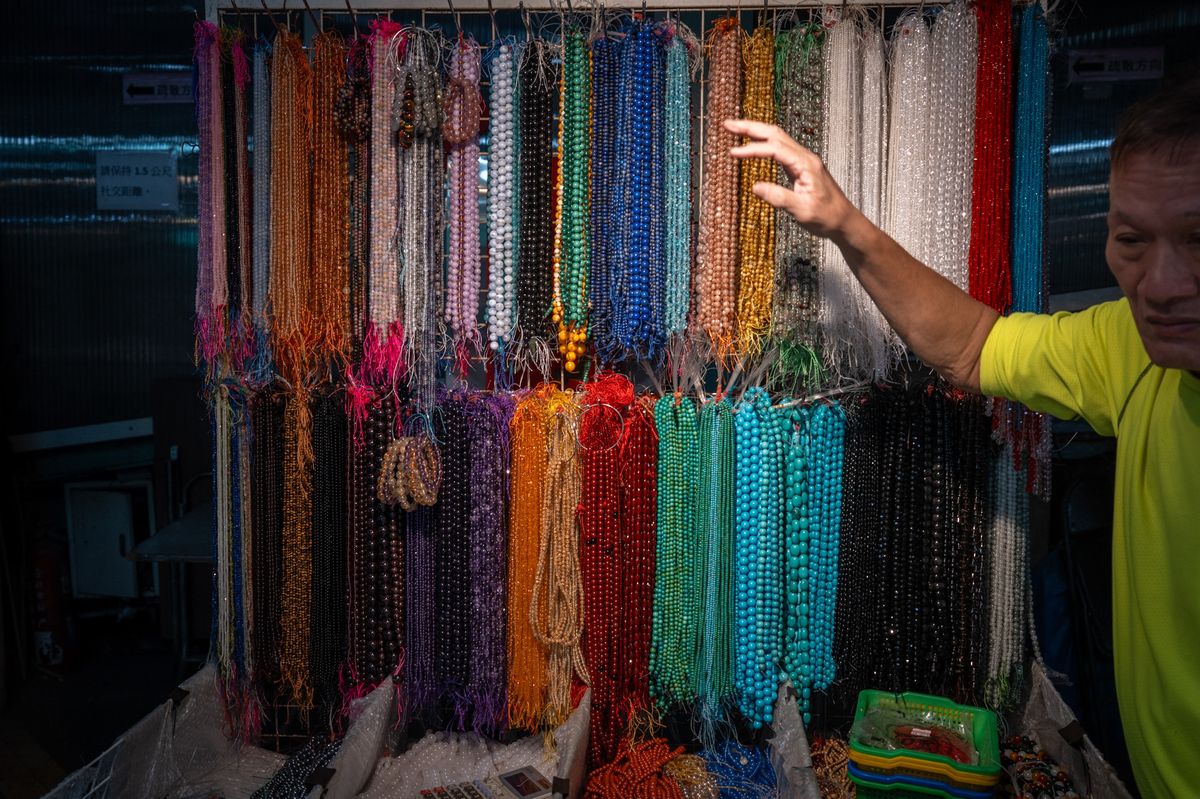
Jade Marketis like stepping into a different dimension—shades of green, the soft
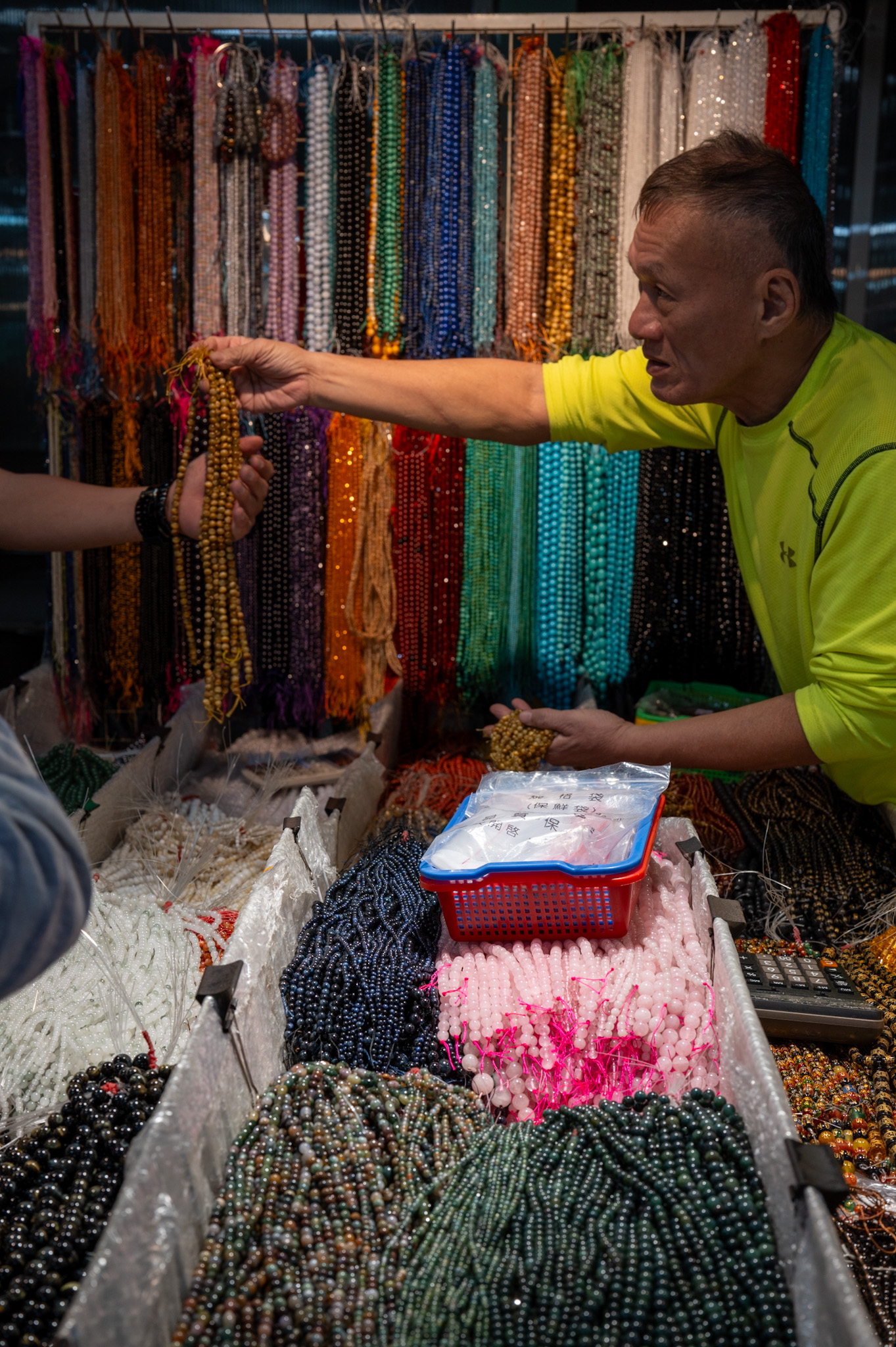
clinkof bracelets, the murmured voices of traders, and the deep cultural attachment to jade as a symbol of protection and virtue. Jade in Taiwan is not simply jewelry. It is an amulet, a childhood gift, a mother’s blessing, a memory carved into stone. Parents give jade pendants to children to keep them safe; couples exchange jade for good fortune; elders wear it as a sign of wisdom and longevity.
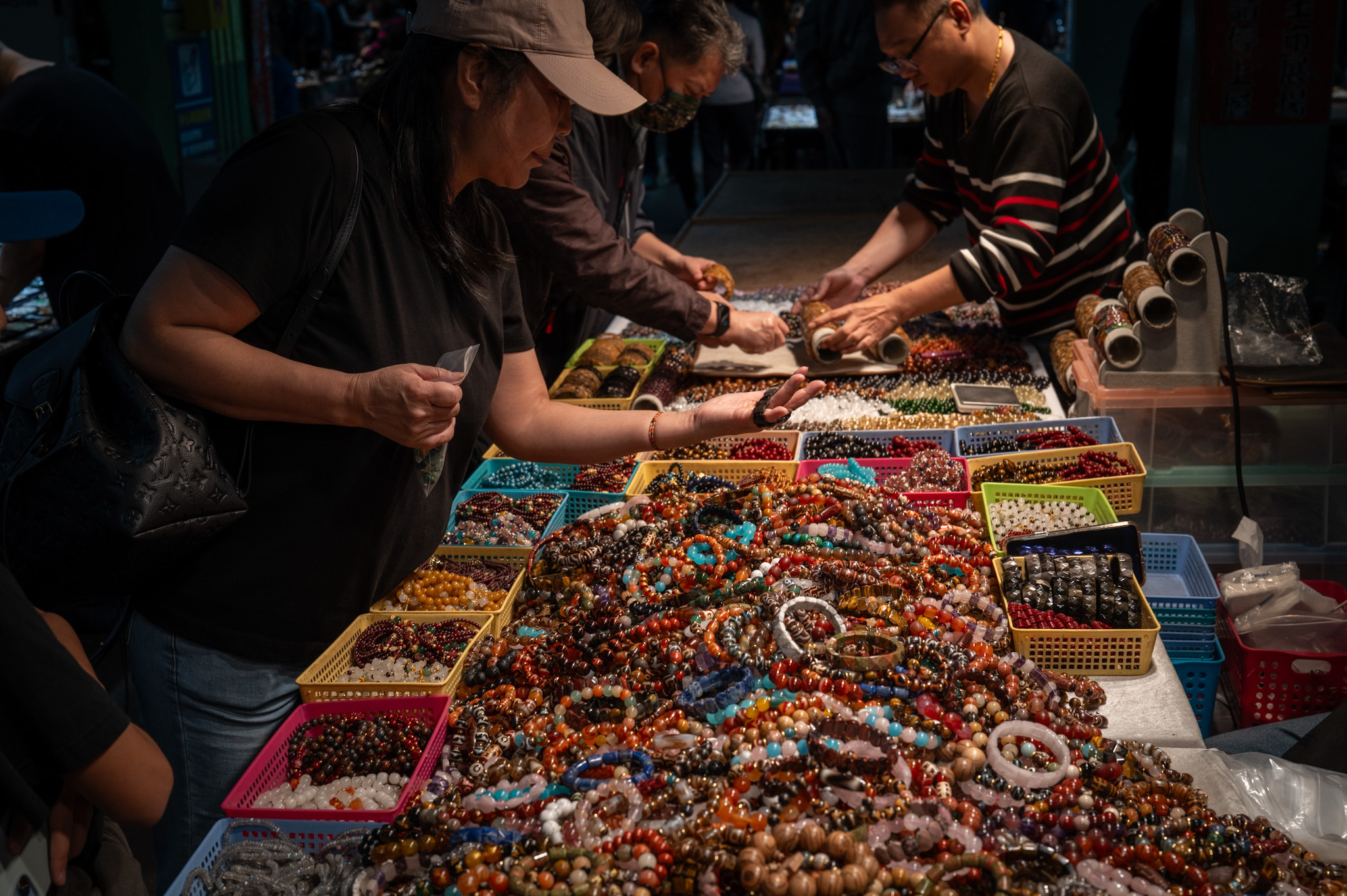
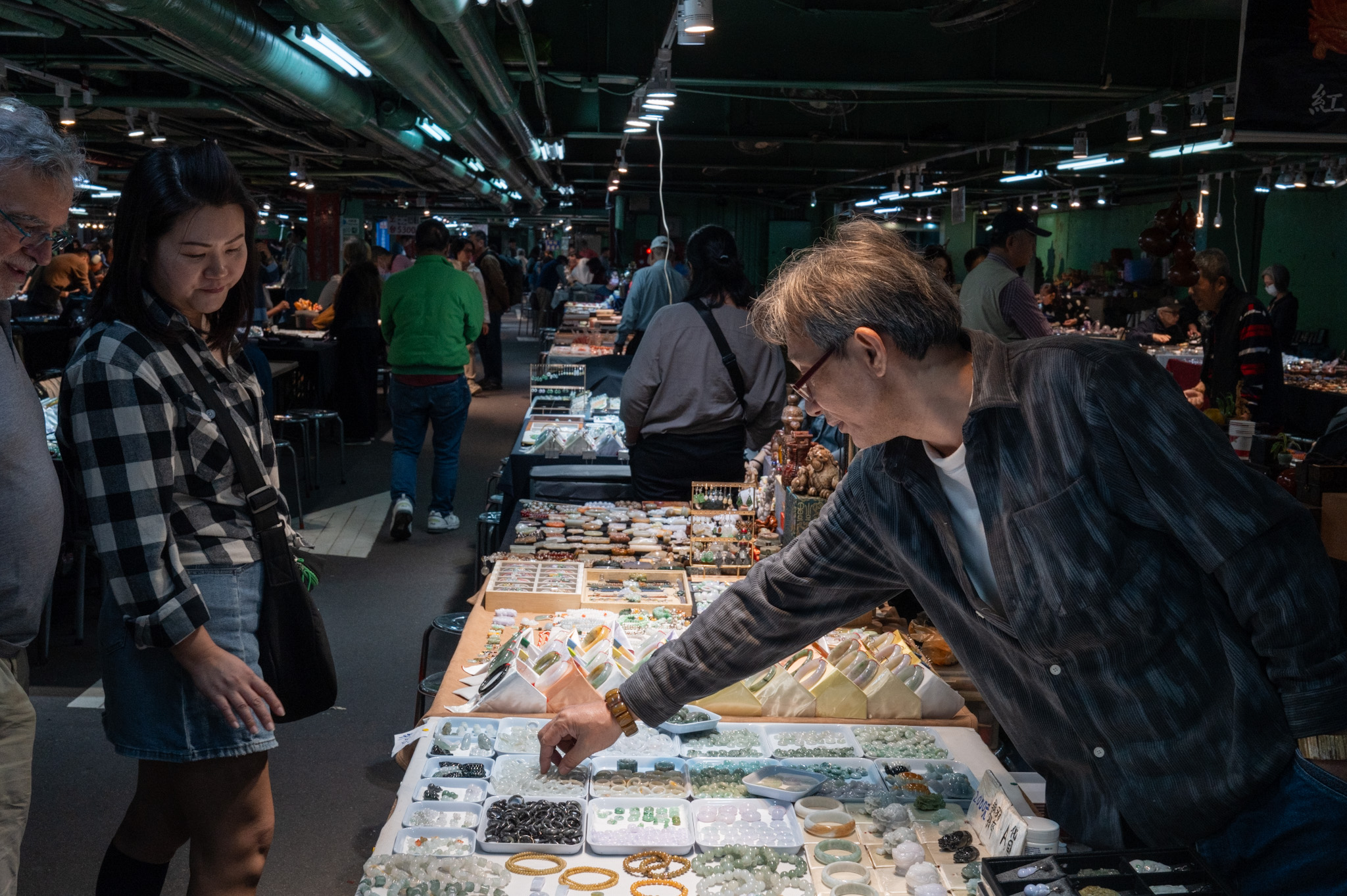
I watched an elderly woman choosing a pendant shaped like a small cabbage—a symbol of wealth—and the seller explaining the different hues of green, from the almost
translucentice-jade to the deep imperial tones. Nearby, a man rubbed a jade bracelet gently between his fingers, feeling its smoothness, the way jade always seems to be neither cold nor warm, but
alivewith its own quiet temperature.
What struck me most, however, was the sense of community. This market is not built for
outsiders. There are no Western tourists bargaining loudly, no multilingual signs, no curated ‘authentic’ experiences. Instead, it feels like walking into a family gathering, where everyone knows the unwritten rules. The rhythm is slow,
respectful. You sit, you listen, you learn. You touch the jade only when invited. You understand that every stone carries a
story, and every seller is a storyteller.
As I left, sunlight filtered through the highway structure, lighting the flowers on one side and the jade on the other—a perfect
metaphorfor Taiwan itself, suspended between tradition and
modernity, between soft petals and solid stone. Jianguo Market is not a must-see attraction; it is a must-feel one. A place where Taipei reveals itself quietly,
intimately, beautifully—only to those willing to walk beneath the highway and share a moment with its people.
This is likely my last newsletter from Taiwan, as I fly back home to Abu Dhabi tomorrow. There, I will finally have the time to sift through the many photographs I’ve taken—images that deserve a
deeper reflectionand proper documentation of this remarkable island.
I leave with a vast luggage of experiences, emotions, memories, and
storiesthat will certainly inspire further writing. I arrived with curiosity; I’m departing with knowledge, perspective, and new
friends.
Thanks again to Garen for the help, guidance and suggestions: she really made my time in Taiwan! Thanks also to my
Leica Q3 43, for helping me in tracking memories, where eyes are getting way too tired.