
There are moments when
repressiondoes not arrive with tanks or gunfire, but with paperwork, court dates, and the slow suffocation of words. Hong Kong is living one of those moments. And at its center stands Jimmy Lai — a frail, stubborn figure whose imprisonment tells the story of a city losing its voice.
Jimmy Lai is not a revolutionary in the romantic sense. He did not grow up throwing stones or quoting manifestos. He arrived in Hong Kong as a poor refugee from mainland China, a teenager who escaped famine and ideological suffocation. In the former British colony he found something rare: a system where effort could become opportunity, and where speaking freely was not a crime. He built a fortune in fashion, then something far more dangerous — a
newspaper.
Apple Dailywas loud, populist, imperfect, sometimes crude. But it was
free. And in Hong Kong, that mattered more than elegance. It spoke in a language people understood, questioned power openly, and refused to bend when Beijing’s shadow began to stretch across the harbor.
That refusal is why Jimmy Lai is in
prisontoday.
Officially, he is accused of fraud and of violating the National Security Law. In reality, his crime is simpler: believing that the promises made to Hong Kong were meant to be kept. “One country, two systems” was supposed to protect
freedom of speech, an independent judiciary, and civil liberties for fifty years after the 1997 handover. That promise is now an empty shell.
The National Security Law imposed by Beijing in 2020 changed everything. Its language is deliberately vague; its reach is absolute. “Subversion,” “collusion,” “secession” — words elastic enough to stretch around almost any act of
dissent. Courts that once prided themselves on independence now operate under political gravity. Bail is denied. Trials are delayed. The process itself becomes the punishment.
Jimmy Lai’s trial is emblematic. A man in his mid-seventies, repeatedly denied bail, facing charges that could imprison him for life. His newspaper has been shut down, its assets frozen, its journalists harassed or forced into exile. Newsrooms emptied not by force, but by fear.
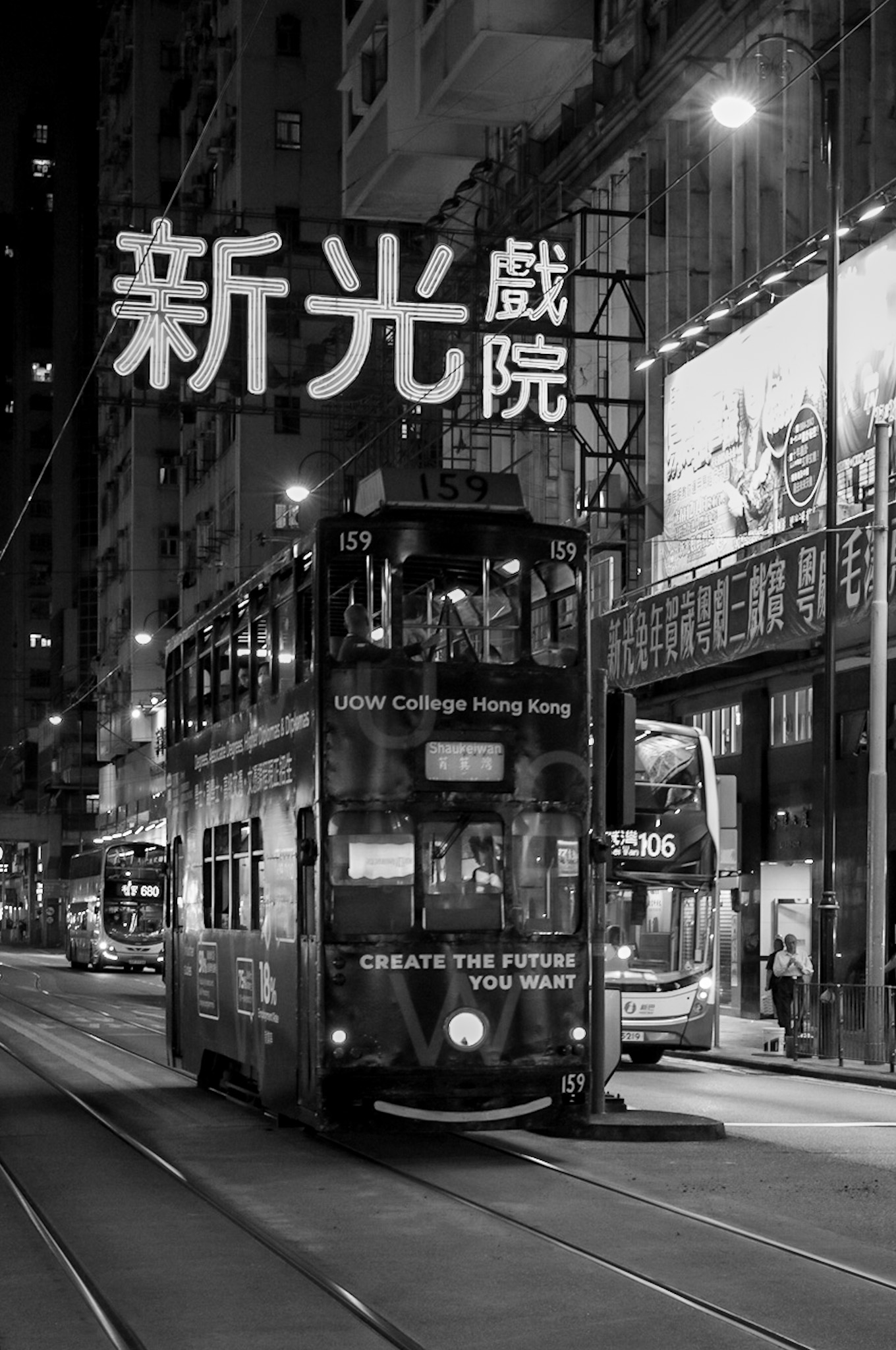
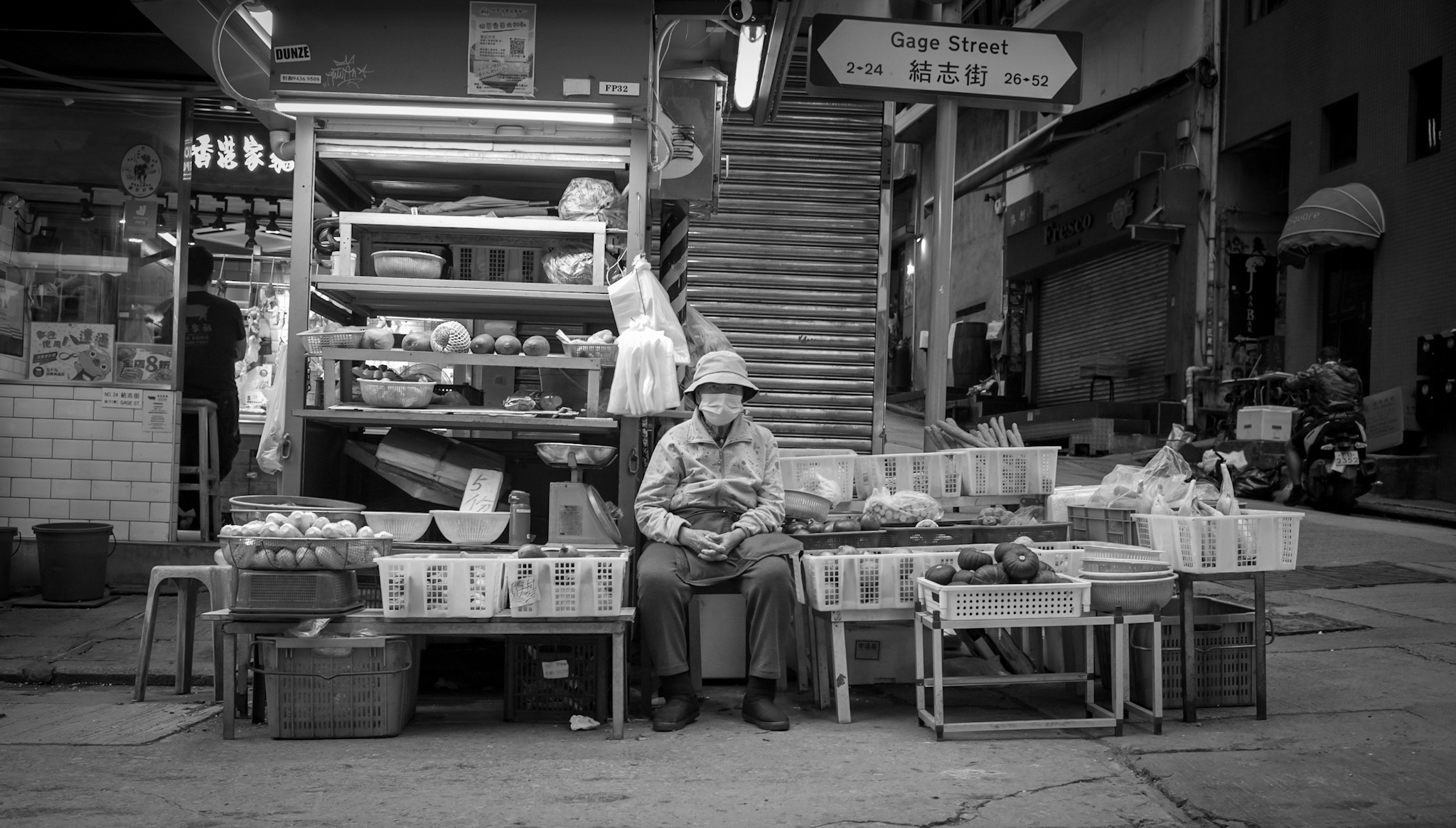
Walking today through Hong Kong, you feel something subtle but
profoundhas changed. The city still functions. Trams run. Malls sparkle. Finance flows. But the conversations have shifted. Voices
lower. Jokes stop halfway. Words are weighed before being spoken. The city has learned caution — the first reflex of an unfree society.
China insists this is about stability. That dissent threatened order. That foreign forces poisoned Hong Kong. It is a familiar script. Order over liberty.
Harmony over truth. But stability built on silence is brittle. It does not resolve tension; it buries it.
Beijing’s approach to Hong Kong is not an anomaly — it is a template. Control the
narrative. Criminalize memory. Redefine patriotism as
obedience. The repression is not only political; it is cultural. History is rewritten. School curricula adjusted. Media domesticated. Even language is disciplined.
Jimmy Lai resists this not with weapons, but with presence. He has refused exile. Refused deals. Refused silence. In court, he stands as a reminder that
freedom is not abstract— it is embodied. It lives, or dies, in individual choices.
What makes his story particularly uncomfortable is that it exposes the fragility of assumptions many of us held. That economic integration would soften authoritarianism. That prosperity would lead to openness. That Hong Kong’s uniqueness was irreversible. All comforting ideas.
All wrong.
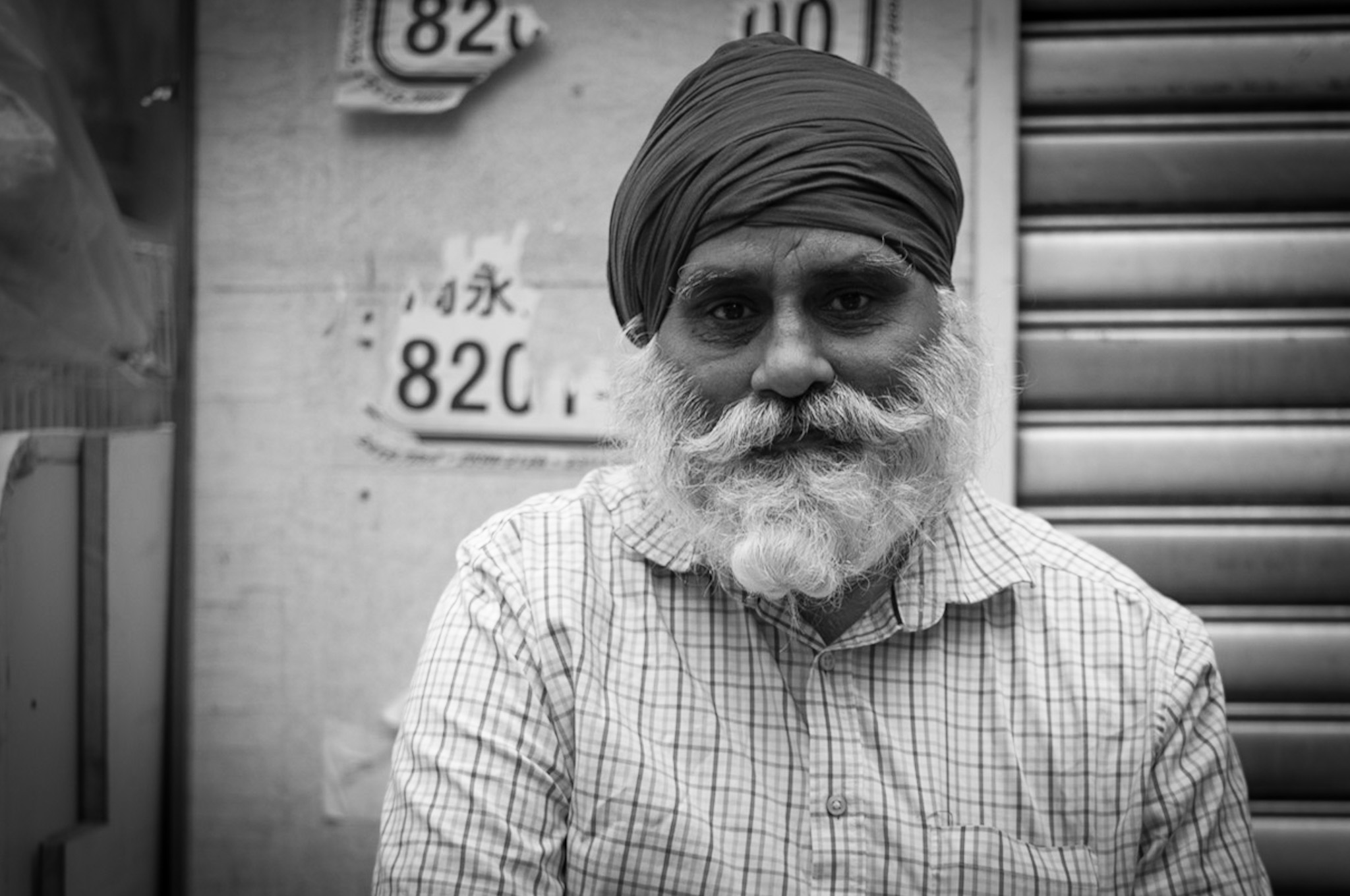
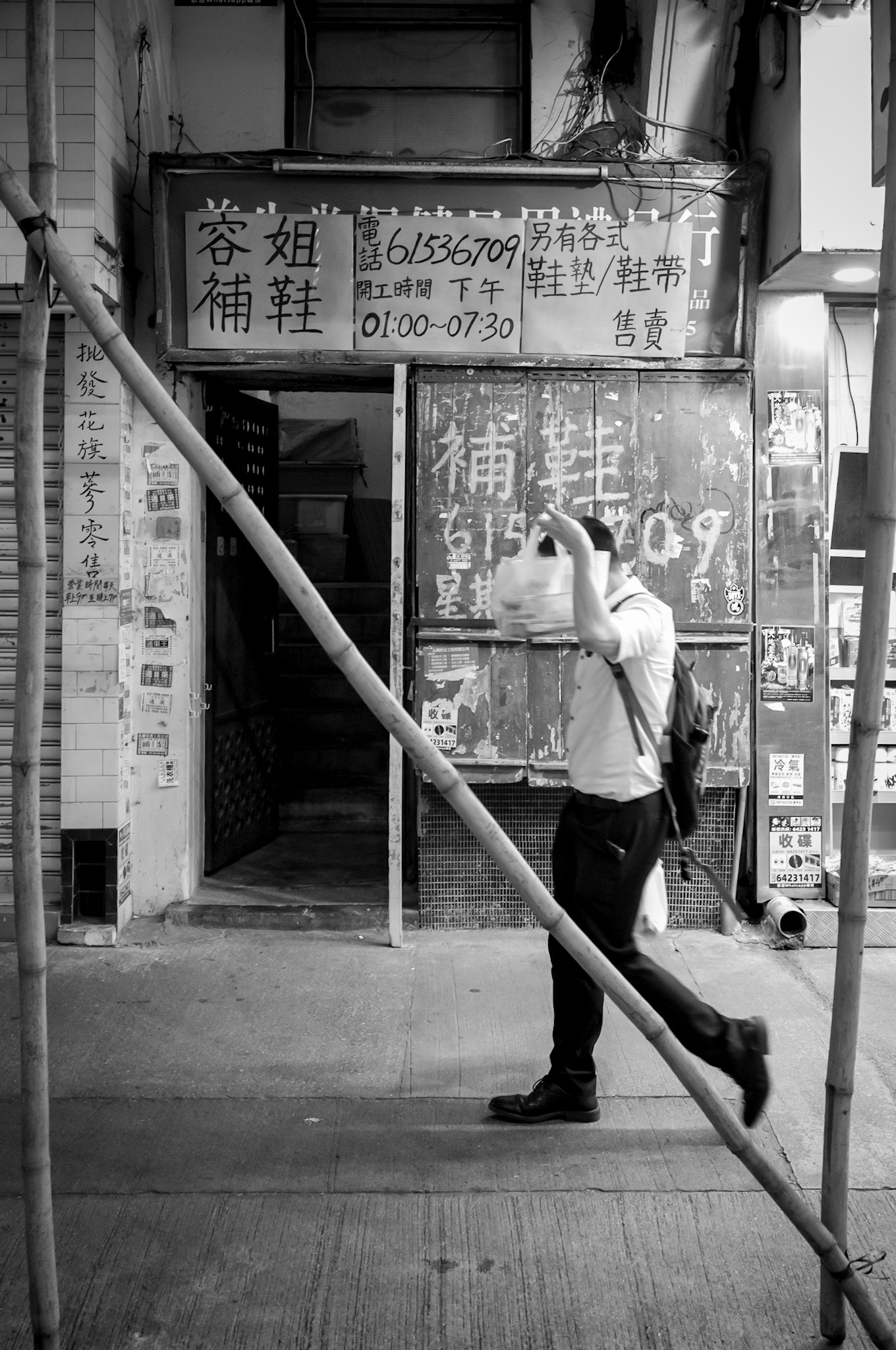
The former British colony was not swallowed overnight. It was compressed. Gradually.
Methodically. Through laws, arrests, and the quiet removal of alternatives. By the time the world noticed, much of the damage was already done.
Jimmy Lai’s imprisonment is not just about one man. It is about the
messagesent to every journalist, publisher, teacher, and citizen: freedom is conditional, temporary, revocable. It exists only at the pleasure of power.
In my travels through Asia, I have learned that
repressionrarely announces itself loudly. It prefers bureaucracy to brutality,
procedureto spectacle. Hong Kong today still looks free — but it no longer sounds free. And silence, once learned, is hard to unlearn.
History will remember Jimmy Lai not for his wealth or his newspaper, but for his refusal to accept that
silencewas inevitable. In a city taught to lower its voice, he chose to speak until the end.
And that, perhaps, is the
most dangerous actof all.
It is not the first time I have written about Hong Kong’s changes, or about the transformations the Chinese government is pushing through to uproot the independence and civic culture that defined this place for decades. I fear that, before long, there will be very little left to say.
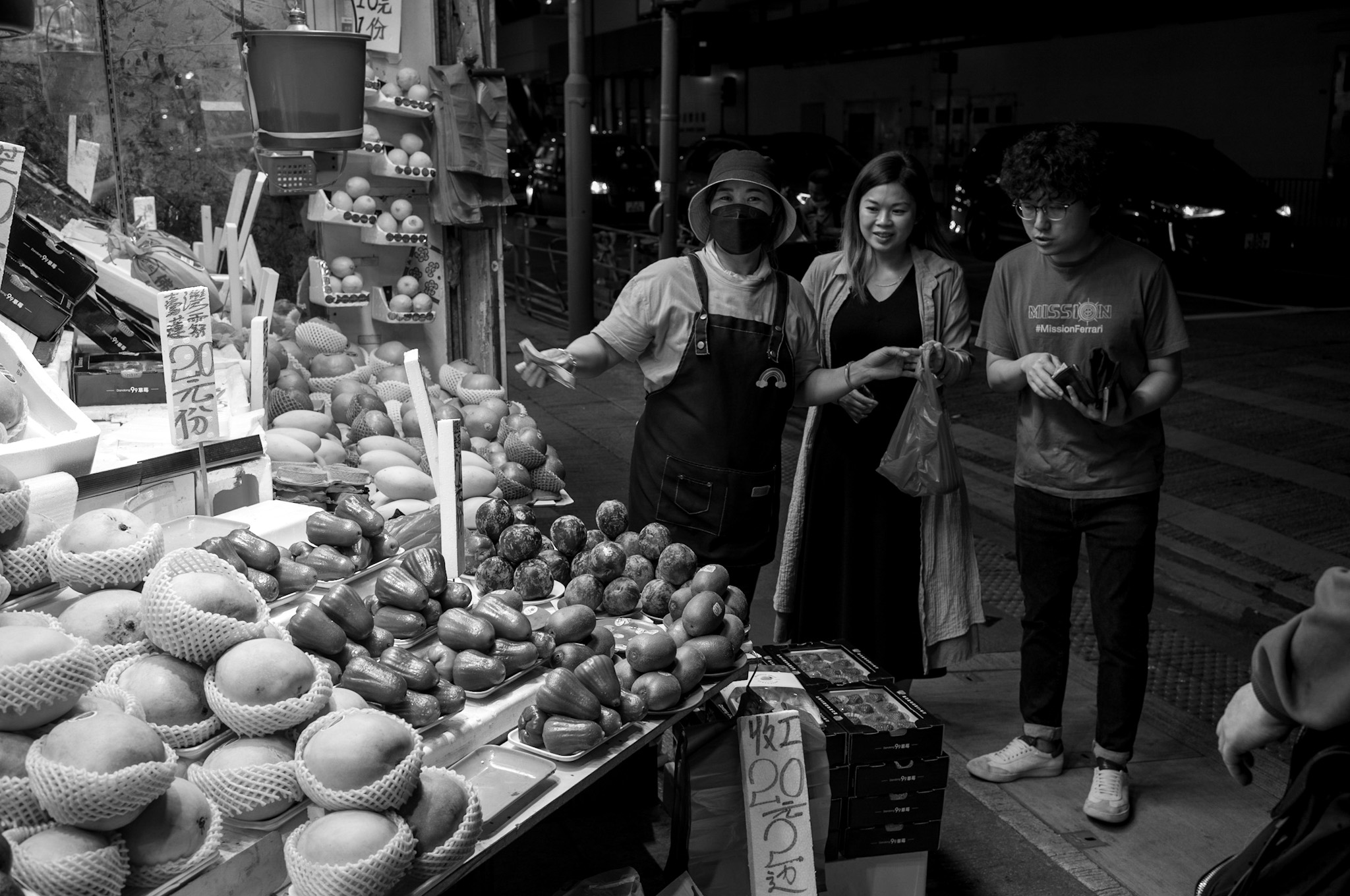
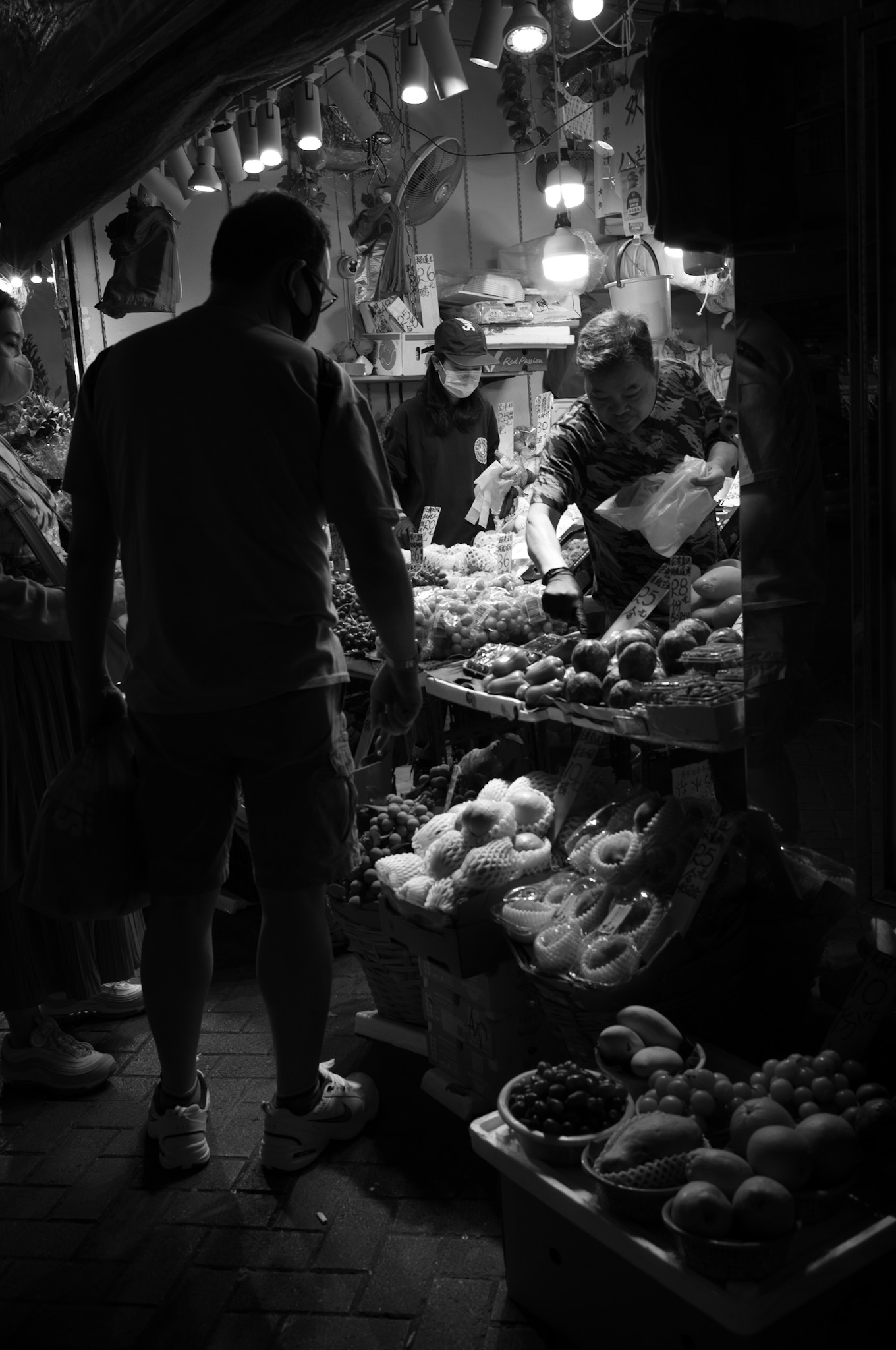
Photos from walks in the night across North Point and Central in HK, hand in hand with my
LeicaM11 Monochrom and Summilux 35mm.