Saudi Arabia today feels like a country driving with the accelerator pressed hard—while one eye keeps flicking to the
fuel gauge. Let me start by saying that Vision 2030 was never meant to be subtle. Launched in 2016, it promised to
remakethe Kingdom’s economic engine, reduce dependence on oil, pull global capital into Riyadh, and turn tourism, logistics, tech and entertainment into pillars strong enough to carry a post-petroleum future. In its purest form, it is a
wager on time: use the oil years to buy a different economy before the oil years begin to fade.
From the outside—especially if you’ve watched the Gulf for decades—what is striking is not the ambition (Saudi Arabia has always thought big), but the willingness to
operationalize ambitionat industrial scale: dozens of giga-projects, parallel megaprogrammes, a sovereign wealth fund (
PIF) acting like a national constructor, and a calendar full of global deadlines that do not negotiate: Expo 2030 in Riyadh, the
2034 FIFA World Cup, a constant pipeline of cultural and sports events designed to change perception as much as GDP.
And yet, if you listen carefully, the tone has shifted.
Not a retreat. More like a
recalibration—what financiers call “reprioritising”, what engineers call “value engineering”, and what politicians try to frame as maturity: the moment when renderings collide with supply chains, labour capacity,
financing costs, and the hard physics of building in the desert.
The most visible symbol of this shift is NEOM, the futuristic constellation on the Red Sea that became the glossy avatar of Vision 2030. In particular, The Line—the mirror-walled linear city that once looked like
science fiction used as policy. Reports over the last two years have consistently described a scaling back of near-term targets, with construction focus narrowing to an initial segment measured in a few kilometres, tied in part to the utility of a stadium and World Cup-related deadlines, after which “future plans will be evaluated.”
That change matters not because smaller is necessarily failure—phasing is rational—but because The Line was the narrative engine: the proof that Saudi Arabia could
skip incrementalismand jump straight to the future. When the flagship is adjusted, everything else is quietly allowed to be adjusted too.
And adjustments are spreading across the wider project landscape.
The Kingdom is not “stopping” Vision 2030. It is selecting which parts must happen now, which parts can happen later, and which parts may
never happenin their original form. That is the real story behind the rumours of cancellations: fewer dramatic press releases, more internal reviews, more redesign requests, more timelines pushed out, more contractors facing pauses while scopes are rewritten.
The drivers are not mysterious.
Oil prices fluctuate; interest rates bite; imported expertise is expensive; and local capacity—construction, project management, regulation, procurement—can only stretch so far before it tears. Even a sovereign balance sheet has rhythm: cash in, cash out, debt raised, debt serviced. Reuters reported Saudi Arabia arranging a $13 billion syndicated loan linked to utilities—an unglamorous but revealing sign of the
financing machinethat sits underneath the glamour.
PIFitself has signalled pressure. One recent report described an $8 billion writedown on “giga-projects” in its 2024 reporting, alongside lower returns and the reality of
impairments—accounting language for projects that are costing more, taking longer, or delivering later than planned.
Then there is the tyranny of fixed dates. The World Cup is not a concept; it is a deadline. Reporting in late 2025 described cost-cutting and redesign requests affecting stadium plans, with timelines pushed back and scope questioned—exactly the kind of downstream effect you get when a national programme tries to do
too many hard things at once.
So how many projects have been stopped or cancelled?
That’s the uncomfortable part: Saudi Arabia rarely uses the word “
cancelled” for something that once carried political symbolism. More often, it becomes “rephased”, “reviewed”, “re-scoped”, “delayed”, or folded into a narrower deliverable that can be inaugurated on camera. The practical outcome may look like a stop, even if the official language refuses it.
Still, the public messaging is evolving. In December 2025, Saudi Finance Minister Mohammed Al-Jadaan was quoted saying the Kingdom has “no ego” about cancelling mega-projects—an
unusuallyblunt admission that not everything conceived in the first surge of Vision 2030 will survive contact with budgets and reality.
If you want to understand what’s happening in Saudi Arabia now, don’t start from the renderings.
Start from the governance.
Vision 2030 is moving from a phase of announcement to a phase of triage. The Kingdom is deciding what creates
real economic gravity—jobs, skills, housing, logistics, repeatable tourism demand—and what remains an expensive monument to ambition. In that sense, the stopping of some projects is not necessarily a sign of collapse. It may be the first sign of adulthood.
But there is a price to
recalibration: credibility.
For years, Saudi Arabia sold the world an idea: that the future could be built fast, top-down, with enough capital and willpower. If the future now arrives slower, in smaller segments, under stricter cost control, the Kingdom will have to replace spectacle with
proof—less “look at this”, more “this works”.
And perhaps that is the real test of Vision 2030 in 2026: not whether it can dream, but whether it can
deliver—quietly, repeatedly, and at scale—without needing a mirror wall to persuade you.
For more than 25 years, I have had the opportunity to observe the Kingdom of Saudi Arabia not only from close range, but very often—and even recently—from the inside. I mean this not merely in a geographical sense, but through my work as a consultant.
It is difficult not to feel conflicted when it comes to civil rights, freedom of expression, and the country’s extremely limited tolerance for dissent. At the same time, one cannot ignore the transformation of a nation that, until a few decades ago, was largely sand and desert, with little commercial or economic relevance before the discovery of oil.
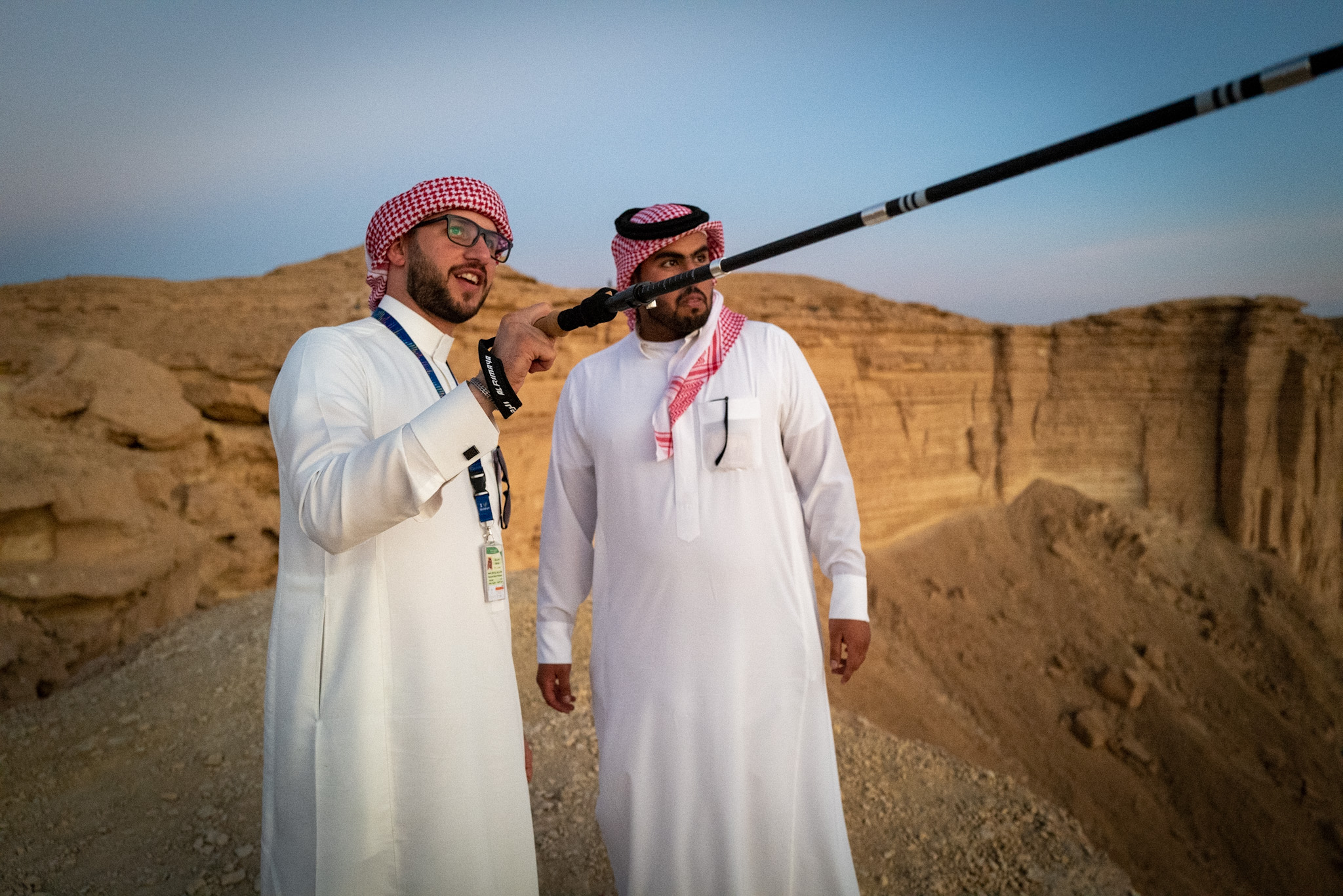
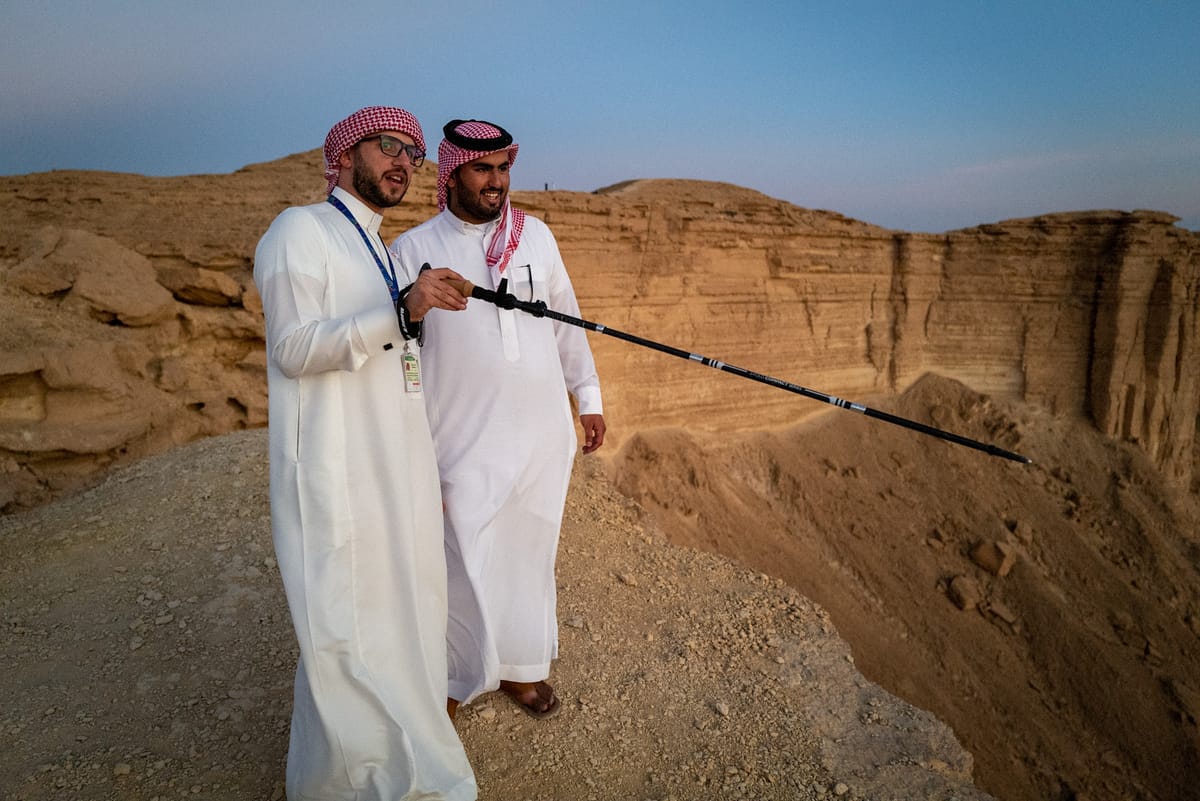
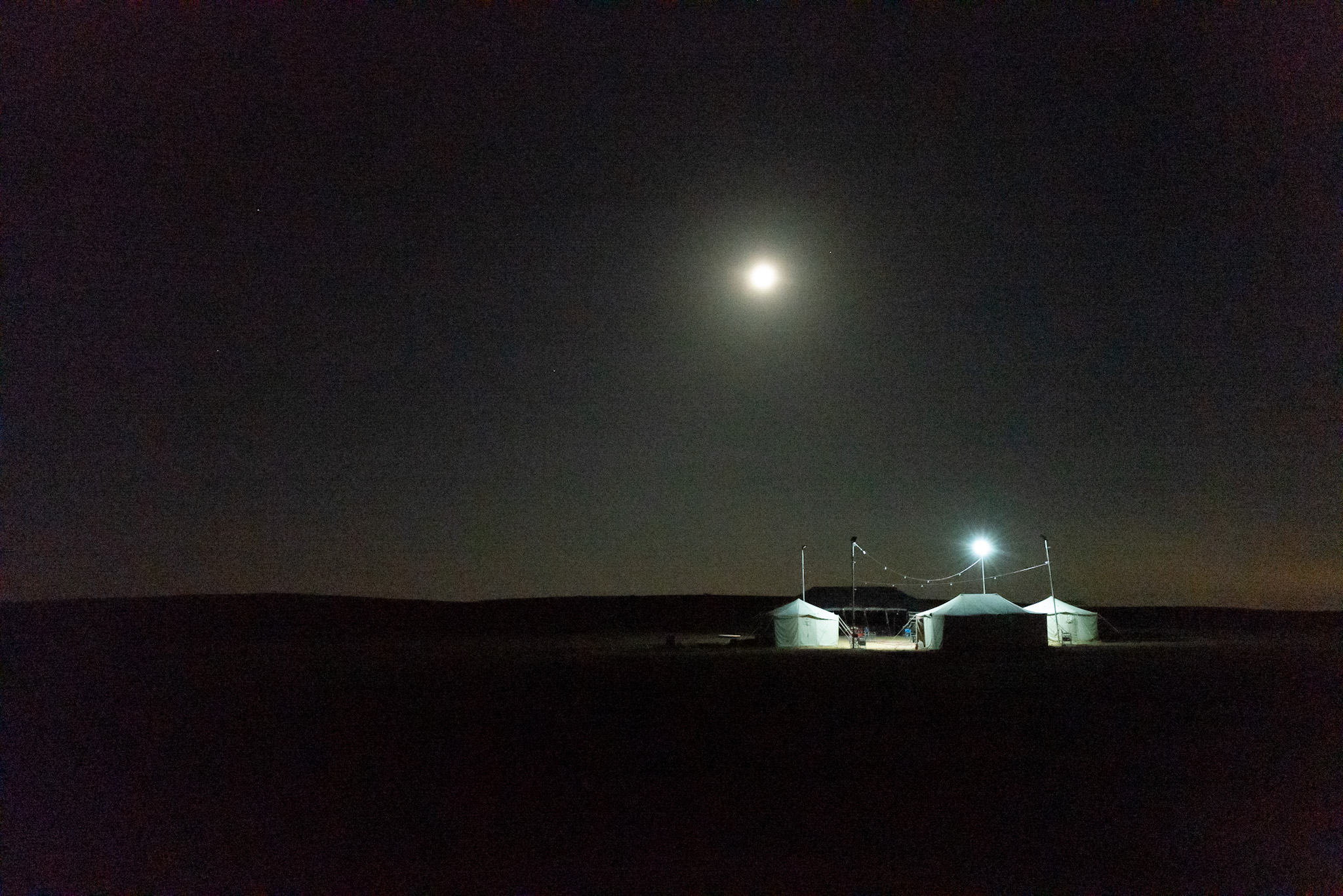
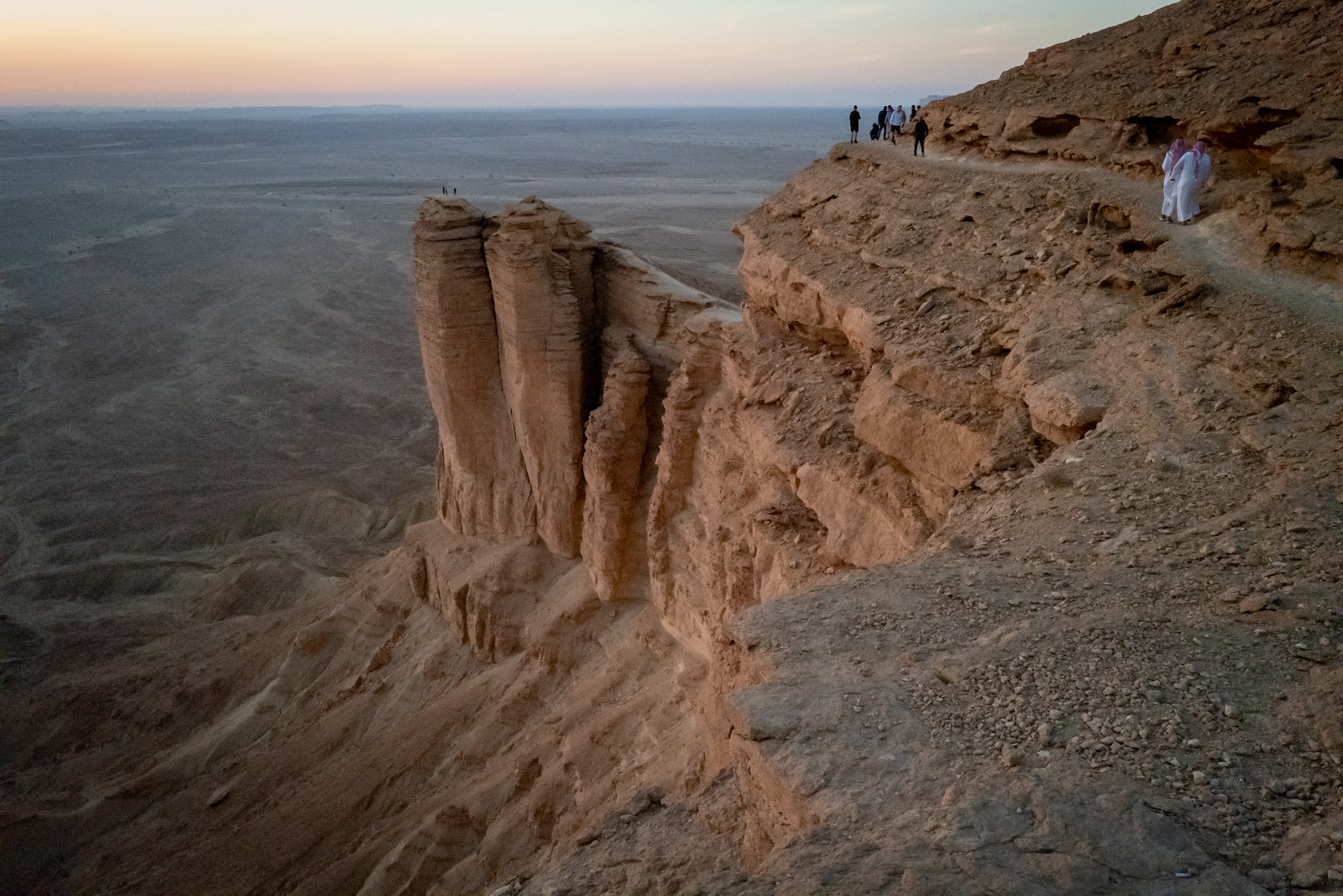
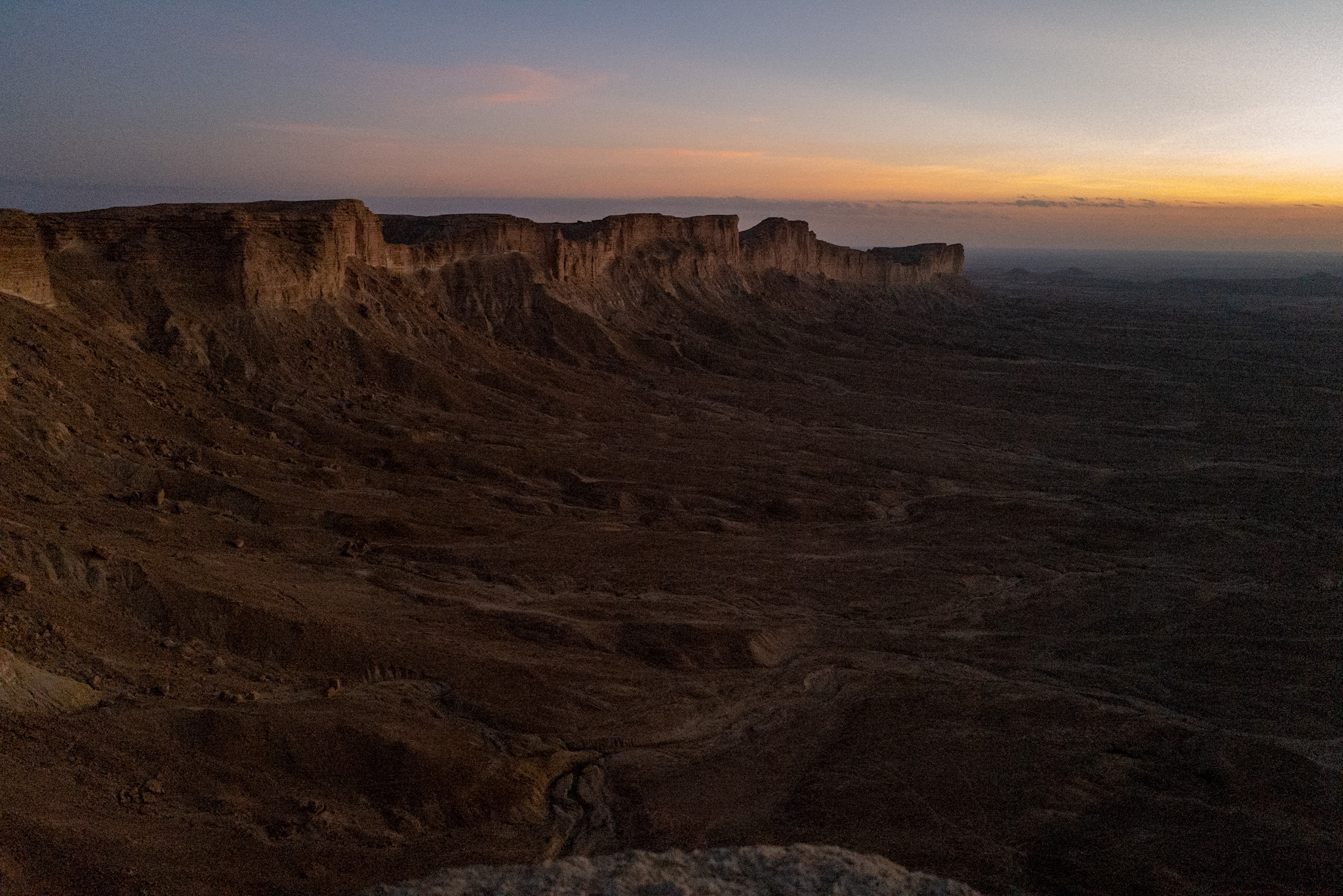
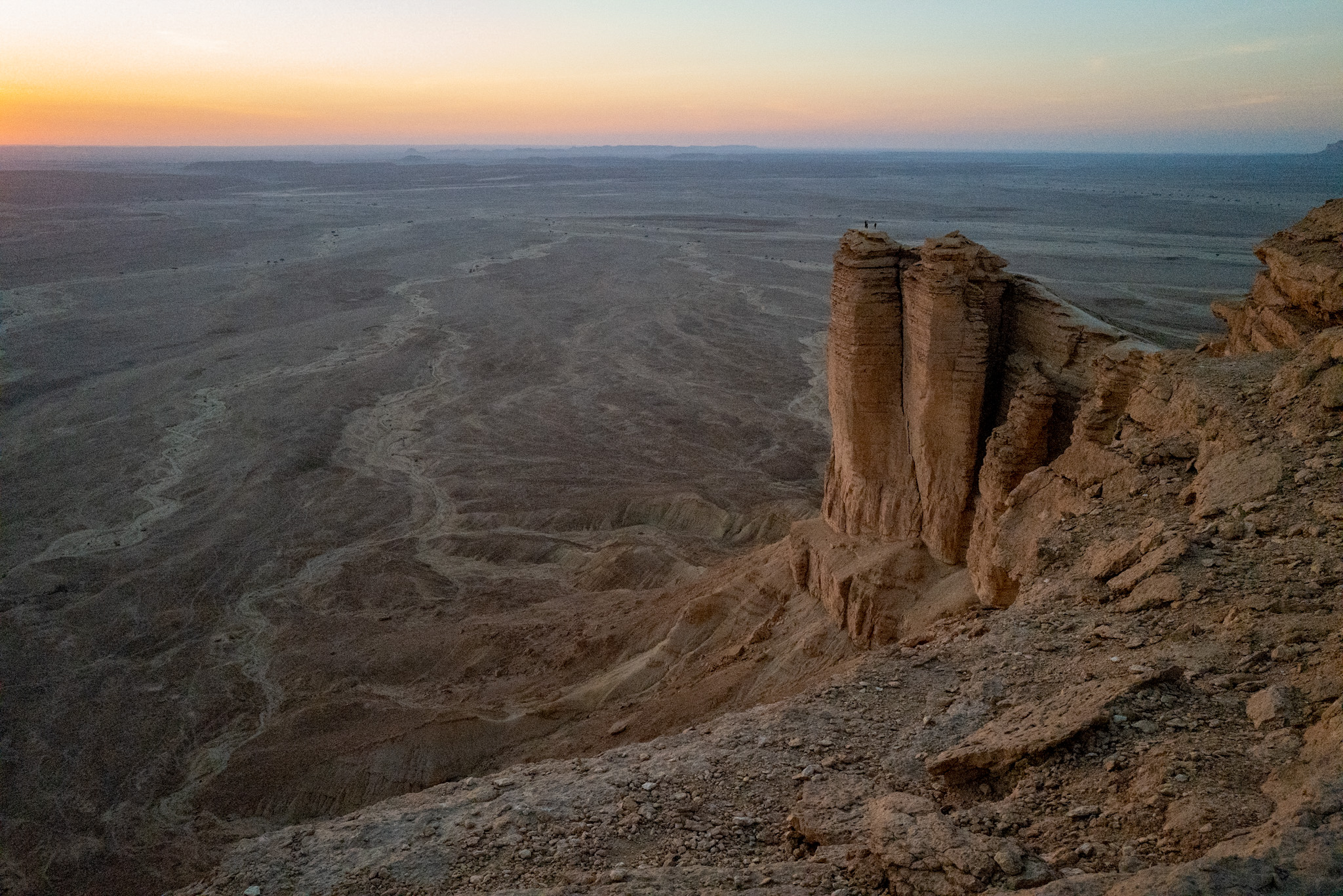
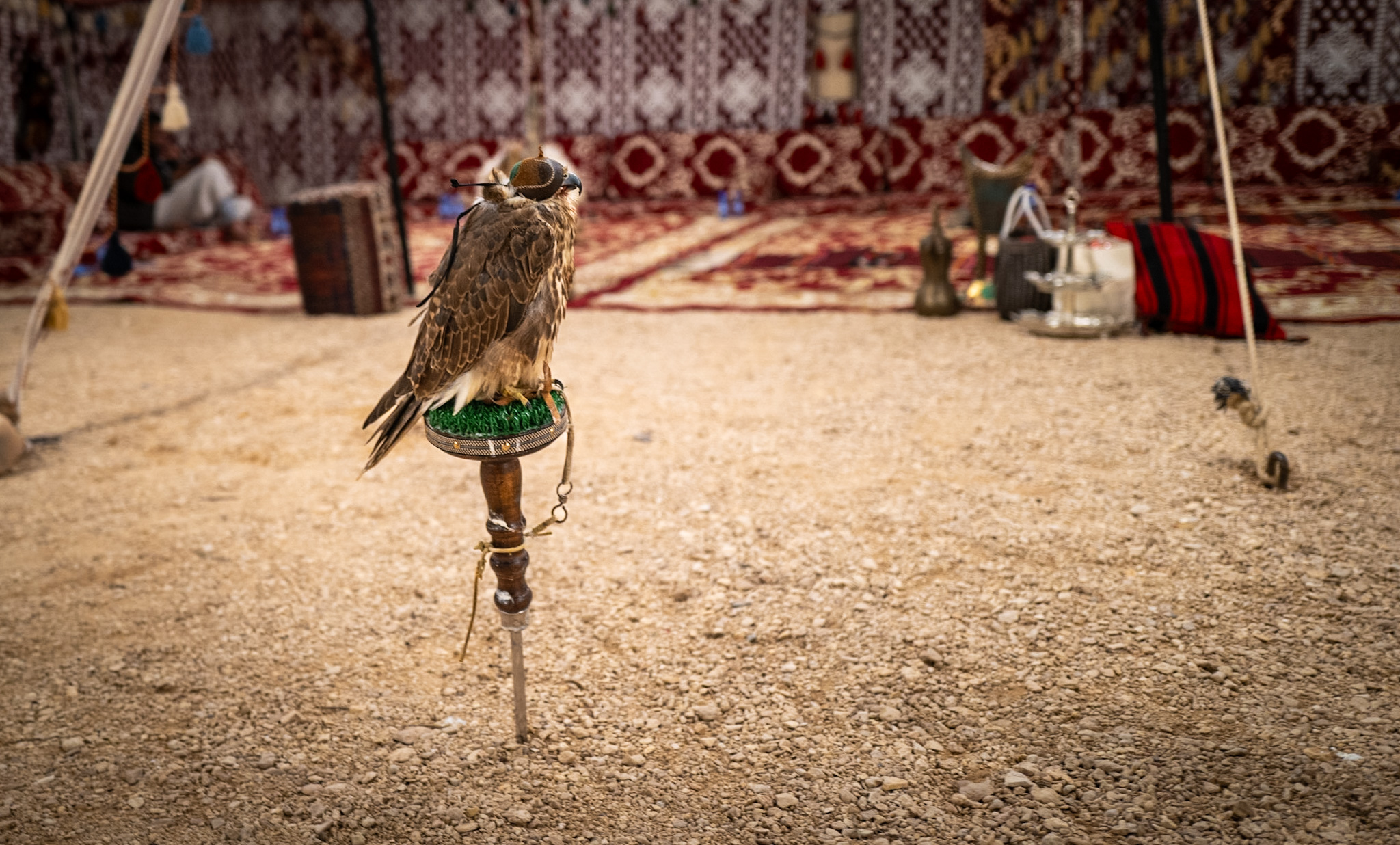
The photographs were taken at the Edge of the World, during December 2019, using a
Leica Q2The Edge of the World is a dramatic cliff formation rising abruptly from the desert northwest of Riyadh, where the Tuwaiq Escarpment seems to fall away into infinity. From the edge, the land stretches flat and silent to the horizon, creating the illusion that the world simply ends there. Once an ancient seabed, the site combines geological depth with an almost unsettling sense of scale and isolation—raw, austere, and profoundly Saudi.