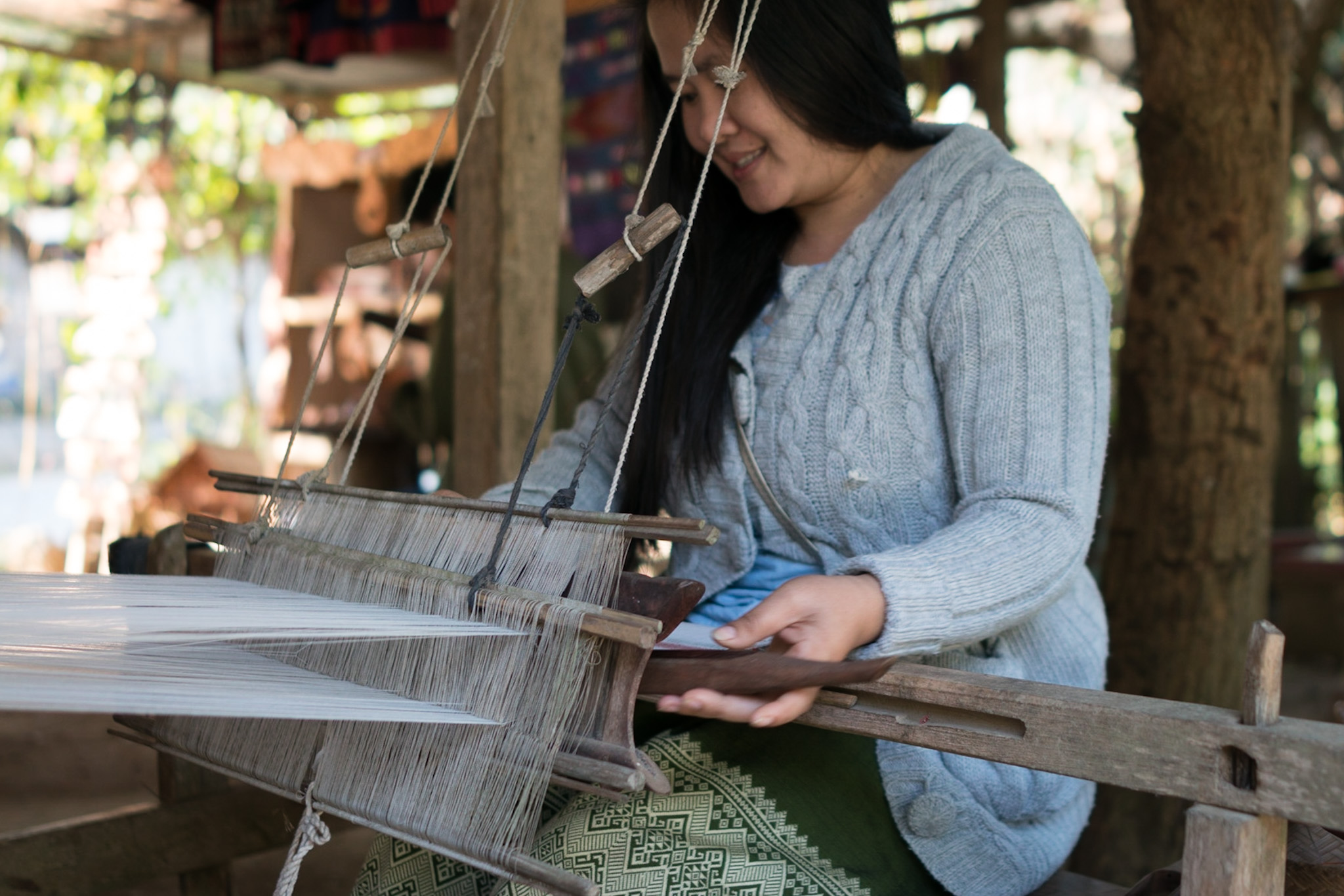

Another chapter of the “
Garibaldi Talks” series — today focusing on the outlook for the Lao People’s Democratic Republic (LPDR). My previous articles explored Thailand, Malaysia, and Cambodia.
In the verdant heart of the Mekong basin, Laos finds itself at a crossroads, with growth already muted and structural vulnerabilities exposed, and the outlook for 2026 paints a picture of
restrained expansion, even as the government sets ambitious sights on a longer-term recovery.
After a challenging year, Laos is expected to grow by around 3.5 % in 2025, according to the World Bank. The Asian Development Bank projects a slightly firmer pace of about 4.0 % in 2026, with 3.9 % pencilled in for 2025. These
modest gainsreflect a transition from post-pandemic recovery toward a more structurally constrained growth path.
Key drivers of this modest rebound include the continued expansion of tourism and transport services, and the push to monetize the country’s
hydropowerand
mineralassets. Yet even as these sectors regain momentum, the legacy of high inflation, currency instability and heavy external debt will temper any sharp acceleration.

Inflation in Laos has been elevated. The ADB flagged inflation of around 23 % in 2024 and forecasts a decline to about 13.5 % in 2025 and further to 10.4 % in 2026. A
gradual easingis welcome, but single-digit inflation remains some way off. The currency, the kip, has faced continued pressure, and the economy remains deeply
dollarised—foreign currency deposits make up roughly 69% of broad money. High external debt further complicates the picture: public and publicly guaranteed debt was estimated at over 100 % of GDP, per the World Bank.
The upshot: Laos’ macro-stability remains fragile. Debt repayments and weak foreign exchange
reserveslimit policy flexibility and leave the country vulnerable to shocks—whether a downturn in regional demand, a weaker kip or a spike in global interest rates.
Structural issuesremain entrenched. Agriculture—employing the bulk of the population—suffers from low productivity, limited irrigation and vulnerability to climate shocks. Meanwhile, expanding industrial and services capacities remains hampered by weak infrastructure, cumbersome
regulatoryprocesses and a landlocked geography.
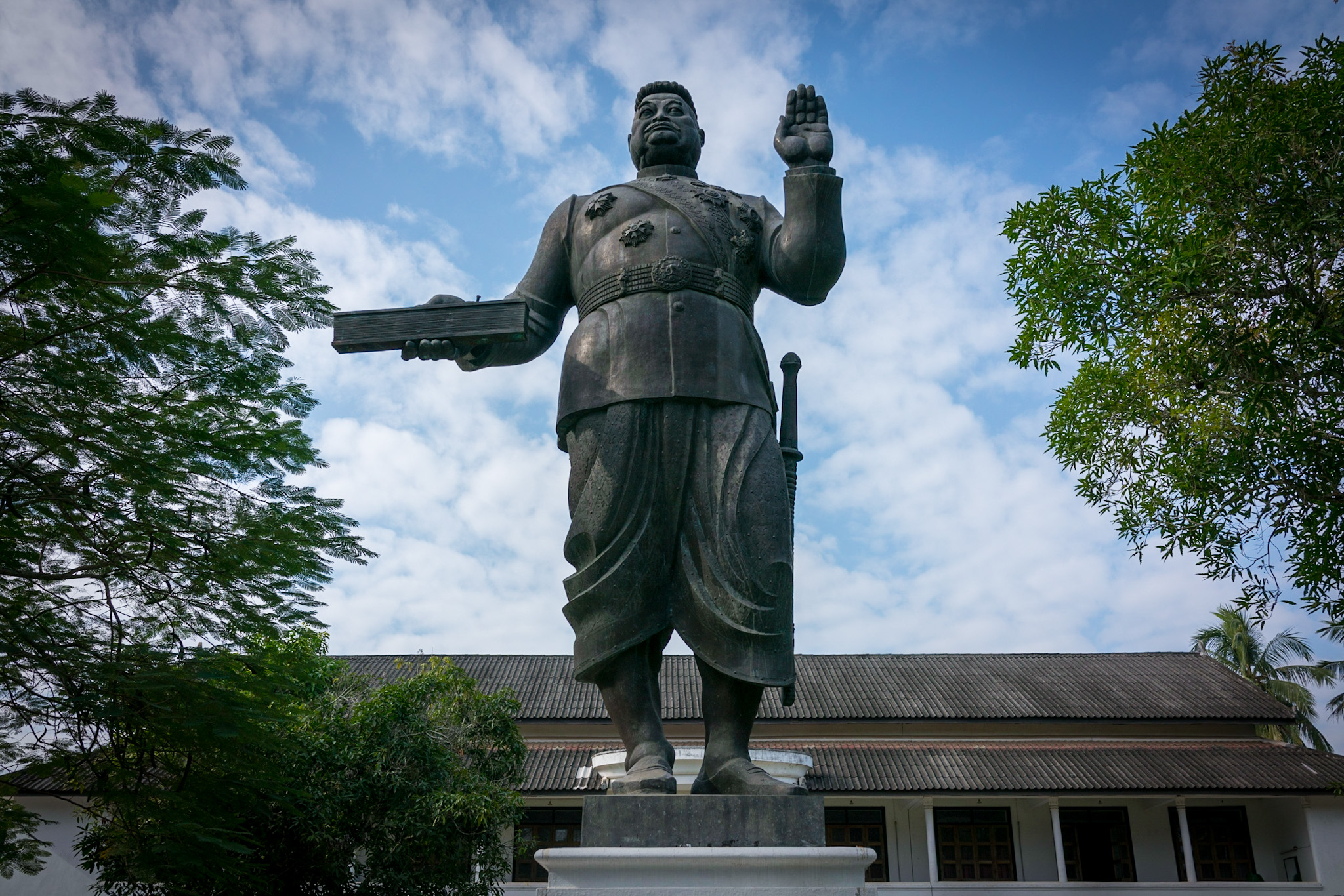

In response, Vientiane has set a target of 5 %+ average growth from 2026–2030. To move in that direction, the policy agenda has emphasised three priorities: fiscal adjustment, monetary discipline and
targeted reformsto open investment and promote hydropower exports.
Indeed, the government’s 2026 blueprint emphasises human-capital investment, renewables, digital economy and agriculture modernisation. But such structural transformation takes time—meaning 2026 looks more like a transition year than a
breakoutone.
Putting the pieces together, the picture for 2026 is one of steady but unspectacular growth, perhaps around 4 %. Inflation is expected to continue easing but likely remain in the high single digits to low double digits. Fiscal discipline will constrain public spending, but improved revenue collection offers some upside. On the external front, growth will be supported by hydropower exports, services recovery (especially tourism) and mining—but exposed to risks from
regional demand softening, exchange-rate volatility and debt rollover stress.
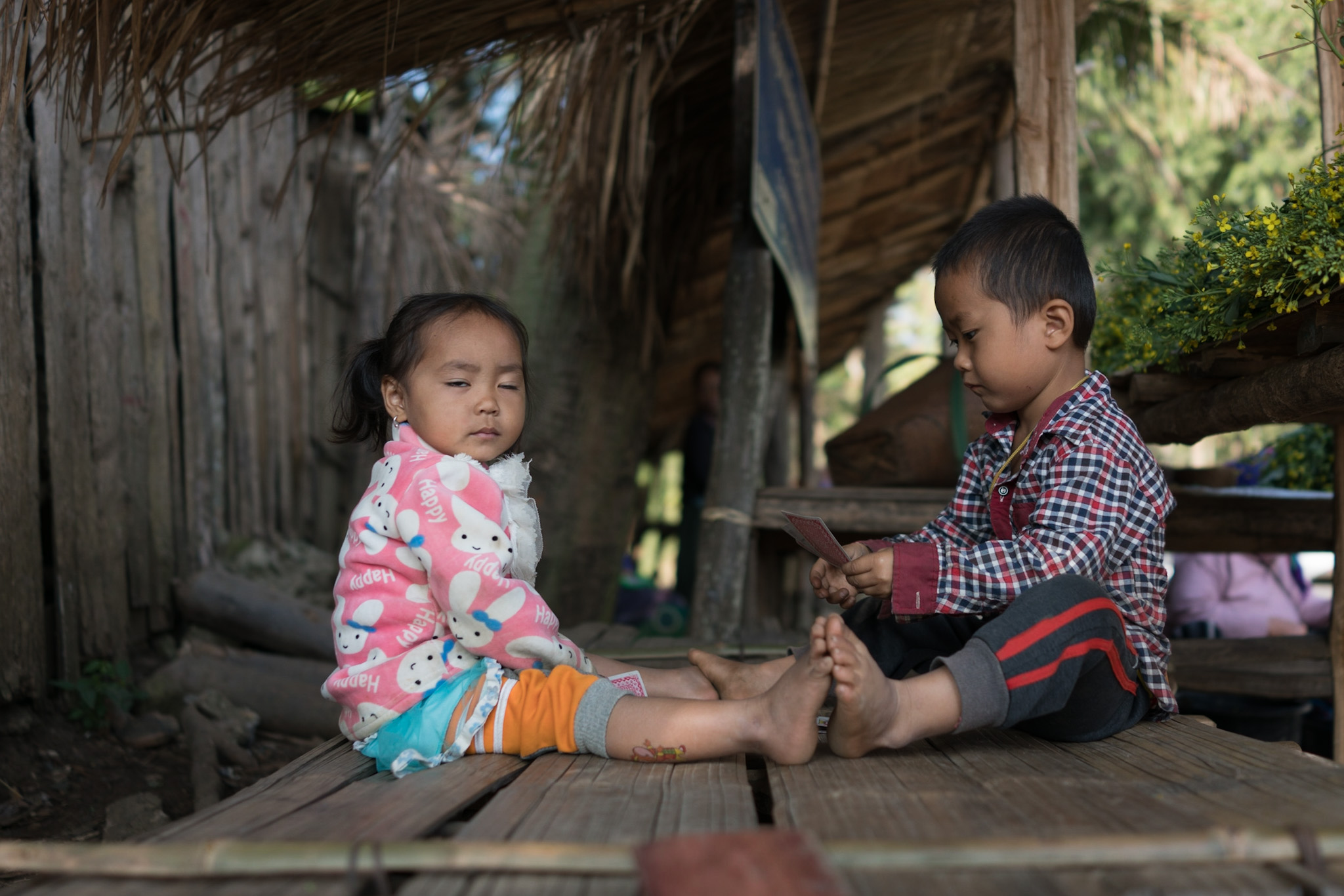
Politically, the upcoming parliamentary
electionsdue by early 2026 add an element of uncertainty, although the one-party apparatus of the ruling Lao People’s Revolutionary Party
limitsabrupt policy shifts.
Key risks from my foggy crystal ball
- A sharp kip devaluation or renewed inflation surge could derail the modest recovery.
- Heavy external financing needs and potential interest-rate shocks remain a tail-risk.
- Global demand headwinds—especially in hydropower, minerals and tourism—could weaken the drivers of growth.
- Delay or reversal of structural reforms may leave Laos stuck in low-growth inertia.
In conclusion, Laos, 2026 is unlikely to herald a return to the high-growth era of the early 2010s. Instead it is shaping up as a year of consolidation—slower than perhaps policymakers would like, but arguably more grounded in
reality. If Vientiane can keep macro-risks in check and steer the structural agenda forward, the stage may be set for the more sustained acceleration the country envisions for the latter part of the decade. But absent that discipline, Laos risks falling into the trap of moderate growth, without the breakthrough it so clearly desires.
In December 2017, while spending an extended stretch in Bangkok, I decided to take a short escape to
Luang Prabang, Laos — a destination beloved by the new generation of digital nomads and modern-day hippies. There, I found a rare sense of peace and simplicity in the people, their culture, and enduring traditions, spending a few unforgettable days with my trusty little Sony RX1RII single-lens camera.