After a series of serious articles and economic forecasts, as Virgil would say, “
paulo majora canamus”—let us now turn to a lighter subject: a fashion topic that takes us back to China. Those of you who are interested in the topic, could also check my other article la canottiera
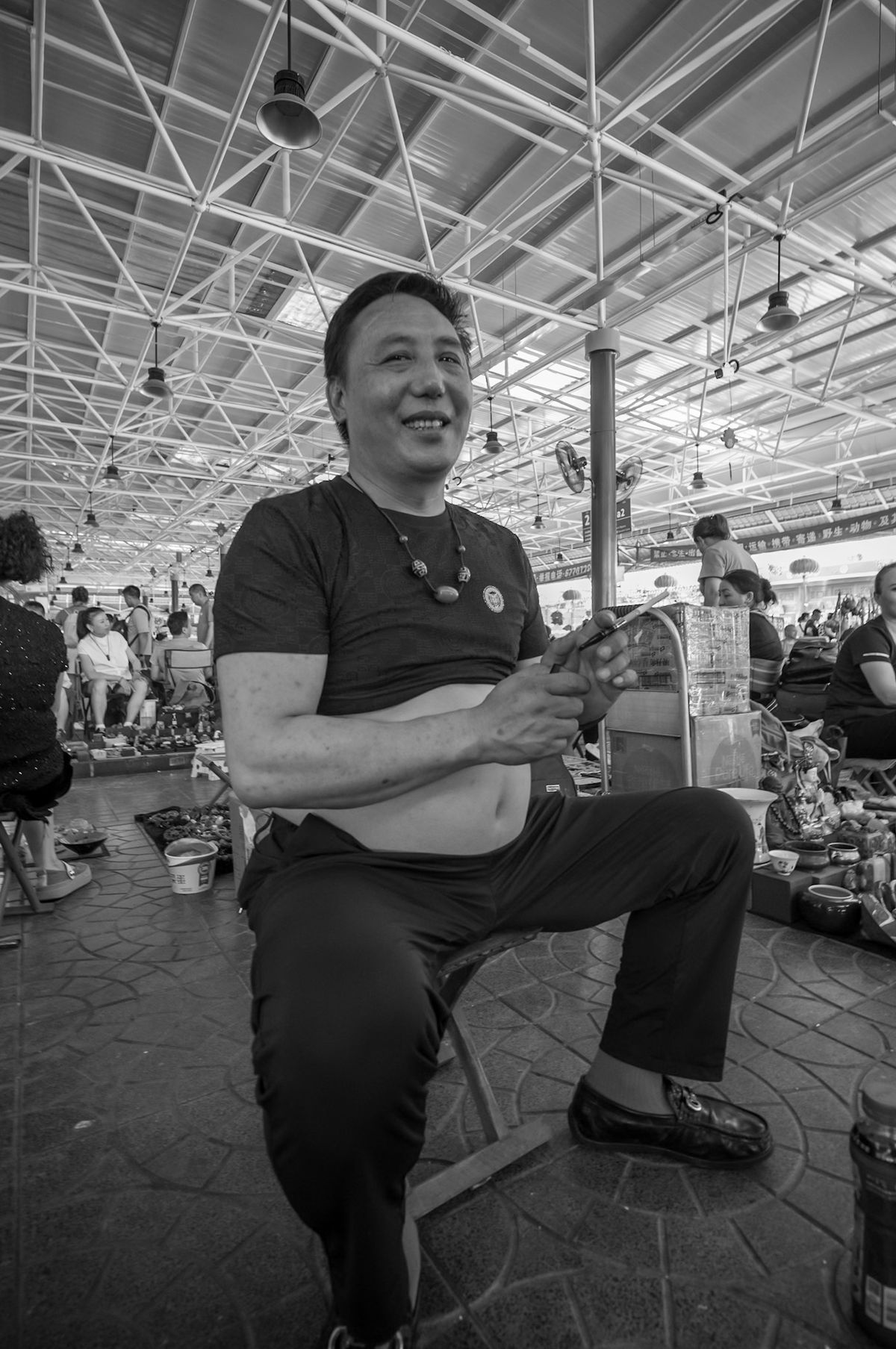
In a nation known for its tight controls, there remains one form of expression that not even the most vigilant authorities dare to suppress: the “Beijing bikini.” For the uninitiated, this is not a risqué garment from a designer in Sanlitun or a daring new line from
Shanghai Fashion Week. It is, rather, the sight—familiar to anyone who has spent a summer in China—of middle-aged men rolling their shirts up to their armpits, exposing the glory of their bellies to the sweltering air and, by extension, to all mankind.
The Beijing bikini is not about seduction, nor rebellion, nor even comfort alone. It is a
philosophy. A declaration of bodily sovereignty. It says, “Yes, the world may be changing—there are electric cars, social-credit scores, and facial-recognition cameras—but my torso remains
free.”
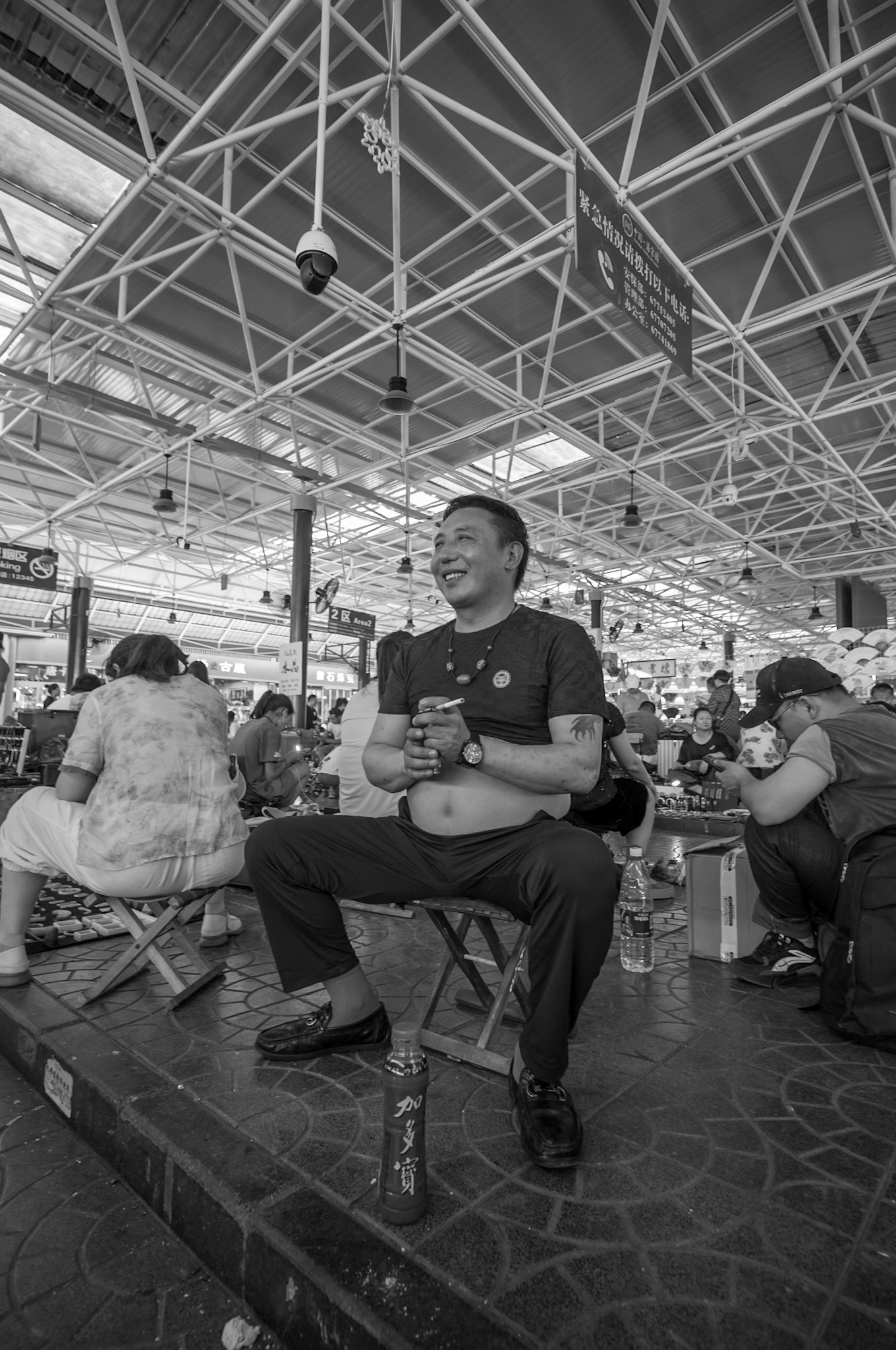
During the humid Beijing summers, when the air itself feels like soup and the sun broils pavements into submission, men of a certain age rise to the occasion, quite literally, by lifting their shirts. Office workers, delivery men, retirees pushing birdcages—each participates in this unspoken
brotherhood of ventilation.The gesture is both utilitarian and theatrical, a choreography of relief and defiance performed in slow motion as sweat and pride mingle on the skin.
Anthropologists have struggled to decode the cultural significance of the Beijing bikini. Some trace its origins to the Mao era, when the proletarian
physiquewas celebrated rather than concealed. Others suggest it’s an act of resistance against Western beauty norms, an avant-garde statement on body positivity long before Instagram hashtags were invented. Cynics, however, maintain it’s simply hot and the men are too pragmatic to care what anyone thinks.
Foreigners encountering the phenomenon for the first time tend to react with fascination, disgust, or envy—depending on the temperature. Western tourists, armed with sunblock and linen shirts, stare in disbelief at a construction worker’s midsection glistening like a national monument. Expat think pieces inevitably follow, full of anthropological wonder and
pseudo-Marxistinterpretations: “The Beijing bikini: A critique of capitalist clothing norms in post-socialist urban spaces.” Meanwhile, the uncles just shrug,
scratchtheir bellies, and carry on.
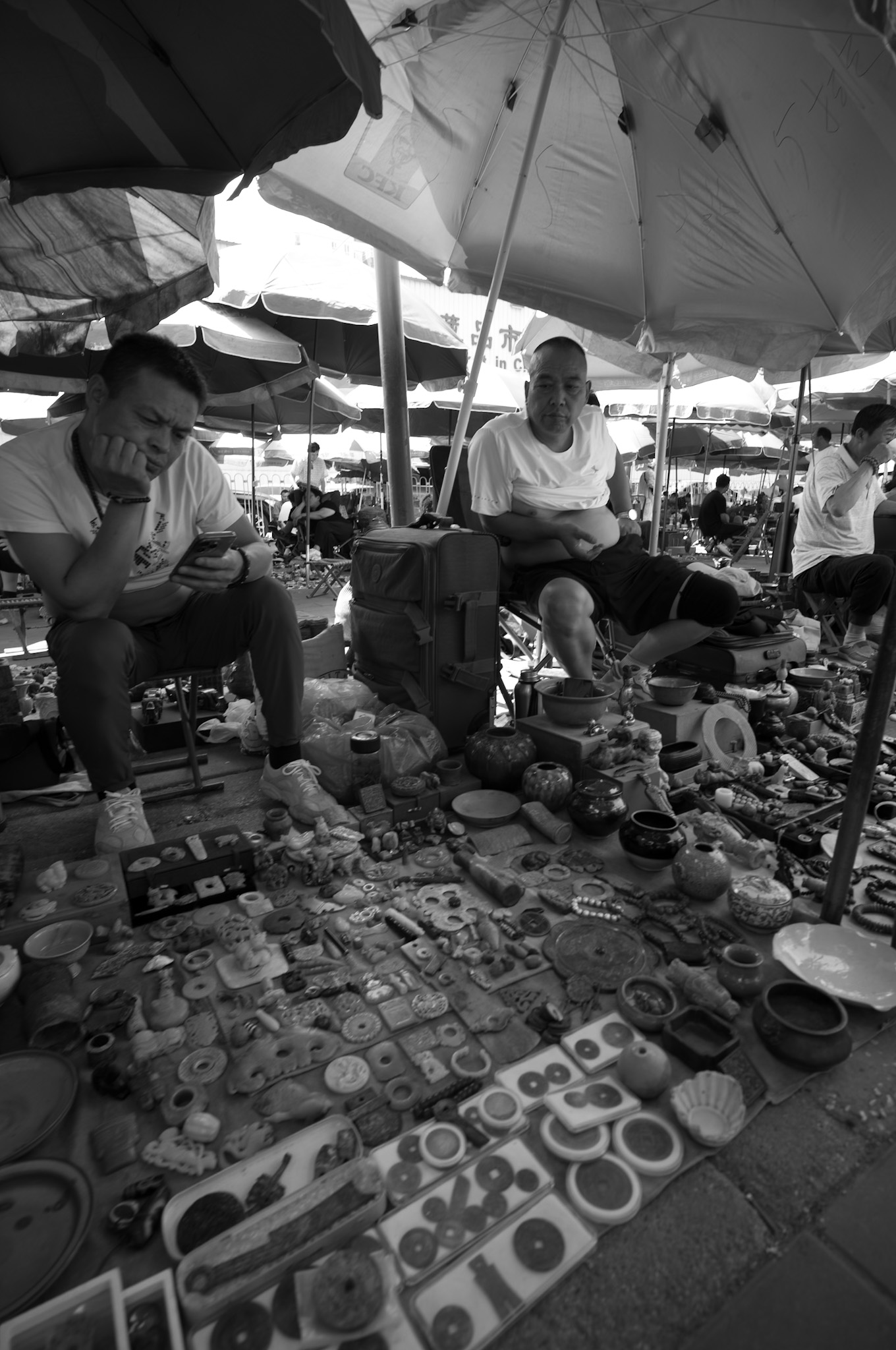
Attempts to ban the practice have occasionally surfaced. In 2019, local authorities in several Chinese cities labeled the habit “uncivilized behavior,” promising fines for public shirt-rolling. Officials spoke
solemnlyabout the need to maintain the city’s “international image.” Yet enforcement proved tricky: how does one legislate against a collective shrug? Within weeks, the belly barons were back, undeterred and unrepentant, the elastic of their t-shirts forming a soft frontier between decency and freedom.
In truth, the Beijing bikini may be China’s last truly classless institution. It transcends income, status, and education. Whether you’re a taxi driver, a retired engineer, or a mahjong champion,
the belly unites. There are no designer labels, no luxury fabrics—only gravity and conviction.
Perhaps, in an age of global branding and curated identities, the Beijing bikini deserves a little respect. It is brutally honest, defiantly local, and gloriously human. A reminder that in a country of 1.4 billion people, there’s still room for
individual expression—even if it comes in the form of a middle-aged man’s abdomen glistening under the Beijing sun.
Long live the people’s torso, long live the Beijing Bikini, China’s Most Democratic Fashion Statement
The photos were taken at Panjiayuan Market in Beijing during my trip in June 2024, using a
LeicaM11 Monochrom fitted with an 18mm Elmar lens.