
This morning I woke up well before 5 a.m., fully aware that I would be skipping my usual workout. I felt as though I’d spent the night with a feral pig asleep on my stomach, not far from one of those digestive-pill commercials that make you laugh out of recognition.
Two
large mugsof coffee later, I found myself tackling a big cardboard box that had survived three relocations without ever being opened. Reason said I should just throw it away — under the timeless principle of Occam’s decluttering: “If it hasn’t been opened in years, you clearly don’t need it.” But
curiositywon.
I was almost right. Ninety-five percent of what was inside should never have followed me around the world — in truth, it probably shouldn’t have been kept at all. But then came the treasure: an old external hard drive, a
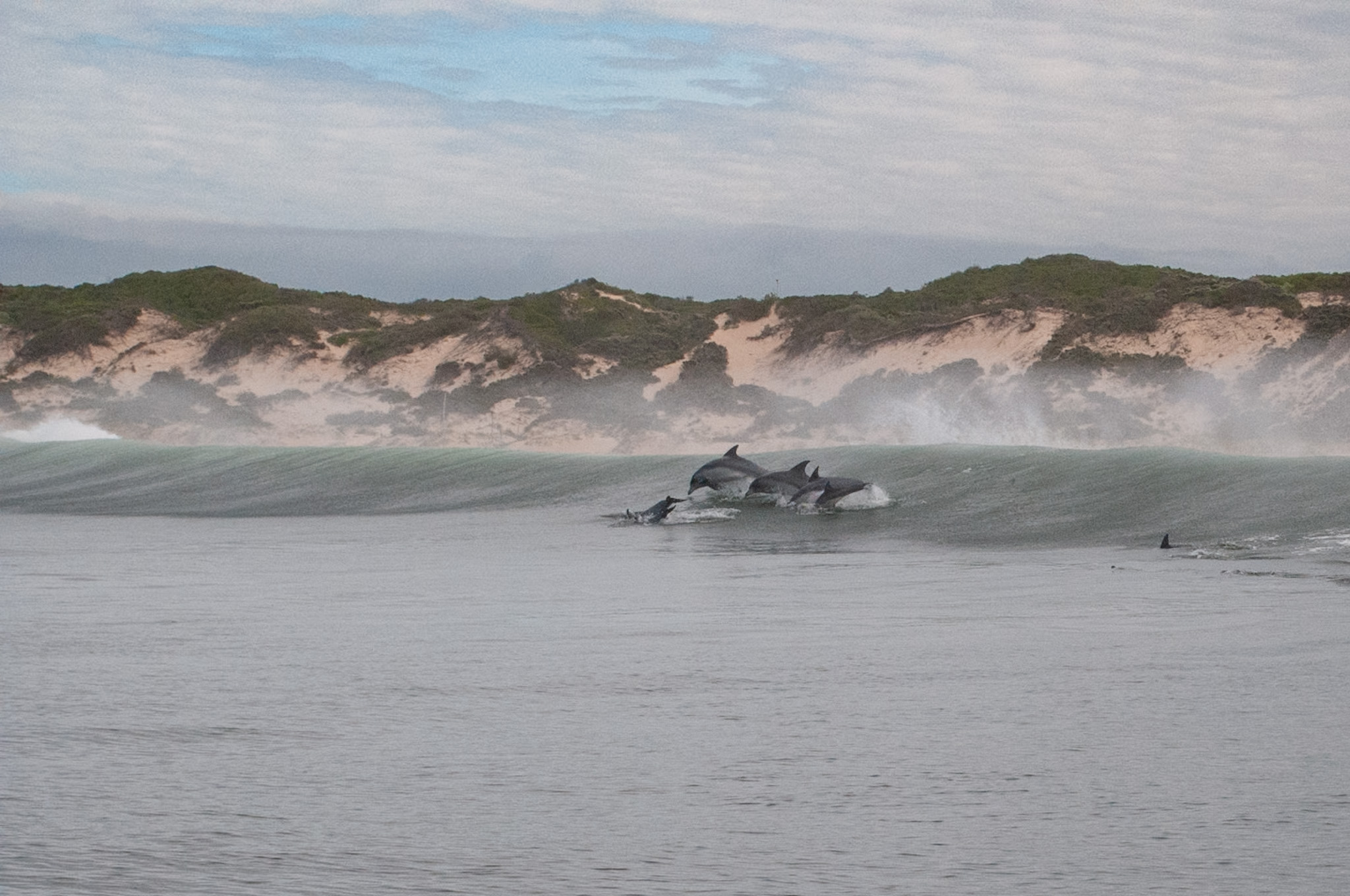
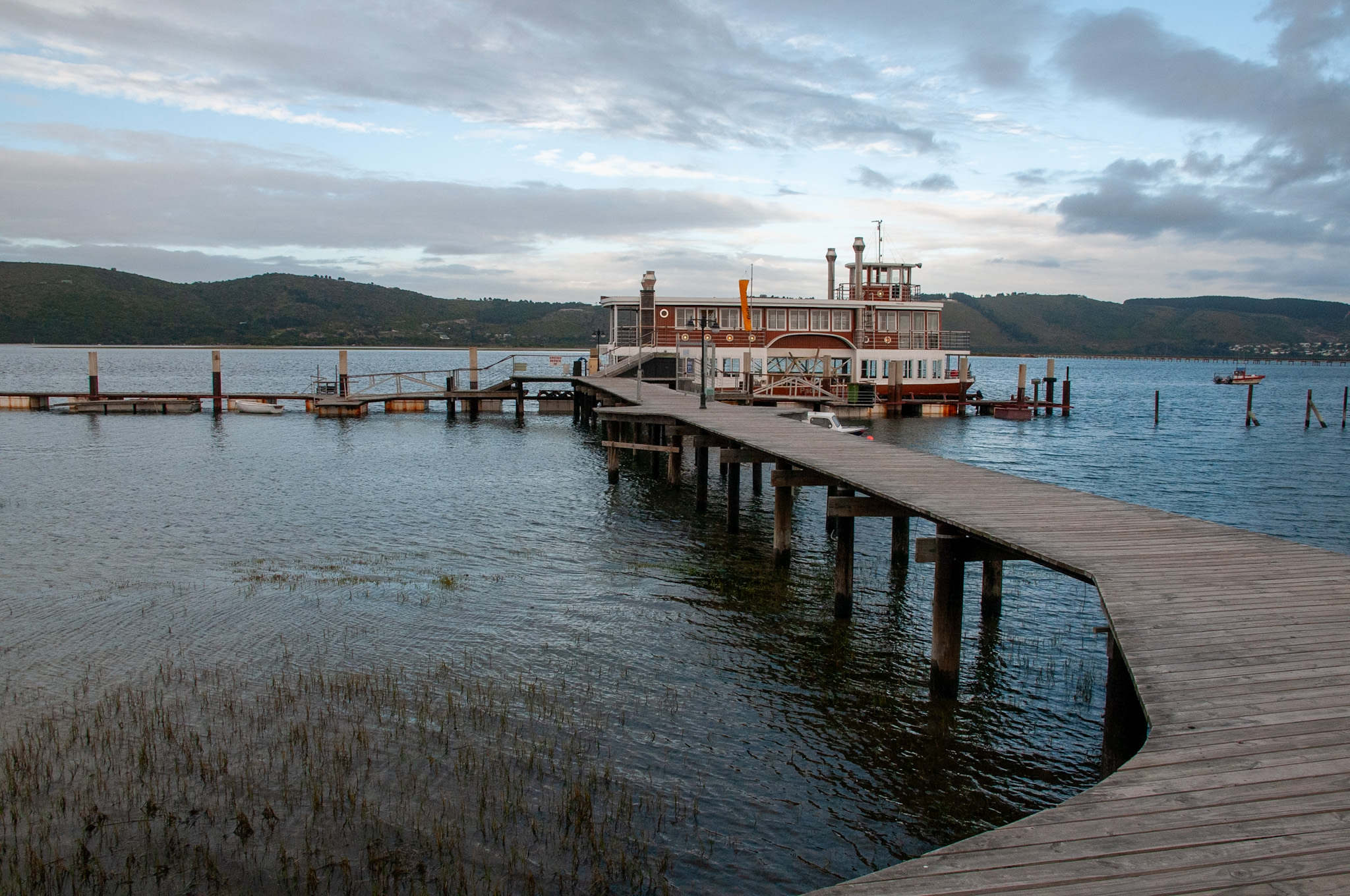
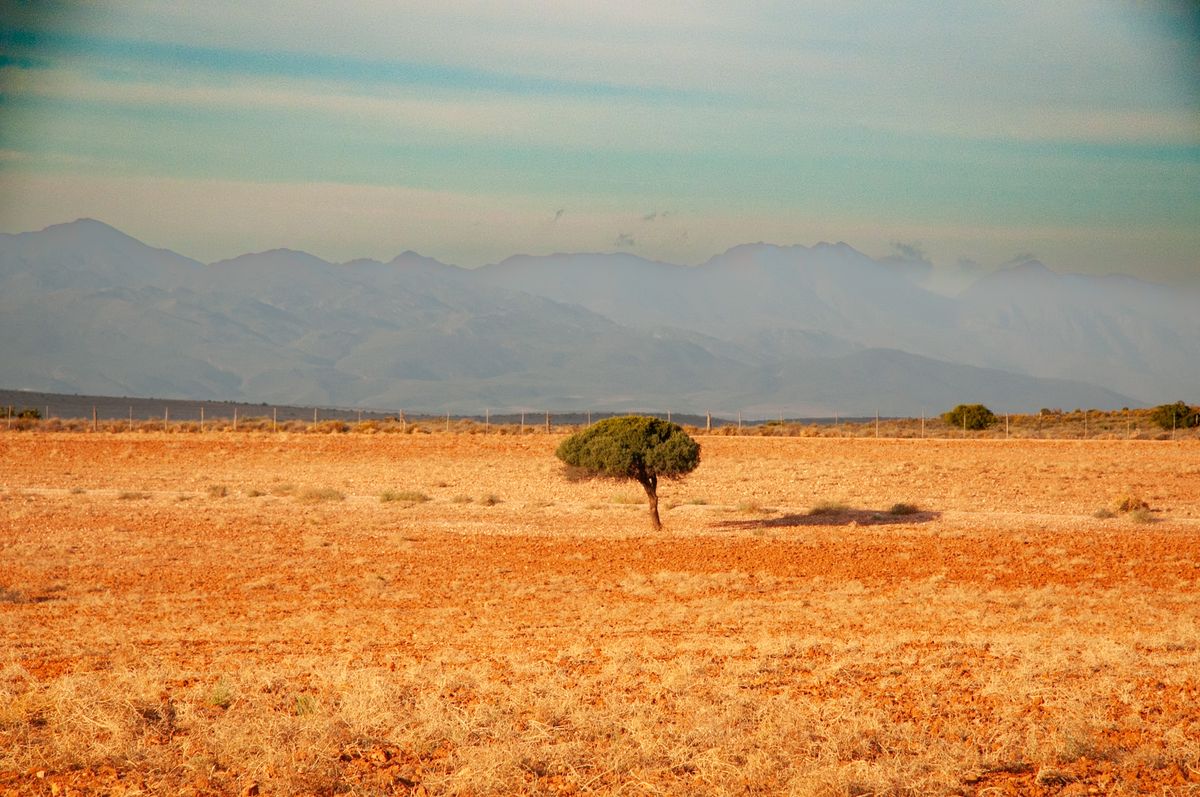
forgotten backupcontaining photos from my 2008 trip across South Africa, from Cape Town to East London.
As I brushed off the digital dust and opened the first folder, the memories began to flow — vivid, sun-soaked, and full of color. South Africa, with all its contradictions and vitality, instantly took over my
morning. One photo led to another, and soon I found myself reading and researching what has become of that country since then — what defines its present, and what may shape its next chapter.
A few hours later, after diving through reports and analyses, I found my own perspective on where South Africa stands today — politically, economically, and emotionally. Here’s my take.
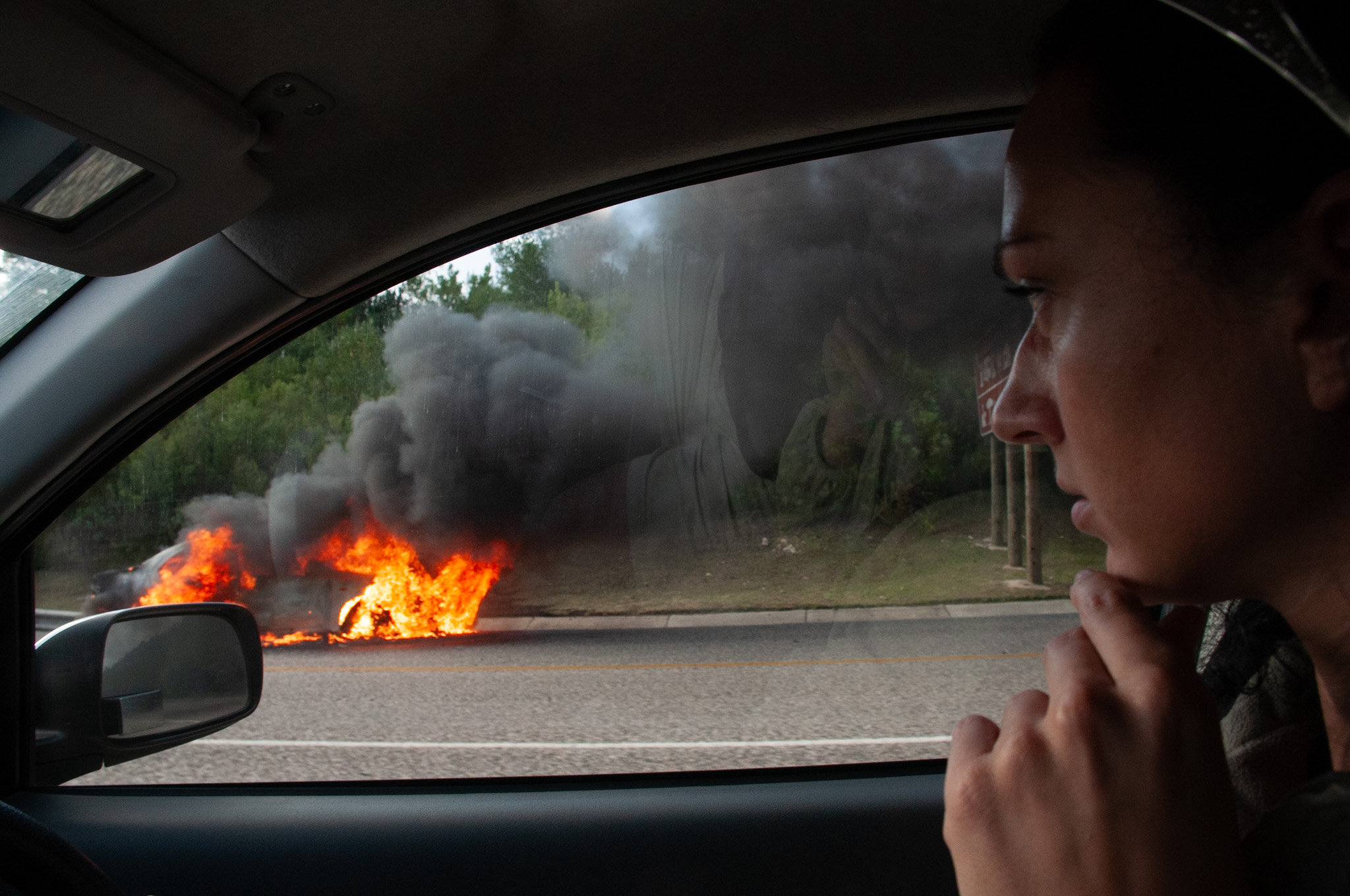
South Africa, a country once defined by political dominance and economic potential, is learning to live with fragility. For the first time since the end of apartheid, the African National Congress (ANC) no longer rules alone. The 2024 elections left it short of a majority, forcing an uneasy Government of National Unity (GNU) stitched together from rival parties. This coalition, more born of
necessitythan conviction, now defines South African politics—and perhaps its near-term destiny.
The GNU’s early months have been an exercise in compromise and containment. Factionalism within the ANC, ideological rifts among coalition partners, and competing egos have slowed decision-making to a crawl. Yet the very existence of such a coalition signals the end of a long-decaying monopoly: finally South Africans, weary of corruption and dysfunction, have discovered the leverage of their vote. The municipal elections expected in late 2026 will test whether this awakening endures—or whether
nostalgiafor the old order re-emerges.
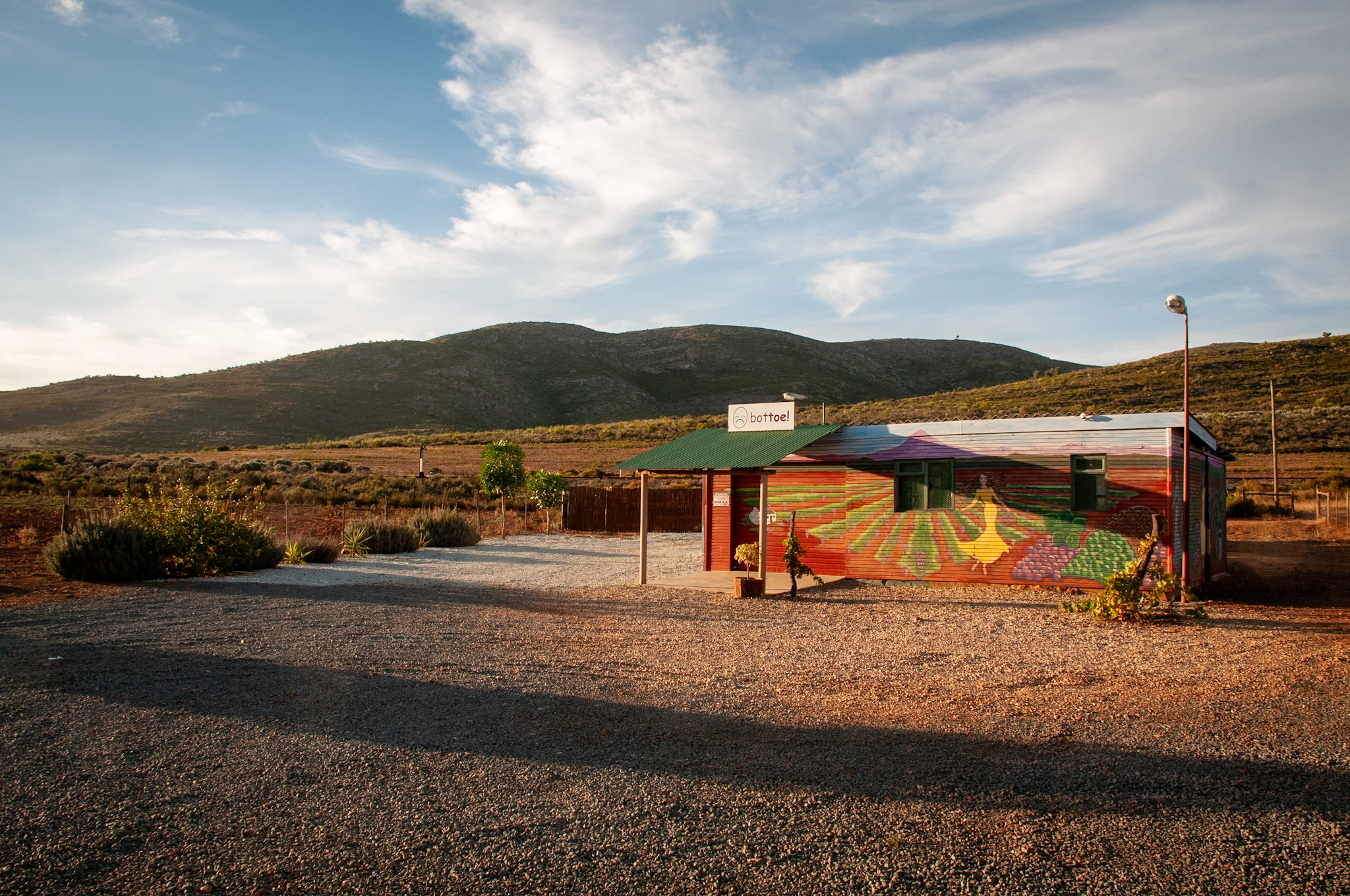
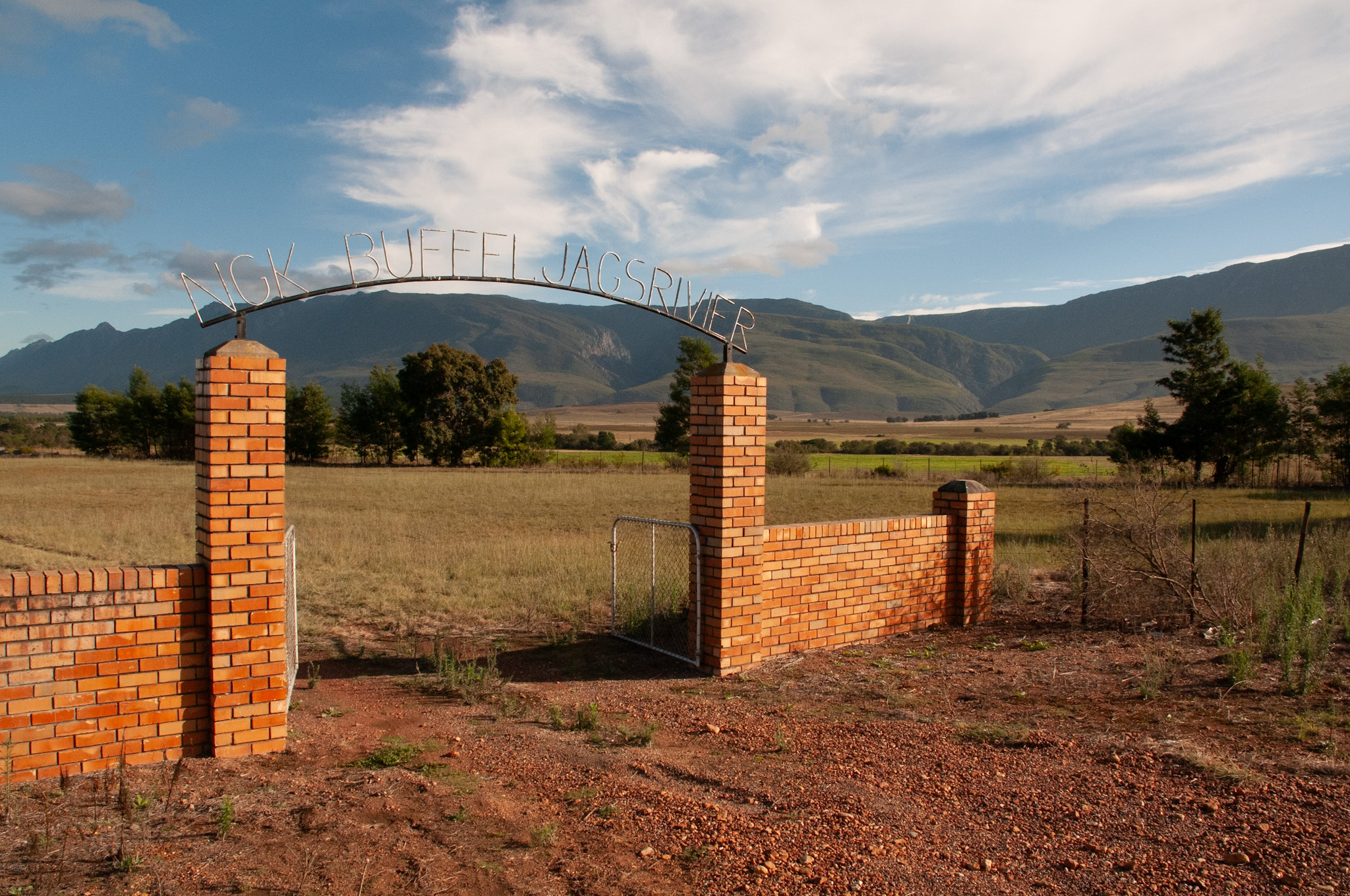
The political mood is fluid. New movements are forming, such as Unite for Change, a pragmatic alliance hoping to capture disillusioned urban voters. Identity politics, once the currency of every campaign, faces competition from a new form of “
performance politics”—a quiet insistence that the state should, at last, deliver. If that sentiment takes root, 2026 could mark the start of South Africa’s second democratic transition: one from liberation mythology to managerial accountability.
The economy, meanwhile, trudges along. Growth is expected to hover around 1½% over the next two years—respectable only by the country’s own recent standards. Structural drags abound: unreliable electricity, clogged ports, rigid labour rules and an over-mighty bureaucracy. The state utility, Eskom, remains a symbol of the country’s malaise:
too essential to fail, too broken to fix. Even as load-shedding eases, investment confidence flickers like the national grid itself.
Fiscal space is narrow. Debt is climbing toward 77% of GDP, tax revenues disappoint, and voters balk at further austerity. Yet a few rays of light pierce the gloom. The World Bank’s recent $1.5 billion infrastructure loan should help repair roads, rails and substations. Global investors, starved for yield, continue to buy South African bonds, wagering that
chaoswill be contained. A handful of domestic fintech and renewable-energy firms are proving that ingenuity can survive even amid bureaucratic sclerosis.
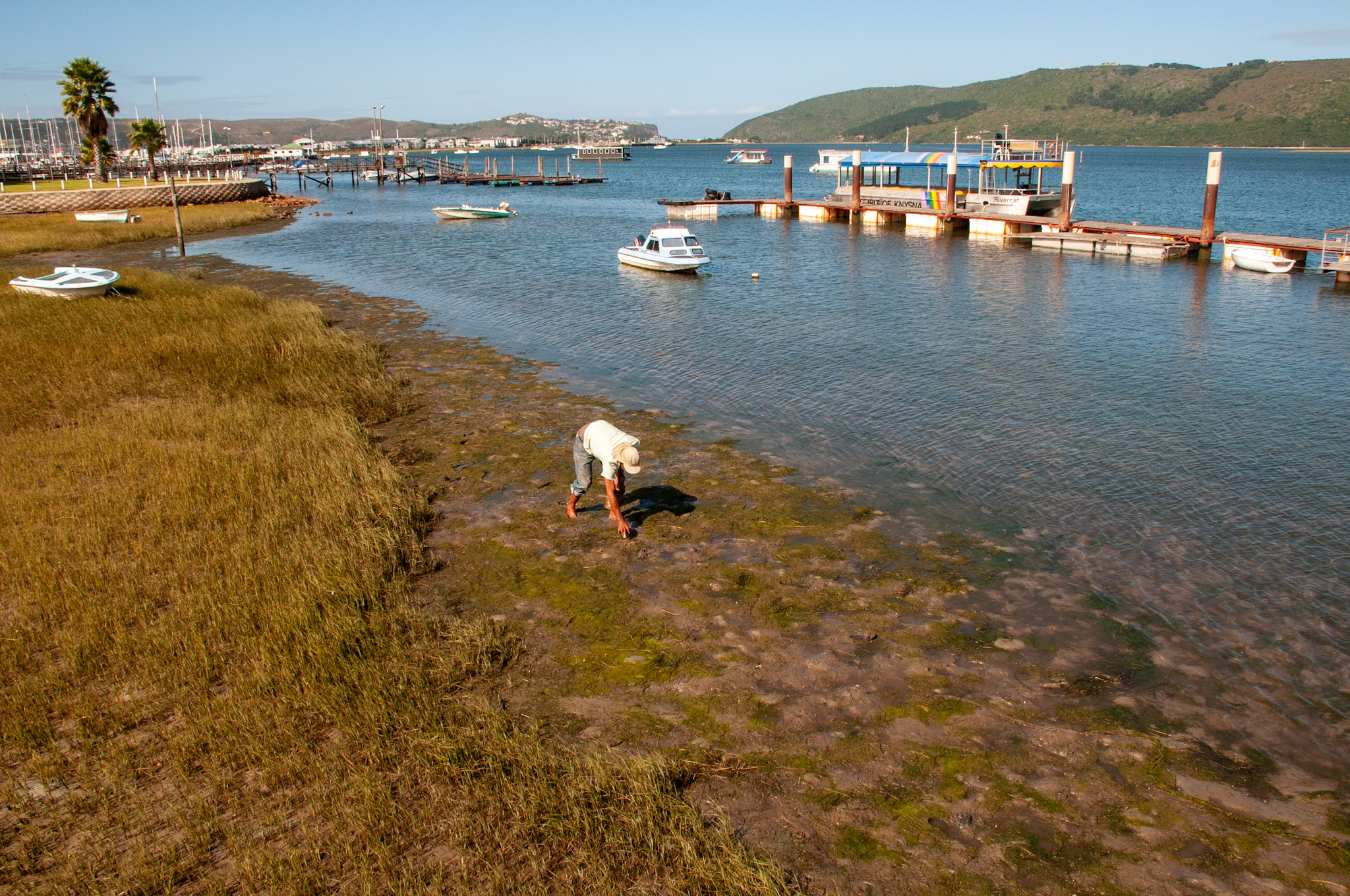

The government’s bet is that incremental progress—on power supply, logistics and regulatory simplification—can lift growth toward 2% by 2026. Optimists see a chance for coalition pragmatism to turn paralysis into reform;
cynicsrecall that similar hopes have died many times before. What both sides agree on is that the next two years will shape whether South Africa re-emerges as a credible mid-income democracy or drifts toward permanent stagnation.
The country stands on a narrow ridge: politics without dominance, growth without dynamism, reform without conviction. The ANC’s grand narrative of liberation has faded; what replaces it will depend on whether the new coalition can deliver results that citizens can actually feel. In South Africa, 2026 may not bring a revolution—but it will determine whether the long, slow transition finally turns a corner or sinks into another round of weary
disappointment.