
Thailand’s latest escalation with Cambodia has been framed, from Bangkok, as something more precise than a
border war: a campaign against the scam industry — the casinos, the sealed compounds, the “special economic zones” that are not quite economies and not quite legal, where fraud is
industrialisedand human beings are treated like replaceable cables in a server rack. Thailand says it is not attacking Cambodia as a nation so much as striking a criminal ecosystem embedded in Cambodian territory.
That framing is not invented out of thin air. The
scam economyis real, vast, and brutal. Along parts of the Cambodian border, online fraud operations have reportedly relied on trafficked labour — people lured by fake jobs, then locked behind gates, beaten, forced to run romance scams, investment scams, impersonation scams, day after day, under the fluorescent logic of quotas.
But when fighter jets cross a border, language becomes a
weapontoo.
Thailand’s military has presented its strikes as a kind of
moral hygiene: hitting scam-linked complexes that, it argues, also serve military functions — storing weapons, staging forces, launching drones. To many Thais, that story has an internal coherence. Scam networks have bled Thai households dry, humiliated families, and corroded trust in the
basic safety of a phone call. Bangkok has also been tightening its domestic crackdown — seizing assets and issuing warrants tied to scam syndicates — and the border campaign fits into that larger “state fights back”
narrative.
From a Thai point of view, the temptation is obvious: if scams are transnational, enforcement must become
transnationaltoo. If Cambodian border towns host compounds that launder money,
traffic workers, and target Thai citizens, then the border stops being a line on a map and becomes a membrane — porous, infected, dangerous. And in that mindset, an airstrike starts to look less like aggression and more like
surgery.
The problem with surgery is that it still
cuts flesh.

Reports from the ground describe
civilians dying, mass displacement, and contested claims about what exactly is being dropped and why. Cambodian soldiers interviewed from hospital beds have described symptoms consistent with exposure to toxic substances; Cambodia has alleged chemical use, while Thailand has denied it and pushed back against what it calls disinformation. Even where claims are unproven, the fog thickens fast, and in that fog the idea of a “
clean” war collapses.
And then there are the people inside the compounds — the trafficked workers, the coerced operators, the
invisible labour forceof fraud. If Thailand bombs a complex that truly houses scam operations, it may also be bombing a prison. The
Wall Street Journaldescribed captive scam workers unable to flee as bombs fell, caught between two kinds of violence: the criminal captivity that brought them there, and the
military logicthat now treats the buildings as targets.
This is where the Thai narrative, however emotionally satisfying, starts to
fray.

Because “we are targeting scams” can become a
permission slip. It blurs categories. It allows a state to recast an international attack as law enforcement. It moves the conversation from sovereignty to sanitation — from why are you crossing the border? to why are you protecting criminals? And once that rhetorical shift happens, escalation becomes easier to sell at home, especially when the
enemyis not described as a neighbour but as a contagion.
Yet Cambodia is still Cambodia. A country with
citizens, villages, histories, and its own internal fractures— and a government that will not accept being treated as a hosting platform for someone else’s military solution. Cambodia has denied Thai claims about military use of the sites, and it has accused Thailand of endangering civilians.
Looking at all this through a Thai lens, I can understand the anger. I’ve spent enough time in Asia to recognise that particular mix of exhaustion and outrage people feel when scams become
everyday weather— when friends tell you, almost casually, that a cousin lost savings to a fake investment app, that a parent was tricked by a voice on the phone, that shame keeps the story quiet. In that climate, the idea of striking the source feels almost
righteous.
But
righteousness is not a strategy.
If Thailand truly wants to dismantle the scam industry, bombs are a loud instrument for a
network problem. Scam economies survive on complicity, corruption,
cross-border finance, encrypted infrastructure, and the constant
supply of trafficked labour. They are not defeated by dramatic footage alone. They are defeated by arrests, sanctions, financial tracing,
protection for victims, and — most uncomfortable of all — the slow work of cooperation with the very neighbour you are currently bombing.
The bitter irony is that the scam compounds thrive on
lawlessnessand ambiguity. War
multipliesboth.
And so Thailand’s message — we are fighting scammers, not Cambodia — becomes both powerful and perilous.
Powerful, because it speaks to a genuine regional plague.
Perilous, because it risks turning a criminal crisis into an interstate war, with
civilians paying the price, and victims of trafficking trapped inside the targets.
A border conflict justified as a moral campaign is still a border conflict. The
dead do not carewhat story was told about them.
The BBC recently aired a long, in-depth investigation into the world of online scams in Asia. China, too, has carried out harsh crackdowns in what was once the Golden Triangle of the drug trade — now transformed into a hub of the scam industry.
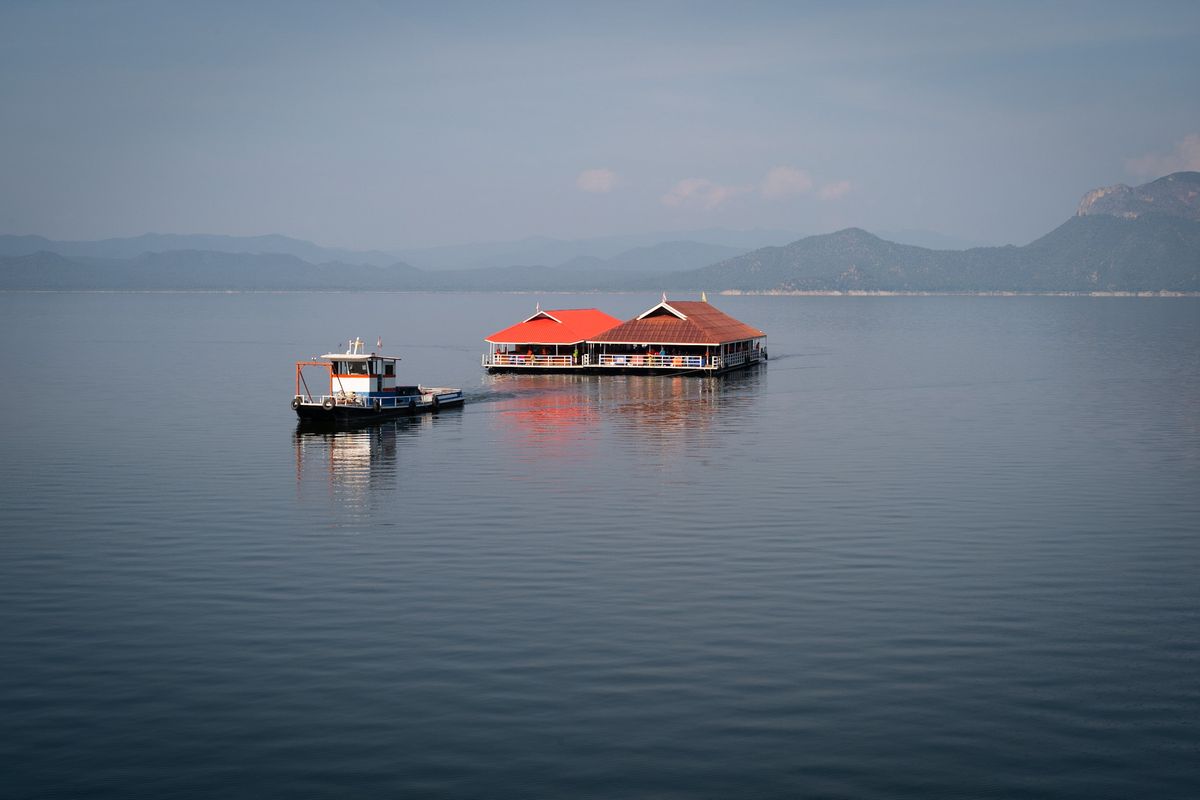
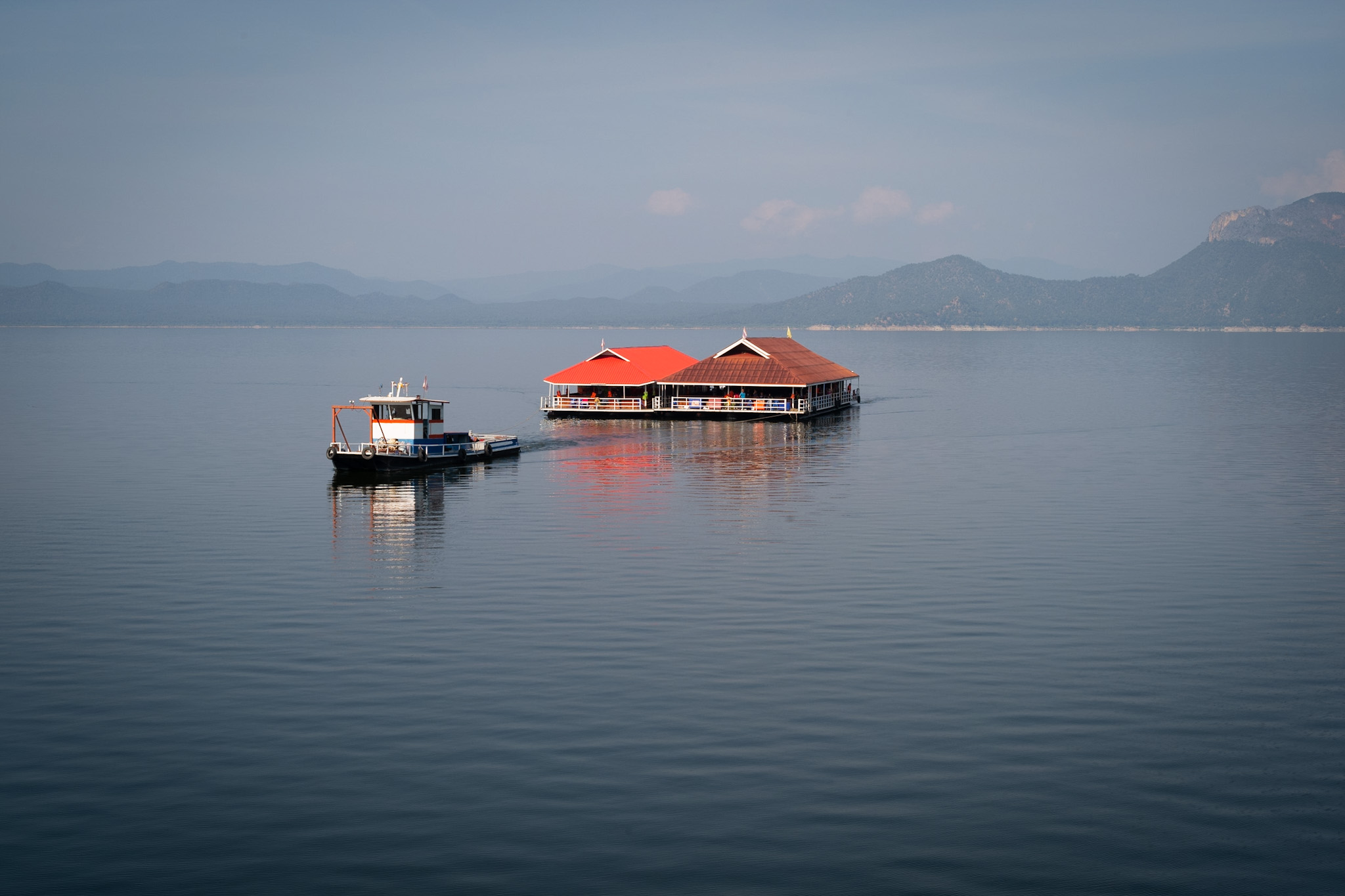
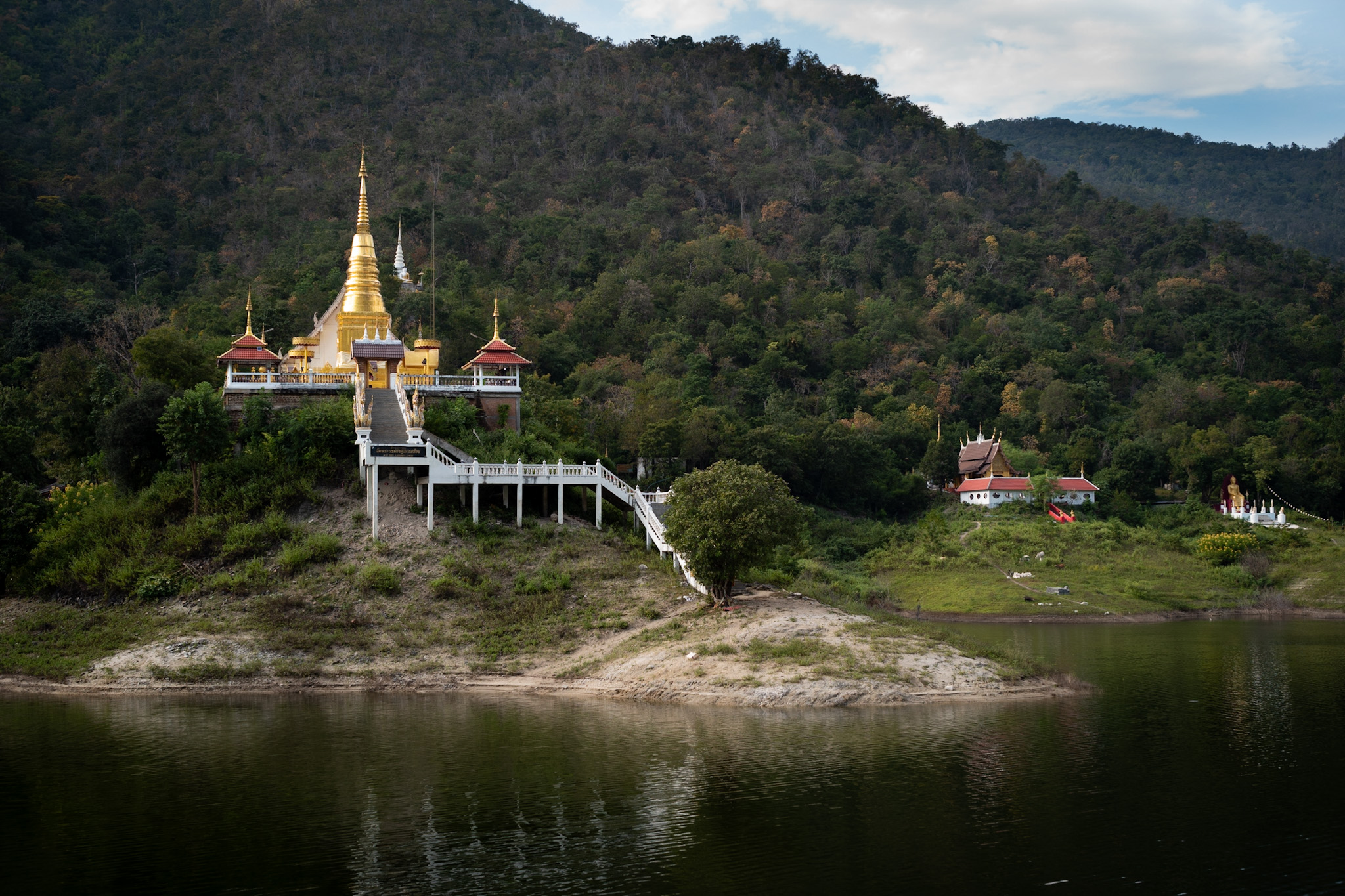
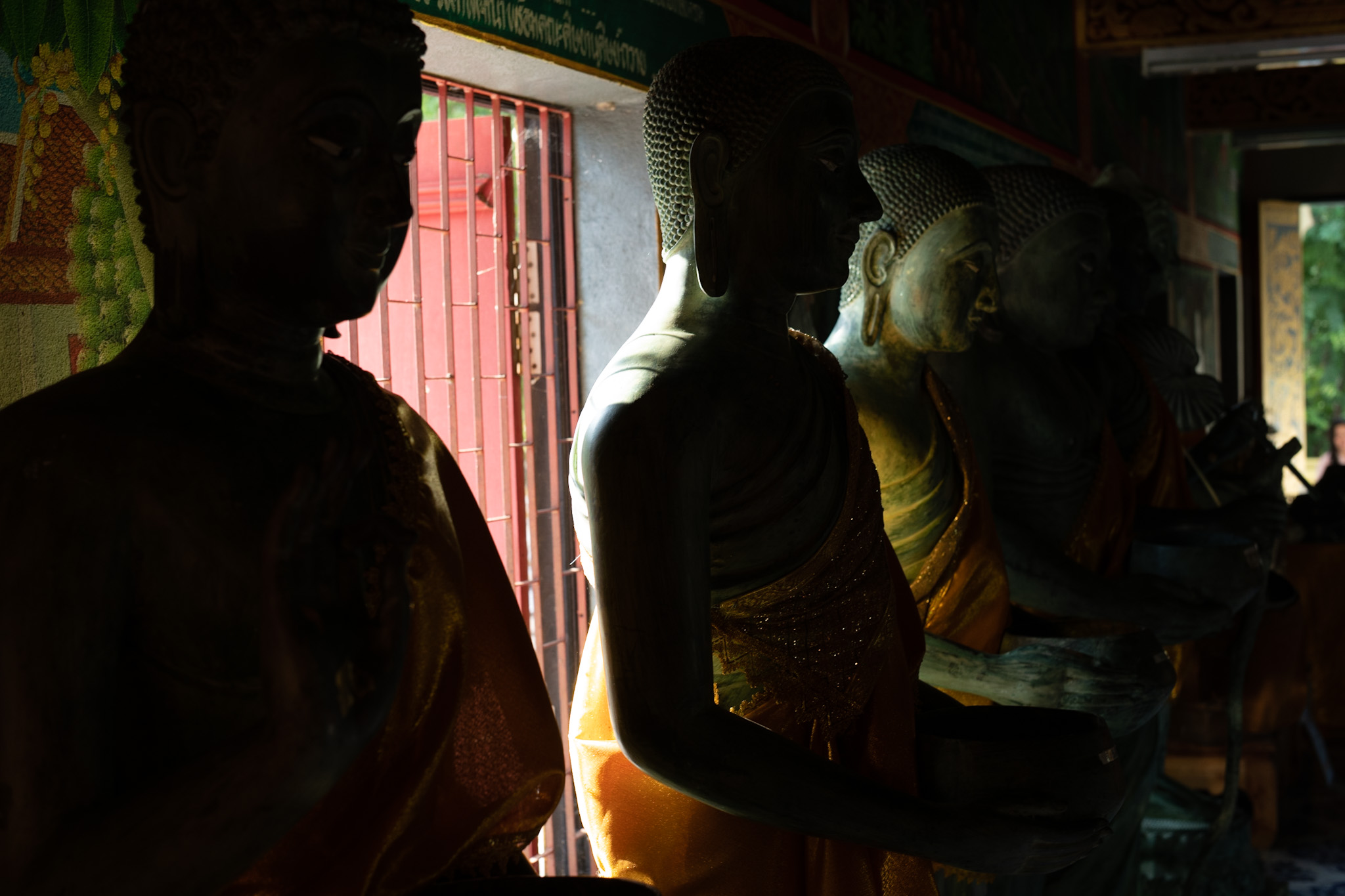
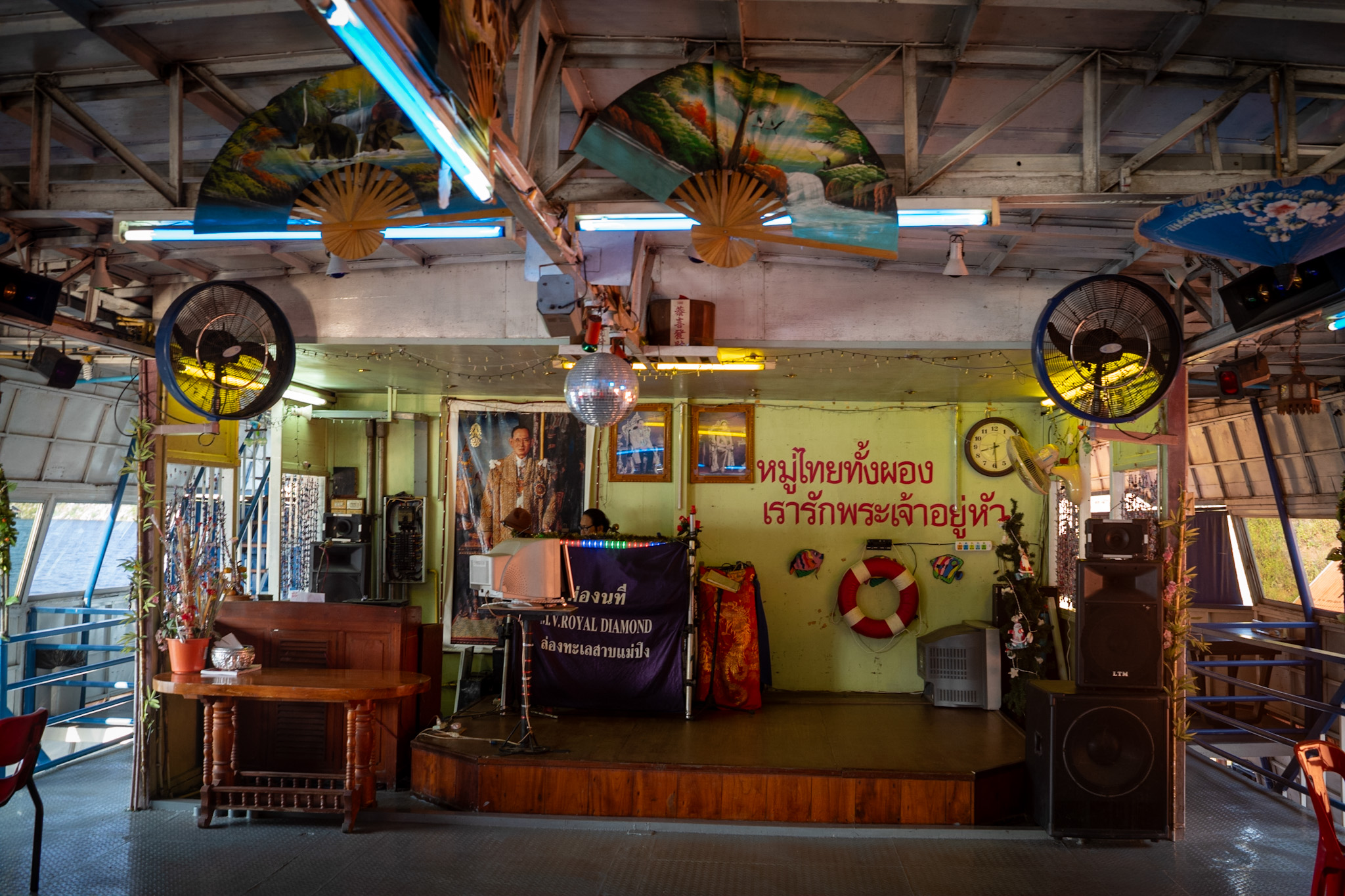
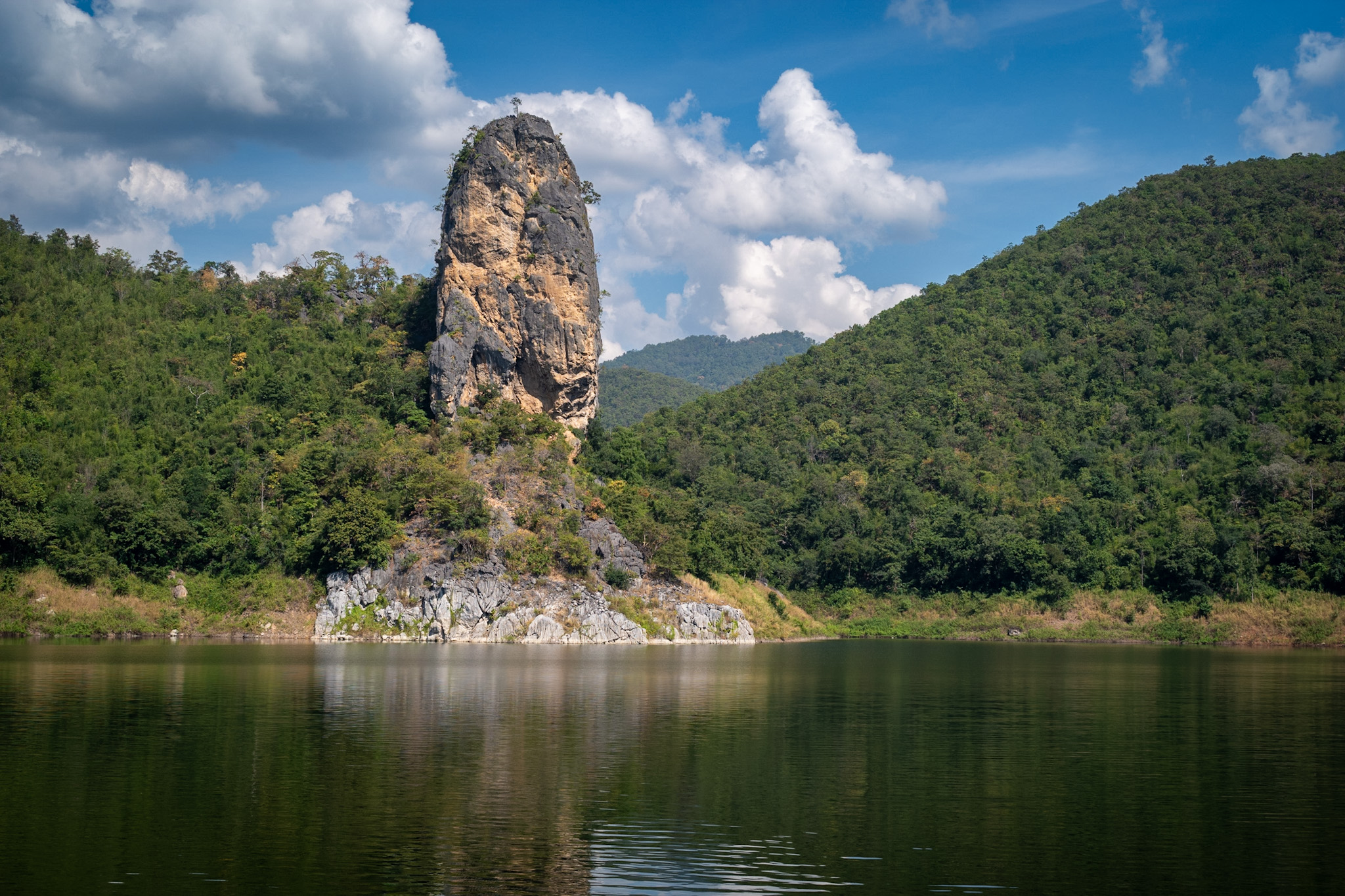
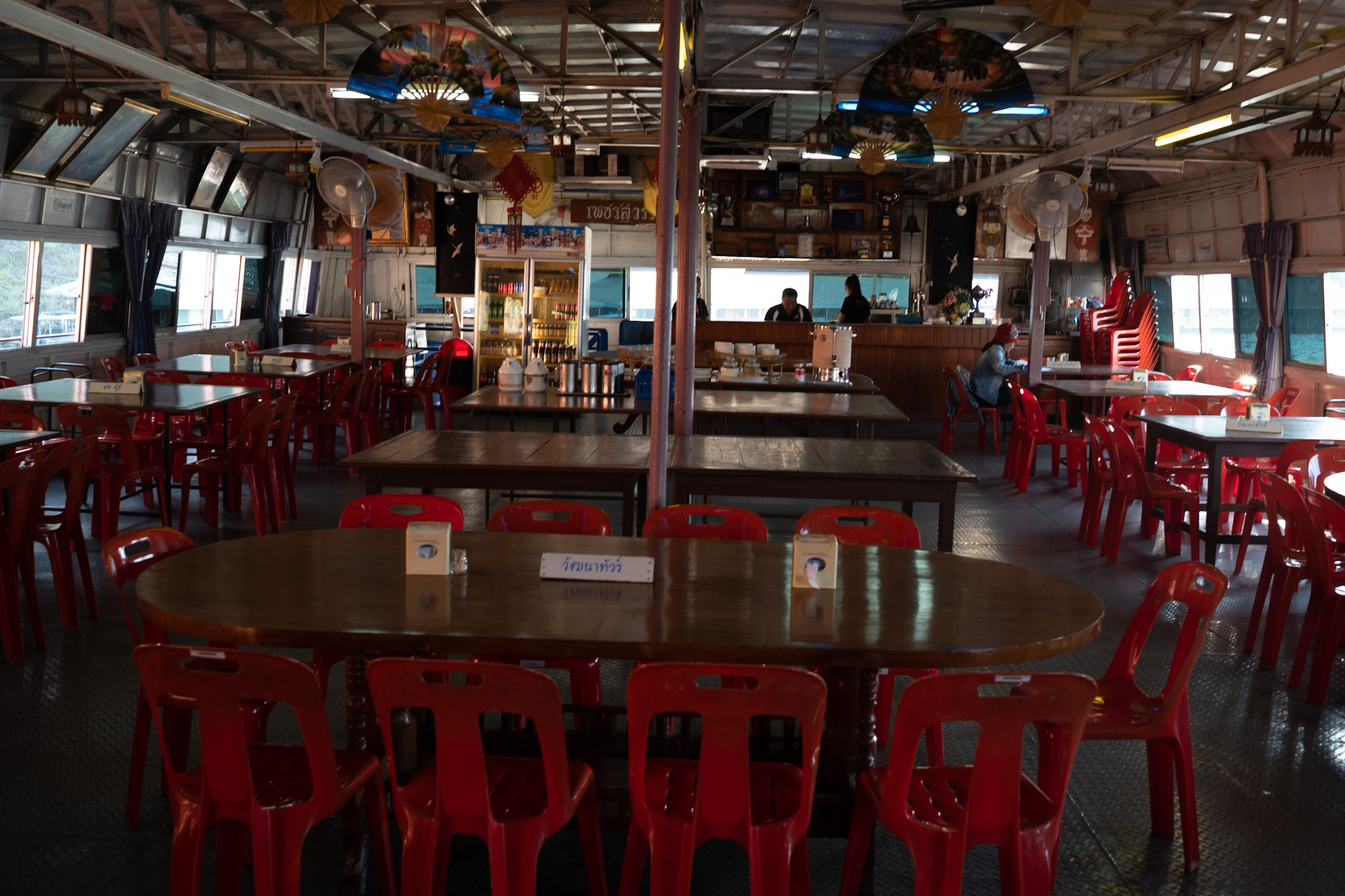
Photos: about ten years ago, I traveled upriver along the Ping River aboard a local boat, spending a couple of nights on a barge marked by a permanent
karaokesoundtrack. The singing would pause only when, along the riverbanks, a temple called passengers to a brief moment of faith — and to a break from the steady consumption of beer and other
low-grade alcohol.
I was eventually dropped off on a riverbank in the middle of the forest, where I spent a long time cursing as I tried to contact and meet the fixer who would later guide me even farther north, into the triangle between Thailand, Burma, and Laos. But that is another story.