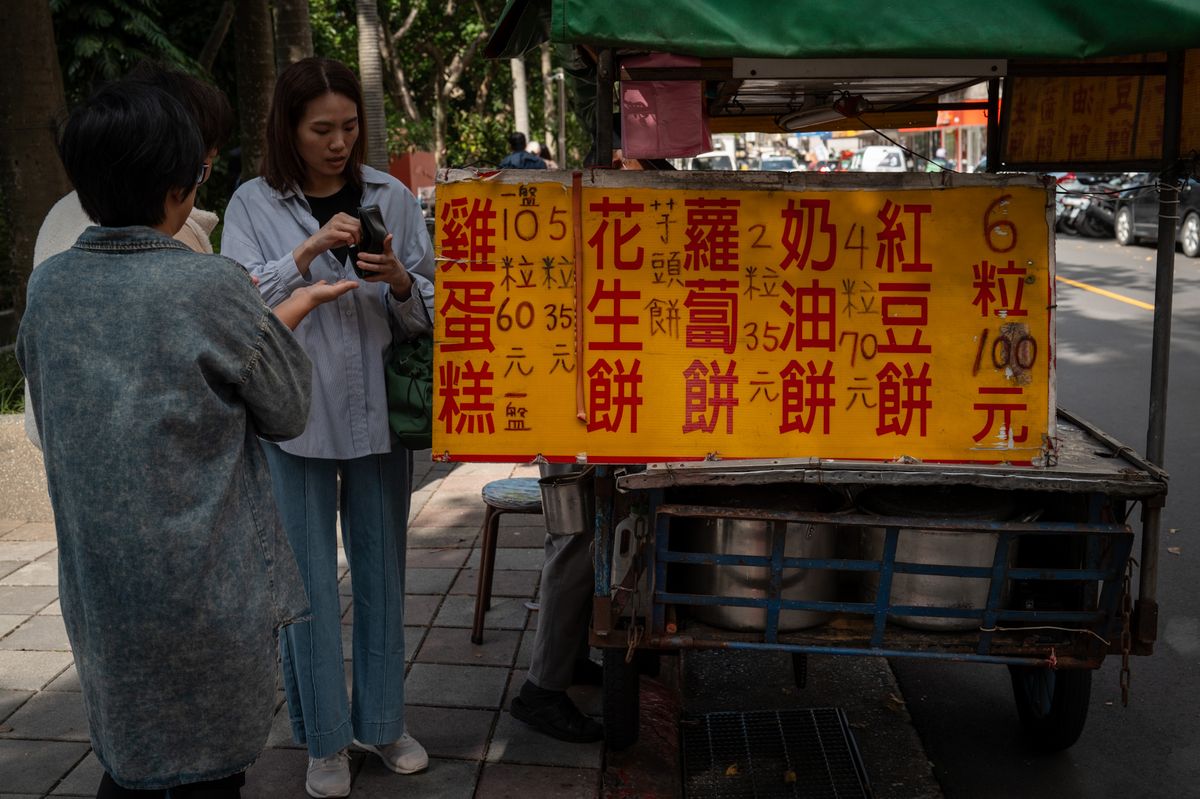
Taiwan is a place where history feels layered like sediment: each epoch pressed over the previous one, never fully erasing what came before. Today’s island—democratic, technologically advanced, self-assured—rests on centuries of migrations,
occupations, and reinventions. It is a story shaped as much by geography as by politics: a mountainous fortress on the western rim of the Pacific, close enough to invite conquest, far enough to nurture autonomy.
Long before the island entered the global imagination, Taiwan was home to Austronesian peoples whose seafaring cultures stretched from Madagascar to Easter Island. These Indigenous communities lived in scattered settlements, trading with outsiders but largely governing themselves. When Chinese and Japanese sailors reached the island sporadically in the medieval era, they found no empire to negotiate with—only
tribeswhose languages had no equivalents across the Taiwan Strait. Their presence, though often overlooked in modern narratives, forms the island’s deepest historical layer.
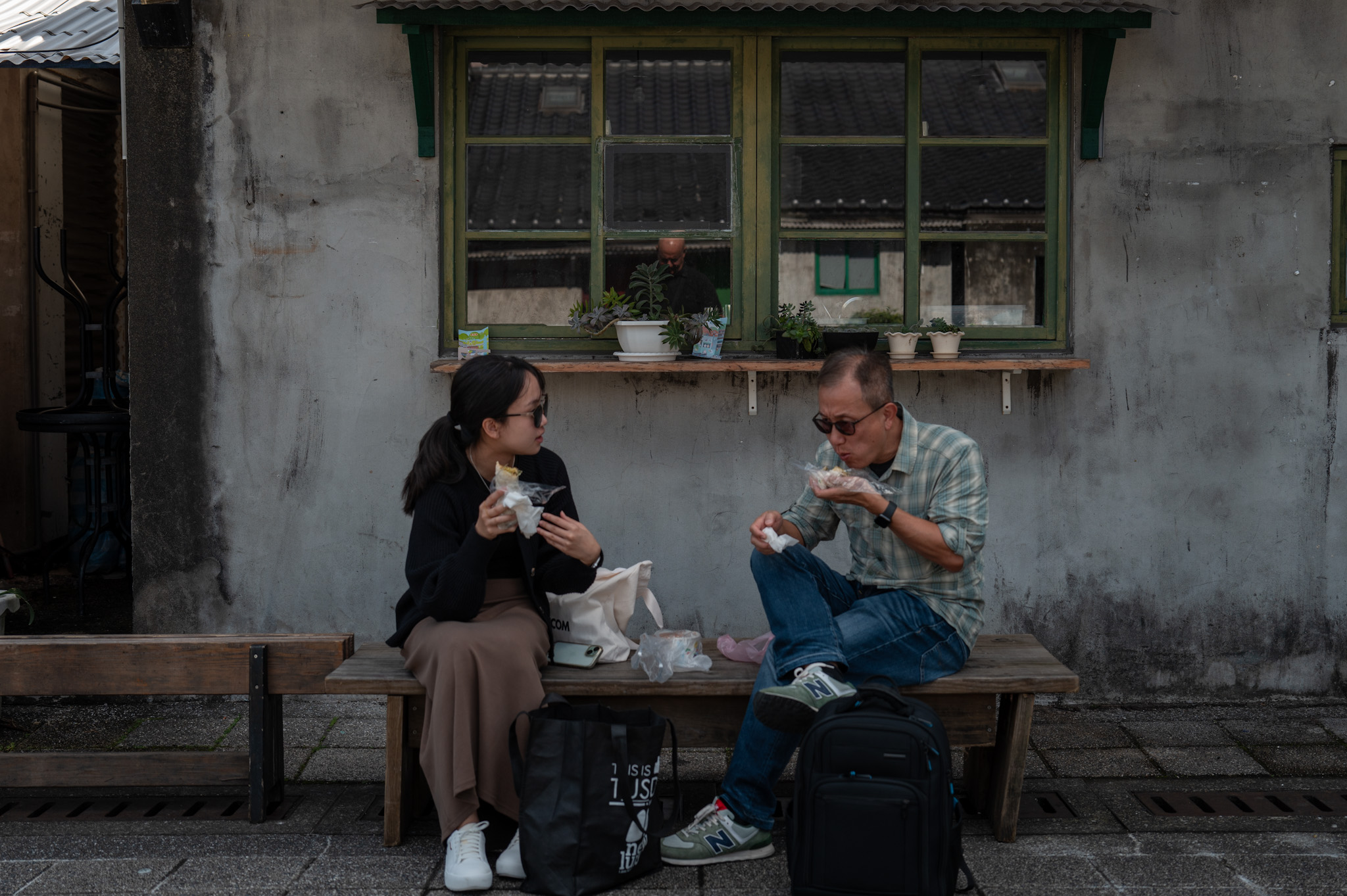
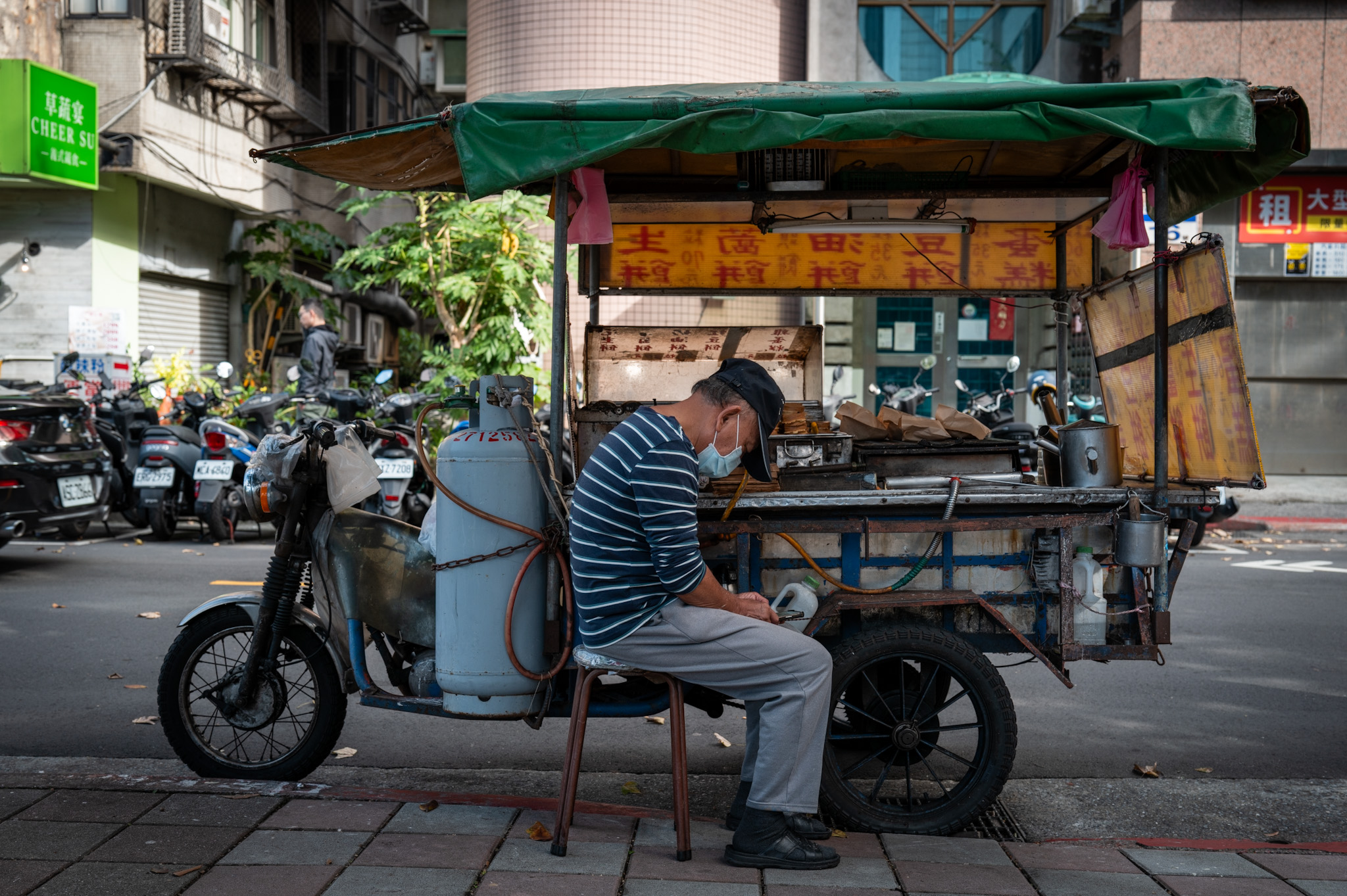
The 17th century marked Taiwan’s first entanglement with global powers. Drawn by profitable maritime routes, the
Dutch East India Companyestablished a foothold in 1624, turning the sandy peninsula of Tayoan—today’s Tainan—into a base for sugar production and regional trade. Two years later the Spanish set up a shorter-lived outpost in the north, only to abandon it under Dutch pressure. For a brief moment Taiwan was a node in Europe’s rising commercial web. The Dutch did what colonial powers of the time excelled at: they built ports, imposed taxes, spread Christianity, and attempted to govern Indigenous groups through a mix of diplomacy and force.
Their tenure ended abruptly in
1662. Zheng Chenggong—better known as Koxinga—sailed across the strait with Ming loyalist troops fleeing the advancing Qing dynasty. After a nine-month siege, he expelled the Dutch and established a short-lived Ming-styled kingdom on the island. Though his rule lasted only a few years, Koxinga’s victory entered the historical canon as the first instance of an ethnically Chinese state asserting sovereignty over Taiwan. The
Qing, having consolidated power on the mainland, followed with little enthusiasm. They annexed Taiwan in 1684 but treated it as a peripheral and unruly territory. For nearly two centuries, governance was fragmented and migration from coastal Fujian and Guangdong surged, often in waves of farmers, traders and fortune-seekers. These settlers—speaking Hokkien, Hakka and other dialects—would eventually form the cultural substrate of Taiwanese society.
By the late 19th century, Taiwan had become a frontier the Qing could no longer ignore. Foreign powers, particularly
Japan, were circling. After Japan’s victory in the First Sino-Japanese War, the Treaty of Shimonoseki handed Taiwan to Tokyo in 1895. The transfer triggered resistance from local elites who briefly declared a “
Republic of Formosa”—Asia’s first attempt at republican governance. It survived for only a few months. Japanese troops crushed the movement and began a colonial project that would shape the island profoundly.
Japan ruled Taiwan for fifty years with a
technocratic determinationthat left a visible legacy. Railways, modern ports, public health systems and urban planning reshaped the island faster than any previous regime. Taiwanese were enrolled into Japan’s imperial logic: educated in Japanese, trained as industrial workers, and, during World War II, drafted into military service. Yet the colonizers also imposed strict political controls, suppressing dissent and promoting assimilation. When Japan surrendered in 1945, ending its empire, many Taiwanese expected a return to Chinese rule to mean self-governance and national dignity.
They were swiftly disappointed. The
Kuomintang(KMT), China’s Nationalist government led by Chiang Kai-shek, took control of Taiwan after the war. Its officials, arriving from a war-ravaged mainland, viewed Taiwanese elites with suspicion and sought to impose administrative authority. Tensions erupted in 1947 with the
February 28 Incident, when an anti-government protest escalated into an island-wide uprising. The KMT crushed the movement brutally, leaving thousands dead and inaugurating a period of martial law known as the “White Terror.” Any aspiration for political pluralism was suspended.
Taiwan’s fate changed dramatically in 1949. As
Mao Zedong’s Communist forces claimed victory in the Chinese Civil War, Chiang Kai-shek and roughly two million refugees fled to Taiwan, bringing with them the remnants of the Republic of China (ROC). For decades the island existed in a state of paradox: governed by a Chinese regime that had lost China, claiming sovereignty over a mainland it could no longer reach.
But the Cold War gave the ROC a lifeline. Backed by the United States, Taiwan became a strategic
anti-communist outpost. This geopolitical protection allowed the KMT to consolidate authoritarian rule while launching land reforms and an export-driven industrial strategy. Factories sprouted across the island, labor was cheap but increasingly skilled, and by the 1970s Taiwan was transforming from a rural backwater into one of Asia’s “
tiger economies.”
Yet industrial success sowed the seeds of political transformation. A growing middle class demanded rights. The lifting of martial law in 1987 under Chiang Ching-kuo opened the path to democratization. His successor, Lee Teng-hui—Taiwan’s first native-born president—pursued constitutional reforms, direct presidential elections, and a distinct Taiwanese political identity. The election of Chen Shui-bian in 2000 marked the
endof one-party rule. From then on, Taiwan became one of Asia’s most
vibrantdemocracies—loud, pluralistic, and unpredictable.
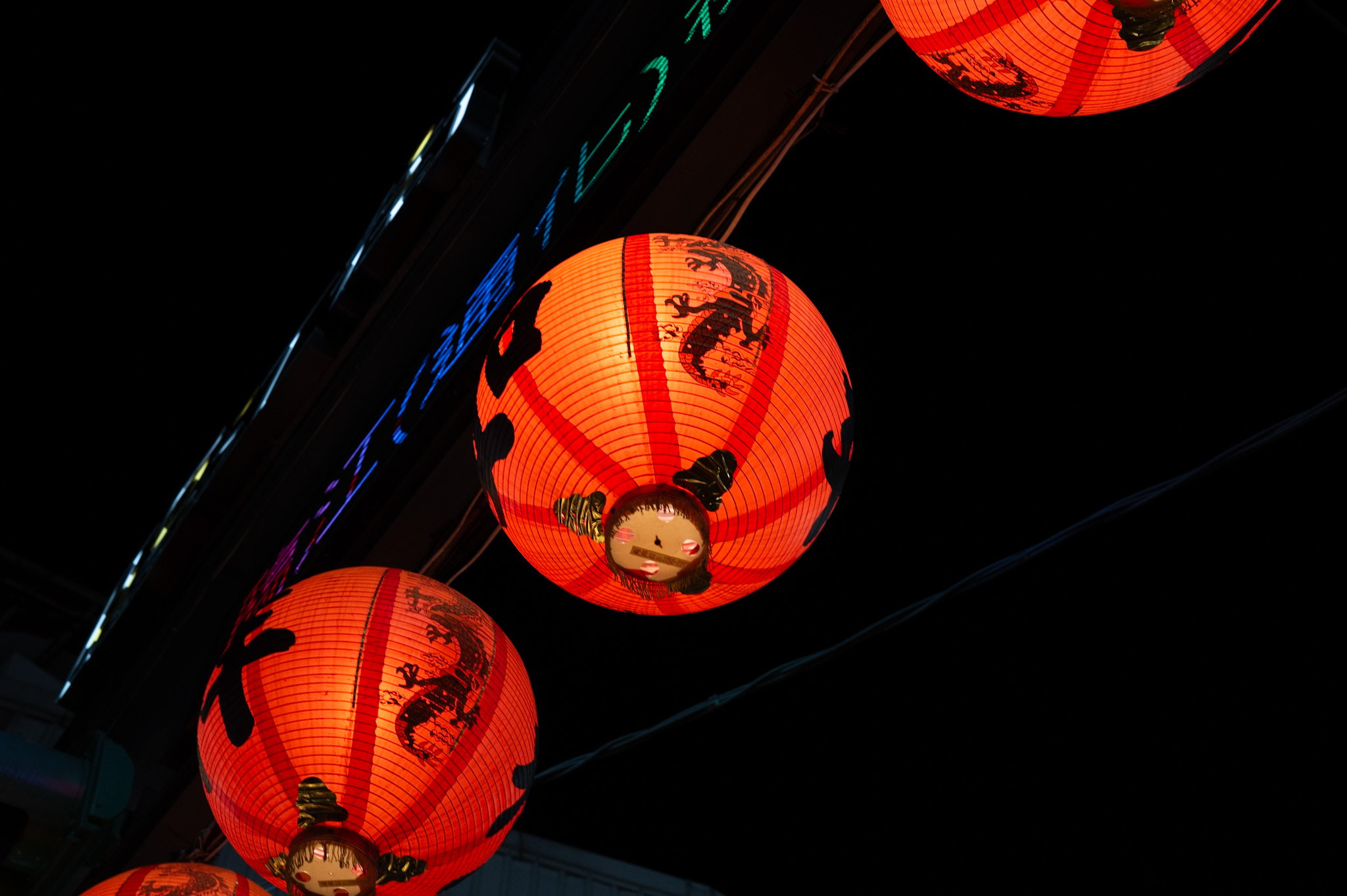
The island’s transformation into a
global high-tech powerhousefurther cemented its unique role. The ascent of TSMC made Taiwan indispensable to the global supply chain. Its chips became the backbone of modern electronics, from smartphones to fighter jets. In an age where semiconductors define geopolitical leverage, Taiwan found itself both at the center of global prosperity and
vulnerability.
Beijing’s rise added complexity. The People’s Republic of China (PRC), which has never ruled Taiwan, considers the island an inalienable part of its territory. Most Taiwanese, however, identify with a political community separate from China—shaped by democracy, local culture, and a sense of hard-won
distinctiveness. Cross-strait relations oscillate between cautious engagement and simmering tension, but the fundamental divergence in identity deepens year by year.
Modern Taiwan presents a contradiction only superficially
paradoxical: an island whose history is defined by external rule yet whose contemporary identity is exceptionally self-authored. It is a society that has absorbed multiple cultural layers—Austronesian, Chinese, Japanese, Western—without allowing any of them to define it entirely. Its democracy is young but
robust, its economy small but globally essential, its geopolitical position precarious but
strategicallyvital.
For centuries, Taiwan was seen as a frontier, a colony, a refuge, a bargaining chip. Today it is unmistakably something else: a
self-confident democracywhose history of resilience is no longer a footnote to the ambitions of empires, but a narrative of its own—complex, contested, and increasingly central to the world’s
future.
Why such a long lesson on Taiwan? Because this morning I landed in Taipei, with my
Leica Q3 43and the old
Leica IIIf, built in 1950 (after my M7 was requesting maintenance) — and it will be interesting to check how a 75 years old camera still performs. Stay tuned!