
Mau’s note: This article is based on
reportingand
investigationsconducted by international journalists, human rights organizations and United Nations bodies over more than a decade. Key findings draw from the United Nations Independent International Fact-Finding Mission on Myanmar, which concluded in 2018 that Myanmar’s military campaign against the
Rohingyashowed genocidal intent and was preceded by widespread hate speech and incitement.
Additional information comes from reports by Human Rights Watch and Amnesty International, which documented anti-Muslim violence, village
destructionand mass displacement, as well as the social and religious narratives that helped legitimize those acts. The role of Buddhist nationalist movements, including the 969 Movement and associated figures such as Ashin Wirathu, has been examined extensively by
The New York Times, Reuters, the BBC, Al Jazeera and other international news organizations.
Academic research and policy analysis, including work by the International Crisis Group, informed the characterization of 969 as an
ideologicalmovement rather than a formal terrorist organization. Reporting on the role of social media draws in part on Facebook’s 2018 admission that its platform was used
to spread hate speechin Myanmar.
The article is written as an original synthesis of these sources. No passages are quoted or reproduced verbatim. Facts and descriptions reflect findings that are widely corroborated by independent investigations. You may also find helpful references on my article Burma published last year.
For decades, Myanmar was portrayed as a quietly devout Buddhist nation, its monasteries symbols of calm rather than conflict. That image
fracturedin the early 2010s with the rise of the
969 Movement, a hard-line Buddhist nationalist current that fused religious identity with ethnic fear — and played a critical role in legitimizing the persecution, massacre and mass displacement of the
Rohingya Muslim minority.
The number “969” refers to what supporters describe as the numerical essence of Buddhism: the nine attributes of the Buddha, six of his teachings and nine qualities of the monastic community. Stickers bearing the symbol appeared on shops, homes and taxis across Myanmar, presented as a harmless affirmation of
faith. In practice, they functioned as markers of exclusion — signaling Buddhist allegiance and warning against economic or social interaction with Muslims.
The movement’s most visible figure, Ashin Wirathu, a monk from Mandalay, emerged as a powerful voice of ethno-religious anxiety. Through
sermons, DVDs and social media, he and allied monks promoted the idea that Muslims — and especially the Rohingya — posed an existential threat to Myanmar’s Buddhist identity. The Rohingya were repeatedly described as “Bengali interlopers,” a narrative that denied their historical presence in Rakhine State and framed them as invaders rather than citizens.

This rhetoric proved decisive in shaping public attitudes ahead of the military’s brutal campaigns in Rakhine State. Beginning in 2012 and escalating dramatically in 2016 and 2017, Rohingya communities were subjected to systematic violence: villages burned, civilians killed, women raped and more than 700,000 people forced to flee to neighboring Bangladesh. United Nations investigators later described the campaign as bearing “
genocidal intent.”
While the Myanmar military carried out the operations, the
ideological groundworkhad been laid. The 969 Movement and its successors helped normalize dehumanization, portraying the Rohingya as a demographic and religious threat that justified extraordinary measures. Monks linked to 969 publicly supported military actions, framing them as necessary to protect Buddhism and national sovereignty. In some cases, local monks were reported to have encouraged boycotts, protests and even participation in violence against Muslim communities.
Crucially, the movement blurred the line between civilian prejudice and
state brutality. By casting the Rohingya crisis as a religious conflict rather than a human rights catastrophe, 969-aligned figures shifted blame onto the victims themselves. Displacement was presented not as ethnic cleansing, but as an unfortunate — even desirable — outcome of “self-defense.”
The movement was never a
formal terroristorganization in the traditional sense. It lacked a clear hierarchy or operational command. Yet its influence was diffuse and pervasive, creating an ideological climate in which mass violence could occur with broad social consent. In this sense, 969 operated as an
enablerof atrocity rather than its sole architect.
Myanmar’s civilian leadership, including Aung San Suu Kyi’s government, largely
avoidedconfronting Buddhist extremism, wary of alienating the Buddhist majority. That silence proved costly. After the 2021 military coup, nationalist monks re-emerged with renewed confidence, aligning themselves openly with the junta and casting democratic resistance movements as threats to Buddhism.
The tragedy of the Rohingya is inseparable from the story of 969. It is a case study in how religious nationalism can be mobilized to erase a people — not only through weapons, but through
words. Myanmar’s reckoning, if it comes, will require confronting not just military crimes, but the moral collapse that allowed faith to be turned into a justification for expulsion and death.
Burma — or Myanmar, as the country was renamed by the military junta a few decades ago — occupies a singular place in my life and in my
memory. I was among the first foreigners allowed to enter when the doors were cautiously reopened in 2012, after decades of near-total isolation.
Since then, I have returned several times, for work and simply to walk the country with a
Leicain my hands, trying to understand it through people, streets, and silences.
The suffering endured by the Burmese population belongs to the harshest narratives I have encountered, comparable to those of parts of Africa and Latin America. And even today, I
struggleto see a clear path toward relief or stability in the near future.
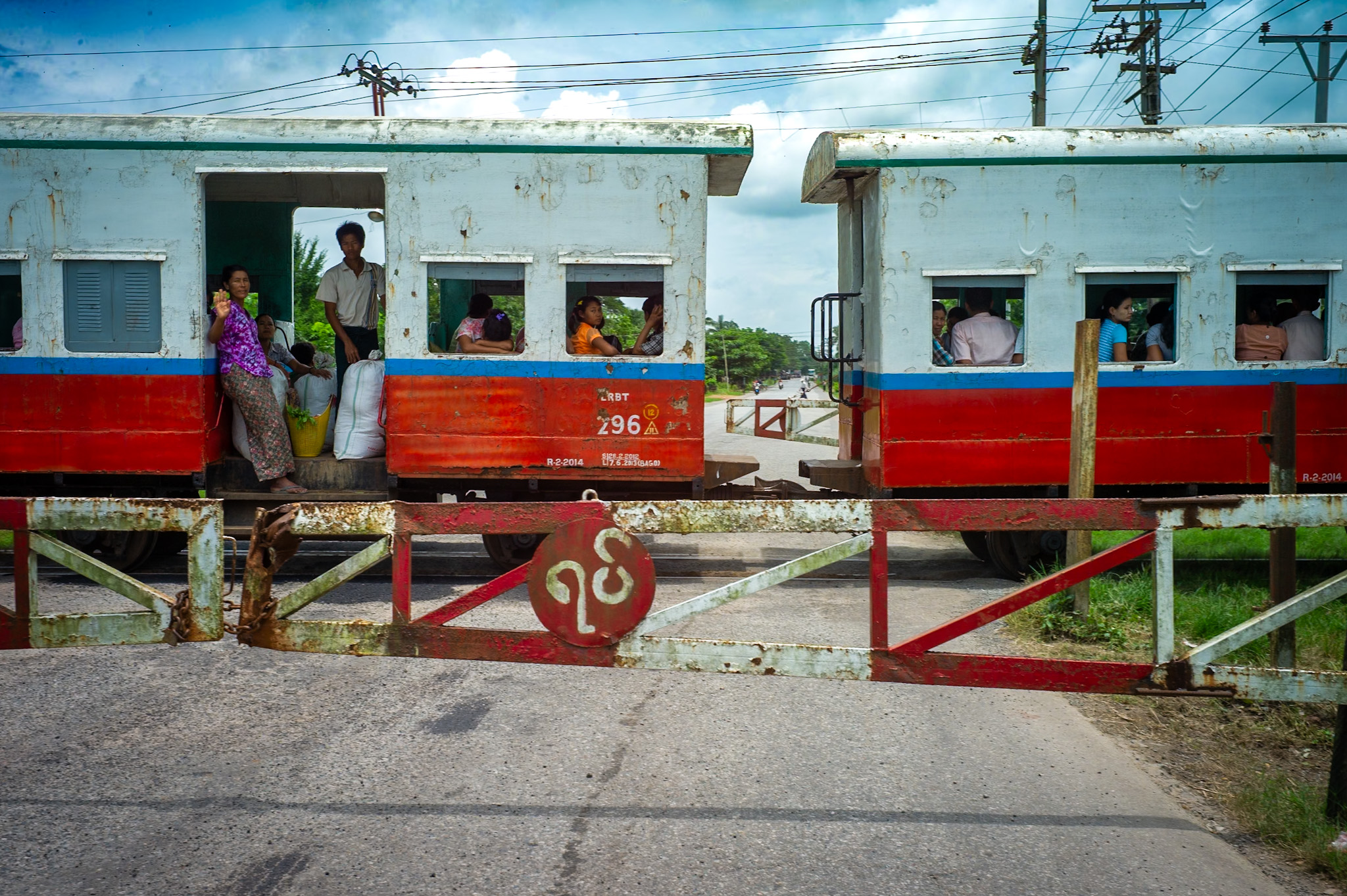
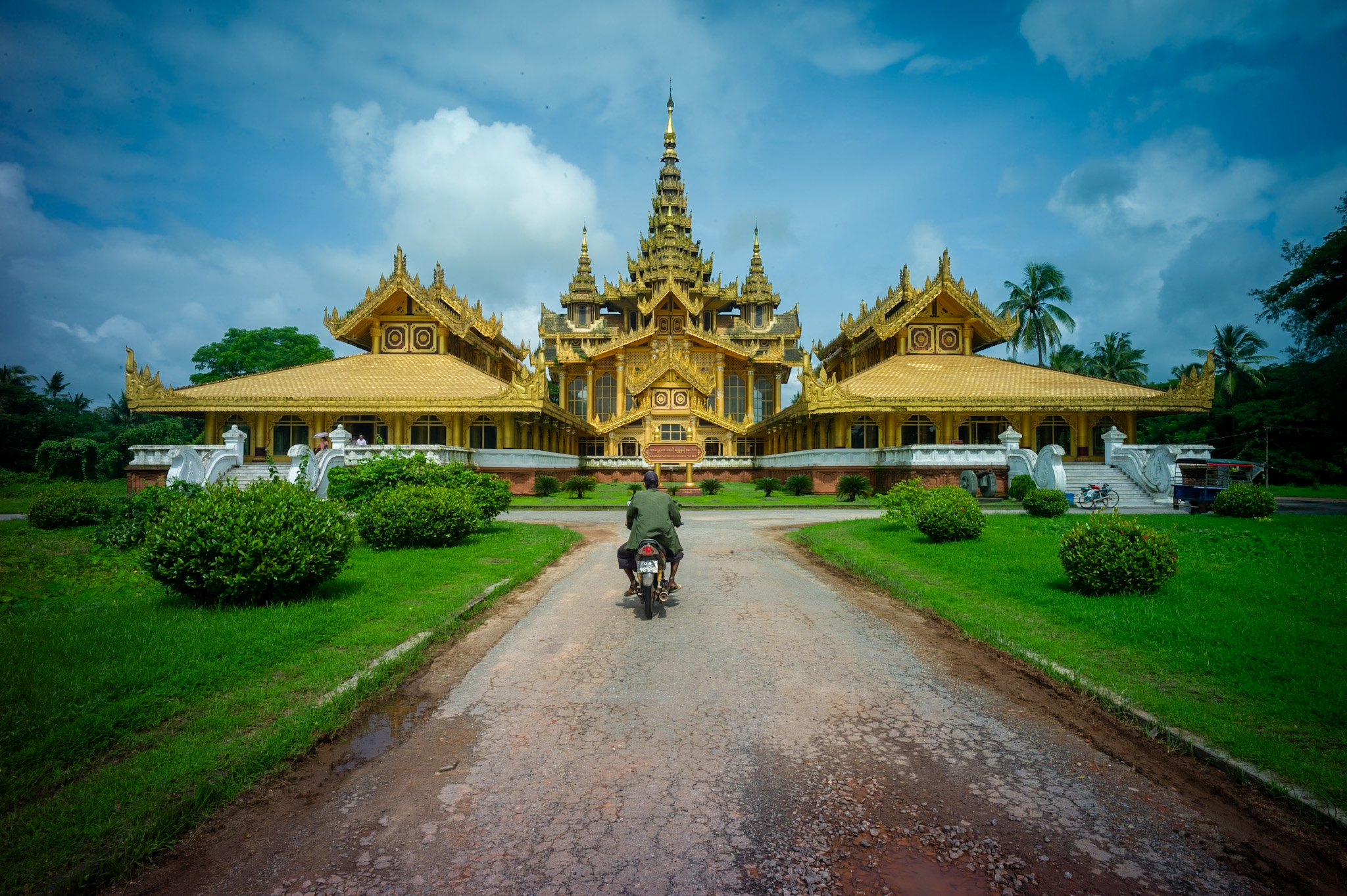
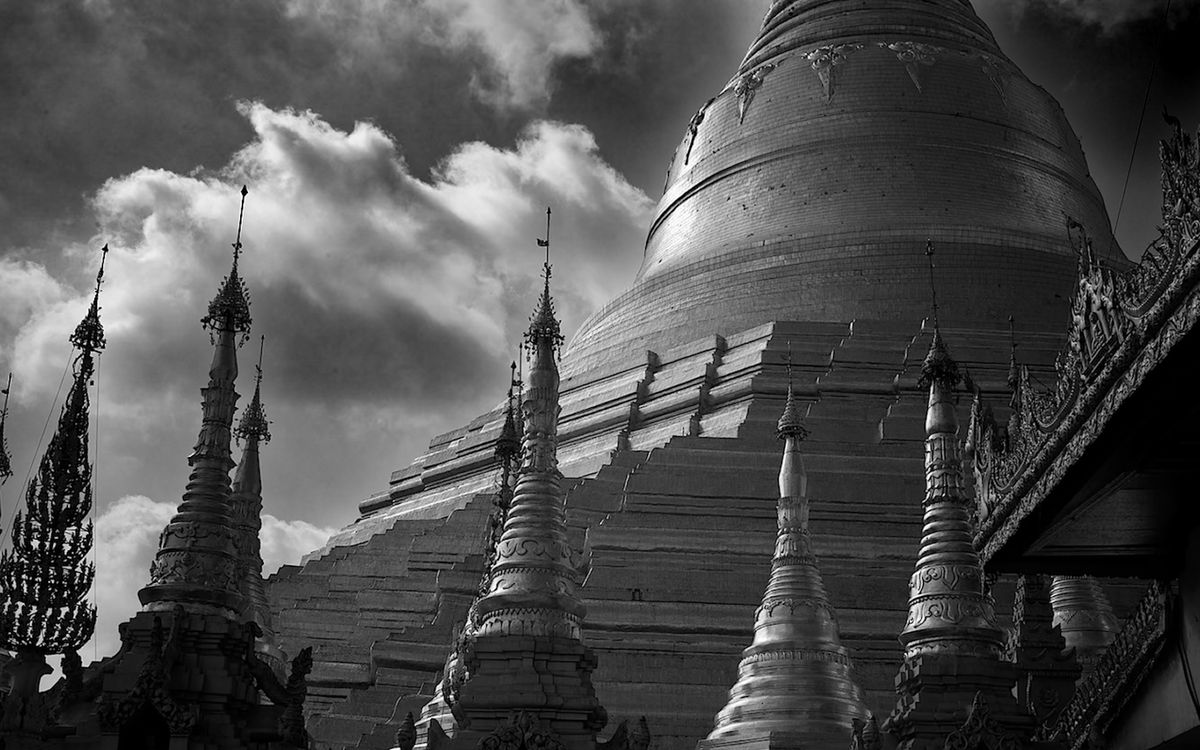
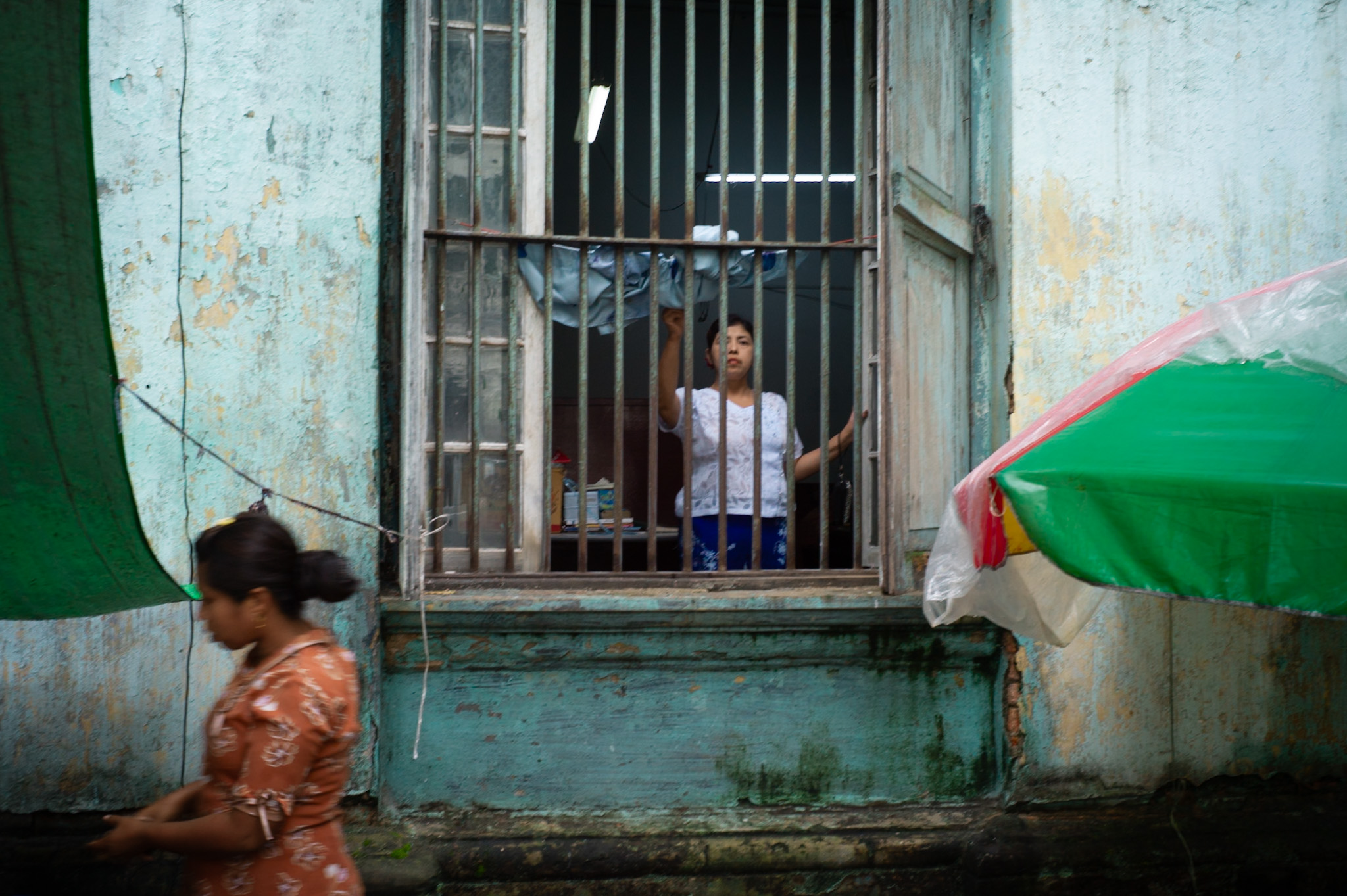
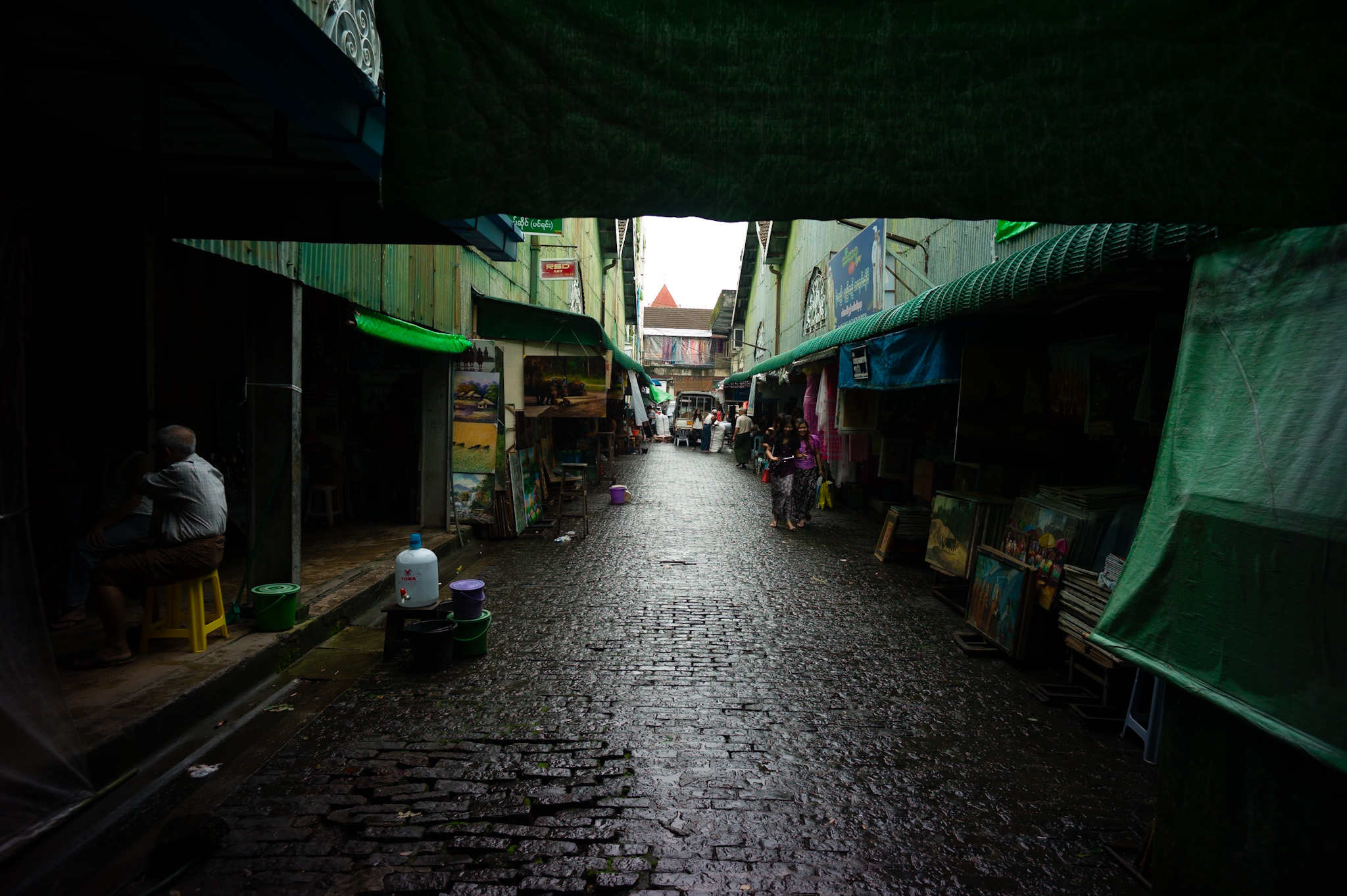
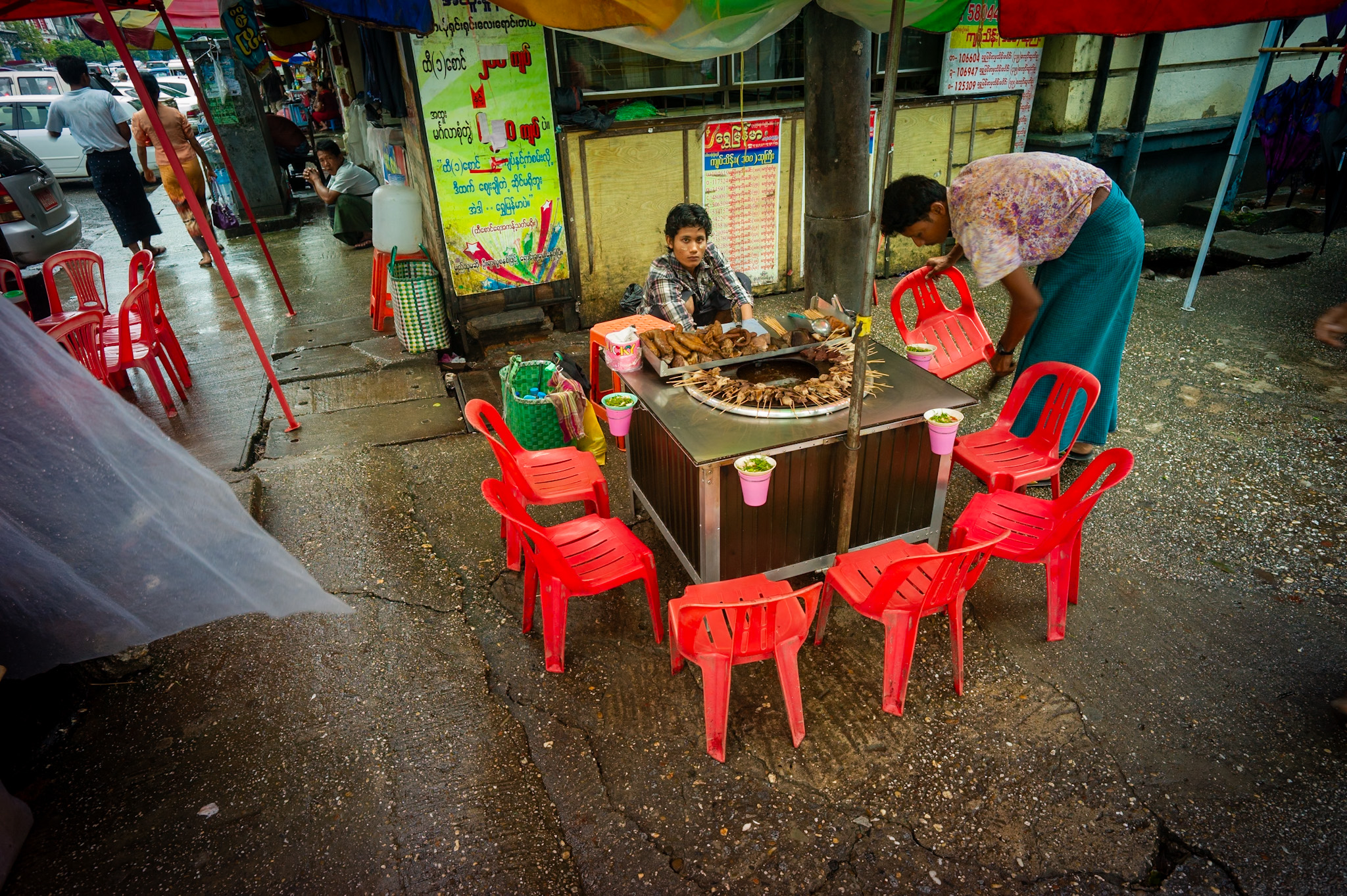
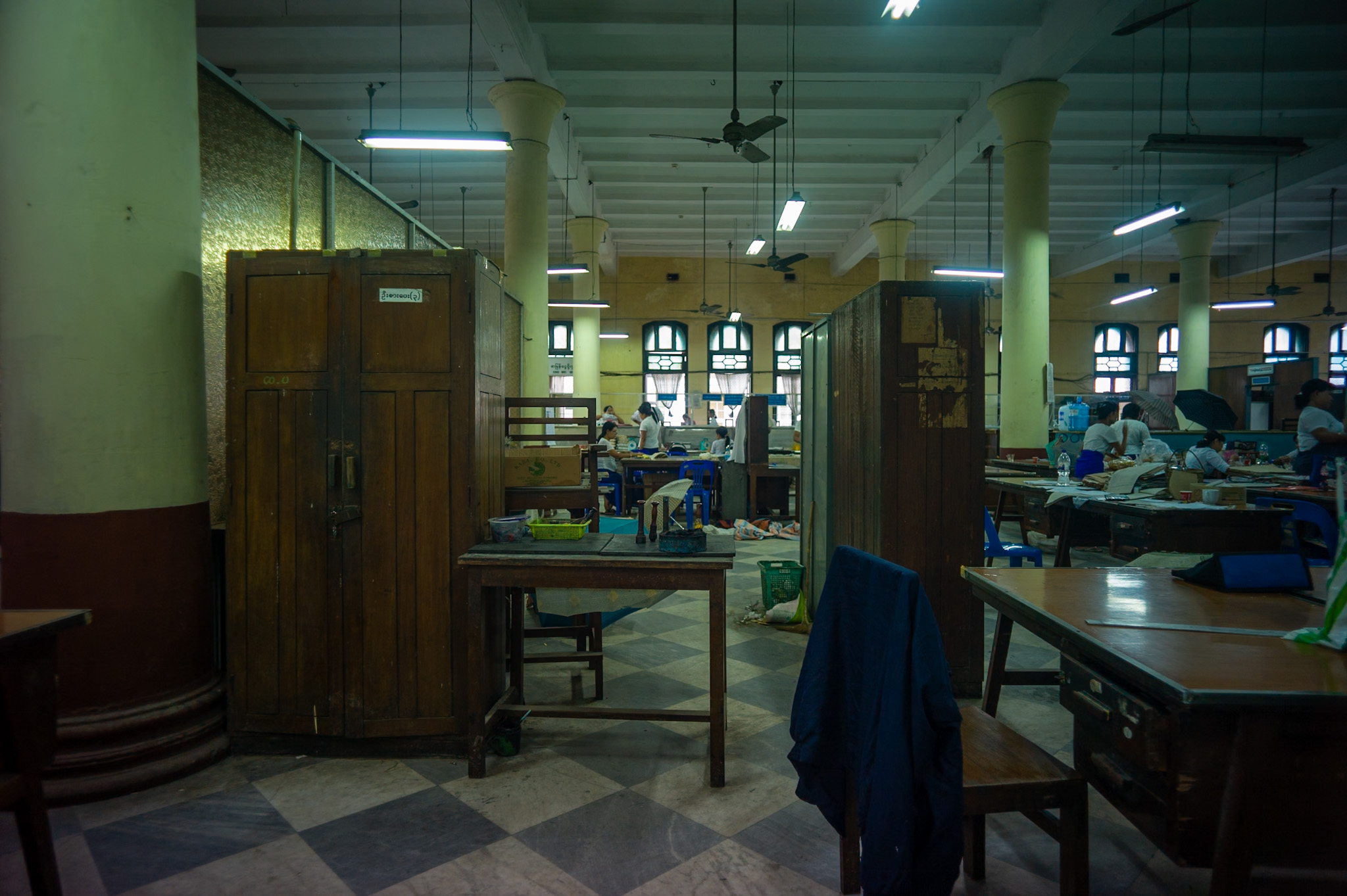
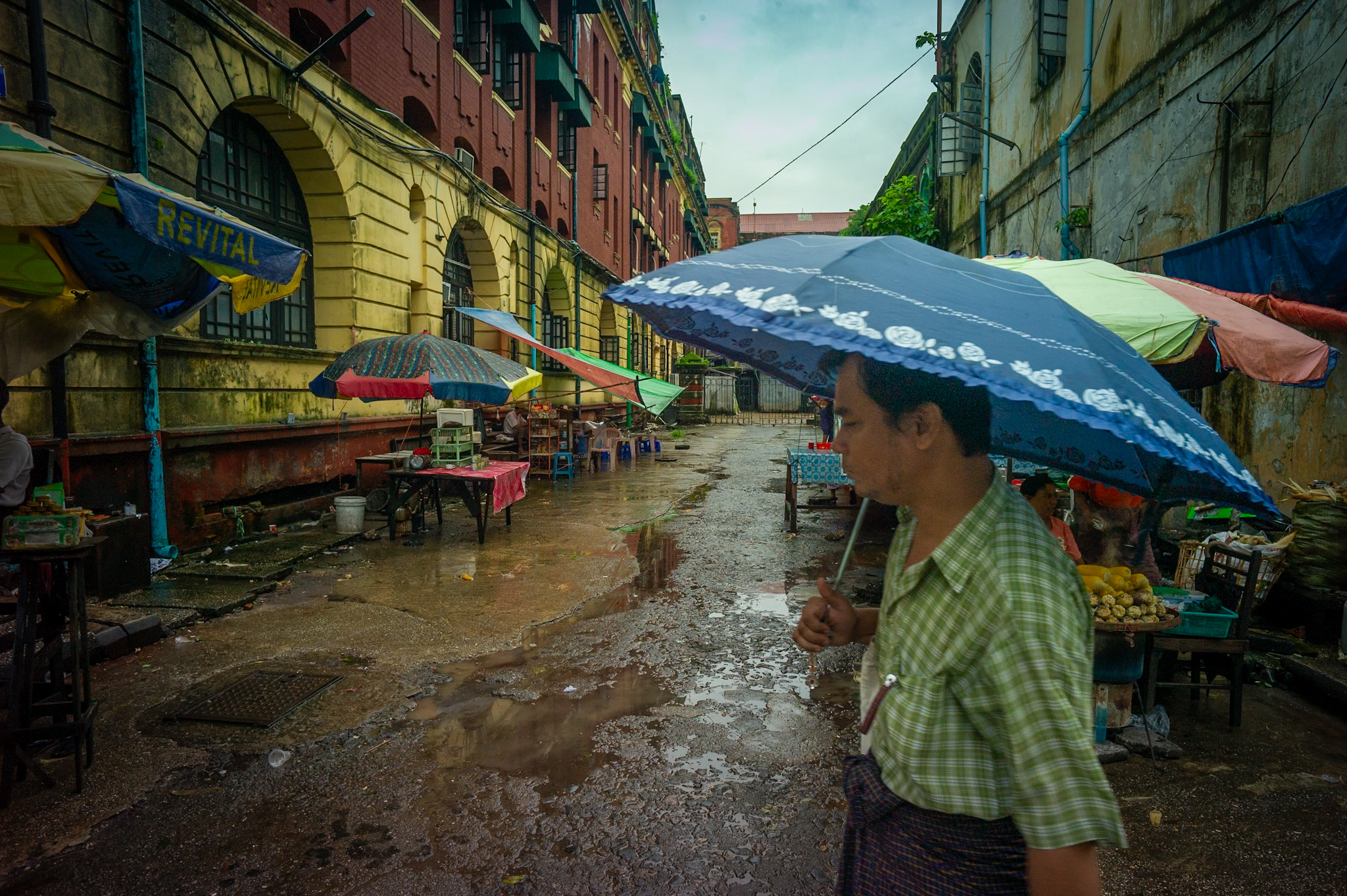
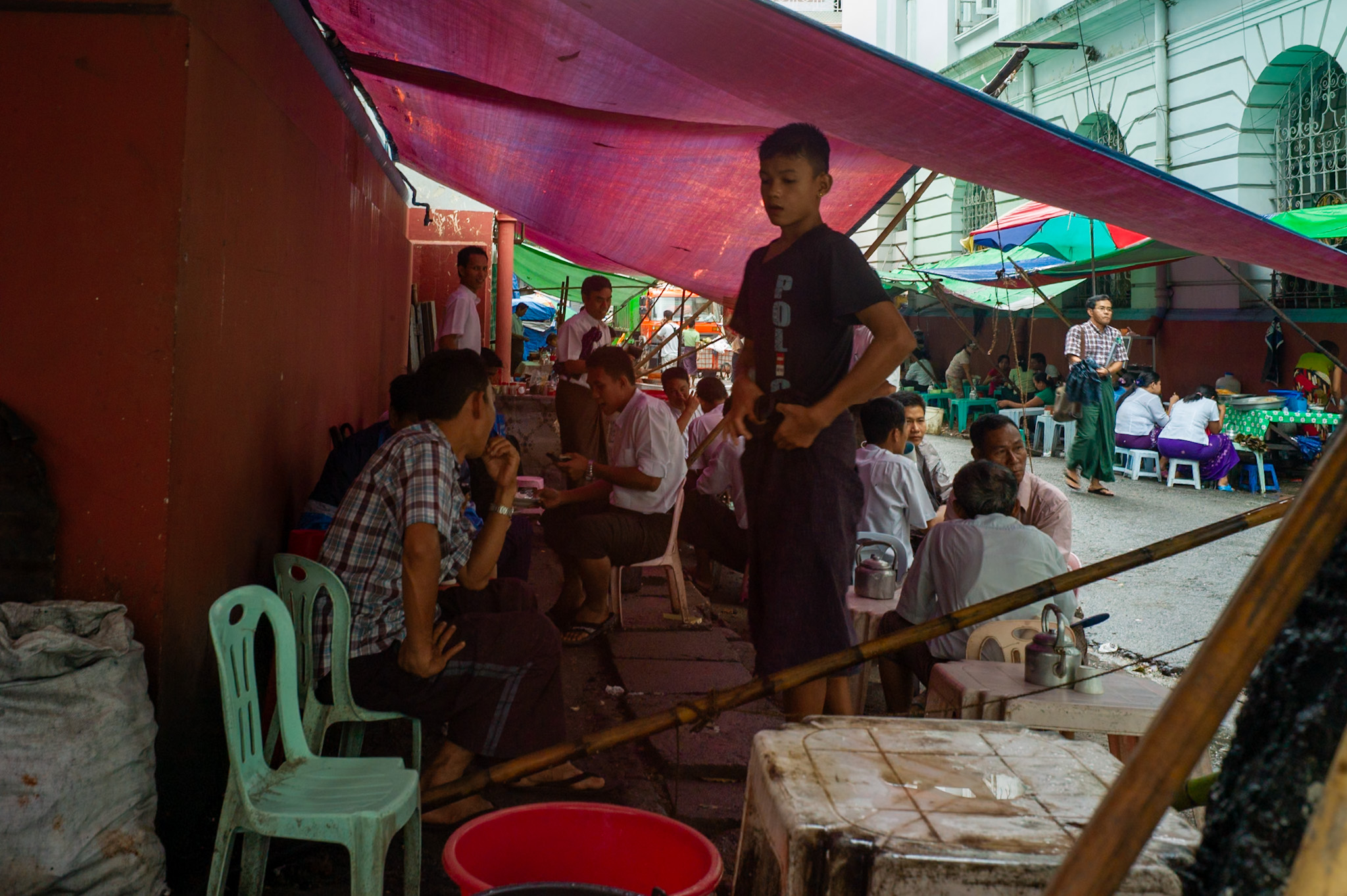
These
photographswere taken on a rainy day in Yangon, during a journey that later led me north, toward the borders with Thailand and China — a journey through a country suspended between resilience and despair, where
history weighs heavilyon everyday life.