

In August 2025, China’s official youth unemployment rate—the proportion of 16- to 24-year-olds not in full-time education and actively seeking work—rose to 18.9 per cent, the
highestsince the metric was recalibrated. For a country accustomed to double-digit growth and famously disciplined labour markets, the persistently high rate among young people is not just a statistical aberration: it is a symptom of deeper economic and social
stress.
One must begin with a caveat: the very method of computing “youth unemployment” has changed. After the official rate hit 21.3 per cent in mid-2023, Beijing suspended publication and later resumed under a new methodology that excludes students. That shift lowered the headline figure, but also obscures the full picture: many freshly minted graduates remain in limbo, underemployed or discouraged. Some unofficial estimates, citing hidden underemployment and partial disengagement, place effective rates far
higher.

Nevertheless, even by conservative measures, youth unemployment in China is persistently more than
triplethe national urban unemployment rate (hovering around 5 per cent). And unlike older cohorts—whose job categories are somewhat shielded by state ownership, social ties, or entrenched businesses—young jobseekers are exposed to volatile industries, fierce credential competition and structural bottlenecks.
China’s economic growth has
slowed, weighed down by a languishing property sector, weak consumption and global headwinds. In response, many firms have postponed hiring, especially in discretionary, growth-oriented sectors favoured by younger talent—technology, culture, media, education. The crackdown on private education and restrictions on tech firms have further squeezed youth employment channels. Meanwhile, state enterprises remain cautious, favouring experienced hires over novices.

Another factor is structural mismatch. China’s elite universities churn out a flood of graduates in liberal arts,
businessand social sciences. Many of these graduates lack the technical or vocational skills demanded in manufacturing, logistics, renewable energy or remote services. The “
ant tribe” phenomenon—young graduates clustering in low-cost shared housing, underemployed and hoping to land a white-collar job—captures this mismatch. Moreover, informal labour markets and the gig economy absorb only a fraction of youth demand, often without benefits or stability.
Regulation and suppression of dissent also weigh. Social norms and official messaging discourage complaining about joblessness; internet censorship and crackdowns on “negative emotions” (especially among youth) limit public expression of frustration. Many young people turn to “
lying flat” (tang ping) or “
let it rot” (bai lan)—deliberate withdrawal from ambition—as a psychological escape.
At stake is not just individual hardship but social stability. China’s legitimacy still hinges on delivering opportunity and upward mobility to younger generations. A cohort stymied by joblessness may grow disillusioned, eroding faith in meritocracy and the social contract. The suppression of youthful dissent may temporarily mute turmoil, but simmering grievances rarely vanish.
Moreover, persistent youth unemployment exacerbates
inequality. Those from privileged backgrounds can buffer stints of underemployment via family support, while less affluent graduates suffer immediate setback. Over time, a large cohort entering adulthood without stable employment weakens aggregate demand, stunts household formation, and drags consumption growth.


Policymakers must tread a narrow path. On one side, they need to stimulate hiring via tax subsidies, targeted incentives for firms to hire graduates, expansion of apprenticeships and vocational training. Redirecting state investment toward labour-intensive and green sectors may help absorb youth demand. On the other side, the
temptation to micromanagesocial attitudes or suppress reporting of unemployment must be resisted; credible data and open acknowledgement are prerequisites for trust.
Finally, China must confront structural reform: liberalising labour mobility, reducing barriers to rural–urban migration, encouraging entrepreneurship (especially beyond the first tier of cities), and allowing more private sector participation in youth-oriented industries.
If China cannot find a productive role for its young talent, it risks not only a “
lost generation” in economic terms but a brittle social fabric. In an ageing society, the failure to harness the energy and ambition of its youth may be the most serious strategic misstep Beijing cannot afford.
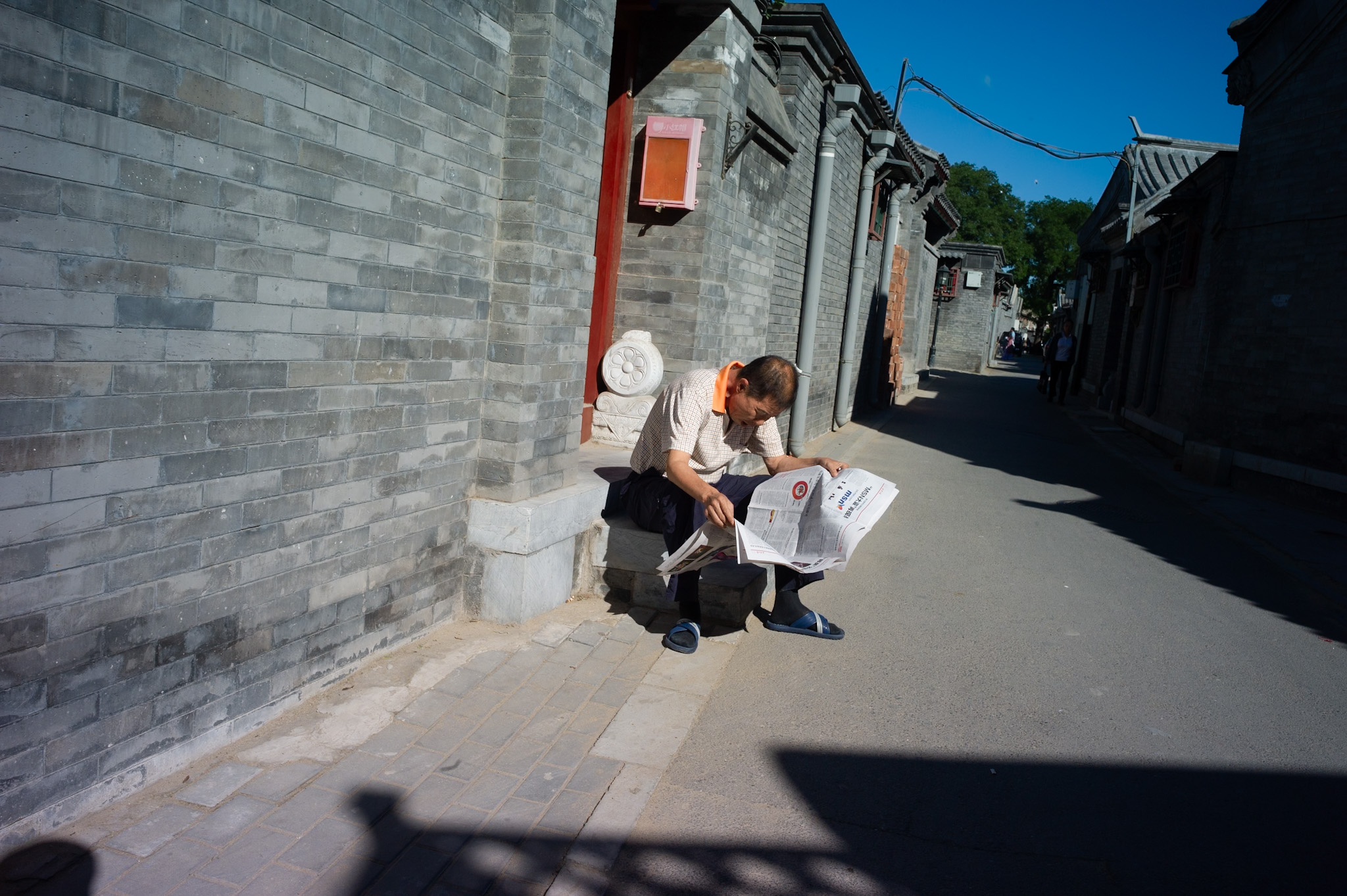
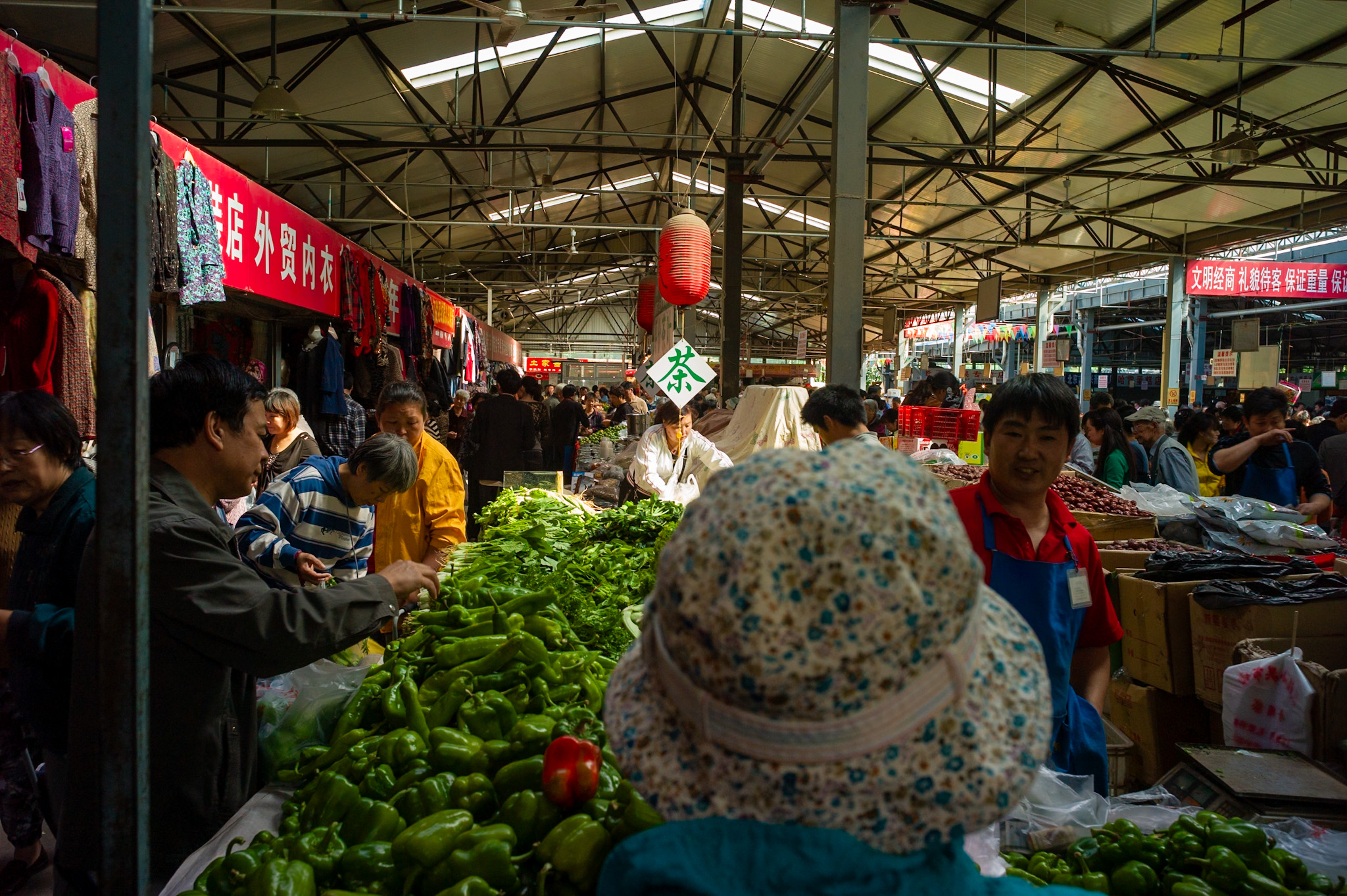
I spent the last few years of my corporate-executive career in China (Shanghai, Beijing, Dalian and Hong Kong), experiencing first-hand the need to postpone, reduce or even cancel youth hiring, and was one of the toughest decisions I had ever to take. The images here have been taken back in 2012, during weekends in a long business trip to Beijing. Camera used was a
Leica M9.