There are few things in travel worse than a
red-eyeflight — leaving in the middle of the night, landing at dawn, and never managing more than a few hours of broken sleep. Bingo! Last night, around 1:30 a.m., I was slumped in an airport seat, waiting to board a six-and-a-half-hour flight that would drop me in Milan at 6:30 a.m. Perfect timing to hit the city’s notorious Tangenziale right in the middle of rush hour.
I was doing my best not to pass out, fighting that heavy, dizzy exhaustion that comes when your body can’t tell what time it is anymore. That’s when I noticed a small group of women nearby — their faces brushed with a soft
yellowishpaste, glowing under the harsh airport lights.
“They’re from Myanmar,” I thought instantly, recognizing the familiar pattern of thanaka on their cheeks.
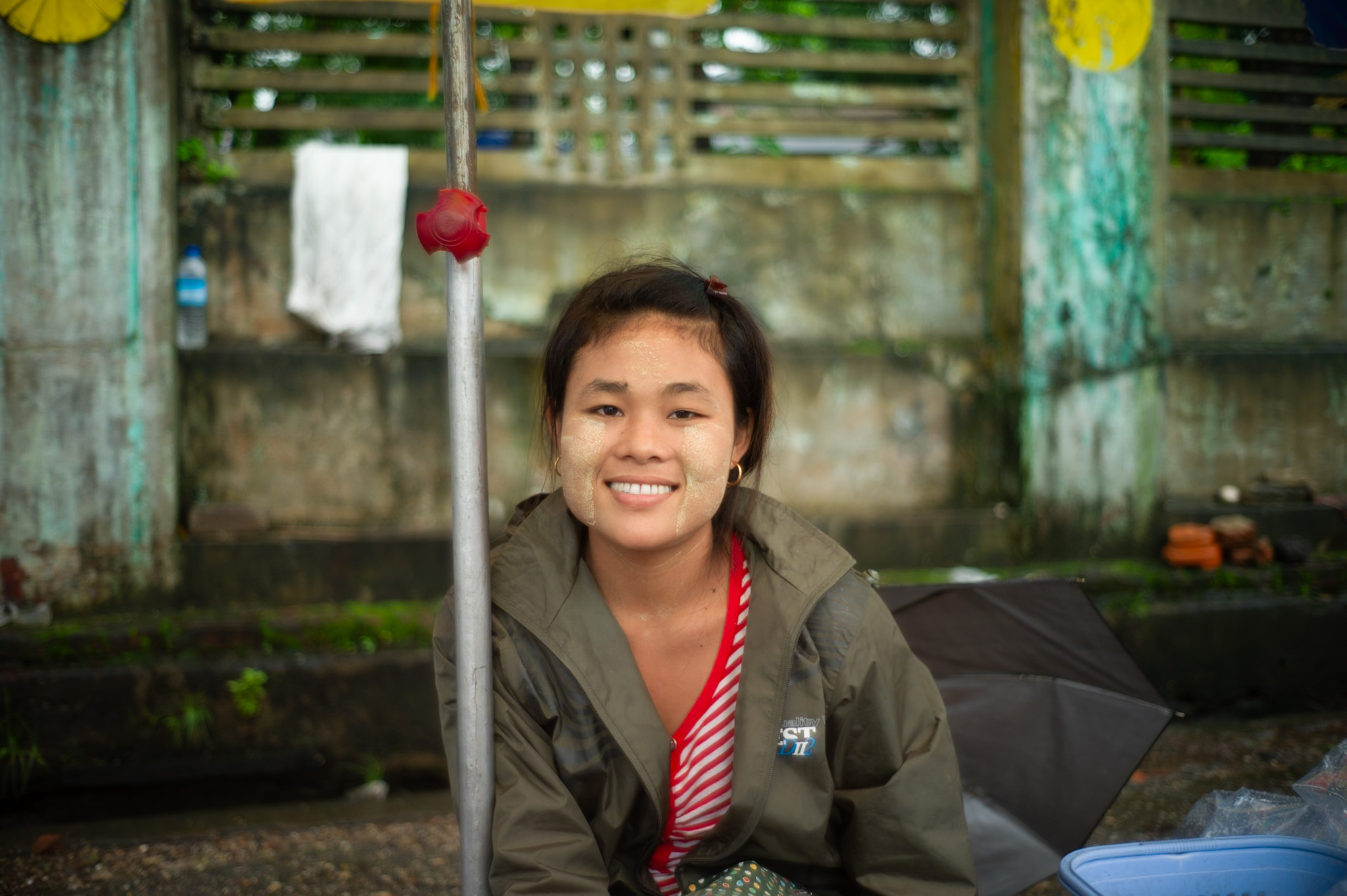
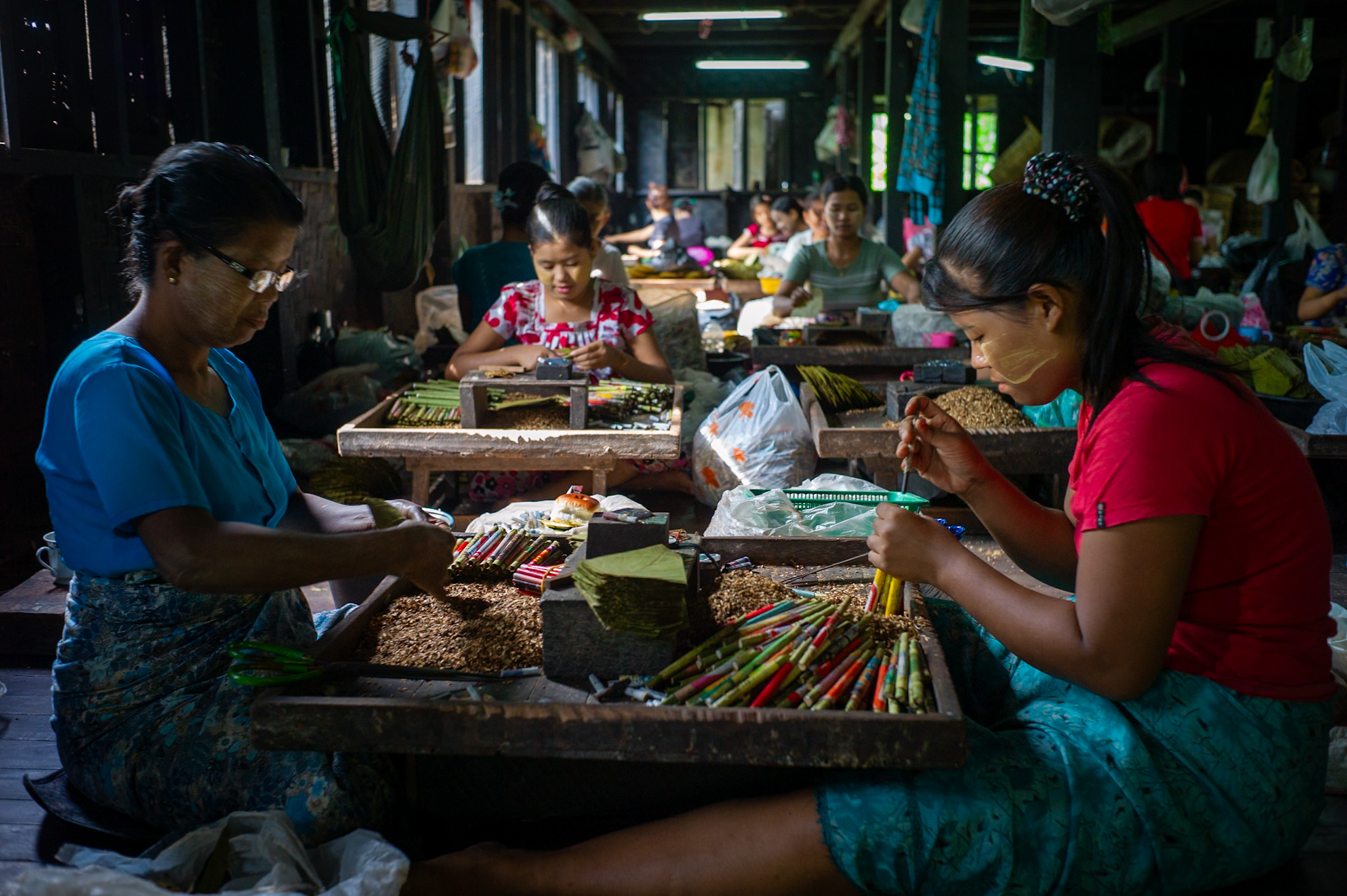
In the busy markets of Yangon or Mandalay, and along the quiet, tree-lined streets of Bagan, the first thing that catches your eye is the golden shimmer on people’s faces. A soft, yellowish paste — spread in wide circles across cheeks and nose — glows under the tropical sun. This is thanaka, Myanmar’s signature beauty mark and one of Asia’s oldest traditions, worn proudly by women, men, and kids alike.
It’s made by grinding the bark of the Limonia acidissima tree with a bit of water on a flat stone. But thanaka isn’t just for makeup. For generations, Burmese women have used it as
sunscreen, moisturizer, and even perfume. It cools the skin in the dry central plains, and in the sticky southern delta it helps keep it fresh and clean. Science now backs up what grandmothers have always said: thanaka is rich in antioxidants and gentle antibacterial properties.
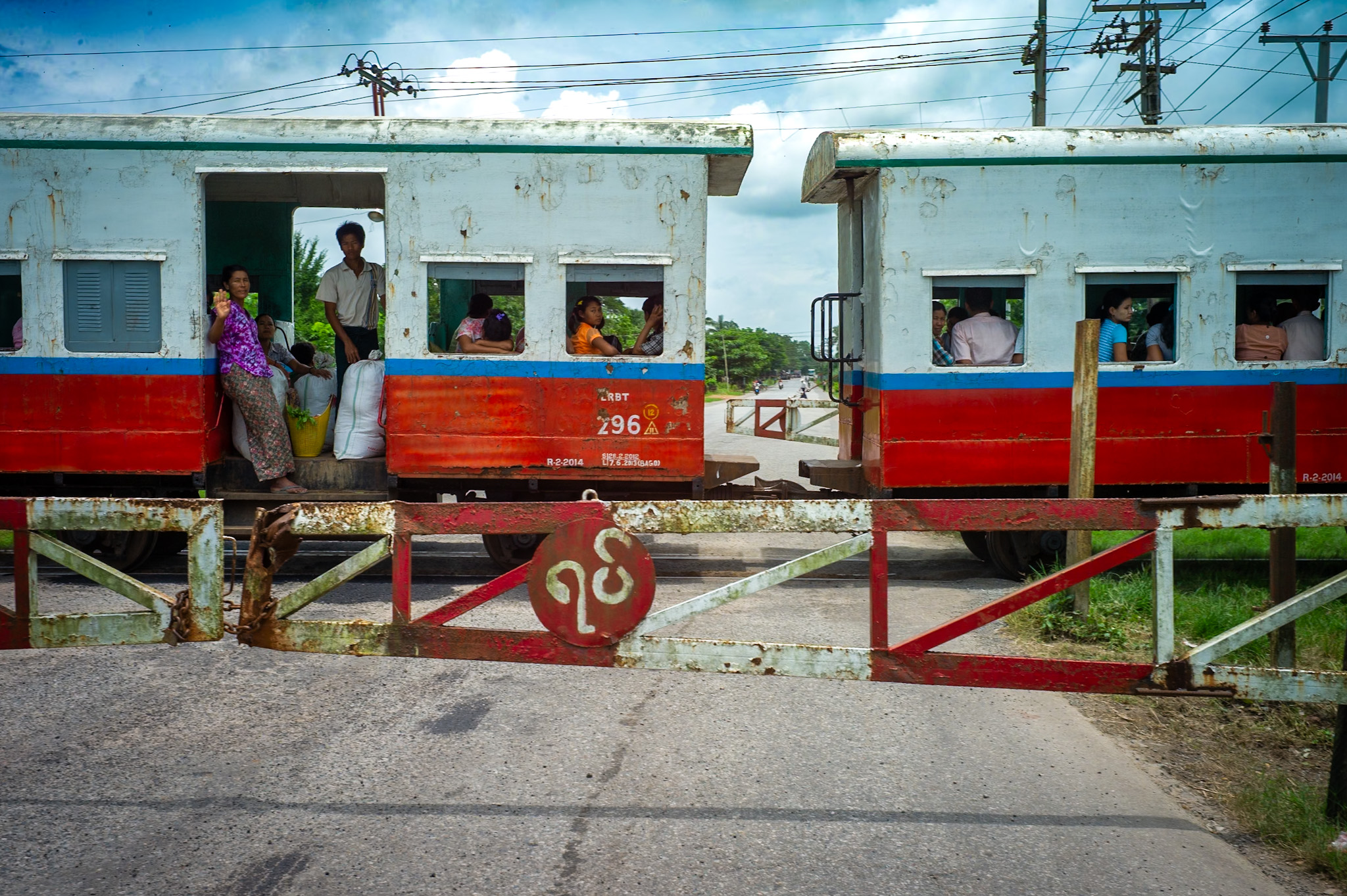
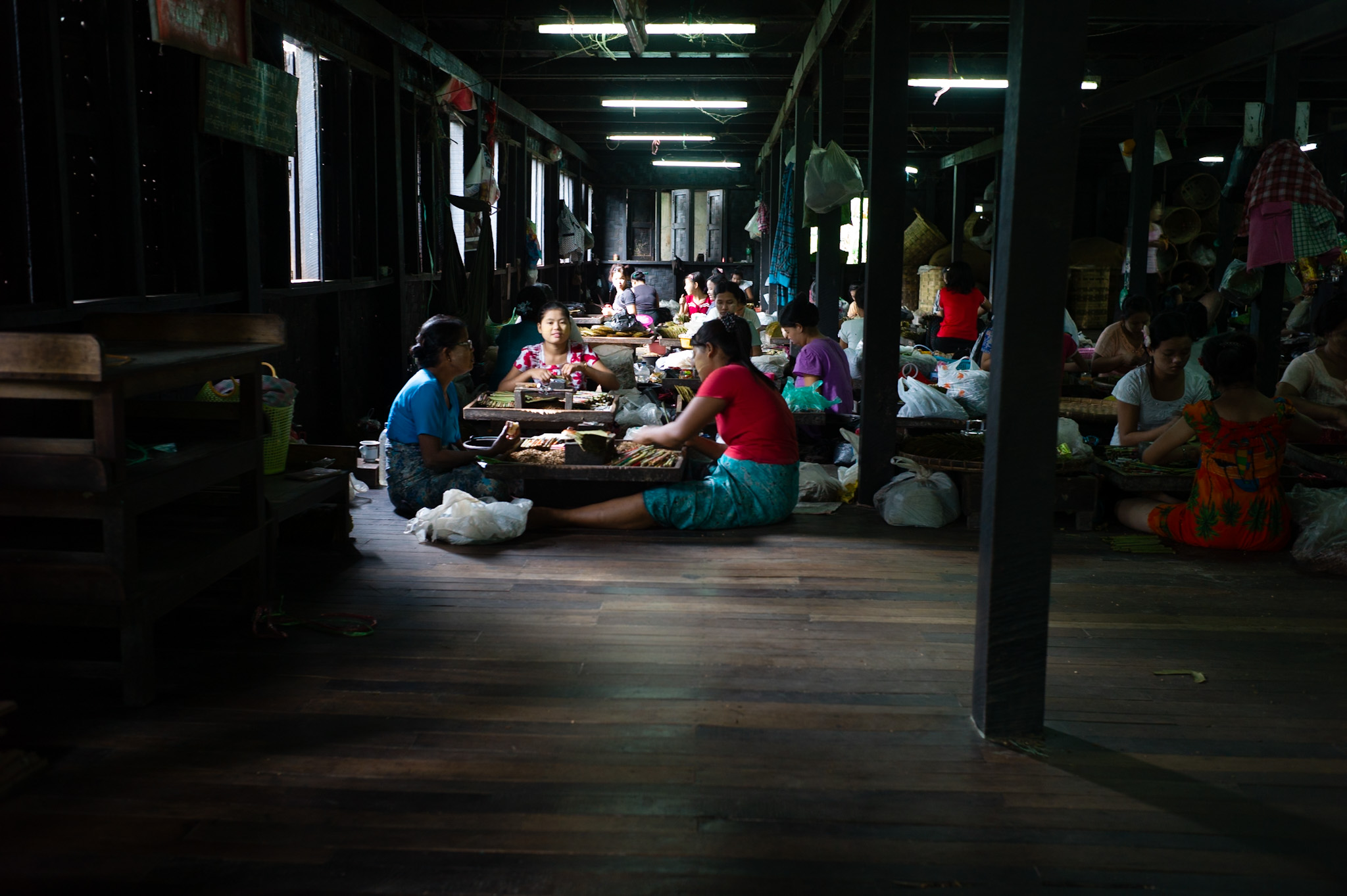
Still, its real power isn’t just in skincare — it’s cultural. Thanaka is a symbol of grace and modesty, a kind of beauty that doesn’t try to hide anything. Unlike foundation or powder, it doesn’t cover your skin — it softens it. The creamy patterns, shaped into circles, leaves, or hearts, are applied every morning in quiet ritual. Mothers smooth it onto their daughters’ faces before school; vendors at dawn spread it on while chatting with neighbors. It’s a daily act of connection — through touch, scent, and memory.
In modern Yangon, beauty salons now mix old and new. You’ll see jars of imported creams lined up right next to slabs of golden bark. The beauty industry has caught on too, selling bottled thanaka as a trendy, natural cosmetic — nostalgia for locals, curiosity for visitors.
But in the countryside, far from city lights, the tradition remains pure. With mirrors scarce and power cuts common, women still sit by their wells at sunrise, grinding the bark by hand until the paste feels just right. They dab it on with their fingertips, then step out into the day, their faces glowing softly in the sun — a simple, timeless kind of beauty that no modern brand can replicate.
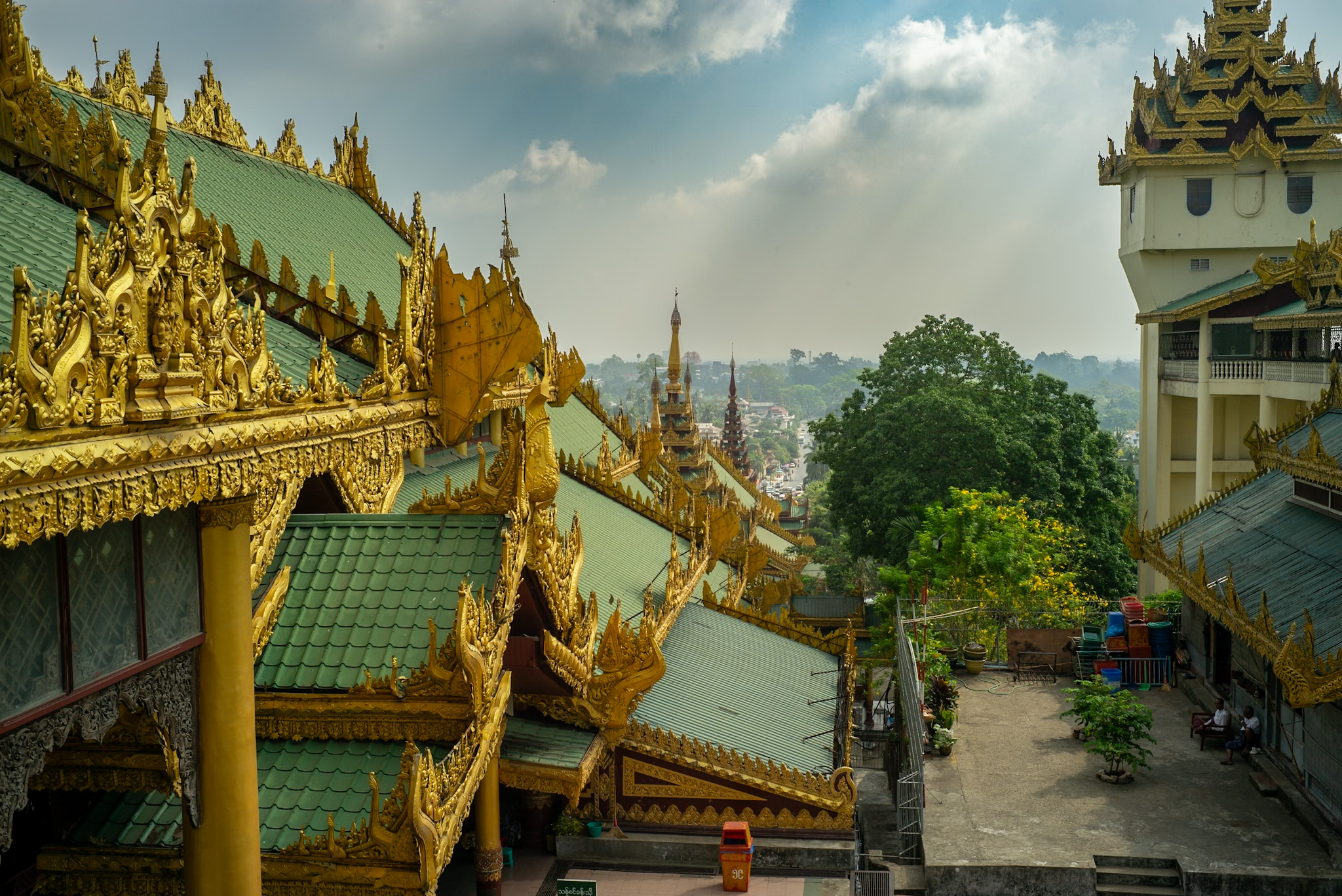
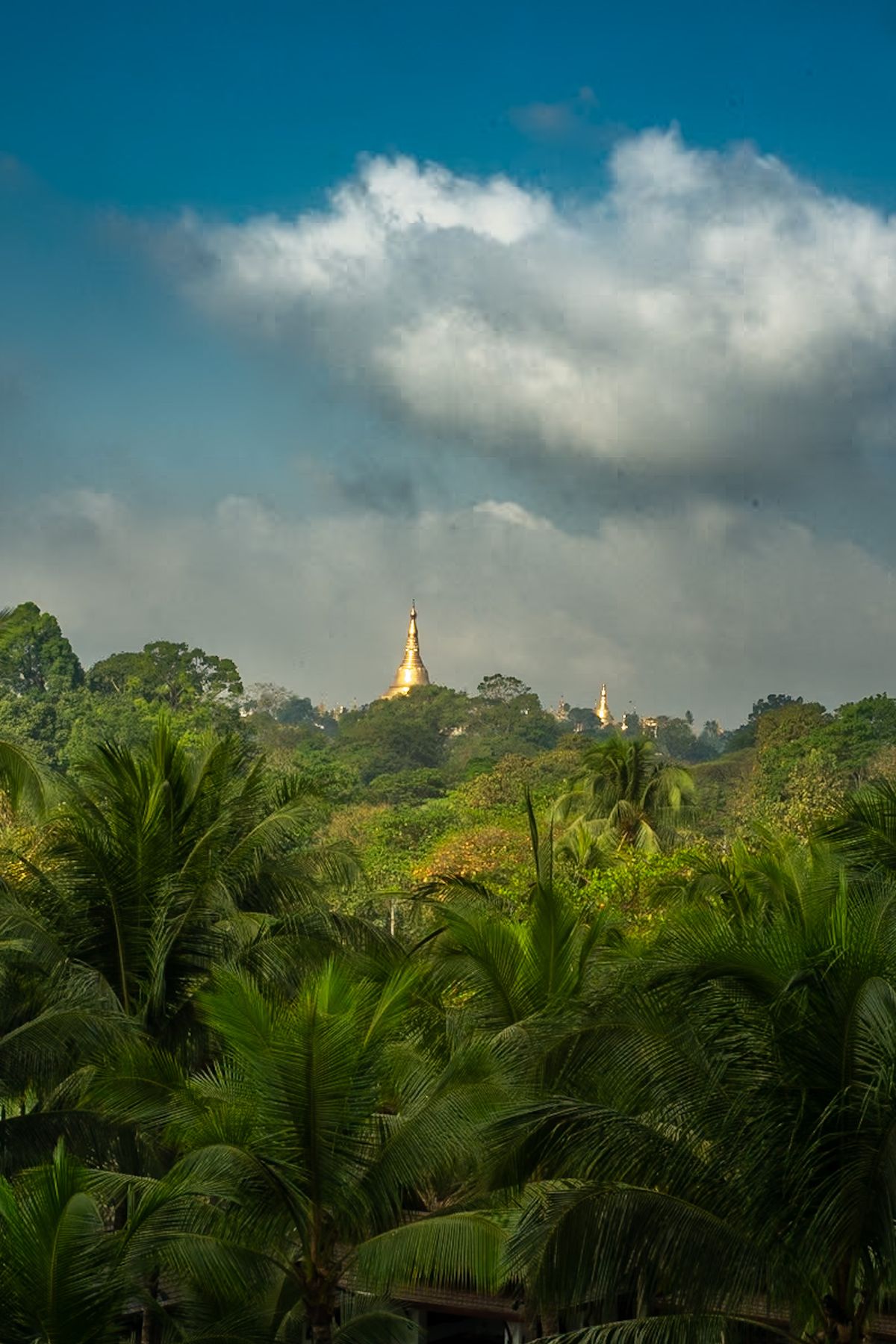
I traveled a few times to Myanmar, between 2012 and 2017, and shoot the photos you can see here, between Yangon, and the Northern border with China.