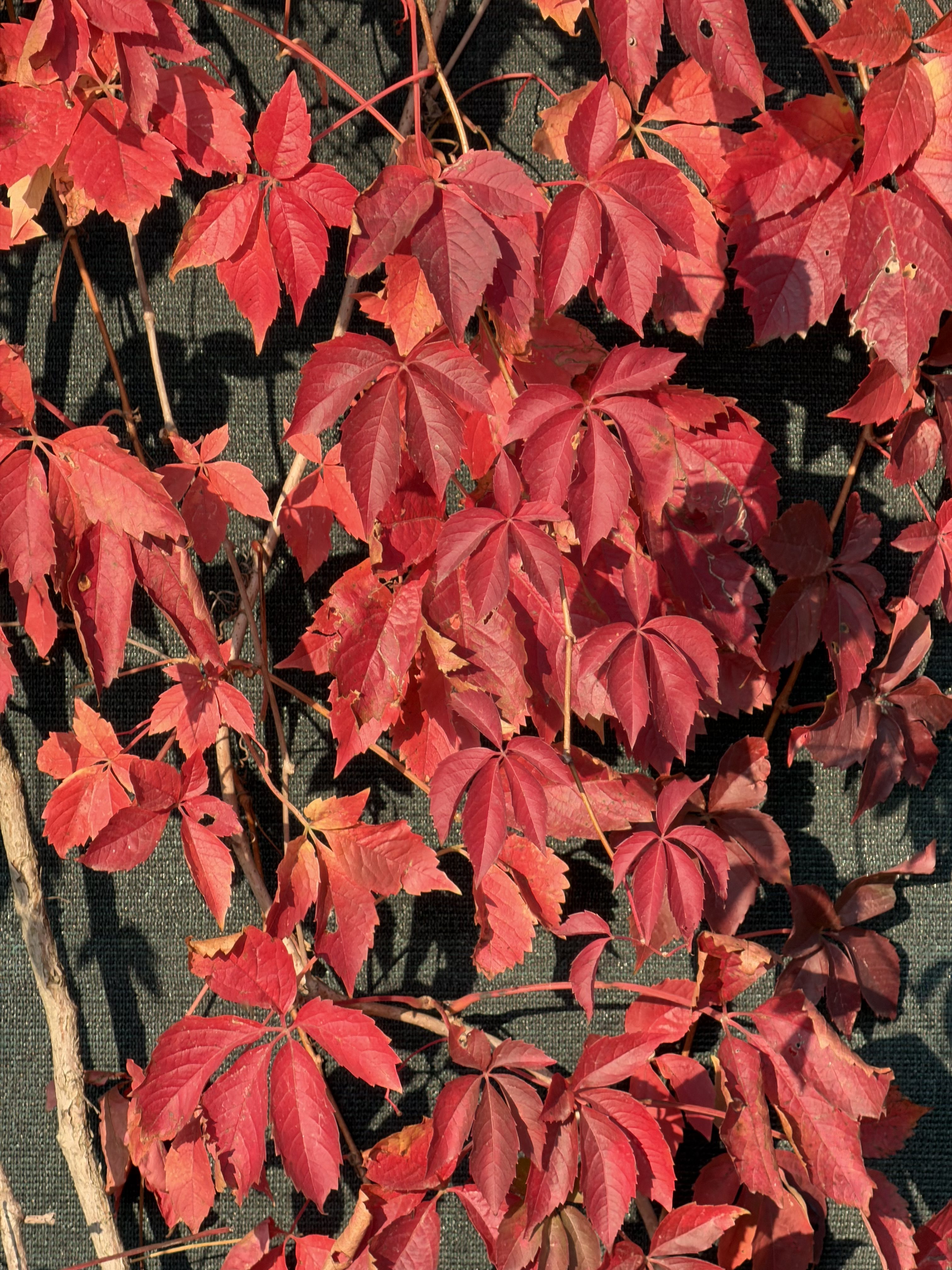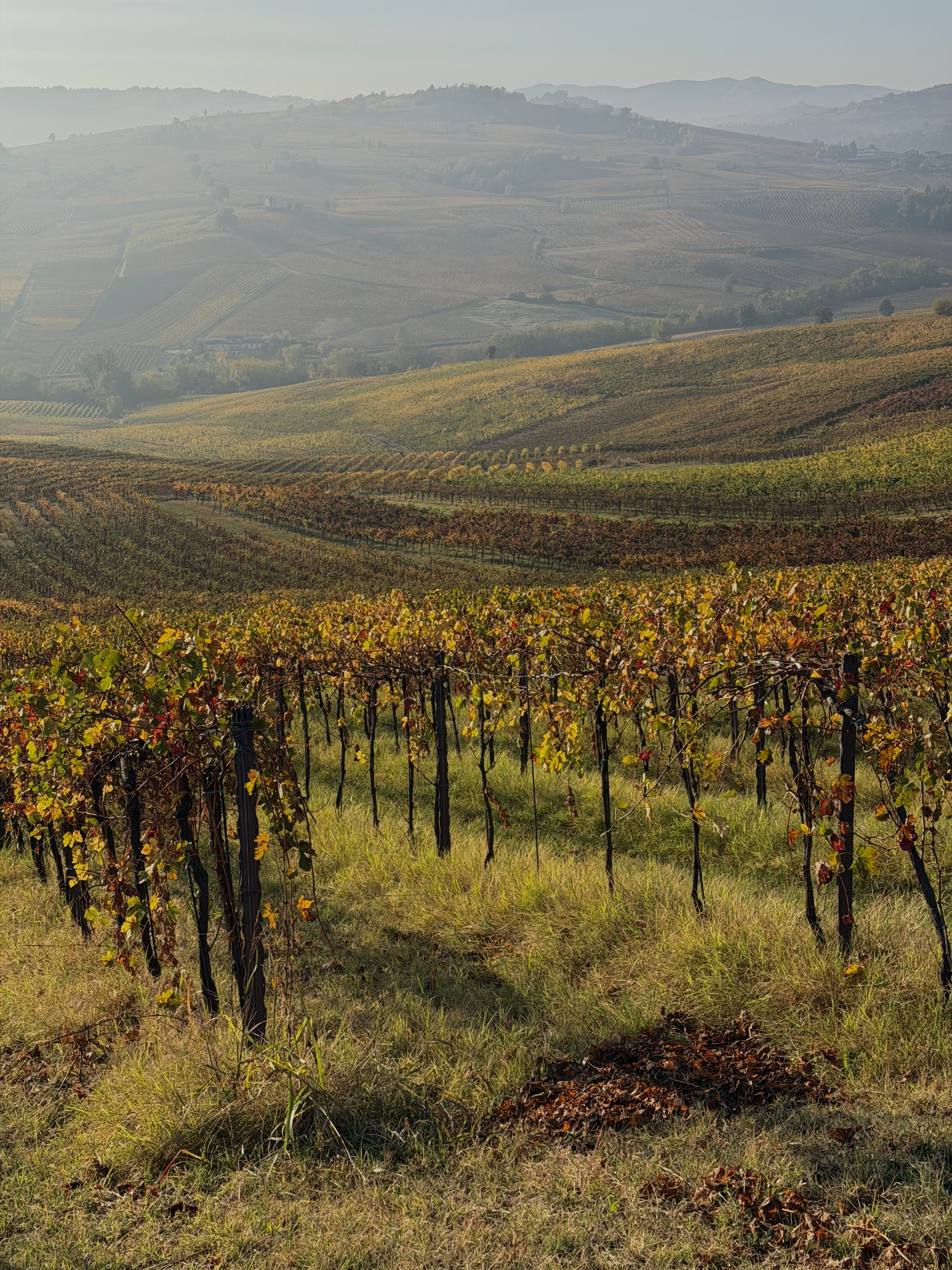

On the southern edge of Lombardy, just beyond the industrial sprawl of Milan and Pavia, the land begins to rise and breathe again. Rolling hills, striped with vines and dotted with villages of ochre stone, stretch toward the Apennines. This is
Oltrepò Pavese, a region Italians like to call la Toscana dei milanesi — Milan’s Tuscany — though the comparison flatters more than it fits. Oltrepò’s beauty is quieter, rougher, less curated. And, unlike Tuscany, it is emptying out.
Once, these hills thrummed with life. In the 1950s and ’60s, the Oltrepò was among Italy’s
most productive wine regions. The local red, Buttafuoco, and the crisp Pinot Nero helped make Pavia province a small powerhouse of agricultural exports. Families worked small plots side by side; grapes were pressed in courtyards; and every hilltop seemed to hum with tractors and laughter. But progress — that double-edged word — arrived elsewhere. As factories in Milan and Turin drew young workers with the promise of steady pay and city life, the hills began to thin out.
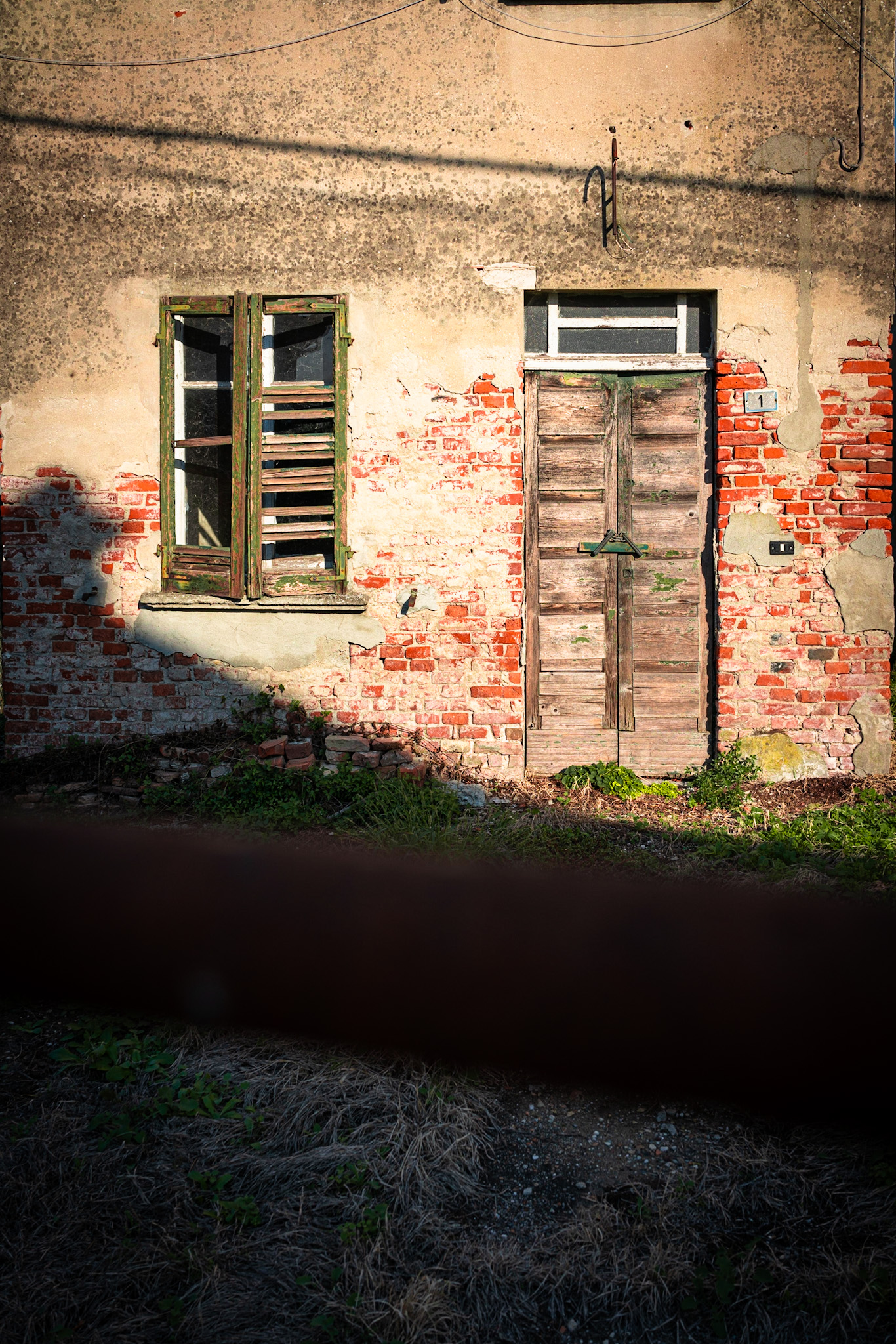
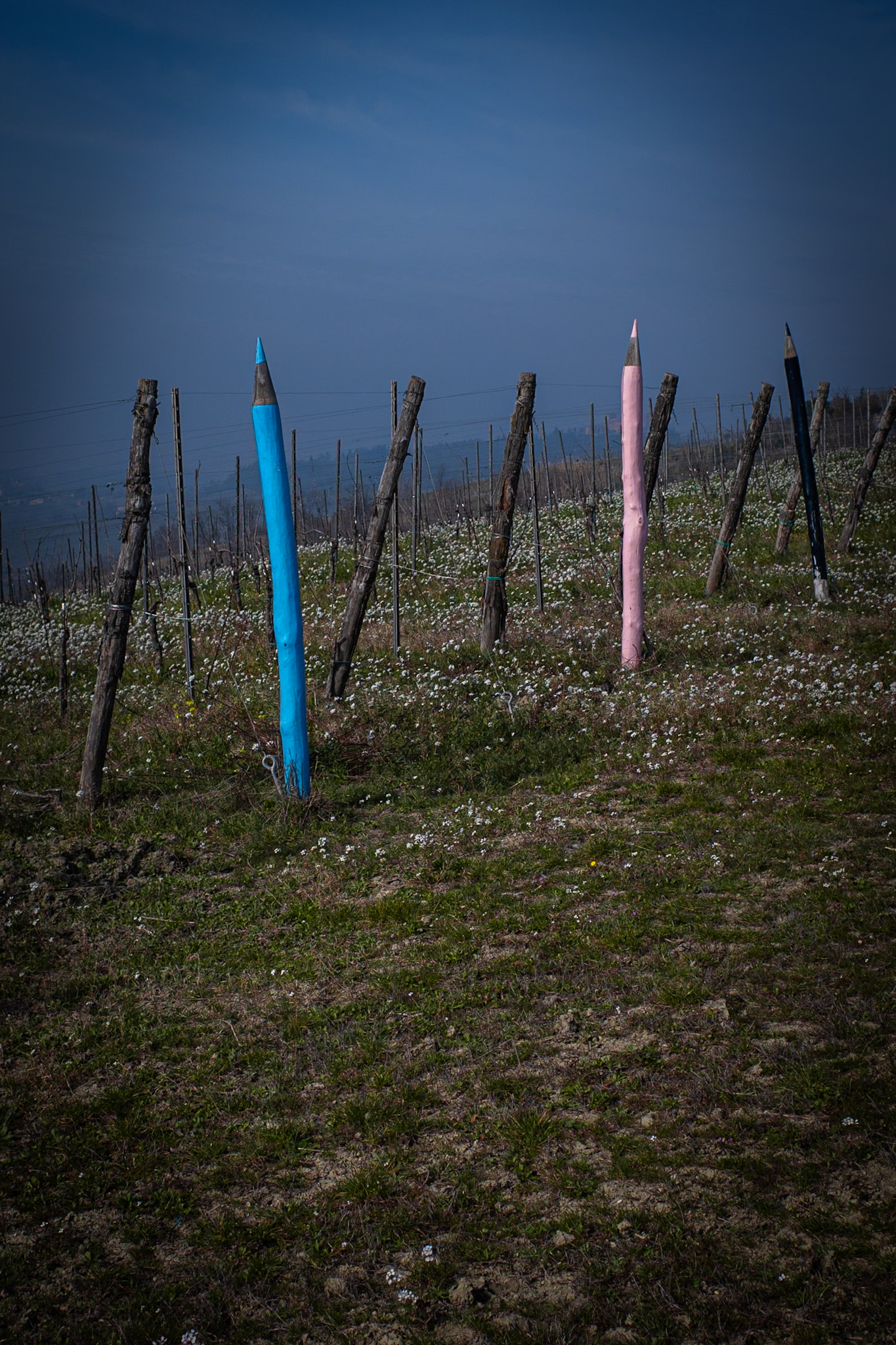
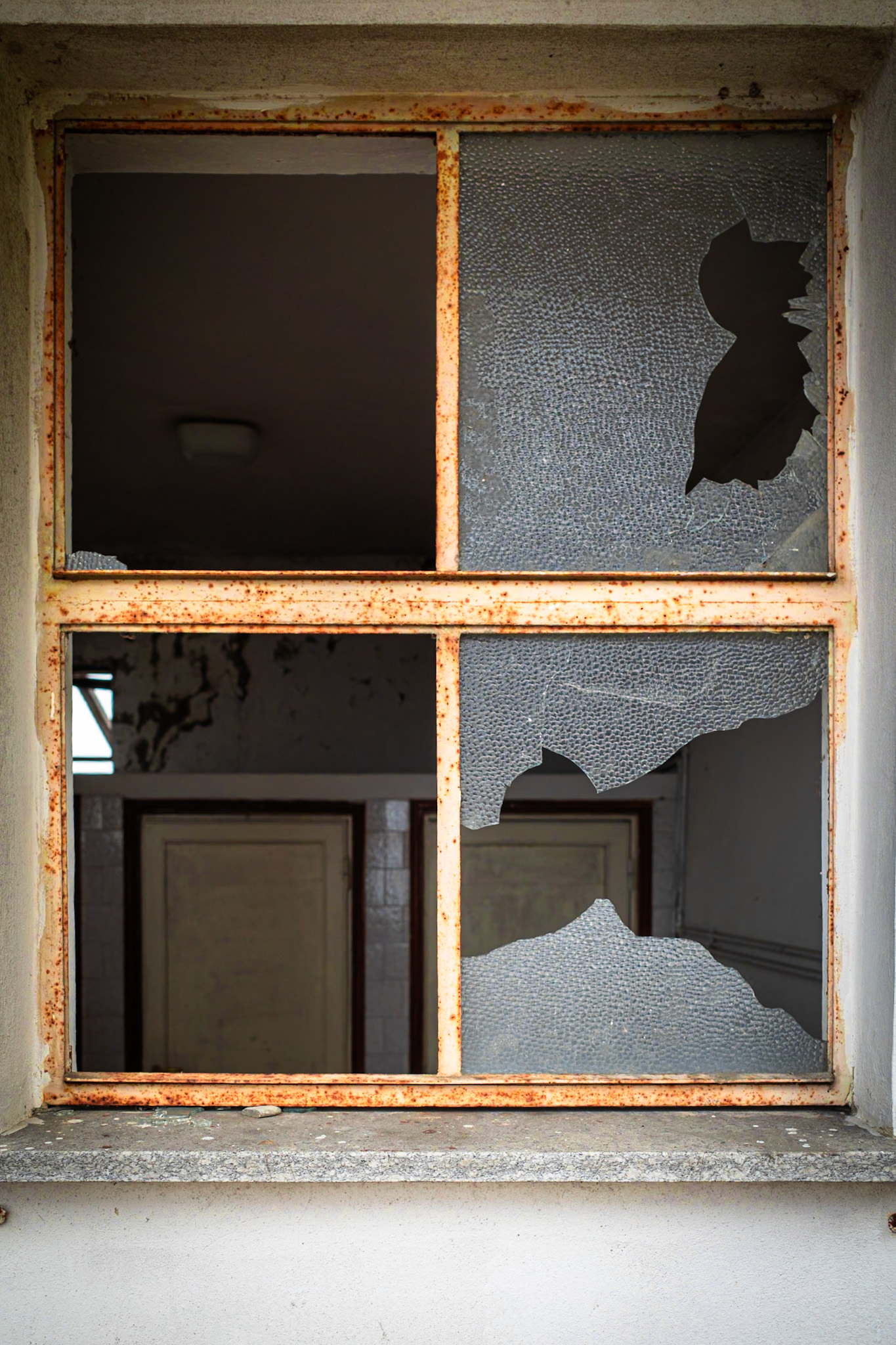
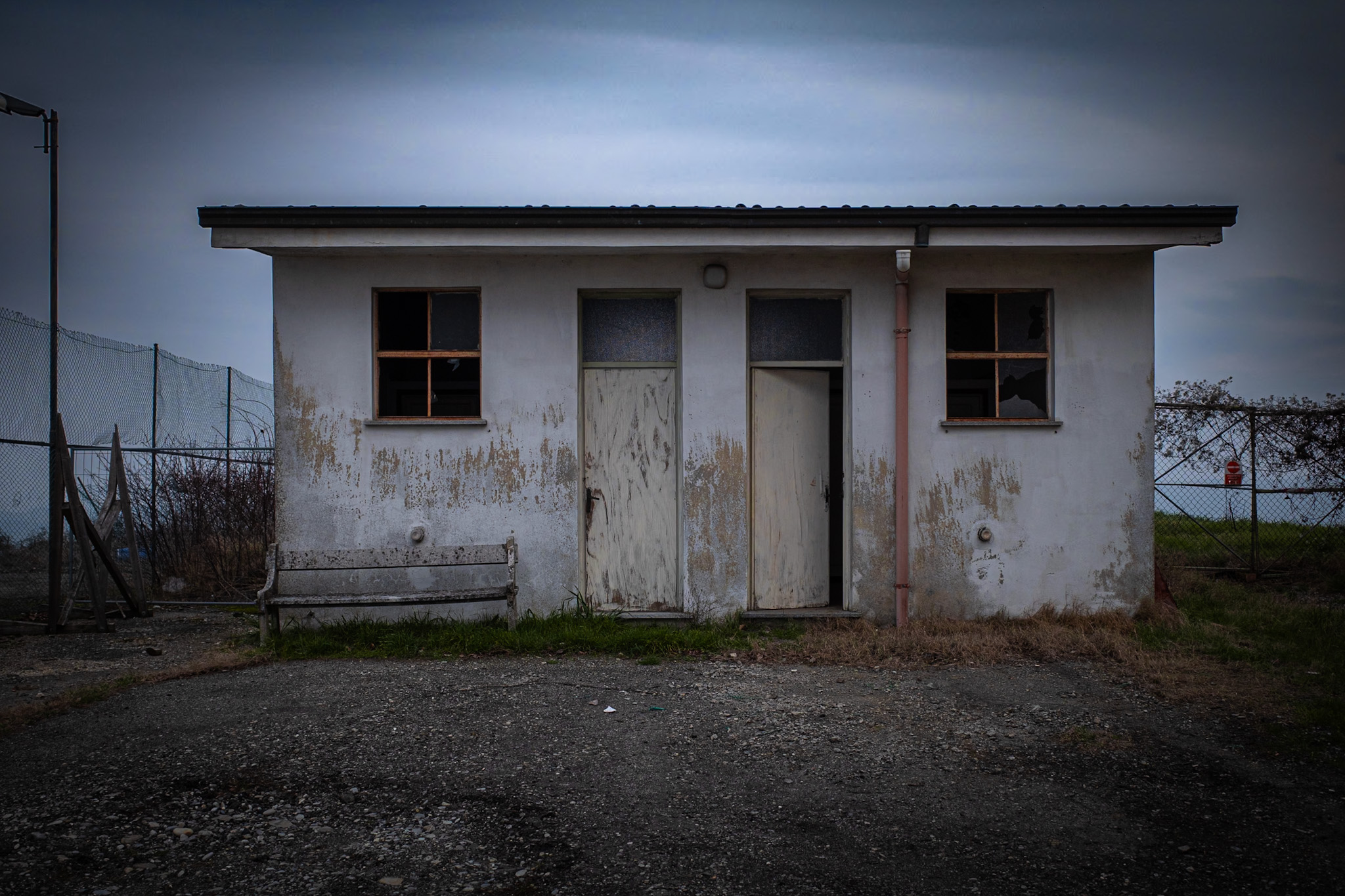
Today, the population of many Oltrepò villages has fallen by half or more. Houses stand shuttered, their tiled roofs caving in, while vines creep over stone walls and cracked stairways. The bar in the square opens for a few hours at noon, mostly for pensioners. The post office still stamps letters, though fewer are sent each year. The schools have closed; buses run twice a day, if at all.
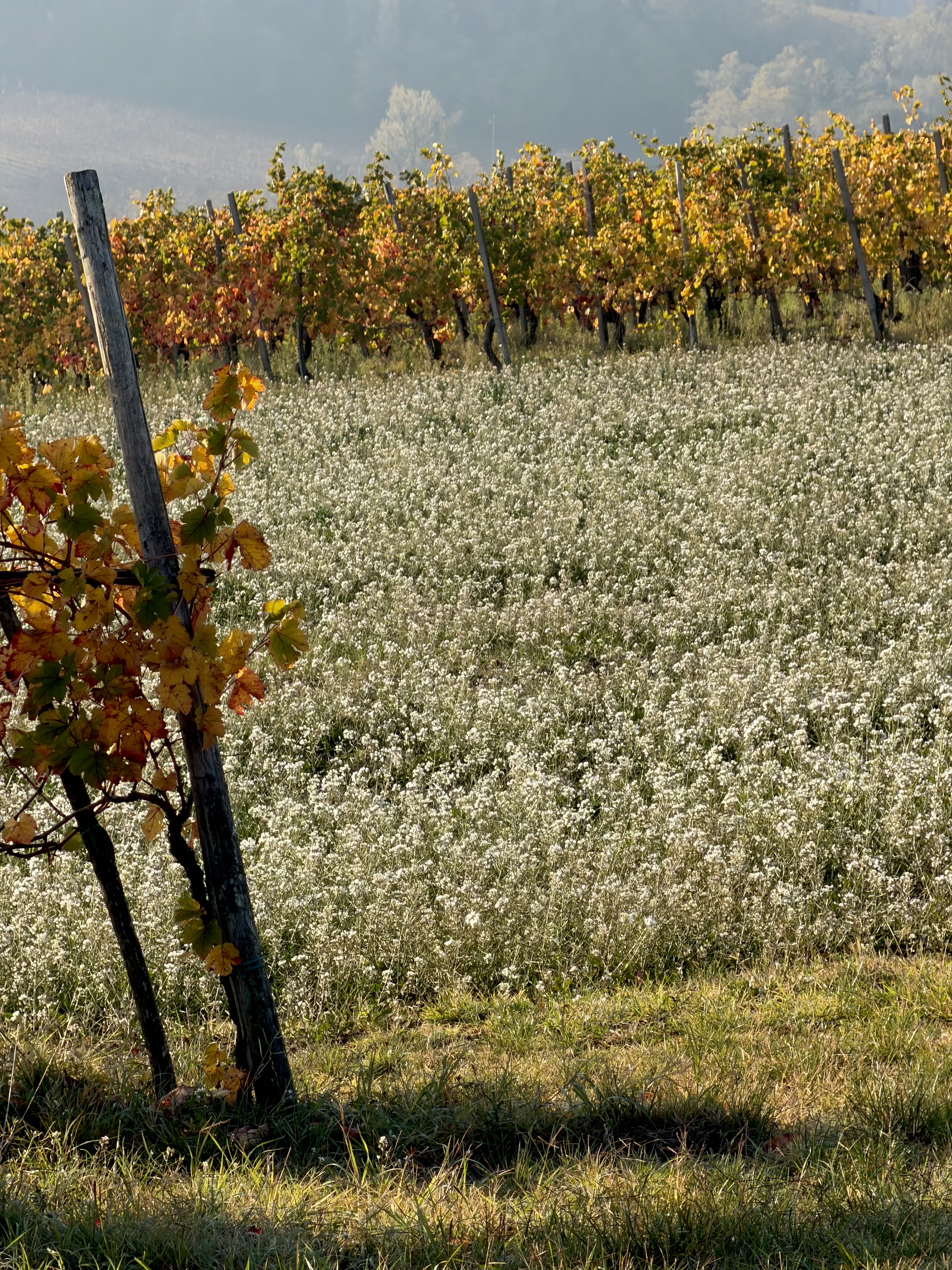
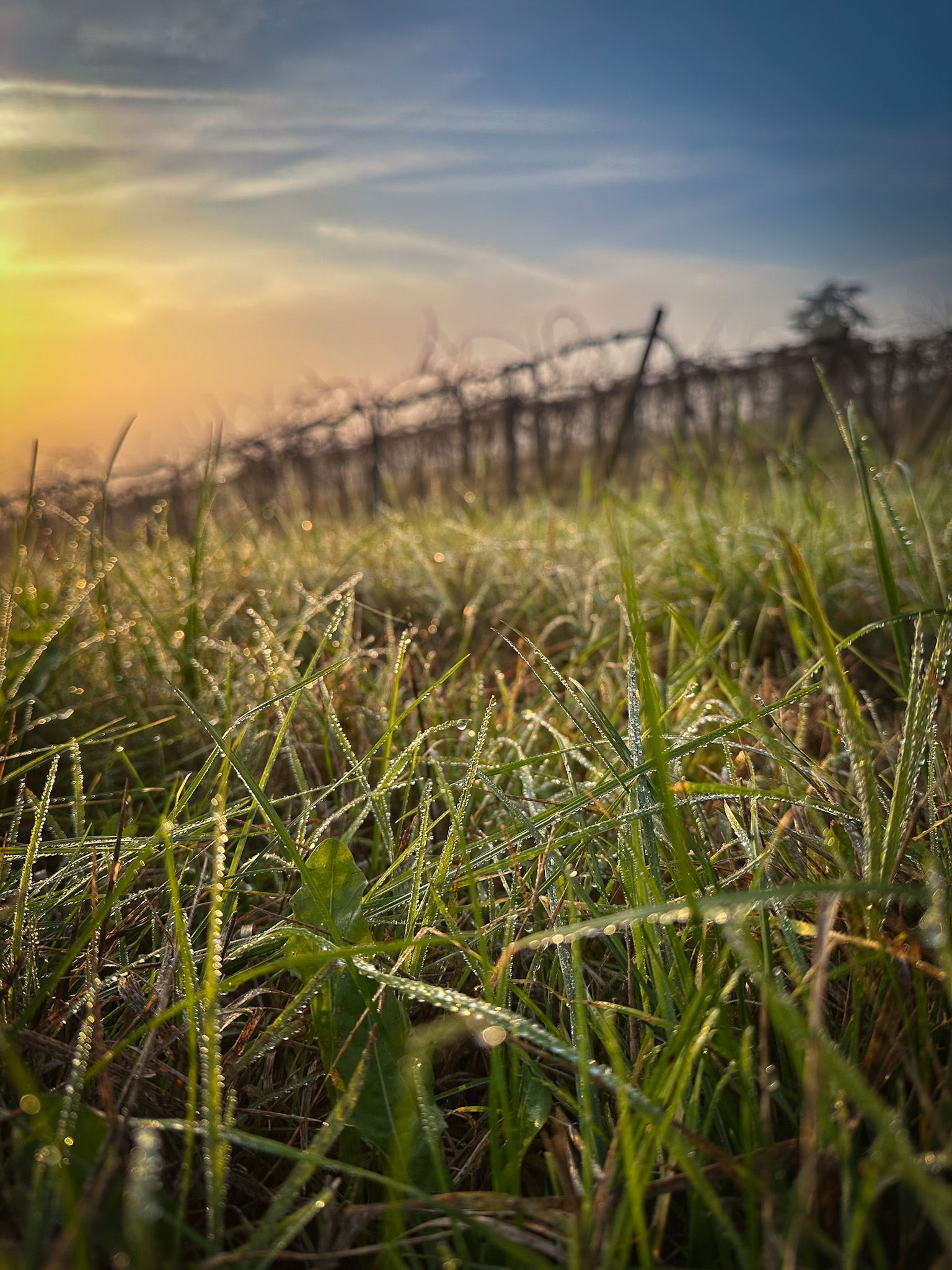
Yet, on a clear morning, when mist curls around the valleys and the first light strikes the vineyards near Canneto Pavese or Santa Maria della Versa, it is hard to imagine a more beautiful landscape. The rows of vines descend like green ribbons, each curve tracing the rhythms of centuries. Small chapels stand alone among the fields; castles rise above the hills, remnants of medieval feuds between Pavia and Piacenza. The air smells of wet earth and must.
Wine remains the Oltrepò’s heartbeat, though even that pulse is uneven. The area has one of Italy’s largest vineyard surfaces — over 13,000 hectares — yet its reputation lags behind better-known neighbors like Langhe or Franciacorta. “We make great wines, but we don’t know how to tell our story,” sighs Gianni, a third-generation winemaker from Montù Beccaria. He produces elegant Pinot Nero and sparkling Metodo Classico, but his biggest challenge, he says, isn’t quality — it’s
logistics.
“Getting a bottle from here to Milan can cost more than sending it to Germany,” he laughs, half bitterly. Roads wind like ribbons; trains are scarce; and the bridges over the Po are narrow and aging. Tourism, too, is hampered by infrastructure that feels frozen in the last century: few hotels, fewer connections, and poor phone coverage once you leave the main valleys.
The
paradoxis painful. Oltrepò sits less than an hour from one of Europe’s richest cities, yet feels a world away. While Milan grows vertically with glass towers and creative districts, Oltrepò slides quietly downhill — a patchwork of promise and decline.
Still, resilience lingers in the soil. In recent years, a handful of young winemakers, designers, and remote workers have begun trickling back. Some reclaim abandoned farmhouses, turning them into agriturismi or creative retreats. Others experiment with organic cultivation, small-batch sparkling wines, or eco-tourism. They see in the decay not despair but potential — a rare space in Italy where beauty hasn’t yet been entirely commodified.
One such returnee, Laura, left a marketing job in Milan to restore her grandparents’ vineyard near Golferenzo. “When I came back, people thought I was crazy,” she says, smiling as she prunes a row of vines. “But these hills — they have a rhythm you don’t find anywhere else. Maybe the future here isn’t about mass production, but about authenticity.”
The Oltrepò Pavese remains suspended between past and future: too
richin history to die, too
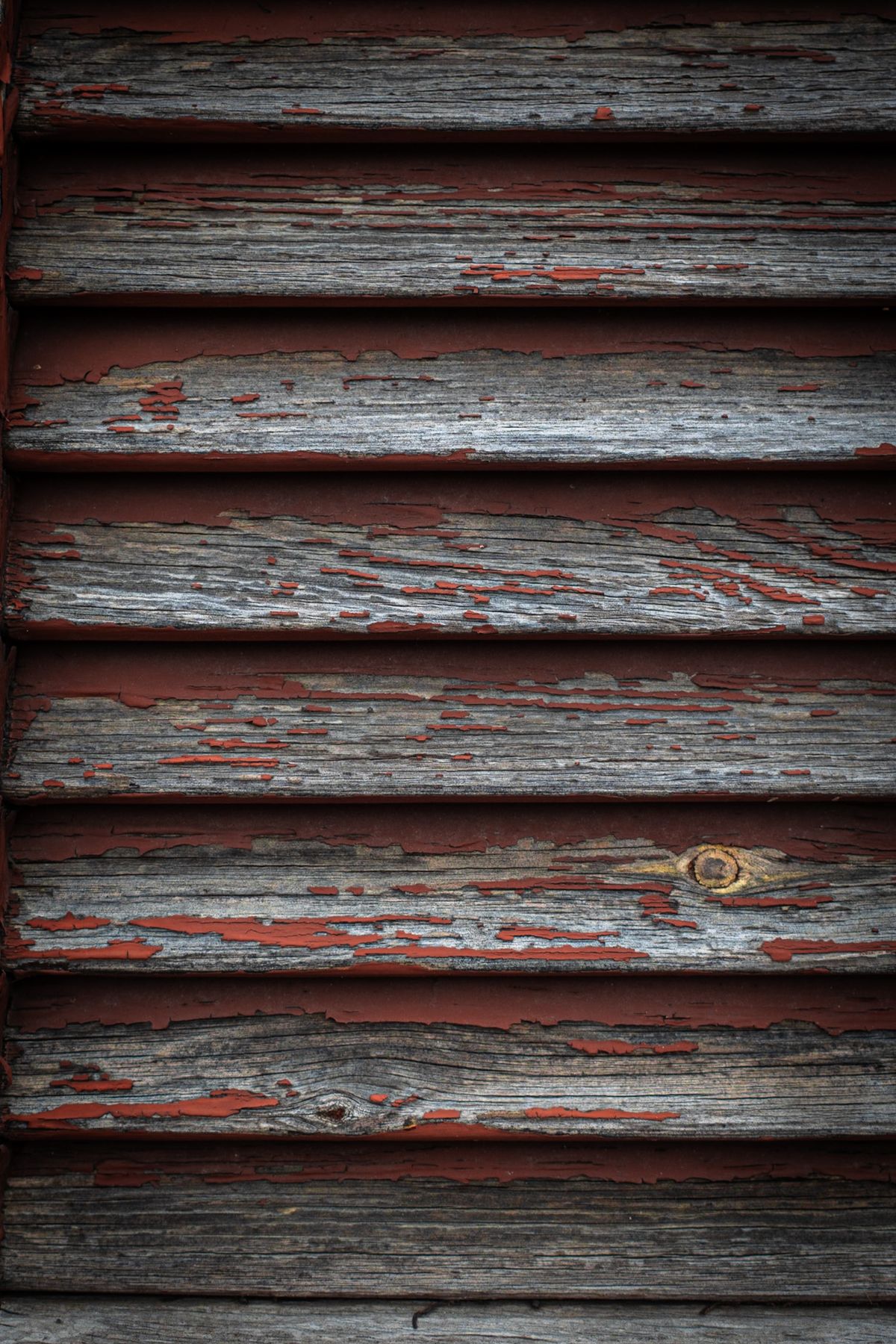
neglectedto thrive. Its hills whisper stories of labor and loss, of wine and departure. In the fading light, the empty homes look almost peaceful, their shutters half open to the wind. And somewhere in the distance, the sound of a tractor rises again — a reminder that, even in abandonment, the land waits to be lived in once more.
I first discovered the Oltrepò a few years ago, thanks to my good friend Gianfranco, whose roots run deep in Casteggio. Now it’s become my home whenever I’m back in Italy — a place I keep falling in love with, one walk at a time. Every day I’m reminded of the quiet beauty of these hills, the resilience of the people who live here, and the outstanding quality of their wines. (Photos from my daily walks.)