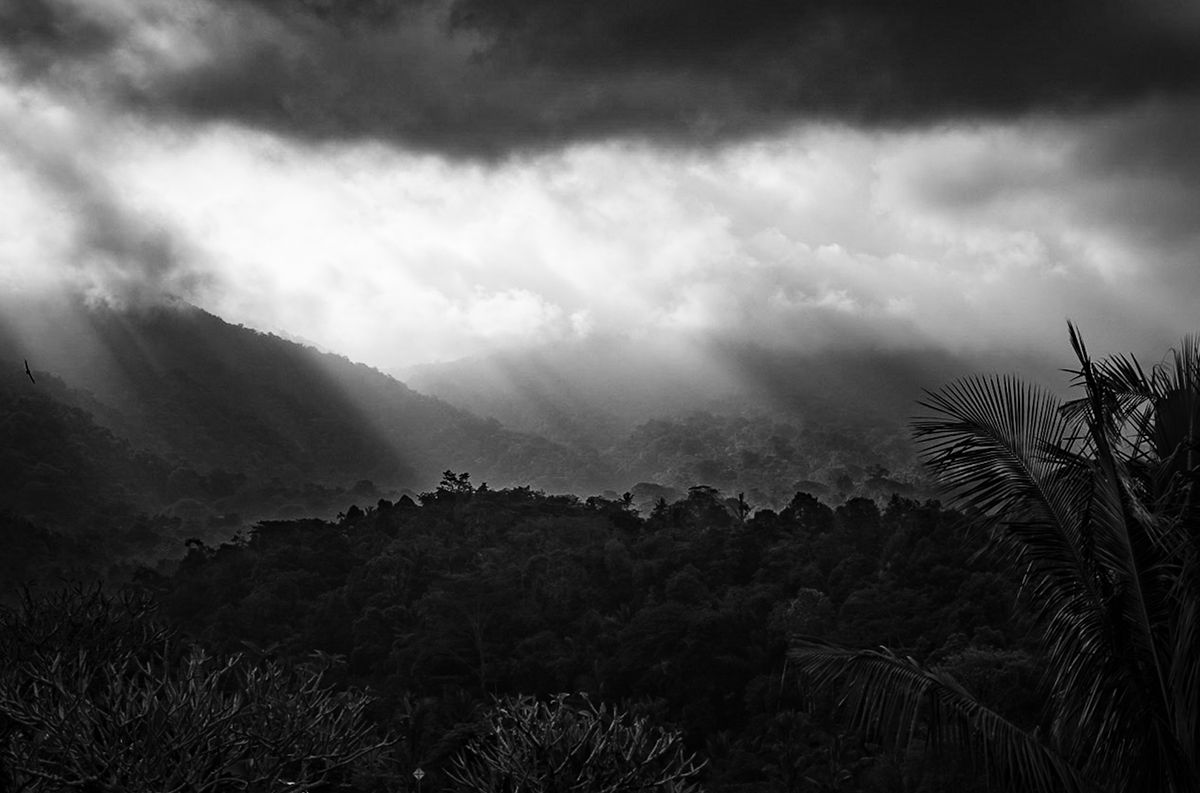

I reached Japing on a slow morning, when the air was still moist and the sound of the storm still filled the valleys. The car had left the main road some time before, diving into narrow lanes bordered by palms and shrines covered in moss. In the heart of
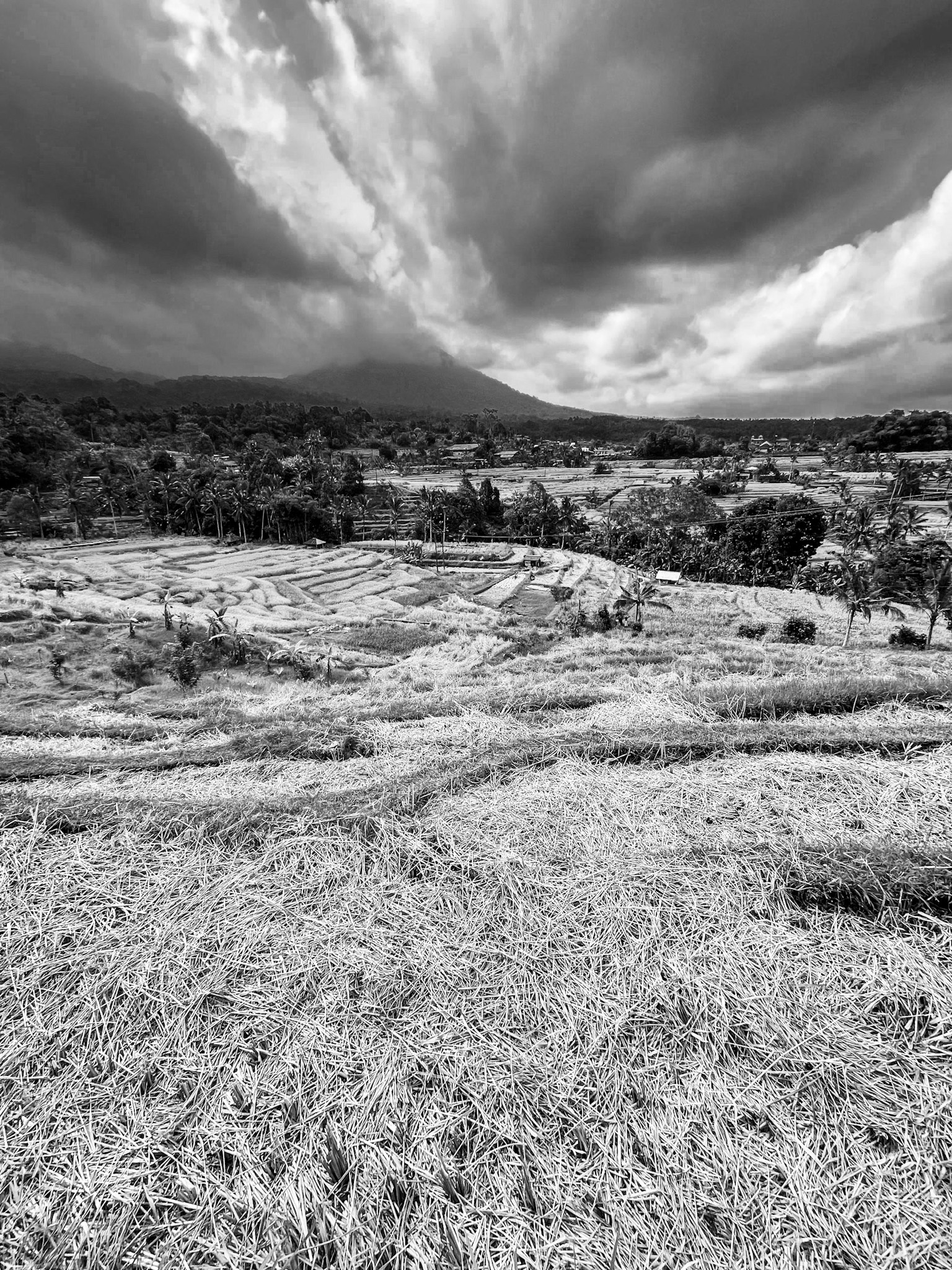
Bali, away from the cafés of Canggu and the tourist trails of Ubud, Japing unfolds like a living painting — a vast patchwork of green, drawn by centuries of human patience.
The rice terraces here don’t scream for attention. They whisper. Each curve follows the
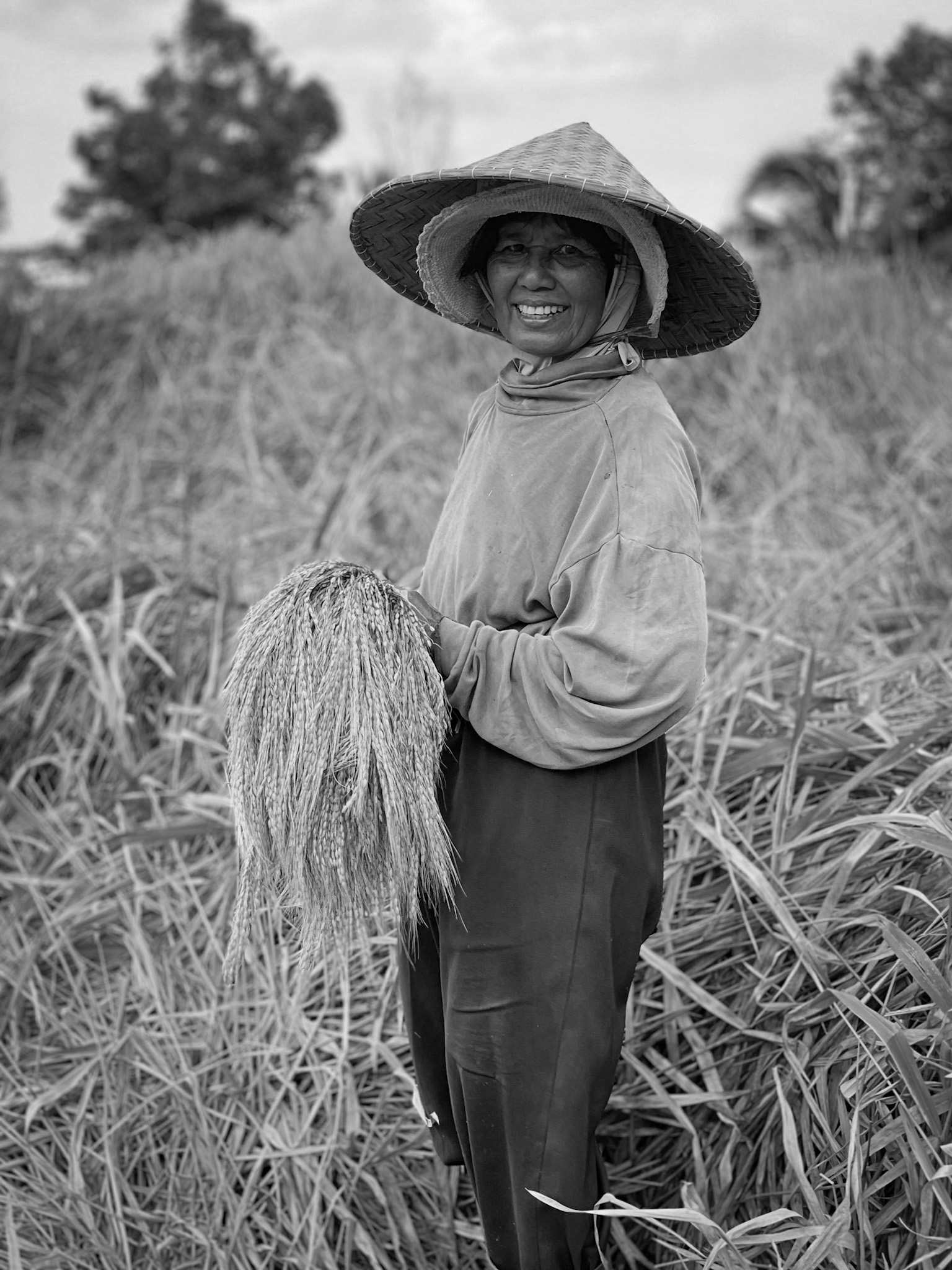
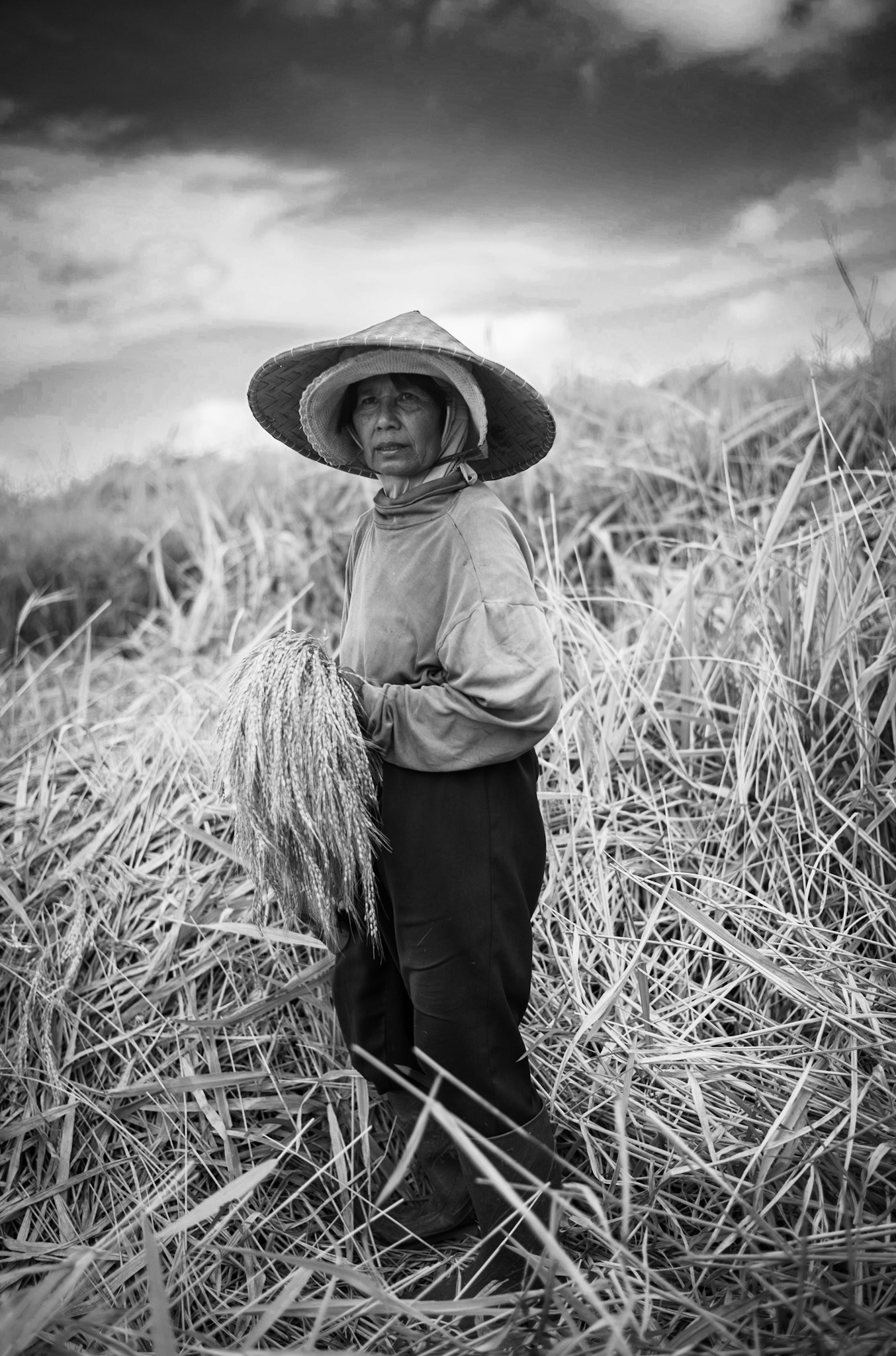
rhythmof the hill, tracing lines that seem designed by the wind itself. Farmers, barefoot and focused, move silently along the edges of the paddies, guiding the flow of water with the precision of an artist adjusting light. It’s a landscape shaped not by power, but by balance — between people, land, and water.
I stood watching for a long while,
Leicain hand, unsure whether to frame or simply absorb. The terraces shimmered under a light mist, the kind that filters through the trees and gives everything a soft, timeless glow. In that moment, Bali wasn’t the island of resorts and yoga retreats. It was an ancient, breathing world — where beauty isn’t performed but
cultivated.
An old man approached, carrying a small basket of seedlings. His face, marked by years under the tropical sun, opened into a smile when I greeted him in my hesitant Bahasa Indonesia “
Selemat Pagi -Good morning”. “Air,” he said, pointing to the small canal that ran beside us. “Semua hidup dari air — everything lives from water.” It was the most perfect summary of Japing’s quiet
philosophy: life sustained not by force, but by flow.
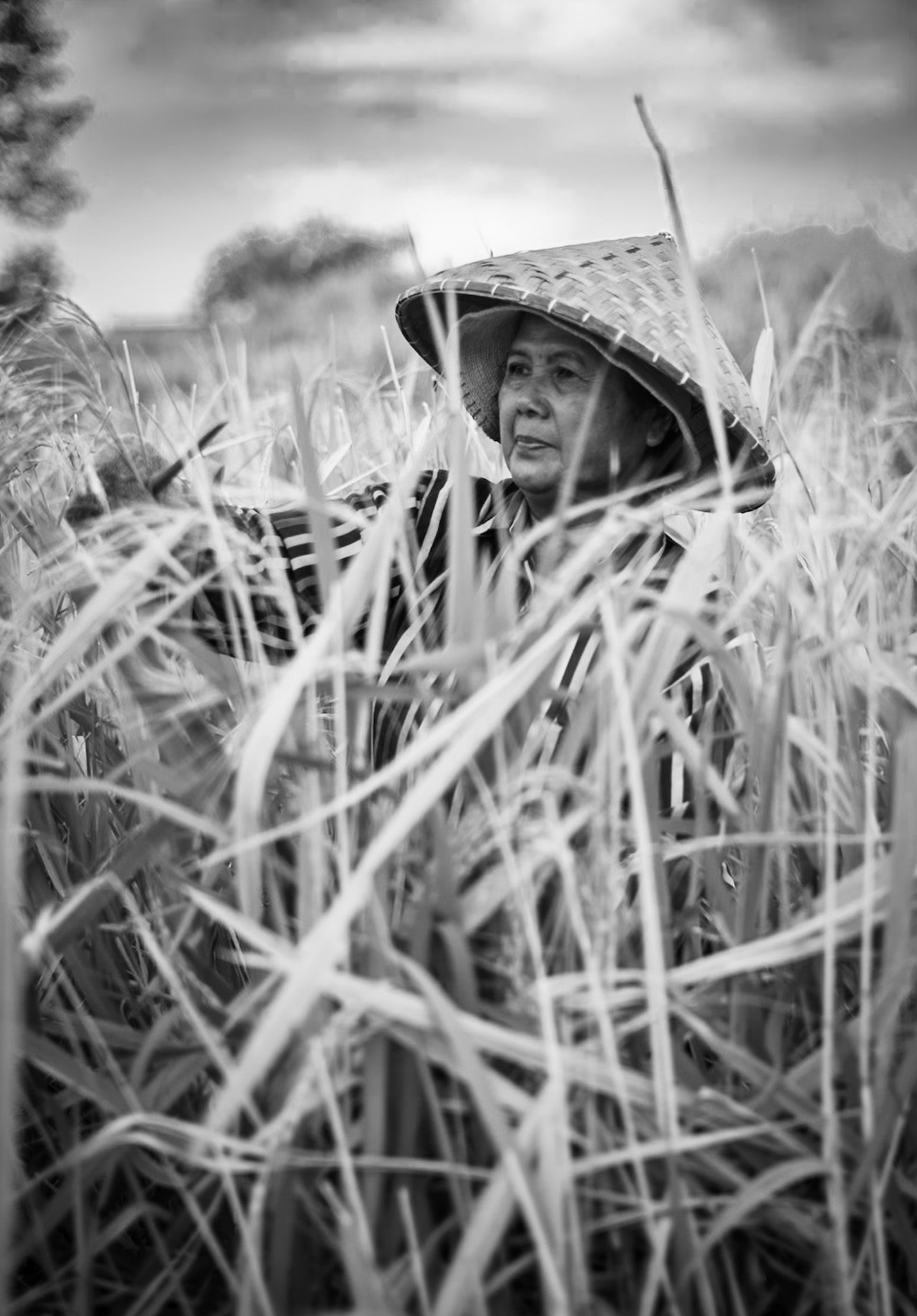
From a higher viewpoint, the geometry of the terraces became almost abstract. Layers of green, gold, and dark soil intertwined like brushstrokes on an endless
canvas. I thought of how many hands had worked these same fields, season after season, repeating the same gestures that bind one generation to the next. There was something humbling in that repetition — a reminder that progress doesn’t always mean change, and that wisdom often lies in doing the same thing well, for a very long time.
When the light began to fade, the paddies reflected the sky in countless fragments. The horizon turned from emerald to copper, and a few egrets glided low over the fields. The air smelled of earth and wet grass. I took a last photograph — not for the sake of memory, but as a
gesture of gratitude.
Driving back toward the main road, I passed small warungs where women were grilling
satayand laughing over the sound of gamelan music. Life returned to its daily rhythm. Yet, in my mind, Japing remained suspended — a place where time folds gently upon itself, where the landscape still tells stories of balance, humility, and continuity.
There are places you visit, and places that stay. Japing is one of the latter.
I travelled to Bali often while living in Singapore, but the journey I remember most vividly was the one right after Covid — when I was among the first to return to an island where tourism had completely vanished.
I rediscovered something I thought was lost amid the confusion of mass travel: the peace and stillness of the Indonesian islands, the warmth and hospitality of their people. It was a beautiful experience.
I shot both in black and white and in colour, yet it’s the monochrome images that seem to capture more truthfully the moment I was living.
Leica M7 on Kodak Tmax400.