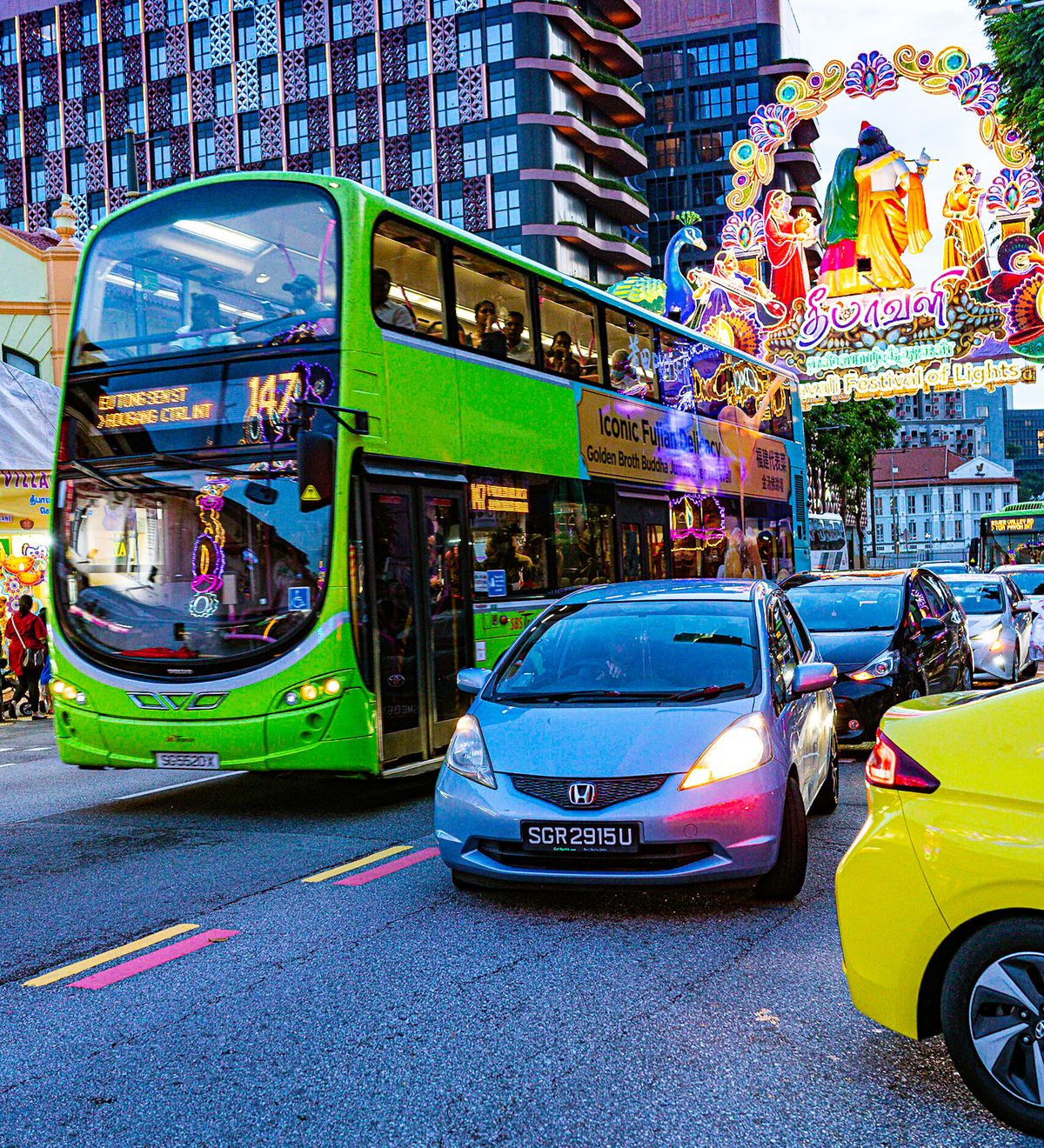
It’s Deepavali in Singapore: the glow of Little India can be seen long before one arrives. Strings of
neon peacocksand lotus flowers stretch from Serangoon Road to Race Course Road, bathing the district in gold and violet. The air carries a heady mix of jasmine, sandalwood and frying ghee. Crowds gather under archways, snapping selfies before stalls of saris, sweets and diyas. Deepavali — the Hindu festival of lights — has returned to the Lion City, and for a few weeks, the city’s tidy pragmatism gives way to exuberant colour.
Singapore’s Deepavali is both deeply traditional and unmistakably urban. Here, devotion is choreographed for a multicultural stage. In the days leading up to the festival, families queue at the Sri Veeramakaliamman and Sri Srinivasa Perumal
templesto offer oil lamps and prayers to Lakshmi, goddess of prosperity. At night, the same devotees may head to Mustafa Centre — the 24-hour department store that serves as Singapore’s unofficial temple of commerce — to shop for gold bangles or
LED lanterns.
The festival commemorates the triumph of light over darkness, good over evil — the return of
Lord Ramafrom exile in Hindu mythology. Yet in Singapore, it also marks something subtler: the persistence of community within a hyper-modern, regulated society. “Deepavali here is not just about religion,” says Kavita, a florist on Serangoon Road arranging garlands of marigold. “It’s how we remind ourselves who we are, even when everything else keeps changing.”
Few cities manage celebration with such precision. The Urban Redevelopment Authority approves light-up designs months in advance; volunteers organise traffic flow, and temple processions follow fixed routes to avoid congestion. In a city famous for its order, even chaos is planned.
The festival also feeds Singapore’s
consumerrhythm. Jewellery chains launch “Deepavali gold” promotions; electronics stores advertise “Festival of Lights sales”; restaurants offer saffron-infused tasting menus. The five-week bazaar along Campbell Lane buzzes from dusk to midnight, its pop-up stalls selling everything from brass lamps to Bluetooth speakers shaped like
diyas(the traditional oil lamp made from clay, burning oil or ghee).
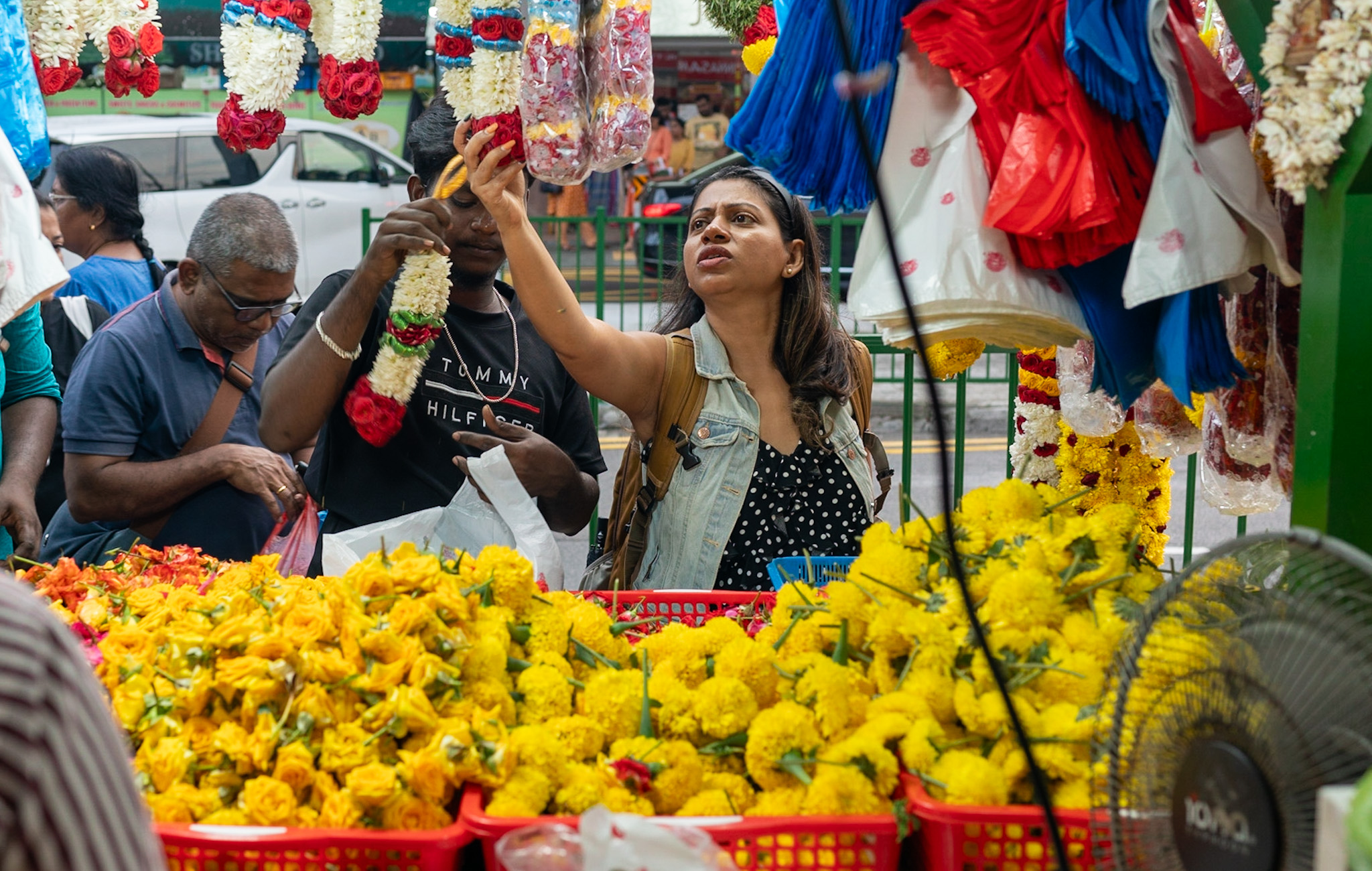
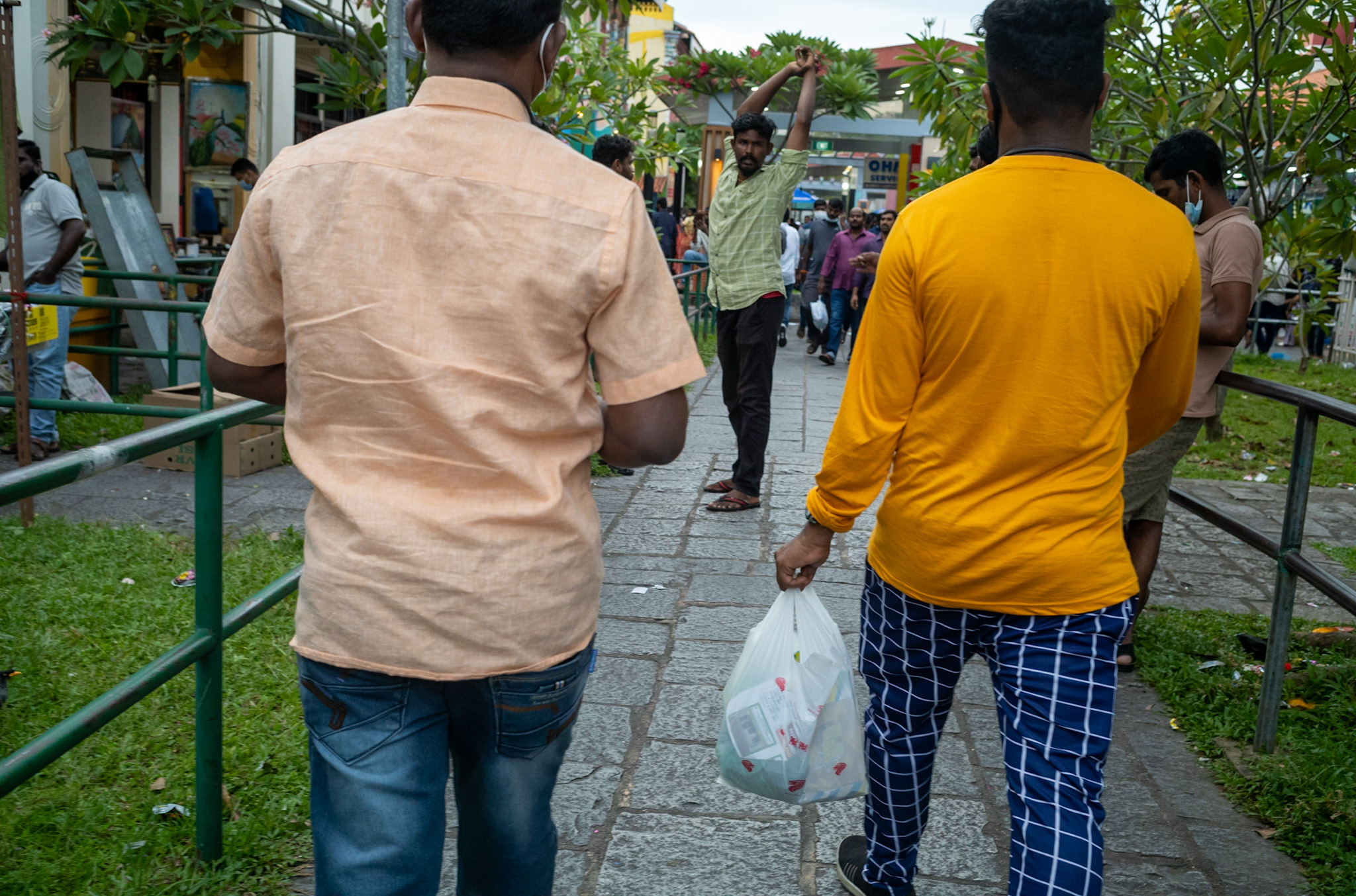
It is easy to see the irony: a festival once defined by simplicity — families lighting oil lamps at home — now thrives on
retail abundance. Yet, in a city where consumption and celebration intertwine seamlessly, this feels less contradiction than adaptation.
Deepavali here is also a national event. The government officially recognises it as a public holiday; Malay and Chinese Singaporeans join in the festivities, buying sweets or visiting the Little India light-up. Each year, the Prime Minister inaugurates the illuminations, a gesture that underscores Singapore’s carefully managed
multiculturalism.
That management, however, comes with trade-offs. Political activism and street protests are nearly absent from public life, and cultural expression flows within well-defined lanes. The same system that protects harmony also curates spontaneity. For the Hindu minority — about 5% of the population — the festival’s grandeur is partly the product of this controlled pluralism: celebrated with pride, yet
framed by policy.
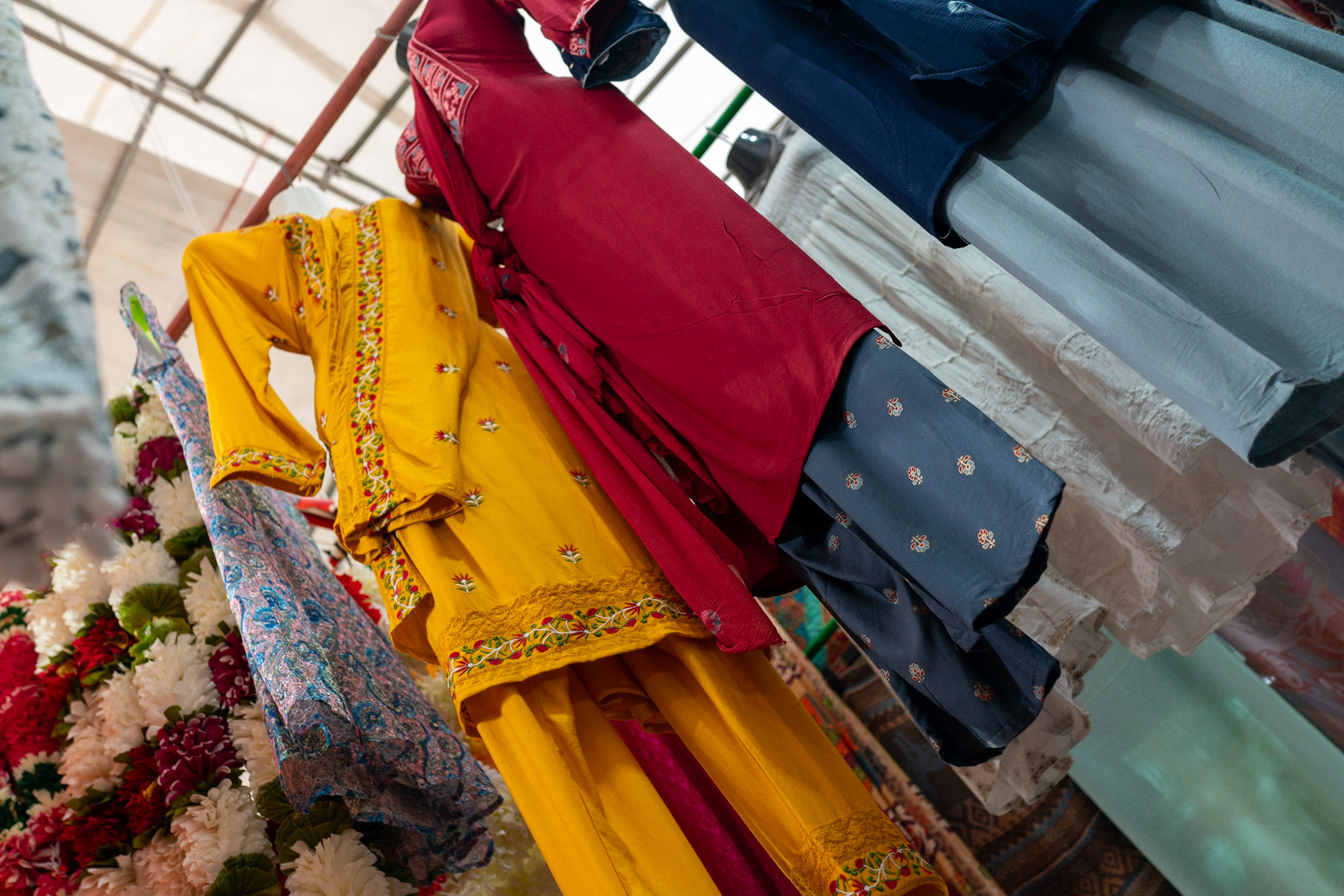
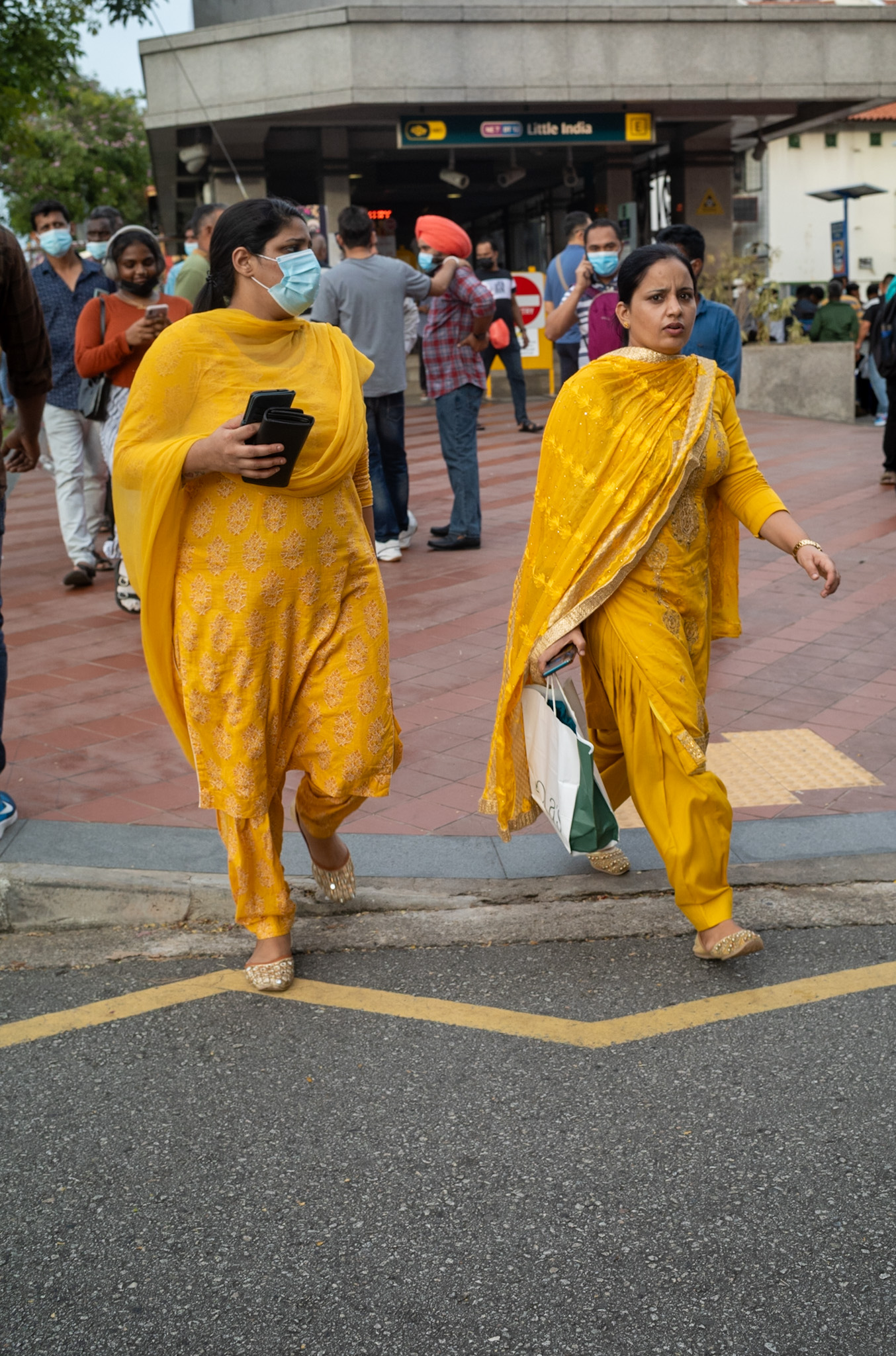
On Deepavali night, as fireworks shimmer above the shophouses, families light diyas at their doorsteps, murmuring Sanskrit prayers that have crossed generations. Nearby, tourists photograph the spectacle,
vendors bargain, and buses rumble past the temple gates. The old and the new glow side by side.
In Singapore, Deepavali has become more than a religious observance. It is a mirror of the city itself — disciplined yet dazzling, inclusive yet defined, faithful yet forward-looking. Amid the fluorescence and incense, the island of lights reveals not just the triumph of good over evil, but the delicate art of coexistence in a city built on balance.
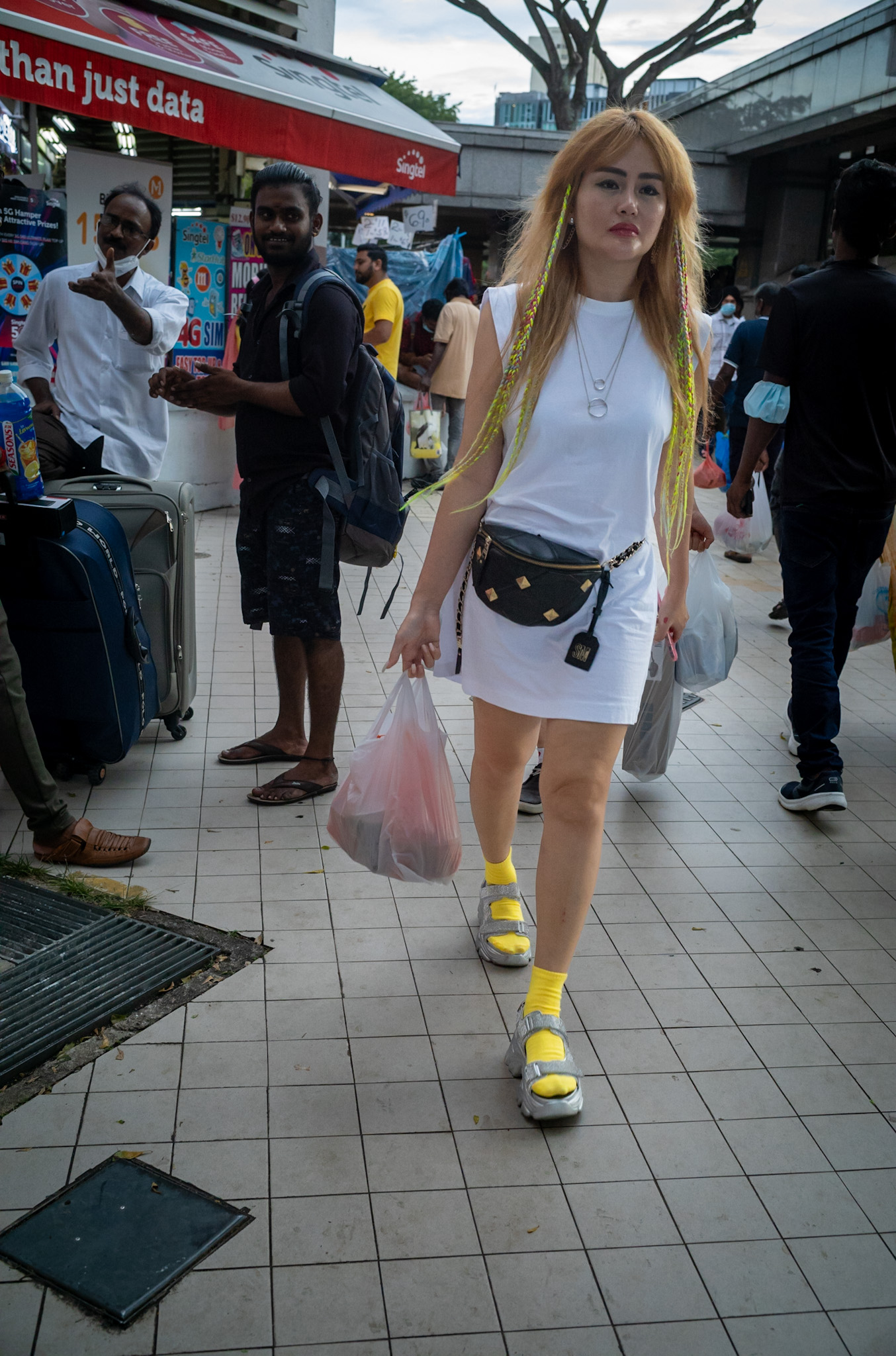
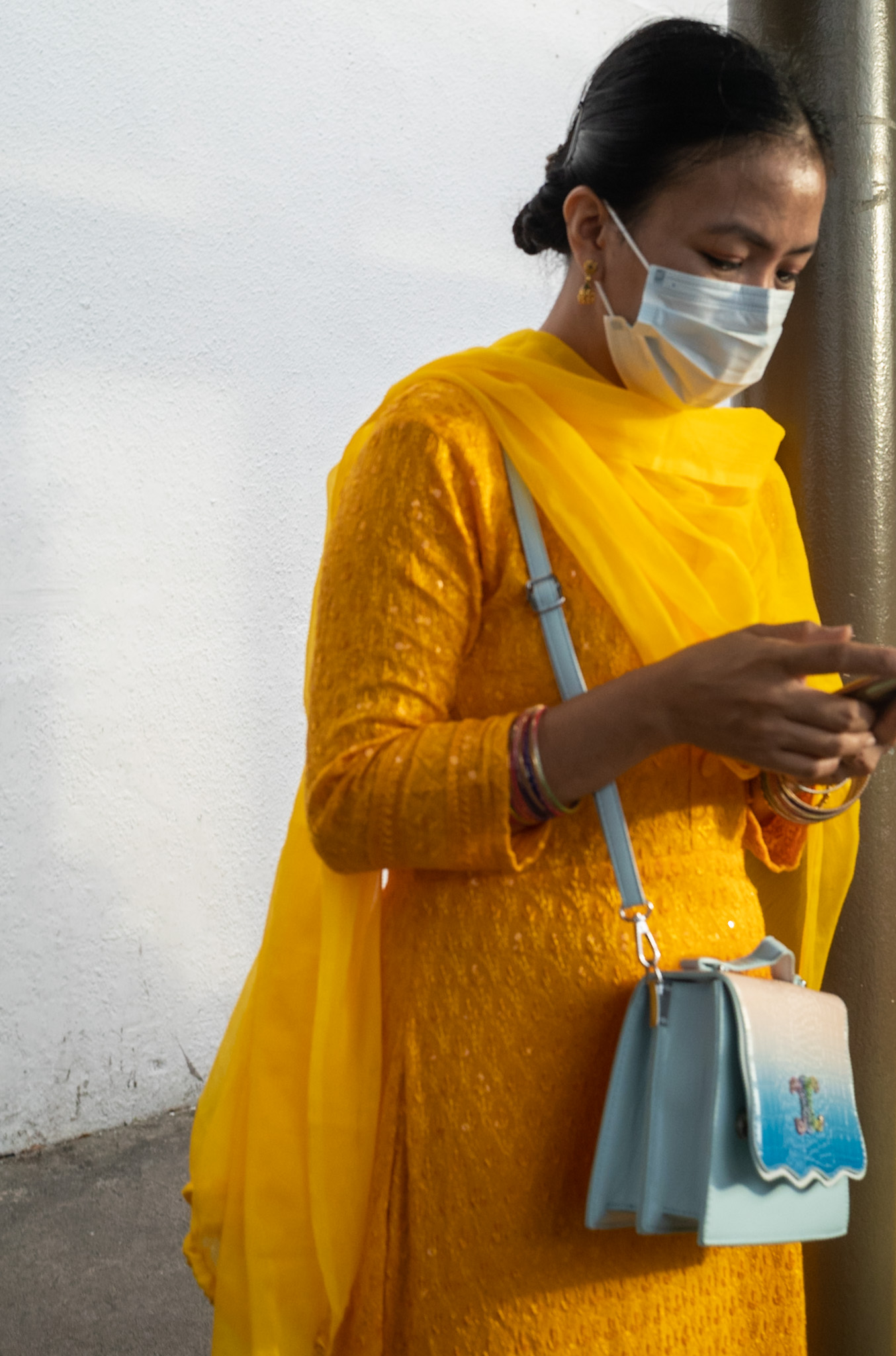
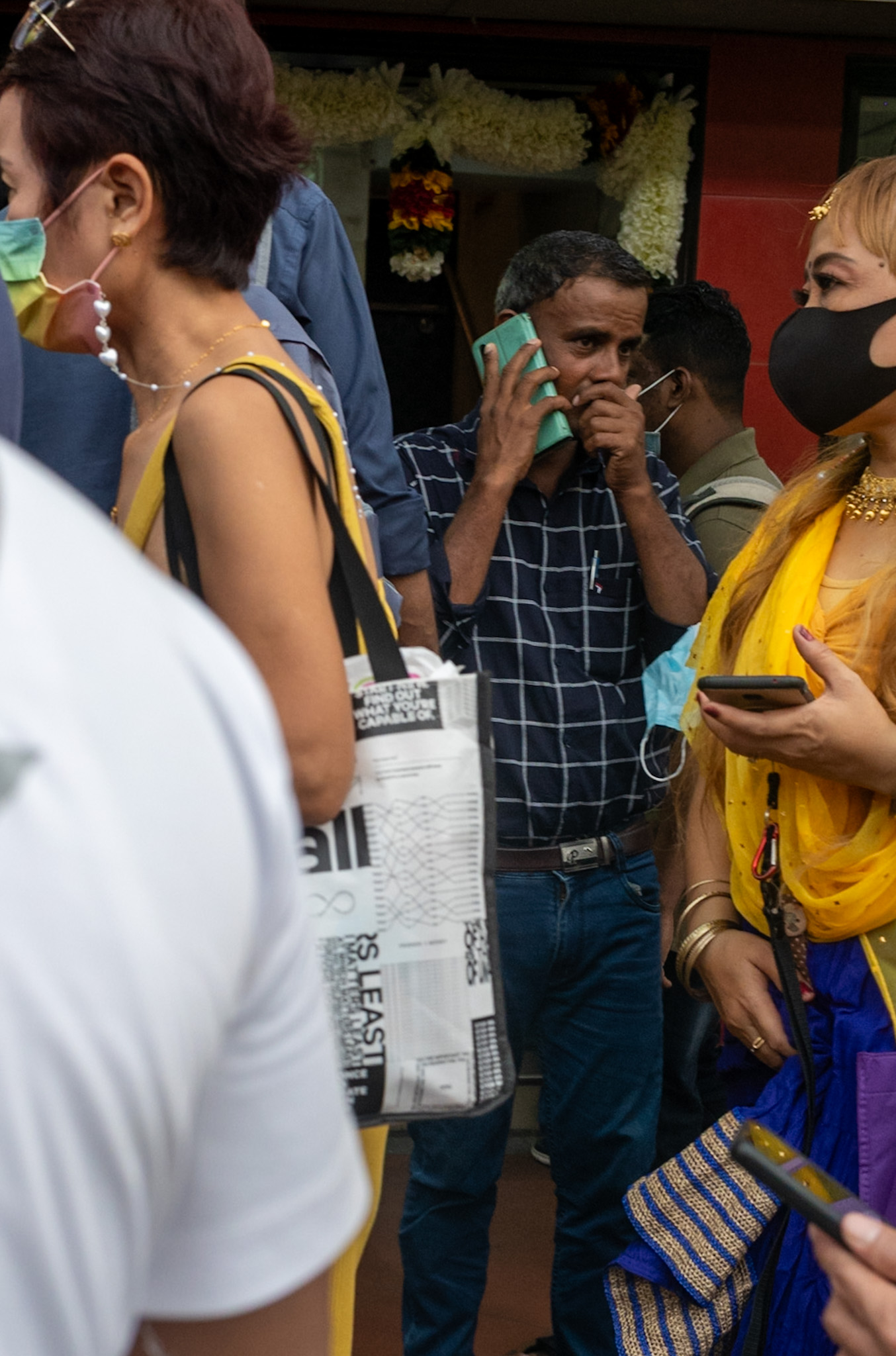
I’ve celebrated Deepavali in Singapore countless times, both during my visits and the years I lived there. Choosing just a few images to accompany this piece wasn’t easy — the festival offers an endless wealth of colour and emotion. For this selection, I focused on shades of yellow, a colour that represents happiness, prosperity, knowledge, and optimism — even down to the socks (see below). The photos were taken with a Leica M and my trusty/small old Sony RX1RM2.