I walked toward the Zayed National Museum with my
Leica M11 Monochromin hand, instinctively switching my eyes to black and white even before raising the camera.
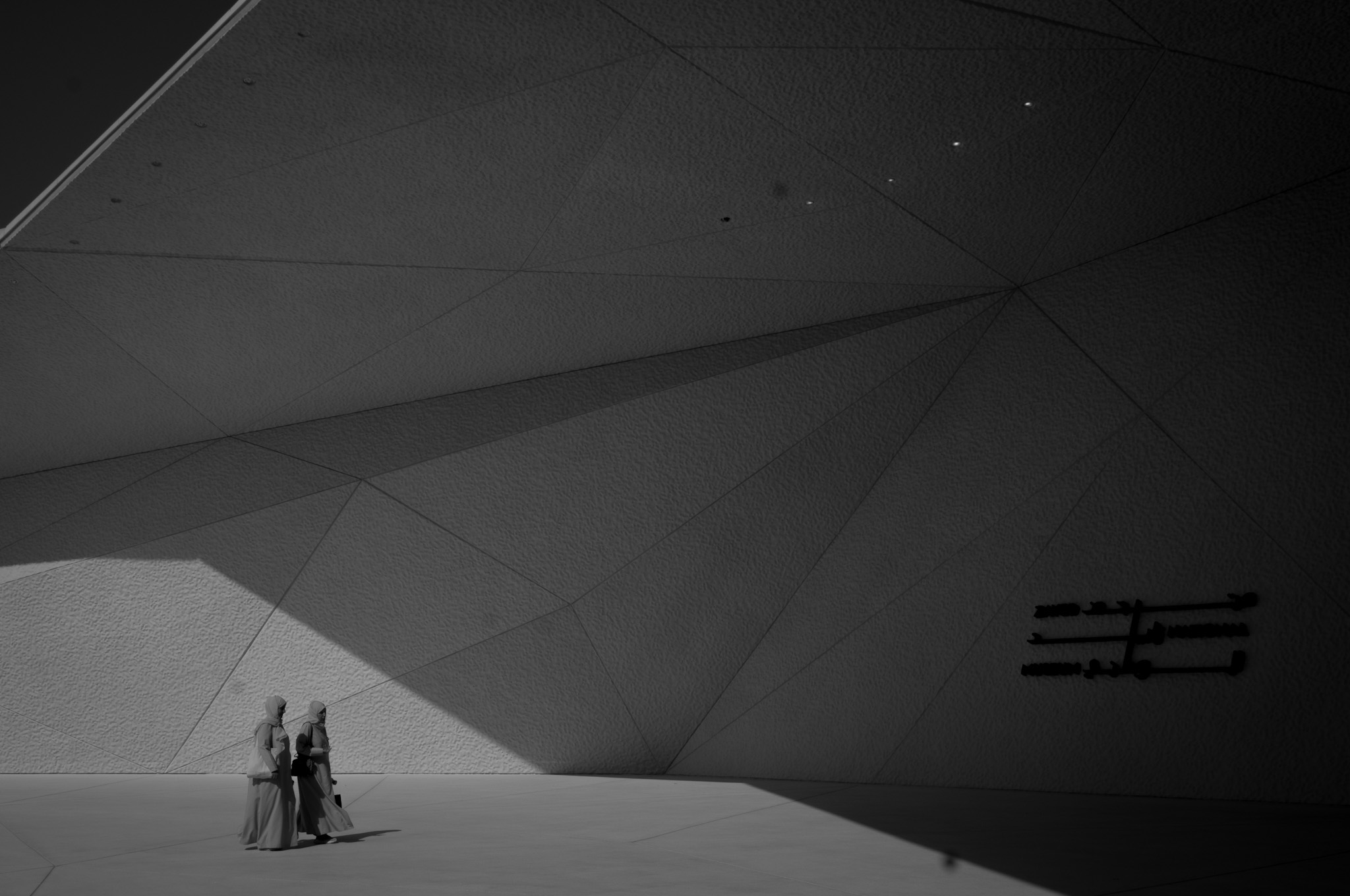
Some buildings ask for color; others demand contrast, shadow, geometry. This one belongs to the second category.
On Saadiyat Island, under the pale Abu Dhabi sky, the museum does not shout, It unfolds. It is a a monochrome walk through memory,
visionand light.
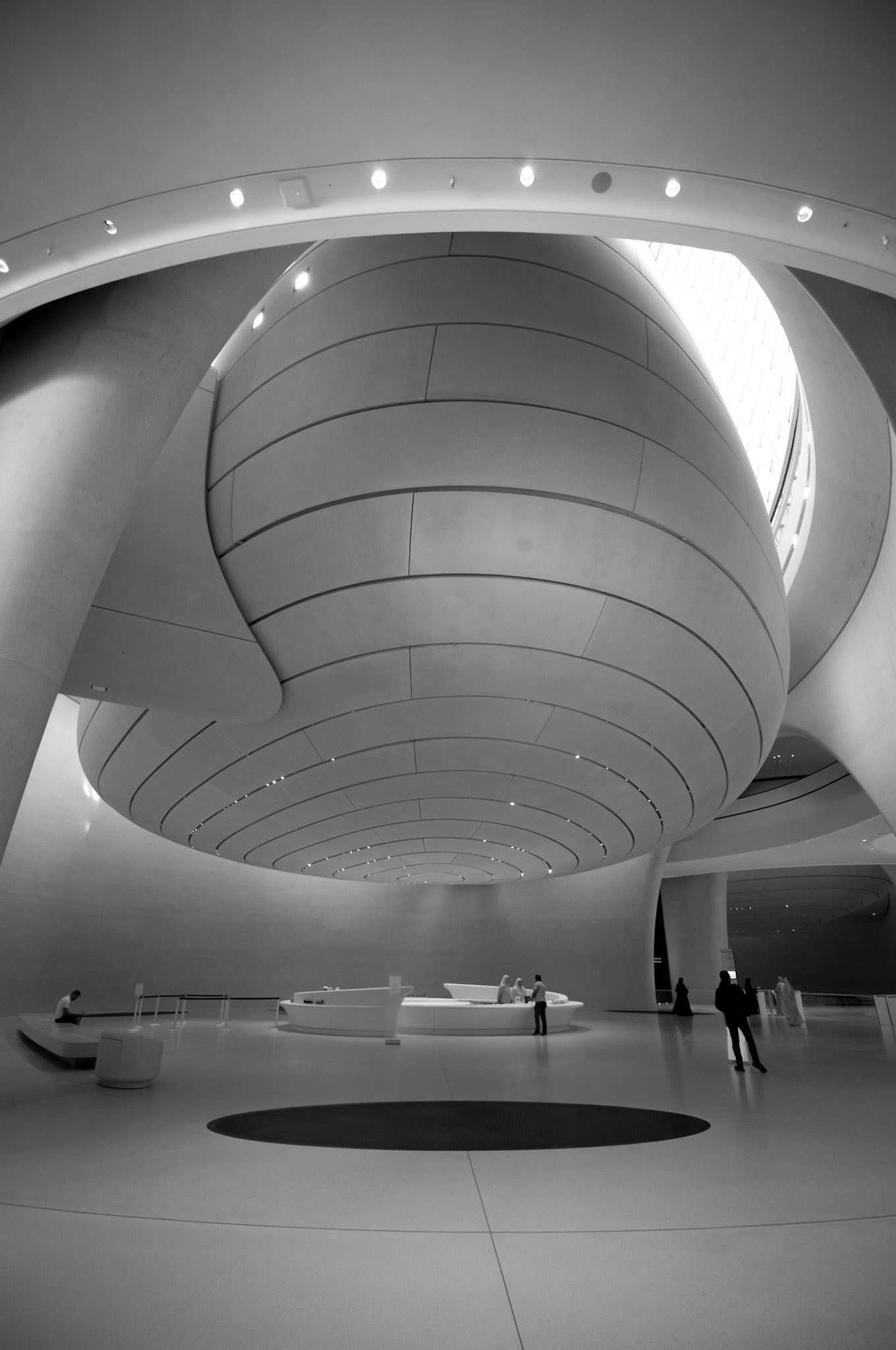
Recently opened to the public, Zayed National Museum is far more than a new cultural landmark. It is a carefully composed
narrative— architectural, historical, and human — dedicated to Sheikh Zayed bin Sultan Al Nahyan, the founding father of the United Arab Emirates. But rather than celebrating power or grandeur, the museum speaks quietly about continuity: land,
people, ideas,
responsibility.
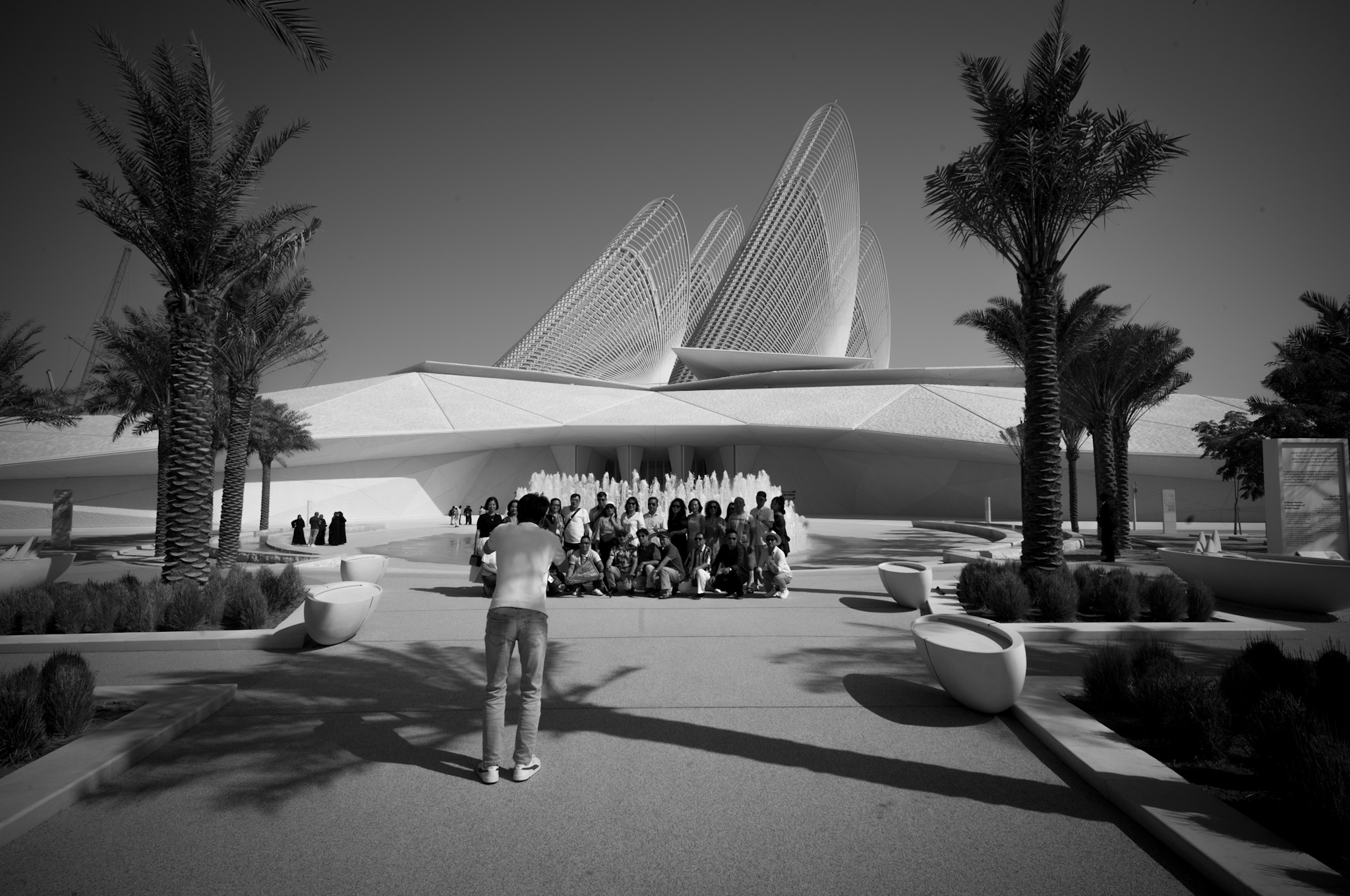
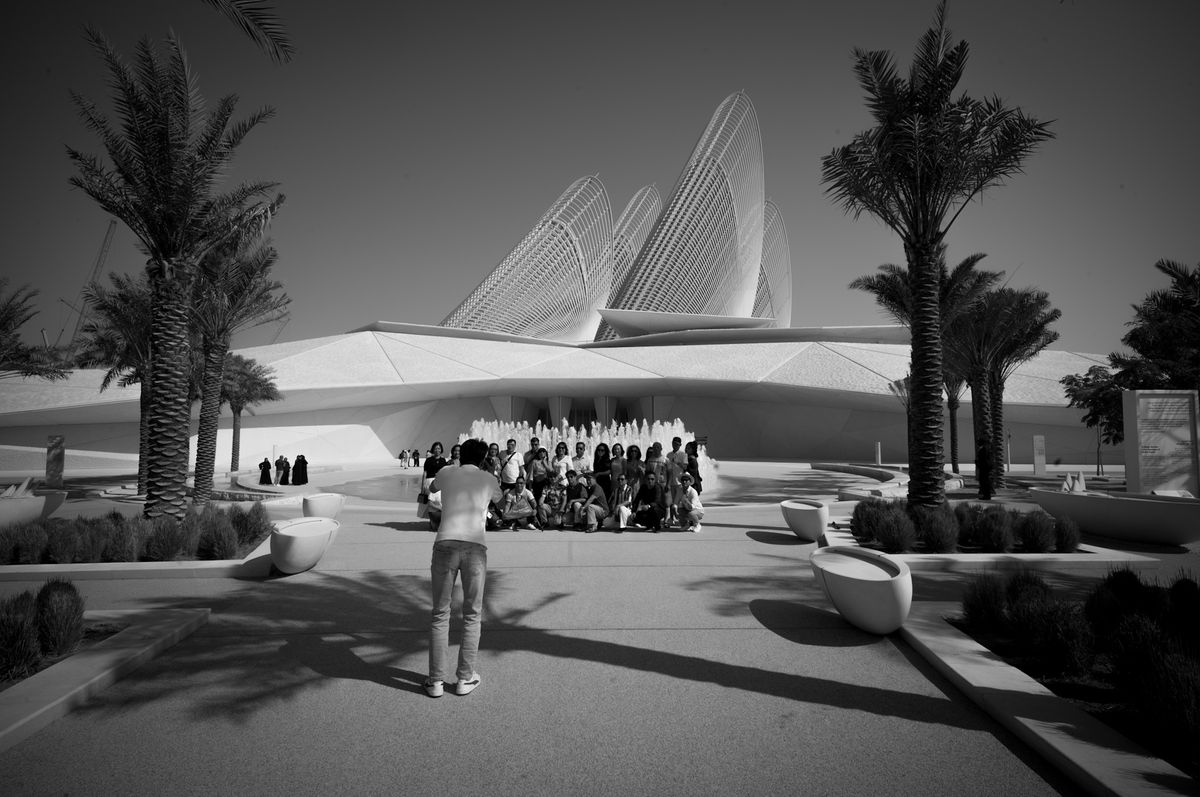
From the outside, the building designed by Foster + Partners feels almost sculpted by the wind. The five soaring
steel towers— inspired by the wings of a falcon in flight — rise with purpose, not spectacle. Through a monochrome lens, their surfaces become lines and gradients, light cutting across metal, shadows falling like
calligraphy. These towers are not symbolic gestures alone; they function as thermal chimneys, drawing hot air upward and cooling the interior naturally. Innovation here is not decoration — it is
ethicstranslated into form.
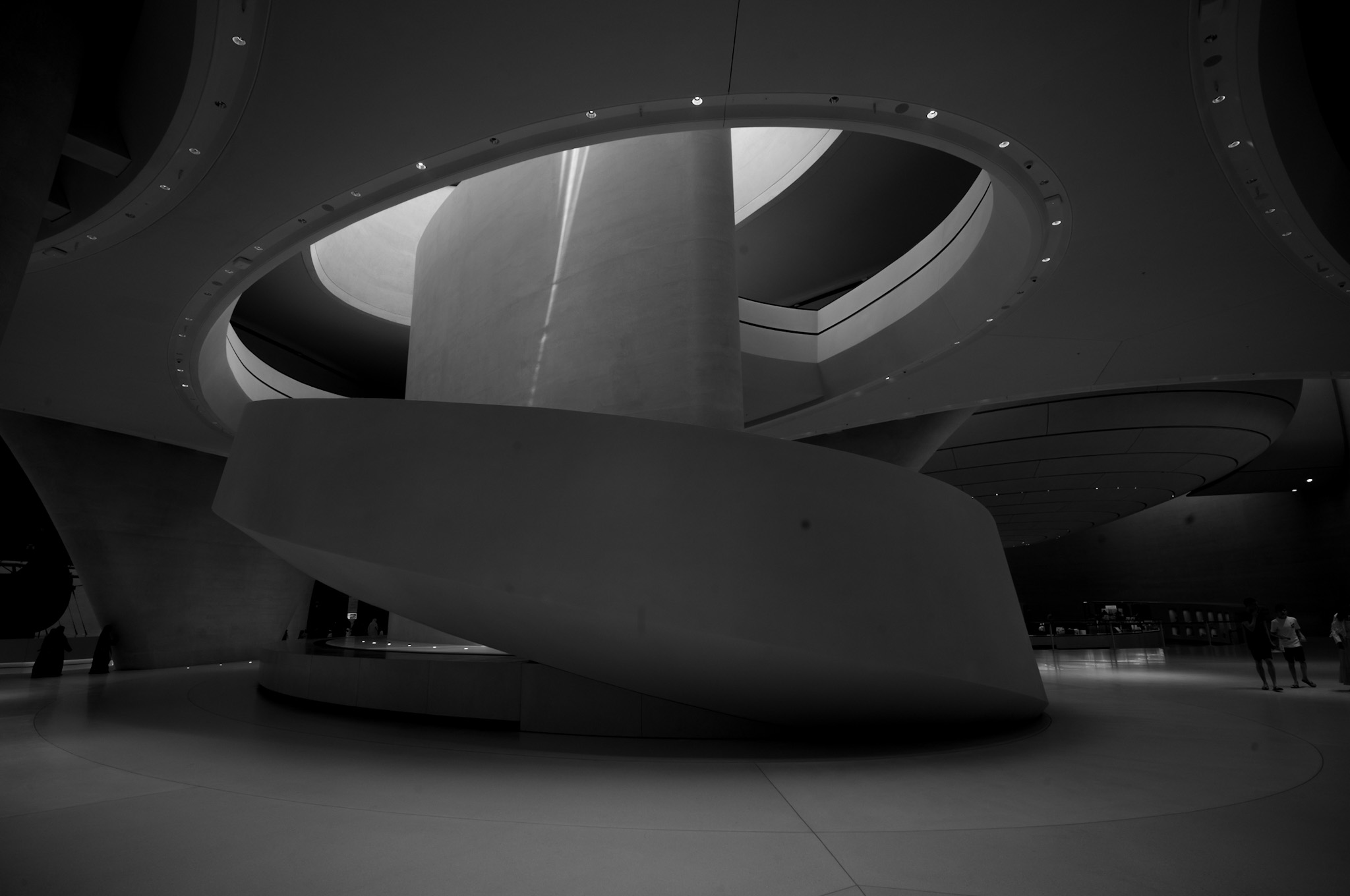
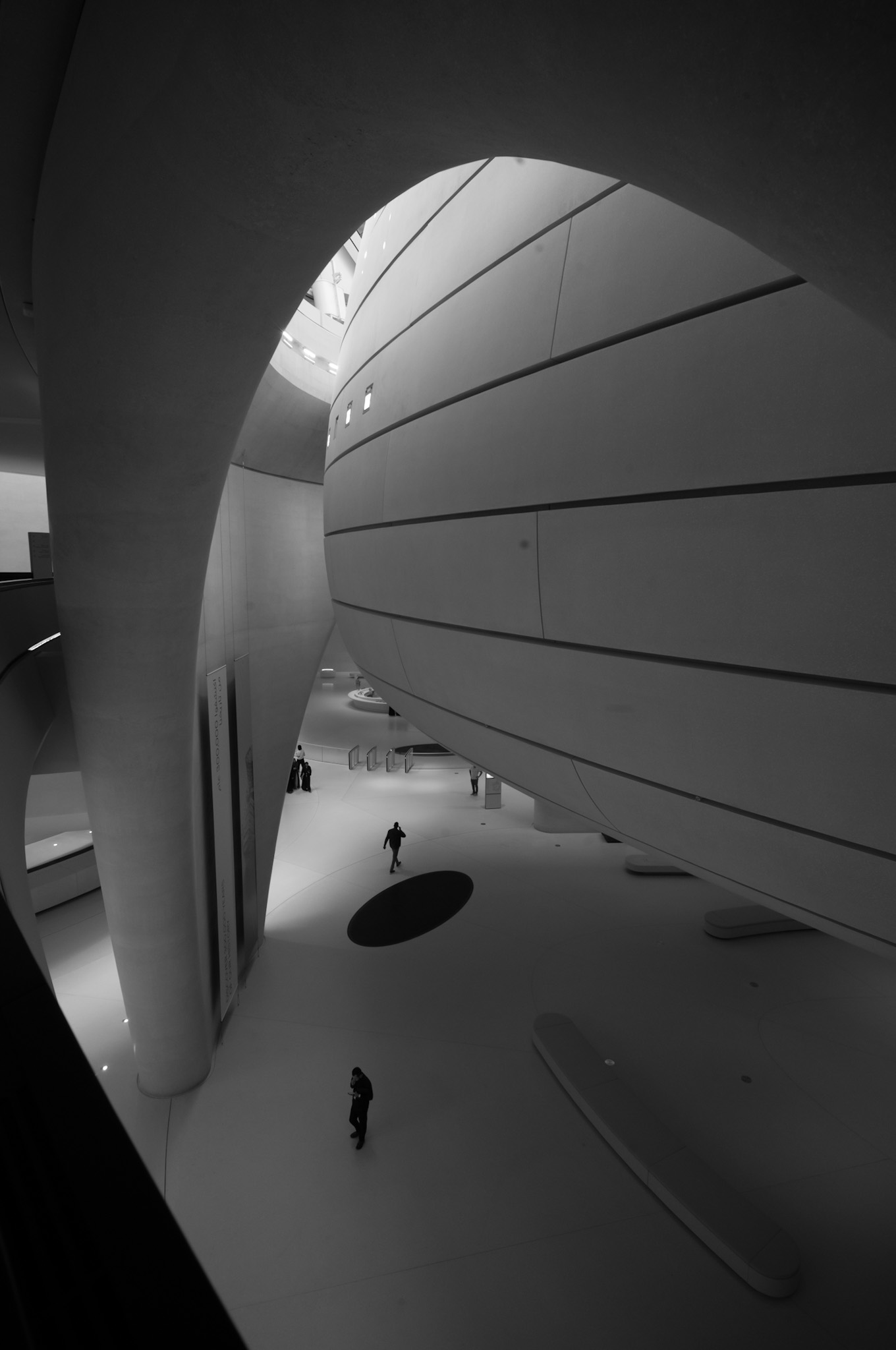
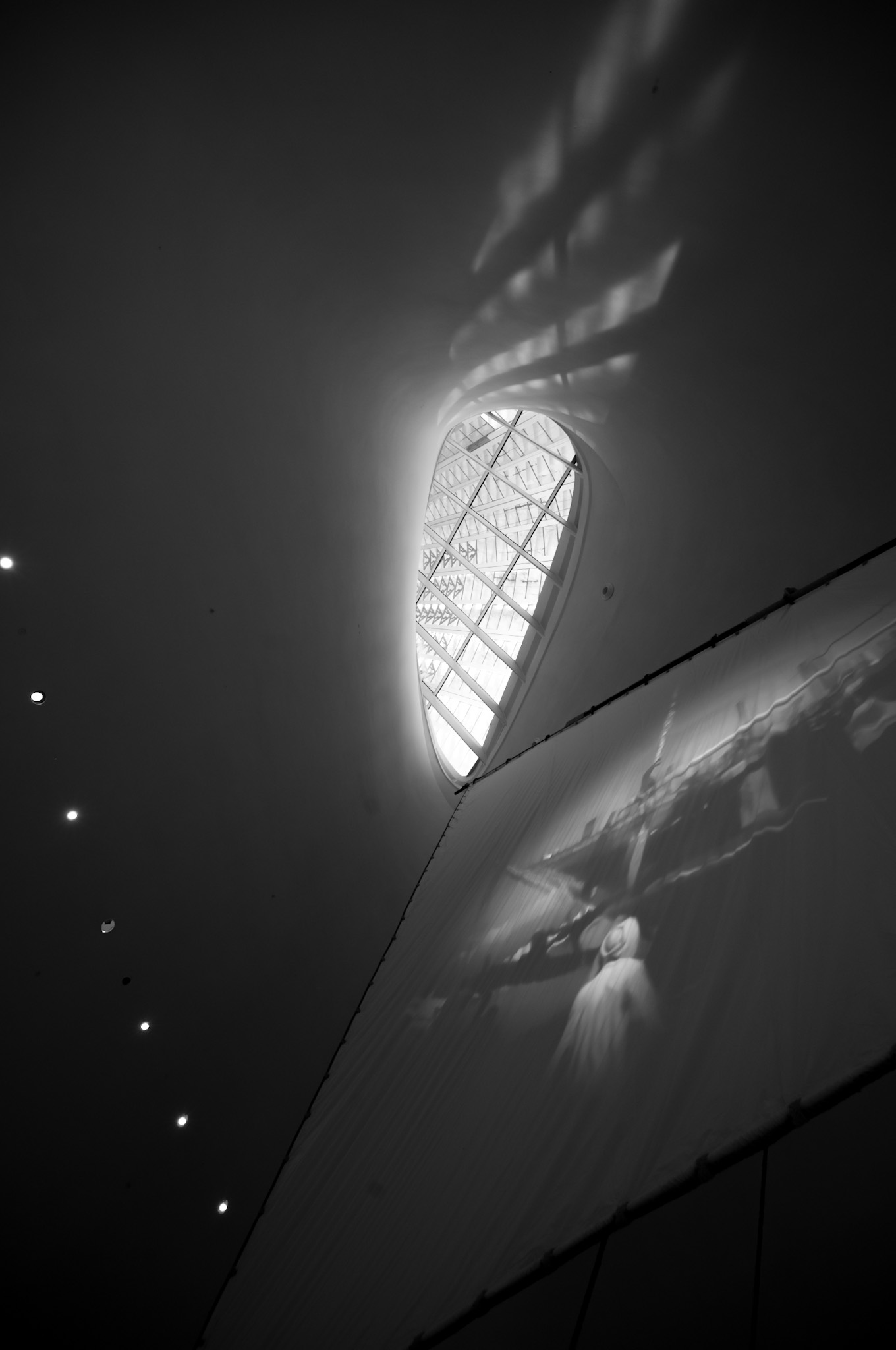
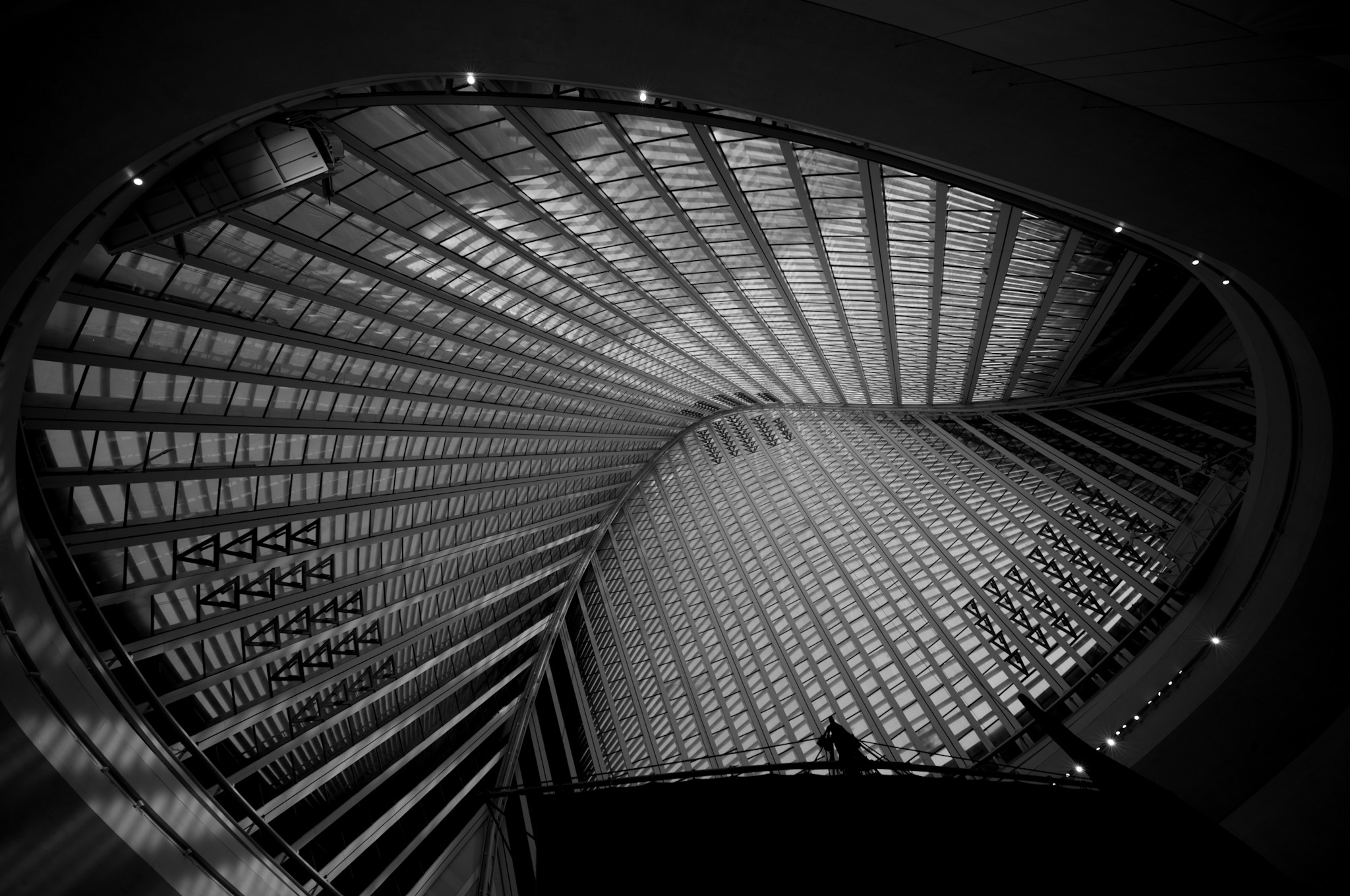
Inside, the museum slows you down. The galleries move across vast timelines, tracing hundreds of thousands of years of
human presenceon the Arabian Peninsula, long before oil, borders, or modern statehood. Objects are not overwhelmed by technology; instead,
digital elements serve the story, not the reverse. The result is a rare balance: immersive without being noisy, didactic without being rigid.
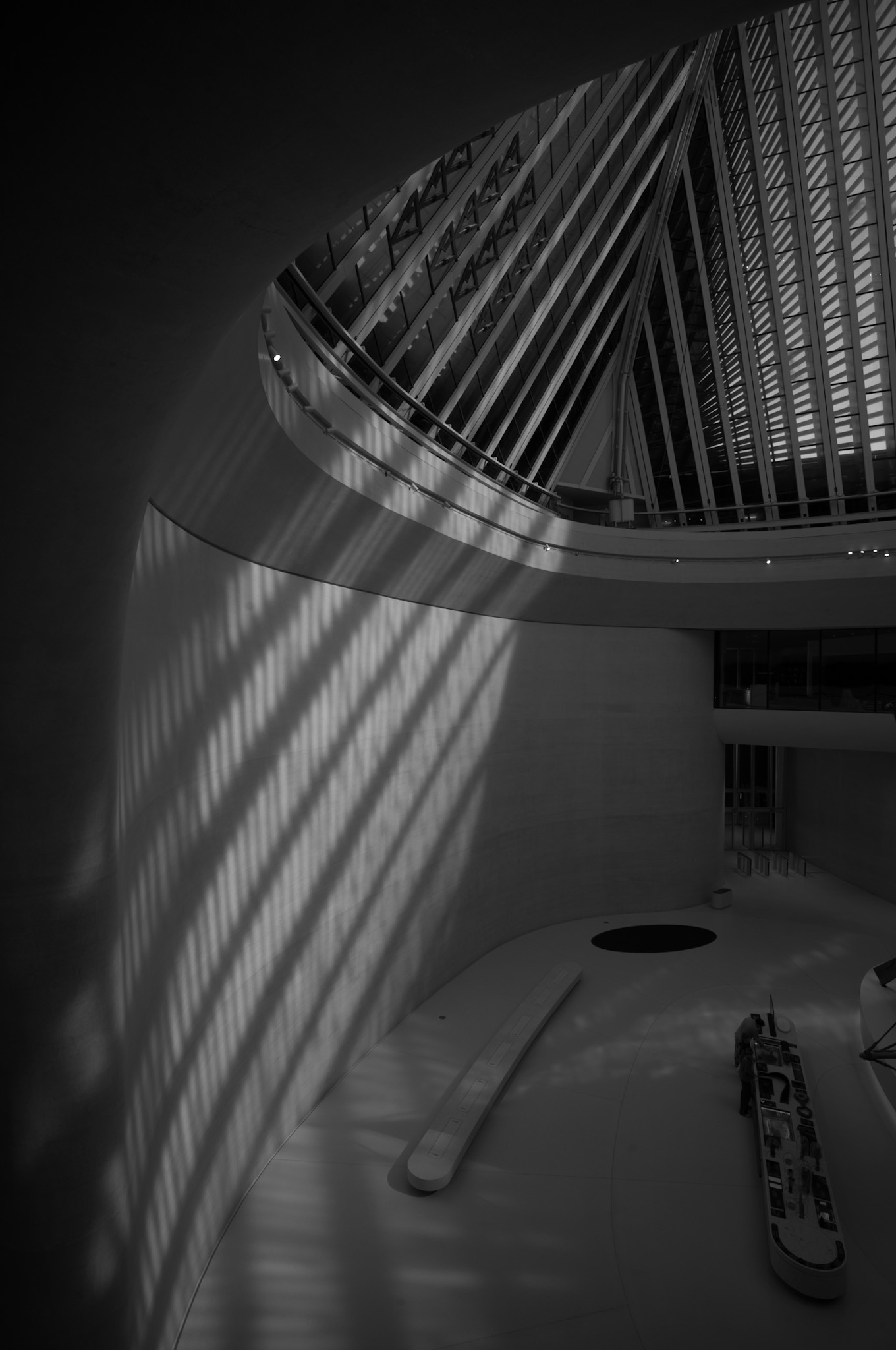
Walking through the spaces, I noticed how
lightis treated almost as an artifact itself. It filters, reflects, disappears. In black and white, the experience becomes even more pronounced — faces, textures, stones, manuscripts. The life and values of Sheikh Zayed emerge not as mythology, but as practice: tolerance, dialogue, environmental stewardship, unity across difference. These themes feel embedded in the architecture, not layered on afterward.
What struck me most is how the museum positions the UAE within a broader human story. This is not an inward-looking institution. It acknowledges exchange — maritime routes, trade, migration, belief — and presents Emirati identity as something shaped through encounters, not
isolation. In a region often reduced to headlines or stereotypes, this approach feels both confident and generous.
Outside, the Al Masar Garden extends the experience into the open air. I paused there, camera lowered, watching visitors move slowly between shade and sun. Museums often try to impress; this one
invites reflection. It leaves space — physical and mental — for silence.
Zayed National Museum succeeds because it understands what a contemporary museum should be: not a container of objects,
but a place of orientation. It anchors the past while quietly pointing forward. Through my Leica Monochrom, stripped of color and distraction, that
intentionfelt even clearer.
This is a museum designed not to be consumed quickly, but to be returned to — like a good photograph, revealing more each time you look again.
Photos taken this morning with my Leica M11 Monochrom and a Super-Elmar 18 mm lens.